Key takeaways
- Match ingress protection to your actual foam, spray, and chemical exposure, not a brochure default.
- Sanitation team sign-off on corners, wheels, and charging zones prevents rework after the first deep clean.
- Corrosion-resistant hardware and compatible seal materials matter as much as the IP label on the datasheet.
- Pilot one zone with your real cleaners and contact times before you standardize a fleet-wide spec.
What makes a robot truly washdown-ready?
Washdown-rated robots for food plants must survive foam, caustic spray, condensation, and frequent sanitation without trapping debris or shorting electronics. Start with the cleaning method your sanitation team already uses, then map every surface the robot presents to that method.
Ingress protection is the first filter, not the finish line. Units marketed for food-adjacent work often cite high IP codes, yet still hide crevices, exposed fasteners, or cloth-covered components that fail audit walk-throughs.
According to the International Federation of Robotics, demand for professional cleaning robots grew by 34 percent in 2024 while transportation and logistics units rose 14 percent. Food plants feel both trends when they automate floors and internal cart moves in the same facility.
How should you read IP ratings in a wet plant?
IP codes describe tested conditions, not your entire sanitation program. A high second digit helps against directed water, yet chemical compatibility and drain paths still decide whether a unit survives Monday foam and Tuesday acid cycles.
Ask vendors for the test report context: spray angle, distance, duration, and temperature. Your sanitation standard operating procedure may exceed every lab condition on the sheet.
Pair the electrical enclosure rating with mechanical design. Smooth sloped tops, sealed seams, and captive hardware beat a high code on a box that still collects dough or protein fines in a lip.
What hygienic design details do auditors notice first?
Auditors and quality teams look for harborage points before they care about autonomy. Rounded corners, minimal horizontal ledges, and tool-less removable covers for inspection rank higher than glossy marketing about smart navigation.
Cable routing matters on mobile units. Dragging connectors through puddles or over floor joints invites moisture wicking into control boxes. Fixed charging stations need the same scrutiny as the robot body.
Document which parts are user-serviceable after washdown. If operators cannot inspect a wheel hub or caster fork without voiding warranty, your exception log will fill after the first allergen changeover.
Which wheel and seal materials survive caustic cycles?
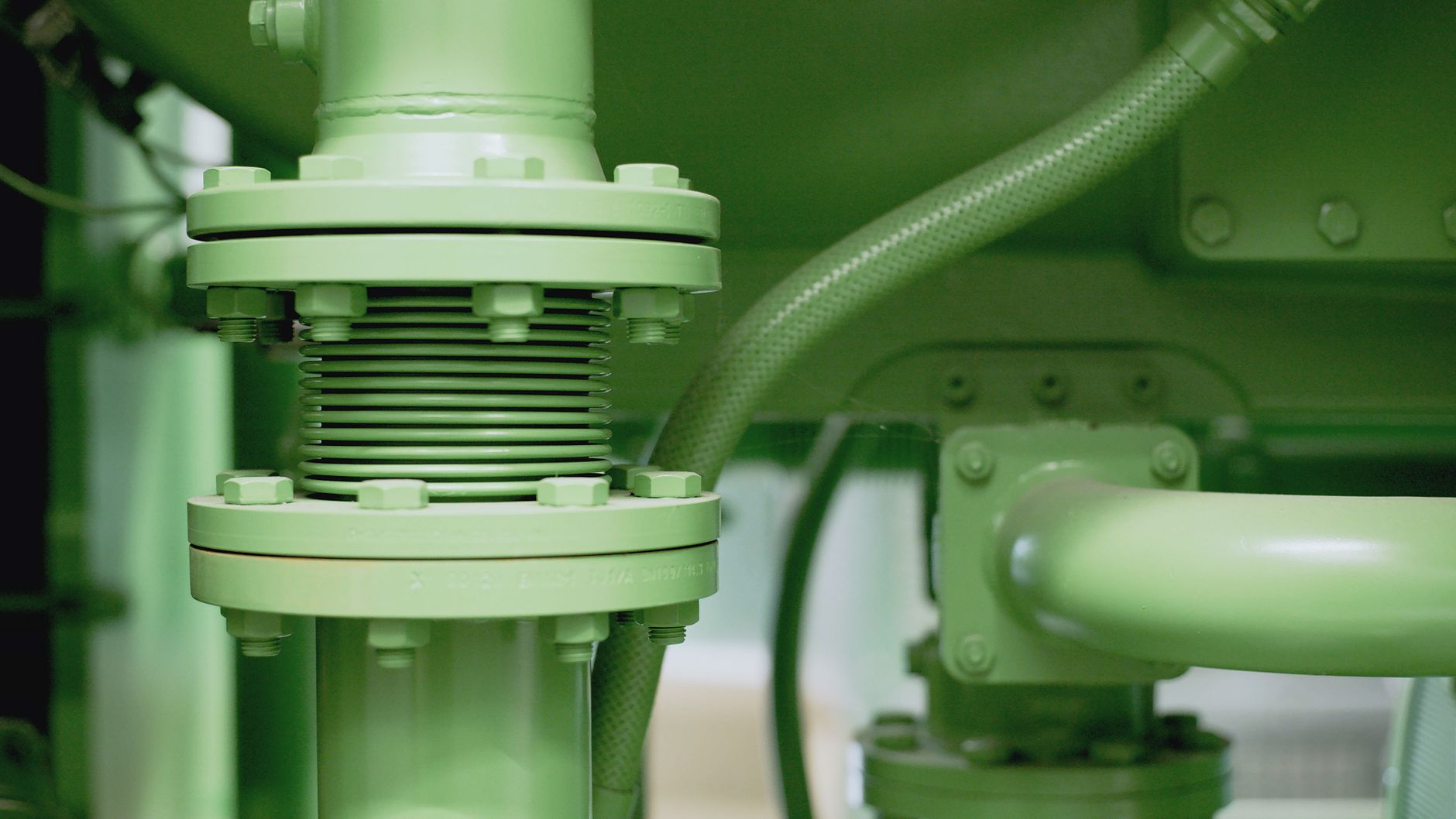
Standard polyurethane wheels may swell or chalk under alkaline cleaners common in meat and dairy plants. Specify wheel compounds and bearing shields against your chemical list, not against generic warehouse duty.
Seals around drive units and battery compartments need compatible elastomers and inspection intervals. A seal that looks intact can stiffen after repeated sanitizer exposure and then crack on a cold startup.
Run a coupon test: expose sample wheels and gaskets to your worst-case cleaner concentration and contact time before the robot ever enters production. Record photos at 24 and 72 hours for your quality file.
Where should charging and docking live in a washdown zone?
Charging areas collect the same overspray as production aisles when sanitation hoses reach every corner. Mount contacts or wireless pads where foam runs off, not where it pools against a wall.
Separate clean and dirty traffic where possible. A robot that charges beside raw ingredient totes tracks moisture and cleaner residue into the next shift path unless floor marking and airflow support drying.
Include charging stations in the sanitation map. Teams that only robot-map production lines forget docks until an inspector asks who wipes the contacts weekly.
How do you validate with sanitation before capital approval?
Bring sanitation, quality, and maintenance into the spec before purchasing commits. Their sign-off should cover chemicals, contact time, disassembly for inspection, and spare parts for wear items.
Run a witnessed wash on a demo unit using plant procedures, not a vendor shortcut. Failures at this stage are cheap. Failures after install shut down entire shifts.
Log exceptions the same way you log human cleaning misses. If foam hangs up on a sensor shroud twice in a pilot week, fix the design or pick a different category robot before you multiply the fleet.
When does corrosion resistance override feature lists?
Stainless or coated hardware costs more upfront and pays back when acid sanitizer and metal fines meet every night. Plants near brine, marinades, or high-salt environments wear painted steel fast.
Compare fasteners, casters, and undercarriage metals on the bill of materials, not just the outer shell finish. Rust blooms on a five-dollar bolt can sideline a six-figure automation project.
Maintenance plans should list inspection points for pitting and crevice corrosion after each major sanitation event. Photos in the CMMS beat memory when shifts rotate weekly.
How can Service Robot Co. help food plants spec washdown fleets?
Service Robot Co. is a vendor-neutral integrator for US food and beverage processors. We align robot categories to your sanitation map, finance pilots, deploy with your quality team present, and service units nationwide.
Commercial robot rental lets you run a washdown scrubber or internal transport unit through a full sanitation calendar before you commit to purchase. Convert to lease or buy once the spec survives real foam cycles.
The right washdown-rated robot is the one your sanitation lead would sign tomorrow, not the one with the longest feature sheet. We help you build that evidence before scale-up.