
Key takeaways
- Start the robot only after the last sale, vault transfer, and restricted-door lockup are complete.
- Keep the default route on the public retail floor and out of limited-access rooms.
- Tie every run to camera coverage, a named closer, and a short exception log.
- Use an OEM-neutral integrator if you want one partner for finance, deployment, training, and service.
What should the nightly sequence look like?
The cleanest way to automate a dispensary after close is to treat the robot as the last retail task and the first facilities task. Start it only after the final customer exits, after tills and product are moved into secured areas, and after a manager has cleared the sales floor of loose displays, floor mats that curl, abandoned baskets, and any spill that needs immediate hand work. According to the California Department of Cannabis Control, an in-store sales transaction must be finished by 10:00 p.m. That gives operators a clear handoff point for overnight floor care.
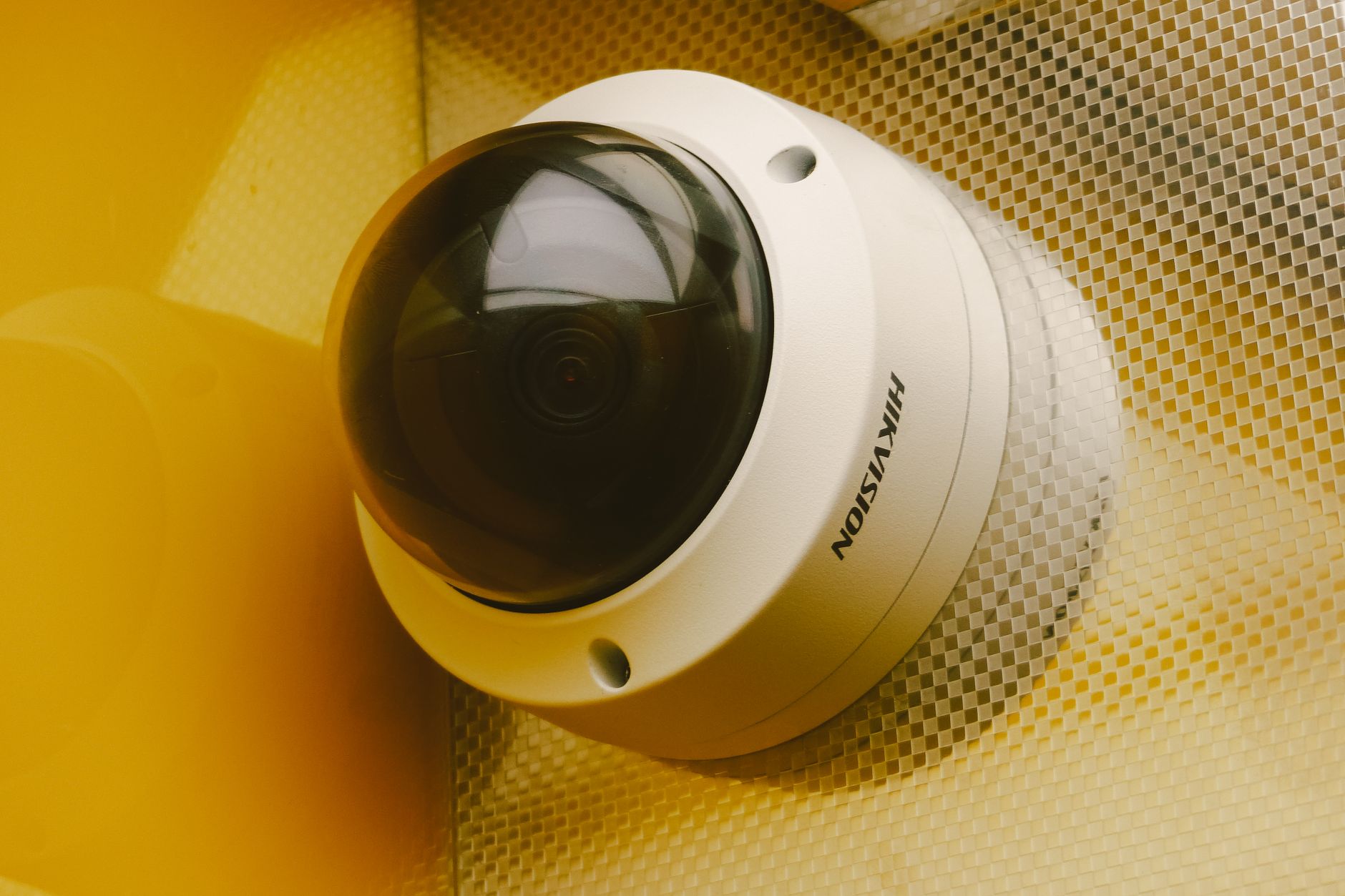
Keep the robot on the public-facing sales floor and other approved common areas unless your written procedure says otherwise. Illinois law says that when a dispensary is closed, all cannabis and currency must be stored in a reinforced vault room in the restricted access area and kept securely locked. Ohio requires 24-hour live video and daily records of employee access to limited-access areas. The practical reading is simple. Lock down restricted zones first, then let the robot clean the presentation floor under camera coverage.
This works best when one authorized closer owns launch, recovery, and exception handling. That person does not babysit the machine all night. They verify the first minutes of the run on camera, confirm the dock is reachable, and leave a clear rule for any stop, blocked aisle, or unexpected open door.
Why dispensaries need a tighter playbook than ordinary retail
A dispensary has the visual standards of specialty retail and the controlled-access habits of a regulated facility. The same building may hold a polished sales floor up front, a reinforced vault room deeper in the footprint, a surveillance station, and back-of-house inventory areas with very different access rules. If the close sequence is loose, the robot does not create order. It exposes the lack of it.
The safety case is not cosmetic. The U.S. Bureau of Labor Statistics reported 339.8 thousand injury and illness cases in retail trade in 2024, a rate of 3.0 cases per 100 full-time workers. On the same BLS program page, cases involving days away from work due to falls, slips, and trips totaled 479,480 in 2024 across private industry. OSHA's walking-working surfaces rule says floors must be kept clean and dry and aisles must stay clear. A night shift autonomous scrubber helps with consistency, but only if the route stays out of cluttered closeout zones.
How do you stage the building before the robot starts?
Most failed overnight cleaning no operator programs come from bad staging, not bad machines. The robot needs a floor that is in run condition. Queue stanchions need a parking spot. Endcaps cannot drift into the lane. Temporary signs, cords, mop buckets, and cardboard should be off the route before launch. Put the dock on a straight shot to the first cleanable zone, not behind a locked vestibule or inside a restricted room.
Build the close around one irreversible rule. Security and cash tasks happen first, robot launch second. That keeps the scrub path out of the most sensitive minutes of the night and prevents a well-meant override from opening doors or distracting the closer during count.
- Finish the last sale and confirm all customers are out.
- Move cannabis and currency into the designated secured area.
- Lock restricted rooms and confirm door status before launch.
- Walk the robot route for cords, loose mats, cones, and displays.
- Start the run from a dock in an approved common area.
- Check the first leg on camera, then leave the robot to run unless an alert fires.
Which areas belong on the robot map and which stay off it?
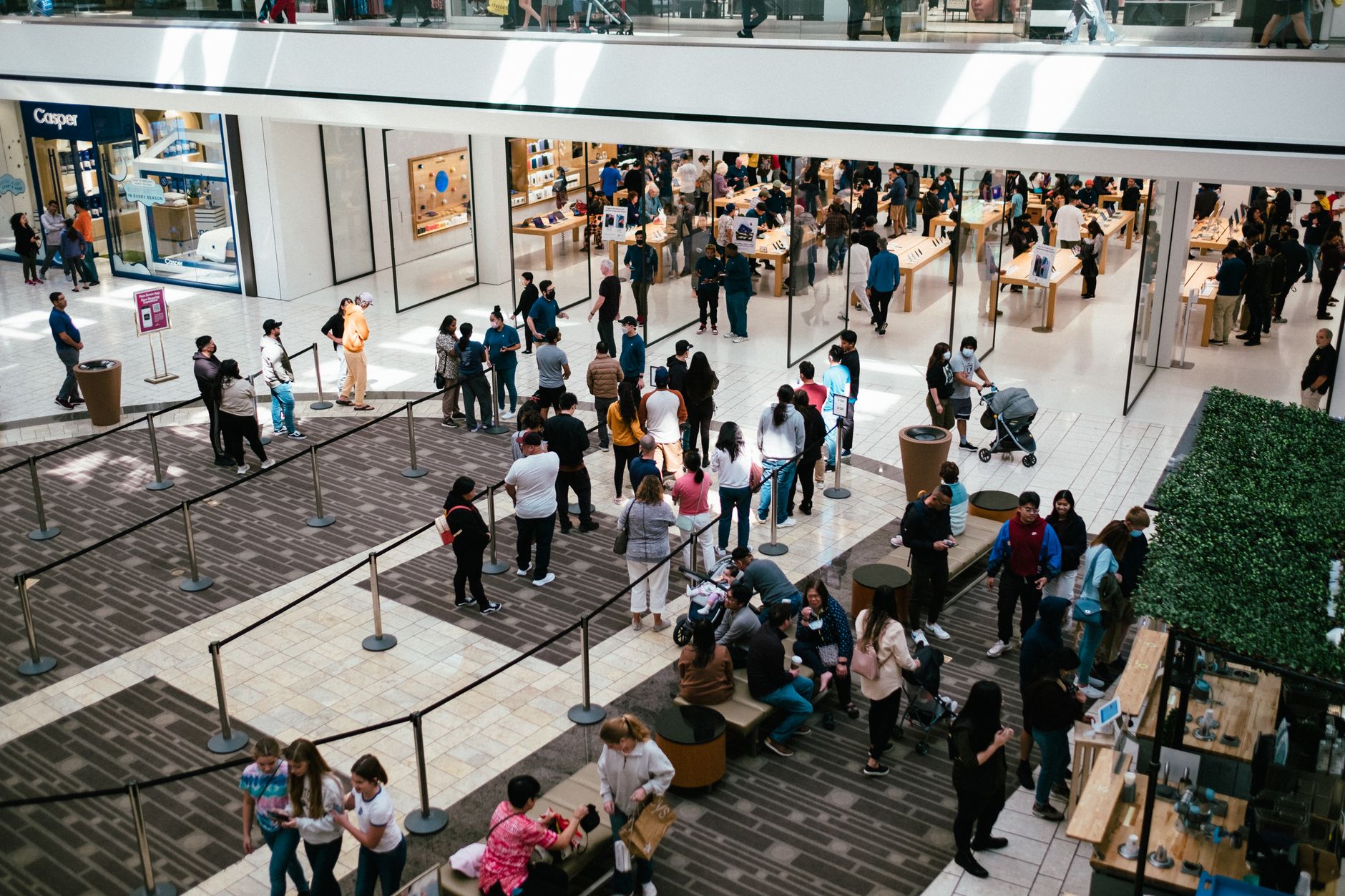
Most dispensaries should start with three map classes. Clean nightly, clean on alternate nights, and never enter. Nightly zones are usually the lobby, sales floor, queuing lanes, and approved corridors that frame the customer experience. Alternate-night zones may include break areas or back corridors that stay relatively dry. Never-enter zones usually include the vault approach, surveillance room, receiving cage, product storage, and any room where access rules become tighter the moment an outsider steps in.
Pennsylvania's dispensary access rule offers a useful test. If a person who is not already approved to enter a limited-access area must present government ID, sign a log, wear a temporary badge, and be escorted, that area should not sit on the default robot route. Keep autonomous cleaning in the parts of the building that can remain routine, visible, and low-drama after close.
How do you keep cleaning from colliding with cash and compliance?
Do not park the dock in front of the vault door, the count room, or the camera workstation. Illinois requires the vault room and other storage areas to stay securely locked after close, and state rules tightly limit access to surveillance equipment and recordings. The dock should sit where an authorized closer can launch the run and leave without crossing back through a restricted room. That one layout choice removes a surprising amount of nightly friction.
Exception handling needs the same discipline. The safe default is stop, alert, and wait until an authorized employee returns. Do not write a procedure that asks a guard, courier, or outside cleaner to enter a sensitive area just to rescue a stuck machine. Ohio's rule on daily access records and 24-hour video makes improvised after-hours interventions harder to defend. If your maintenance provider may need entry after hours, preclear that path. Illinois requires dispensaries to keep a list of service professionals who will work at the site, and no service professional may work in the dispensary until the name is provided to the Department.
What should the closing log actually record?
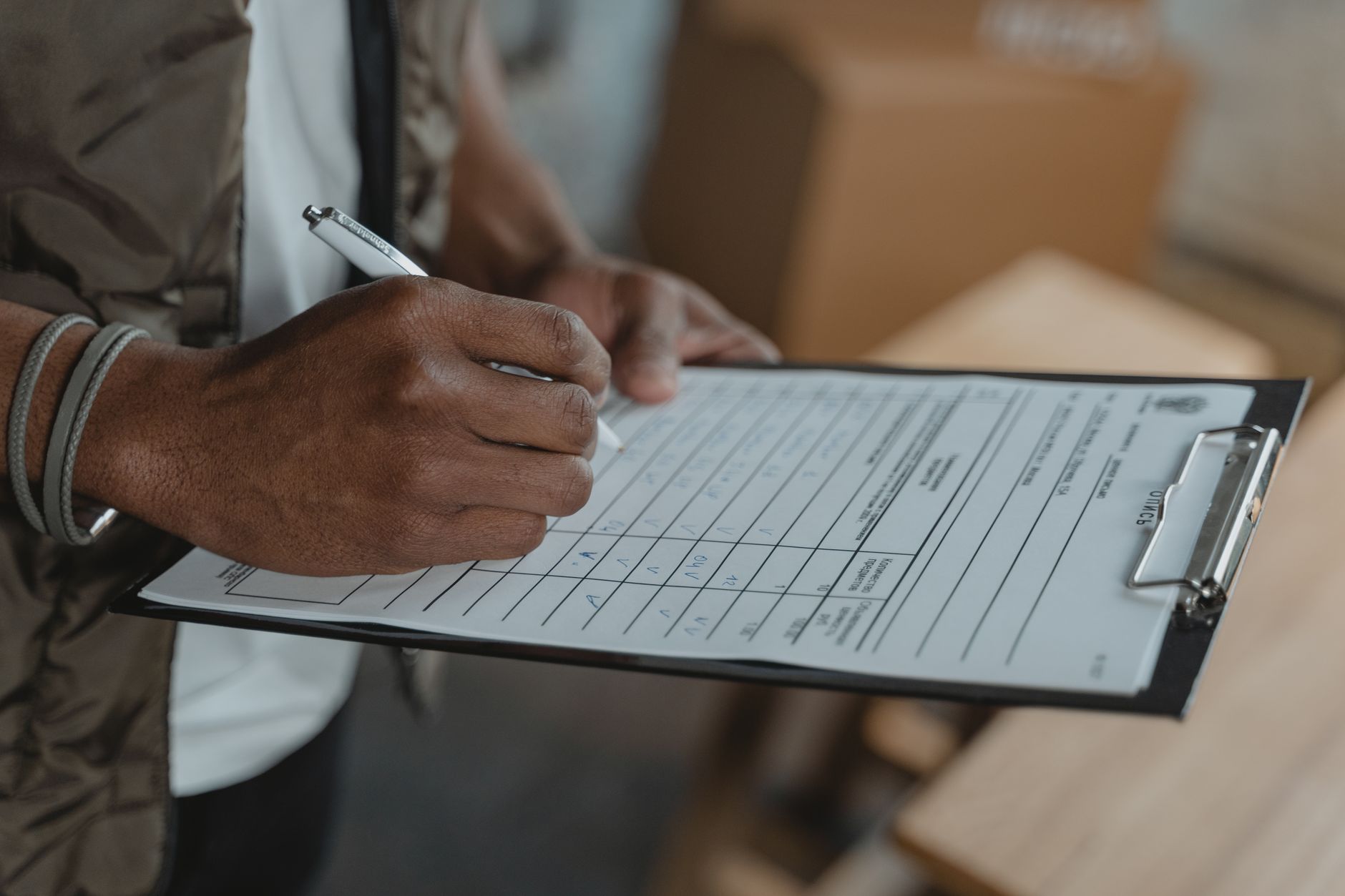
A good overnight floor-care log is short and audit-friendly. It proves that the floor was serviced, the robot stayed in bounds, and any exception was closed without breaking the access plan. Pull timestamps from the robot system and pair them with the manager close checklist rather than building a second paperwork stack that nobody trusts after week two.
Ohio also requires monthly inspection and testing of security and surveillance equipment, and any necessary repair or replacement after a failure must occur within 24 hours of identification. If a docked robot blocks a camera, an alarm keypad, or a door-contact test, the process is wrong. The robot should fit the control environment, not ask the control environment to bend around it.
- Launch time and recovery time.
- The map or route that was used.
- The authorized employee who launched the run.
- Any stop, manual assist, spill, or blocked aisle.
- Confirmation that restricted zones stayed closed and camera sightlines stayed clear.
Where Service Robot Co. fits in the rollout
This is where an OEM-neutral approach matters. A dispensary does not need the flashiest machine. It needs the retail floor cleaning robot that fits the floor finish, aisle width, nightly soil load, and close routine. Service Robot Co. is a full-service commercial robot integrator for US businesses. The company picks the right robot across manufacturers, then handles financing, deployment, integration, training, and service through a nationwide US engineer network.
That operating model is useful for dispensary groups because it keeps the whole lifecycle under one roof. Some operators start with a commercial cleaning robot lease plan, or robot leasing for business instead of buying outright. Service Robot Co. can support that with monthly payment programs and RoboCare™ service, which is often easier to manage than separate vendor relationships, scattered service calls, and in-house troubleshooting on a regulated close.
What a good first pilot proves in the first month
A useful pilot does not try to automate the whole building on night one. It proves four things. The robot can finish inside the close window. The dock remains reachable after the nightly reset. The machine leaves the sales floor presentation consistent. Exceptions are rare enough that the manager is not getting pulled back on site. If those four hold, expanding the program is usually straightforward.
Judge the pilot with operating evidence, not gut feel. Watch completion rate, intervention frequency, morning floor condition, and any collision with security walkthroughs, alarm setting, or inventory procedures. If the robot keeps missing the same aisle, that is usually a mapping or staging problem. If the robot keeps getting paused for the count room, the route is too ambitious and should be cut back until the close runs cleanly.