
Key takeaways
- Treat each construction phase as a controlled change to routes, maps, chargers, and traffic rules.
- Freeze a production map, stage the next map separately, and keep a rollback version ready.
- Move charging stations before power work starts, with verified clearances, signage, and tested dock behavior.
- Put one person in charge of contractor handoffs, daily hazard review, and phase-close acceptance testing.
- An accountable integrator matters most when a live fleet has to keep working through shifting site conditions.
What actually keeps the fleet running when the floor keeps changing?
You keep robots running through a remodel by treating every construction phase as a controlled change to geometry, power, traffic, and responsibility. Freeze the current map, design temporary routes before barriers move, relocate chargers before power work starts, brief contractors every day, and accept each phase with a short on-floor test before you reopen the robot’s operating envelope.
The common failure is treating the fleet like furniture. A robot can tolerate some clutter, but not constant ambiguity. Temporary partitions, demo debris, wet work, blocked sightlines, and surprise cord drops change how a machine localizes, plans, docks, and recovers. Uptime during construction comes from change control, not optimism.
This is live-facility work at national scale, not a niche problem. According to the U.S. Census Bureau, private nonresidential construction was running at a $745.3 billion annual rate in June 2026. Facilities are being altered while they stay open, and a fleet that cannot adapt phase by phase will spend too much of the project parked at the wall.
Start with map versions, not ad hoc edits

Before the first barrier moves, capture a clean baseline of everything that defines robot behavior. That means maps, route libraries, speed zones, stop points, charger assignments, elevator or door permissions, and any human operating notes the night crew relies on. One of those items will change during the remodel. Usually several will.
Do not edit the live production map in place. Create a production version, a staged next-phase version, and a last-known-safe rollback version. Label each with the phase name, date, approving person, and area affected. If a corridor closes at 2 p.m., operations needs a fast way to know which routes are still valid and which ones are paused.
That discipline lines up with the newest U.S. mobile-robot safety guidance. ANSI/A3 R15.08-3-2026, published April 23, 2026, calls out risk assessment and management of change for both the robot application and the current operating environment. A remodel changes the operating environment by definition, so map versioning is not clerical work. It is part of safe use.
- Keep one production map that only approved operators can change.
- Stage the next-phase map offline and tie it to a dated construction phase plan.
- Maintain a rollback map that returns the fleet to the last safe layout in minutes, not hours.
- Track route status by name: active, detour, manual-only, or disabled.
- Record who approved each map, when it went live, and what field check confirmed it.
How should temporary routes be designed?
Temporary routes should be simpler than the permanent ones. Shorter lanes, fewer turns, cleaner sightlines, and fewer crossings beat a clever detour every time. OSHA says in 1910.176 that aisles and passageways must be kept clear, in good repair, and appropriately marked where permanent. During a remodel, treat your temporary robot lanes with the same seriousness even if the tape and barriers are only up for two weeks.
Housekeeping is not cosmetic here. OSHA’s 1910.22 rule requires walking-working surfaces to be kept clean, orderly, and free of hazards such as spills and loose boards, and it requires hazards to be corrected or guarded before use. That is exactly the environment robots struggle with during phased work. A route that worked last night can fail this morning because someone parked a lift in the corner where the machine expects open space.
The human cost of sloppy temporary routing is real. The U.S. Bureau of Labor Statistics counted 479,480 private-industry falls, slips, and trips cases involving days away from work in 2024, with a median 13 days away from work. If a remodel detour forces people and robots into a badly marked, debris-prone crossover, you are not only risking uptime. You are worsening one of the most common injury patterns on a live site.
- Prefer one primary detour and one fallback detour, not a web of optional paths.
- Avoid routing across temporary cords, hoses, or sheet goods, even if people can step over them.
- Keep handoff points, turns, and narrowing aisles visible from both directions.
- Use bright, consistent floor and wall marking so contractors and staff can read the lane at a glance.
- Lower complexity before you lower speed. The best detour is the one the robot can interpret cleanly every run.
Move charging stations like critical infrastructure
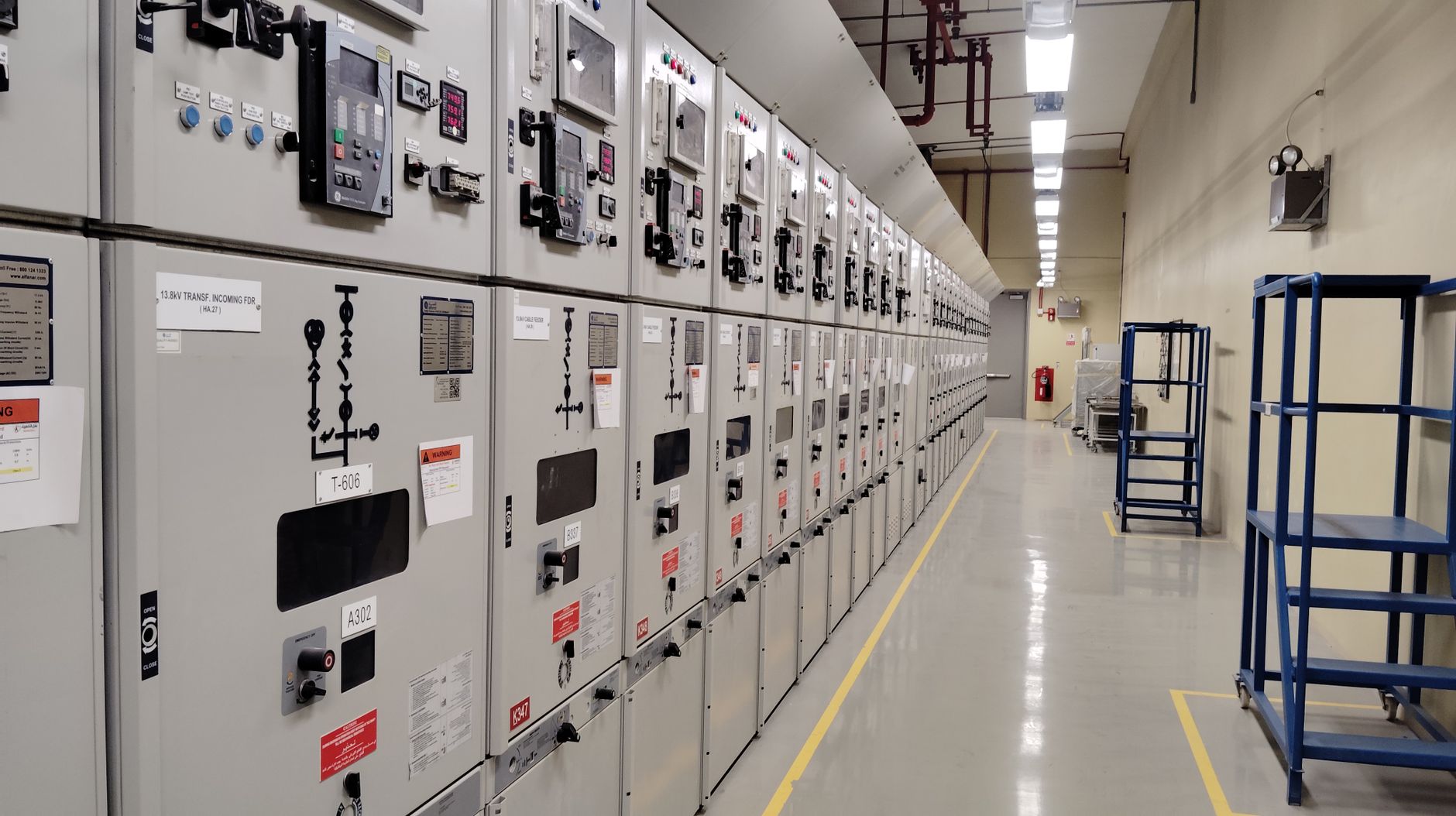
A charging-station move should be planned before demolition, drywall, ceiling, or electrical cutover reaches that area. Too many facilities wait until the charger is suddenly behind plastic, without network coverage, or sharing floor space with a trade staging pile. That is how you lose a shift.
OSHA’s 1910.303 rule requires sufficient access and working space around electric equipment, and it specifies a minimum width of 30 inches in front of the equipment or the equipment width, whichever is greater. In plain terms, do not bury a robot charger in a temporary nook, use its working space for storage, or make an electrician crawl past pallets to service it. If a charger has become hard to access for people, it is already a bad candidate for a robot fleet.
This is becoming more important, not less. NFPA noted in May 2026 that the 2027 edition of NFPA 241 adds guidance on construction fire safety, emergency notification, and lithium-ion batteries. If your facility is relocating chargers, adding temporary power, or changing battery storage patterns during a remodel, treat that as a formal safety review item, not a field improvisation.
- Verify power, network reach, drainage, and housekeeping before the charger moves.
- Protect the charger from contractor traffic, dust load, and staging overflow.
- Retest dock, undock, and charge-confirmation behavior after the move.
- Update every map and route that references that charger or its nearby stop points.
- Post temporary signage so staff know the charger’s new location and the lane around it stays clear.
Who owns the contractor handshake?
Someone has to own the daily handshake between facility operations and the trades. Not generally. Specifically. One name, one phone number, one authority to pause routes or reopen them. OSHA’s multi-employer citation policy states that on multi-employer worksites, more than one employer may be citable for a hazardous condition. Remodel work creates exactly that kind of shared environment, so vague ownership is a bad operating habit and a bad risk posture.
The robot program should be represented in every contractor coordination loop that can change movement, visibility, power, floor condition, or access. If the drywall crew closes a cross corridor, if painters leave wet edges on a lane, if electrical work shifts a charger, or if a scissor lift now lives in a robot turnaround, the fleet owner needs that information before the route launches, not after the first fault alert.
- Barrier moves and area turnovers by exact time and location.
- Temporary cords, hoses, lifts, dumpsters, and material staging inside or near robot lanes.
- Wet work, dust-generating work, overhead work, and any floor curing window.
- Planned power, Wi-Fi, access-control, or elevator interruptions.
- After-hours entry windows for technicians, operators, and contractor escorts.
- The trigger point for route pause, reroute, manual escort, or full area shutdown.
What belongs in the daily hazard review?
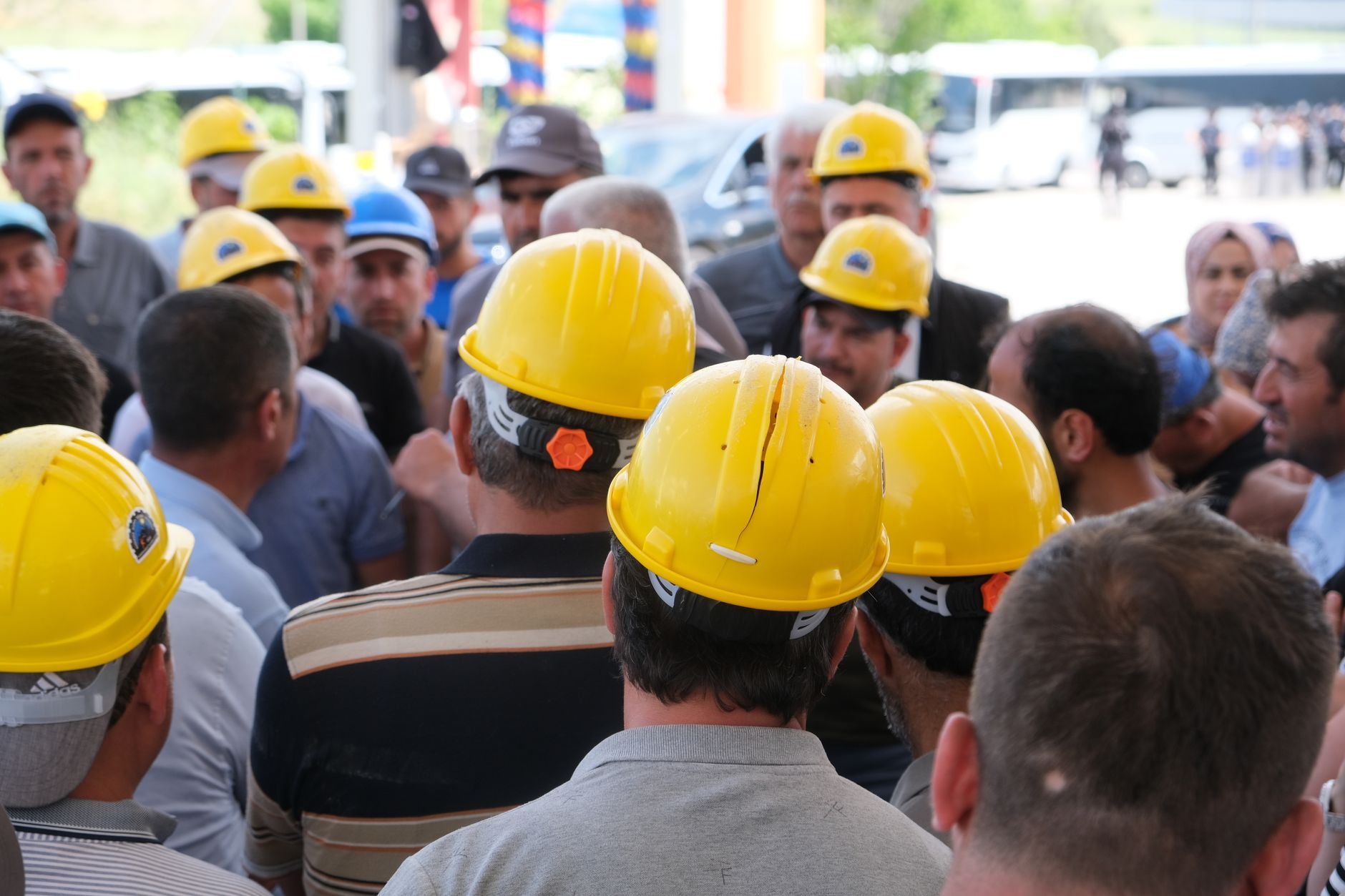
Run a short hazard review at the work face every day the remodel is active, and again whenever a phase turns over. Five useful minutes in front of the actual barriers beats a long email thread that nobody reads before launch. The review should include the operations lead, the contractor lead, the robot owner, and the shift supervisor who will inherit the floor after the trades leave.
Construction environments are especially unforgiving around movement hazards. In a May 2026 analysis, the U.S. Bureau of Labor Statistics reported that private construction logged 30.0 falls, slips, and trips cases with days away from work per 10,000 full-time workers in 2024, versus 22.6 across all private industry. A remodel does not turn your warehouse, hospital, hotel, or plant into a construction company, but it does import construction risk into the spaces your robots and staff share.
A good review is concrete. Which lane is blocked. Which threshold is wet. Which corridor lost lighting. Which dust wall is now bowing into the path. Which team left a pallet jack in the crossover. Any item without a clear answer becomes a route restriction until somebody resolves it.
- Walk every active detour before the first autonomous run of the shift.
- Check for spills, dust buildup, loose protection board, cords, hoses, and narrowing clearances.
- Confirm barrier integrity, door access, and sightlines at turns and intersections.
- Verify charger access and the clear area around electrical equipment.
- Log every restriction and tie it to a route status change, not just a verbal warning.
What should phase-close acceptance testing prove?
After each construction phase, do not assume the fleet is ready because the area looks finished. Run acceptance testing that proves the robot can localize, travel, stop, avoid, dock, and recover in the changed space. This is the moment when many facilities discover that a freshly painted wall changed reflectivity, a new cart corral narrowed a turn, or a relocated charger now sits in a dead Wi-Fi pocket.
Keep the test ladder simple. First run an empty route validation with no payload and low traffic. Then test the real job, including docking, task execution, and return to charge. Then test with ordinary site traffic present. If the phase affects doors, elevators, badge readers, or other surrounding infrastructure, test those paths as they are actually used at shift time, not only during a quiet afternoon.
Document the result as pass, conditional pass, or fail. A conditional pass can reopen a route with restricted hours, a spotter, or a manual handoff. A fail should trigger rollback to the last safe map or a planned manual process until the issue is fixed. That is how phased deployment no shutdown stays disciplined instead of turning into a series of avoidable outages.
- Successful localization from the approved start points in the revised area.
- Clean completion of every active route segment without unplanned stop points.
- Expected behavior at temporary barriers, narrowed turns, and mixed-traffic crossings.
- Reliable dock and undock performance at every moved or newly assigned charger.
- Working alerts, escalation contacts, and operator recovery procedures.
- A signed record showing who tested, what changed, and what restrictions remain.
Why one accountable partner matters during a remodel
Remodels expose the difference between owning a robot and owning an operating method. The hard part is not putting a machine on the floor. It is robot fleet management while routes, chargers, traffic, and responsibilities keep shifting. That is where robot deployment and integration, site assessment mapping, operator training, commercial robot repair service, and service response all converge into one operating problem.
Service Robot Co. fits this work because we operate as a full-service commercial robot integrator for U.S. businesses, not a single-brand sales desk. We stay OEM-neutral, choose what fits, and then finance, deploy, integrate, train, and service the fleet through a nationwide U.S. engineer network. During a remodel, one partner one number matters. Remote triage, on-site dispatch, map updates, charger moves, and phase-close support belong in one accountable loop, especially when the site cannot stop running.
Frequently asked questions
Sources
- U.S. Census Bureau Construction Spending June 2026
- BLS Injury Table 2 for Falls, Slips, and Trips
- BLS Construction Fall Hazard Analysis
- OSHA Walking-Working Surfaces 1910.22
- OSHA Materials Handling 1910.176
- OSHA Multi-Employer Citation Policy
- OSHA Electric Equipment Space 1910.303
- ANSI/A3 R15.08-3-2026 Mobile Robot Safety Standard