
Key takeaways
- Keep the first pilot narrow, quiet, and staff-facing, not patient-facing.
- Design around locked thresholds, handoffs, and human override before you chase extra distance.
- Bedrooms, bathrooms, seclusion rooms, and active therapy or crisis spaces should be permanent no-go zones.
- Judge the pilot on calm operations, completed handoffs, and staff time returned, not on trip count alone.
What does a safe first pilot actually look like?
A good pilot in a behavioral health hospital is tighter than a standard med-surg rollout. Start with a narrow, repetitive, staff-only route, defined handoff points, and human override at every doorway. Keep the robot quiet, visually plain, and clearly subordinate to staff judgment. It should carry things, not make care decisions, talk to patients at length, or drift into moments that can turn tense fast.
The risk picture explains why. OSHA says serious workplace violence incidents requiring days away from work were more than four times higher in healthcare than in private industry from 2002 through 2013. In its December 7, 2016 federal register review of BLS data, OSHA also said psychiatric hospitals had violence-related injury rates more than 64 times private industry as a whole. The pilot should remove routine walking and cart pushing from staff, not place a robot in the middle of agitation, confrontation, or restraint response.
Noise belongs in the same opening conversation. The World Health Organization says noise in rooms where patients are treated or observed should not exceed 35 dB. A PubMed-indexed study of an acute psychiatric unit found average noise levels of 62.5 dBA in the morning, 55.8 dBA in the afternoon, and 51.5 dBA at night, with doors and doorbells among the disturbing sources. In this setting, a robot earns trust only if it adds less commotion than the trips it replaces.
Start with the smallest useful route
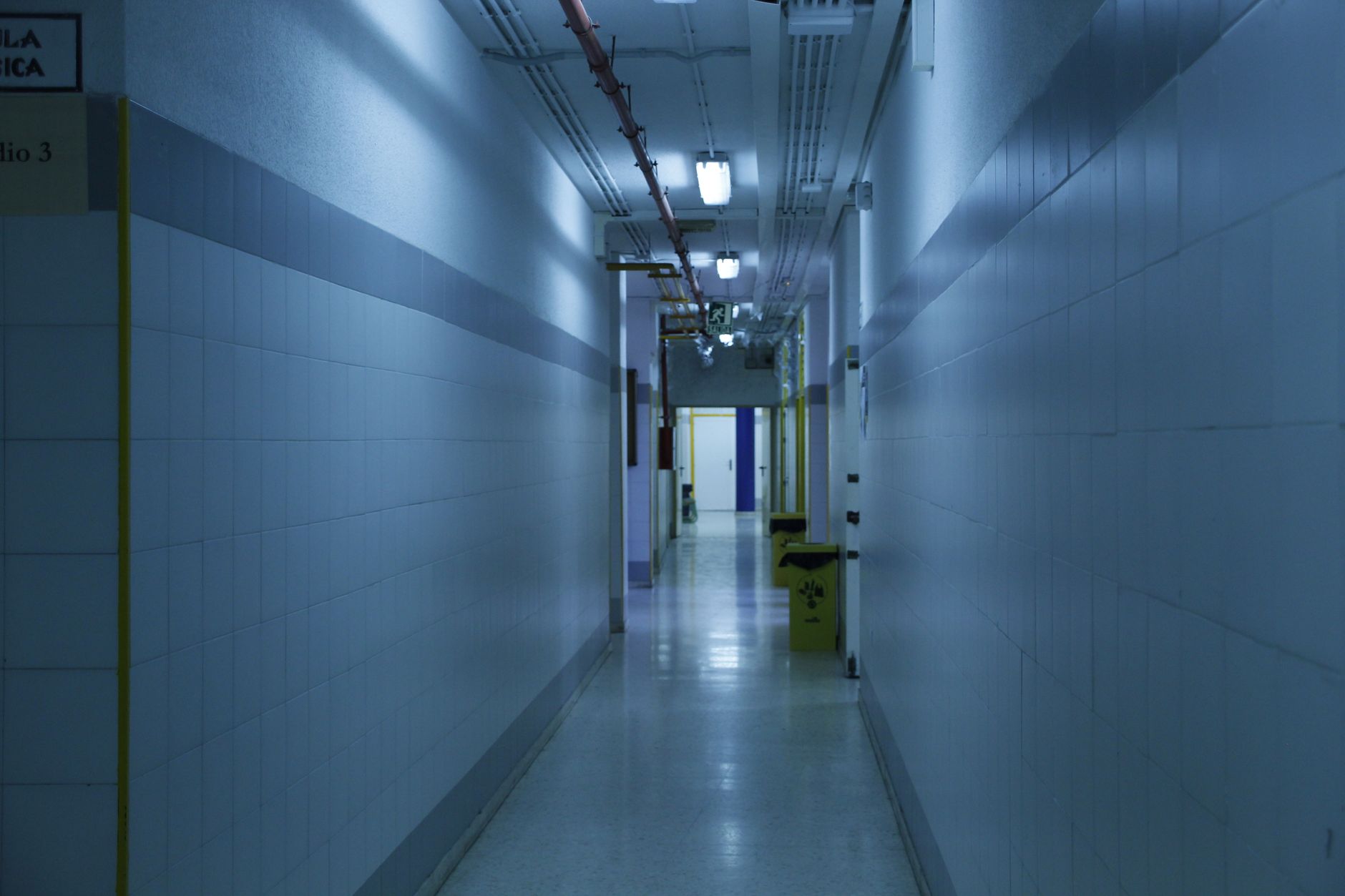
The best first route is usually not medication delivery to patients. It is a back-of-house or threshold-to-threshold loop that already happens on a predictable cadence and steals time from clinicians. Think clean linen restock, sealed snacks, activity supplies, paperwork, empty bin return, or meal tray transport between kitchen staging and a staff-controlled vestibule. These jobs are repetitive enough to prove the workflow and low stakes enough that a delay does not become a clinical event.
A medication transport robot can come later, after the unit trusts the machine, the handoff chain is tight, and staff can spot failure modes without debate. For the first pilot, avoid controlled substances, sharps, specimens, belongings handling, contraband-related workflows, and anything that would force staff to choose between calming a patient and chasing a stalled mission.
- Clean linen or gown restock between a supply room and a staff workroom
- Meal tray transport between kitchen staging and a staff-controlled unit vestibule
- Activity supplies, snacks, and paper goods to approved handoff points
- Document transport between staff-only stations
- Environmental services stock that moves on a repeatable schedule
How should you map routes on a locked unit?
On a secure unit, the lock is part of the workflow, not a nuisance to be abstracted away. In an FAQ updated April 22, 2026, The Joint Commission says a closed or secure psychiatric unit is a place where entrance to and exit from the unit are controlled by unit staff and a patient could not independently leave. Route design should begin from that reality. Every controlled door needs an explicit rule for approach, stop position, handoff, and failure behavior.
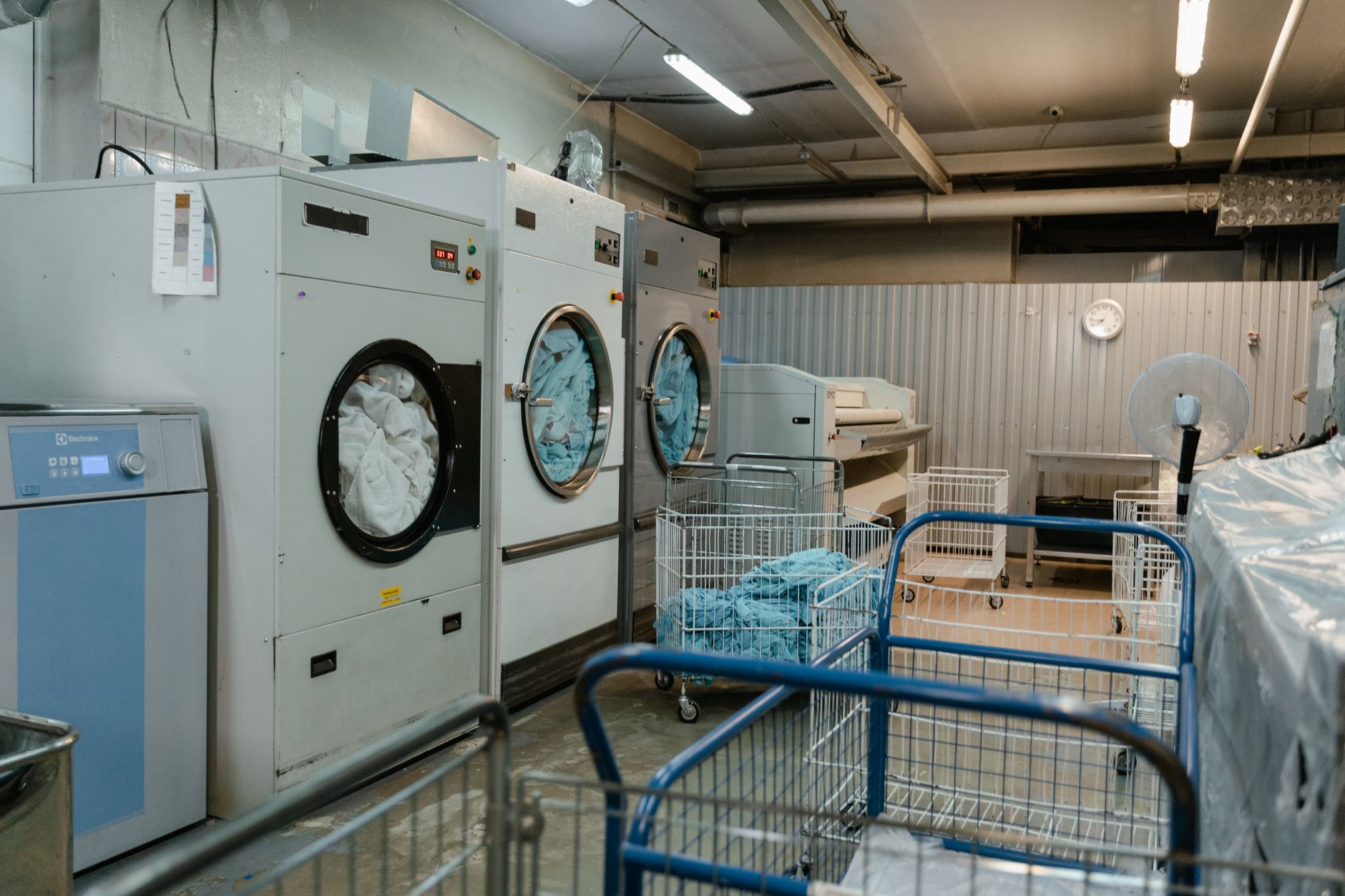
Map only the hallways you can keep observable and calm. Favor routes with clear sightlines, space for staff to step around the robot, and staging pads that do not narrow egress. Keep the dock out of bedroom sightlines if you can. Avoid blind corners, nurse station pinch points, doorway swings, and stretches that require the robot to pass directly through a cluster of waiting patients. If the unit spans multiple floors, prove the floor-level loop first and treat elevators as a later phase, not part of the opening pilot.
It also helps to think in layers. Build permanent no-go zones into the map, then add dynamic no-go rules for group times, admissions surges, visiting windows, and any period when staff say the unit feels activated. A route that works only on a quiet Tuesday is not ready for live behavioral health operations.
Staff scripting matters more than the map

Behavioral health units are intensely interpretive environments. Patients and families notice tone, novelty, and ambiguity faster than facility teams often expect. As of February 8, 2026, SAMHSA describes trauma-informed approaches around safety, trustworthiness, collaboration, empowerment, and avoiding retraumatization. That is a useful lens for robot rollouts too. The machine should arrive with language that is plain, predictable, and non-threatening.
Good scripts make the robot smaller in the social field. Staff should describe it as a delivery aid for approved items, not as surveillance, replacement labor, or a novelty attraction. Keep the explanation brief, consistent, and boring in the best way. If a patient appears distressed, staff should park the robot, remove it from the interaction, and continue the encounter without debating the technology.
- To staff: This robot only moves approved items between approved handoff points. If the hall is busy or a patient seems unsettled, stop it and take over.
- To patients: It is here to carry items for staff. You do not need to interact with it, and a staff member will handle your care.
- To visitors: It is part of a limited delivery pilot for staff use. Please give it space and follow staff directions at secure doors.
Build the locked-door workflow before go-live
Most behavioral health pilots succeed when they treat secure doors as handoff boundaries, at least at first. The robot approaches a marked wait point, announces arrival in the quietest available way, and waits for the assigned receiver. Staff open the door, clear the threshold, complete the exchange, and either send the robot back or continue the mission on an already approved interior segment. What should never happen is tailgating, lingering in a swinging doorway, or improvising access because someone is in a hurry.
For higher-trust payloads, the handoff rules need more discipline than the navigation stack. If the hospital eventually uses the robot for medication transport, keep it to sealed totes between licensed staff handoff points and keep the fallback manual path active. The Joint Commission's suicide-prevention requirements emphasize environmental risk assessment, staff training and competence assessment, reassessment guidance, and monitoring for patients at risk. A robot pilot should inherit that same seriousness. The route, the handoff, and the exception path all belong in written procedure before the first live run.
This is also where drills matter. Run blocked-door, no-receiver, battery-low, patient-approach, and fire-alarm scenarios before go-live. The goal is not to prove the robot is clever. The goal is to prove staff response stays calm and obvious when the robot stops being ideal.
Where should a robot never operate?
Some spaces are simply the wrong fit. The VA's Mental Health Environment of Care Checklist work found the highest-hazard areas in inpatient mental health units are the more private areas, especially bedrooms and bathrooms. On the same VA resource page, the agency reports checklist use was associated with inpatient suicide rates falling from 2.64 to 0.87 per 100,000 admissions. That is a reminder that environmental control is not decorative in behavioral health. It is core safety work.
Treat the first pilot's no-go map as a hard boundary, not a suggestion. A robot should stay out of any area where privacy, ligature risk, contraband control, seclusion, restraint response, or direct therapeutic engagement takes priority over efficiency. It should also clear out of spaces that become operationally fragile when a machine stops, turns, or draws attention.
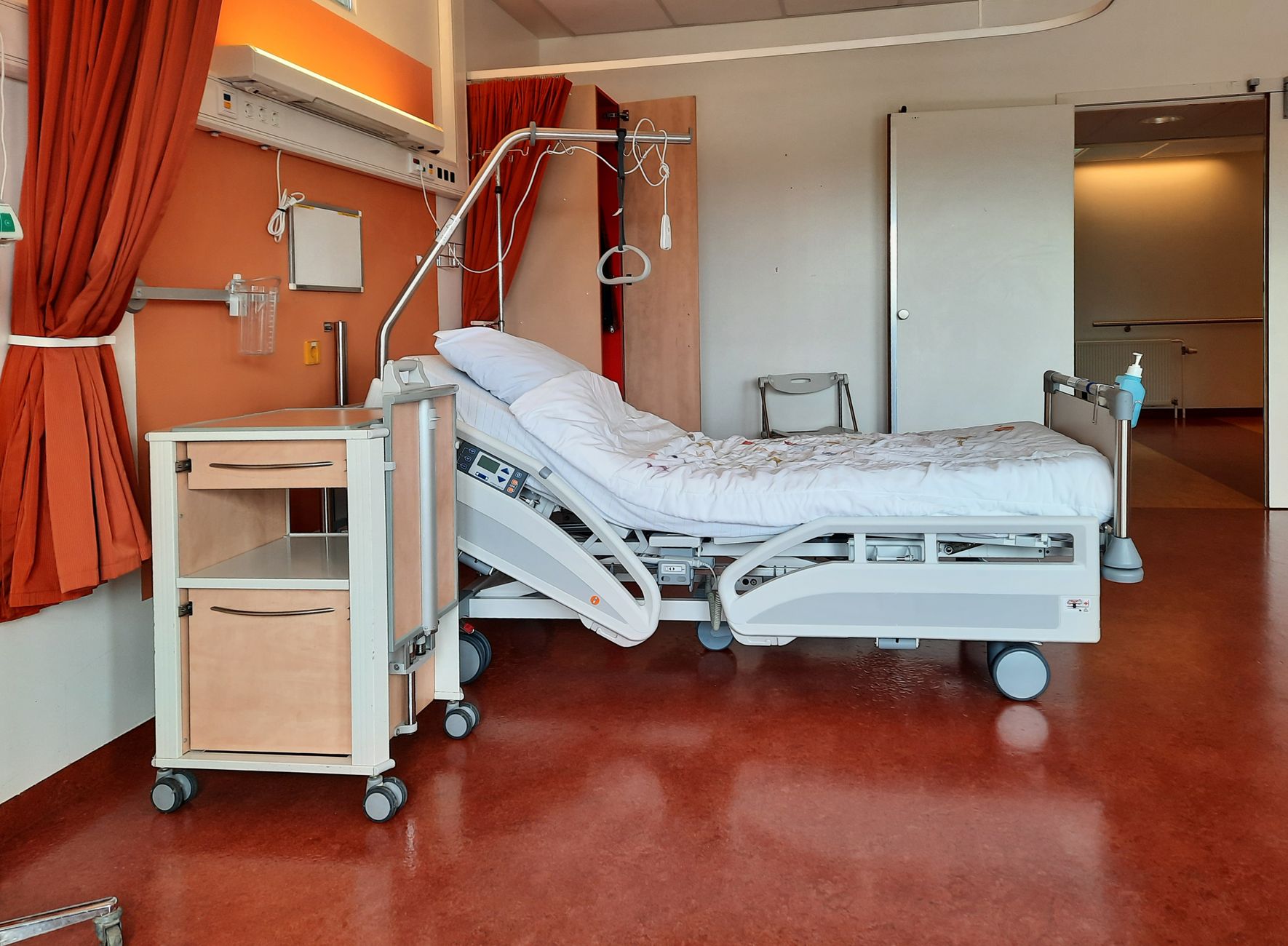
- Patient bedrooms, bathrooms, and shower rooms
- Seclusion rooms, restraint response areas, quiet rooms, and crisis intervention paths
- Admission search rooms and spaces used to secure belongings or contraband
- Medication rooms during pass, count, or reconciliation
- Group therapy rooms while sessions are underway
- Fire exits, stair landings, and corridor choke points where a stopped robot would narrow egress
What should you measure early in the pilot?
Trip count is not enough. In this setting, the real scorecard is calmer operations with fewer wasted staff miles and no new safety burden. Measure completed missions, manual assists, blocked-route events, threshold wait time, and missed handoffs. Track when staff abort a run on purpose too. Those are not failures if the abort rule is working as designed.
Perception belongs on the dashboard beside logistics. Ask charge nurses, mental health technicians, and environmental services leads if the robot is making the unit quieter or busier. Ask whether patients comment on it, ignore it, or gather around it. If the route repeatedly creates clustering, noise complaints, or awkward pauses at locked doors, redraw the workflow before you scale. A behavioral health pilot earns expansion by becoming ordinary.
- Completed missions without manual rescue
- Average handoff wait time at each locked threshold
- Blocked-route events, emergency stops, and abandoned trips
- Noise complaints or sleep-disturbance reports linked to the route or dock
- Staff time returned on the target loop and the share of runs that stayed on schedule
- Short staff and patient sentiment checks after the pilot begins
Why the deployment partner matters in a sensitive hospital
This is where a full-service commercial robot integrator earns its place. A behavioral health pilot is not just a commercial robot demo. It needs site assessment mapping, access-control planning, staff scripting, go-live support, service escalation, and a fallback plan for every missed handoff. Service Robot Co. works as a vendor neutral robot integrator for US businesses, so the process starts with the unit's risk profile and workflow, then matches the right machine to that reality.
That matters commercially too. Many hospitals prefer a hospital delivery robot lease structure for a first deployment because the pilot stays reversible and easier to govern. Service Robot Co. can handle robot deployment and integration, training, RoboCare™ service, and nationwide field service through one vendor for the lifecycle, with paths that range from an autonomous mobile robot lease pilot to a broader rollout once the workflow is proven.