Key takeaways
- Spec for textured rubber first. Smooth-floor assumptions fail fast on porous, high-grip gym surfaces.
- Demand proof on chemistry, brush pressure, water recovery, and traction in free-weight areas before you buy.
- The right robot for a gym is built around overnight floor care, edge work, and safe recovery from sweat film and chalk dust.
- A vendor neutral robot integrator matters because gym flooring, staffing windows, financing, deployment, and service all have to fit together.
What should a buyer prioritize first?
Start with the floor, not the robot brochure. Rubber gym flooring needs a machine that can clean textured, high-friction surfaces without leaving water behind, glazing the surface with residue, or losing traction in free-weight zones. If a robot performs beautifully on polished concrete but struggles with sweat film, chalk dust, and embedded grit in rubber pores, it is the wrong spec for your facility.
The buying short list is straightforward. You want verified compatibility with rubber-safe chemistry, enough agitation to lift sweat salts and body oils from texture, strong water recovery, stable traction on high-grip surfaces, and a route plan that supports an early-morning reset. In a fitness center cleaning robot, those factors matter more than marketing claims about maximum square footage.
That matters because the gym operating load is real. According to the Health and Fitness Association, 81 million Americans belonged to a fitness facility in 2025, and Americans made nearly 7 billion visits that year. Another HFA dataset found more than 184,000 visits per location in 2025 across nearly 11,000 U.S. fitness facilities. High traffic means more sweat, more tracked-in grit, and less tolerance for a failed overnight run.
Why does rubber behave differently from polished concrete, tile, or carpet?
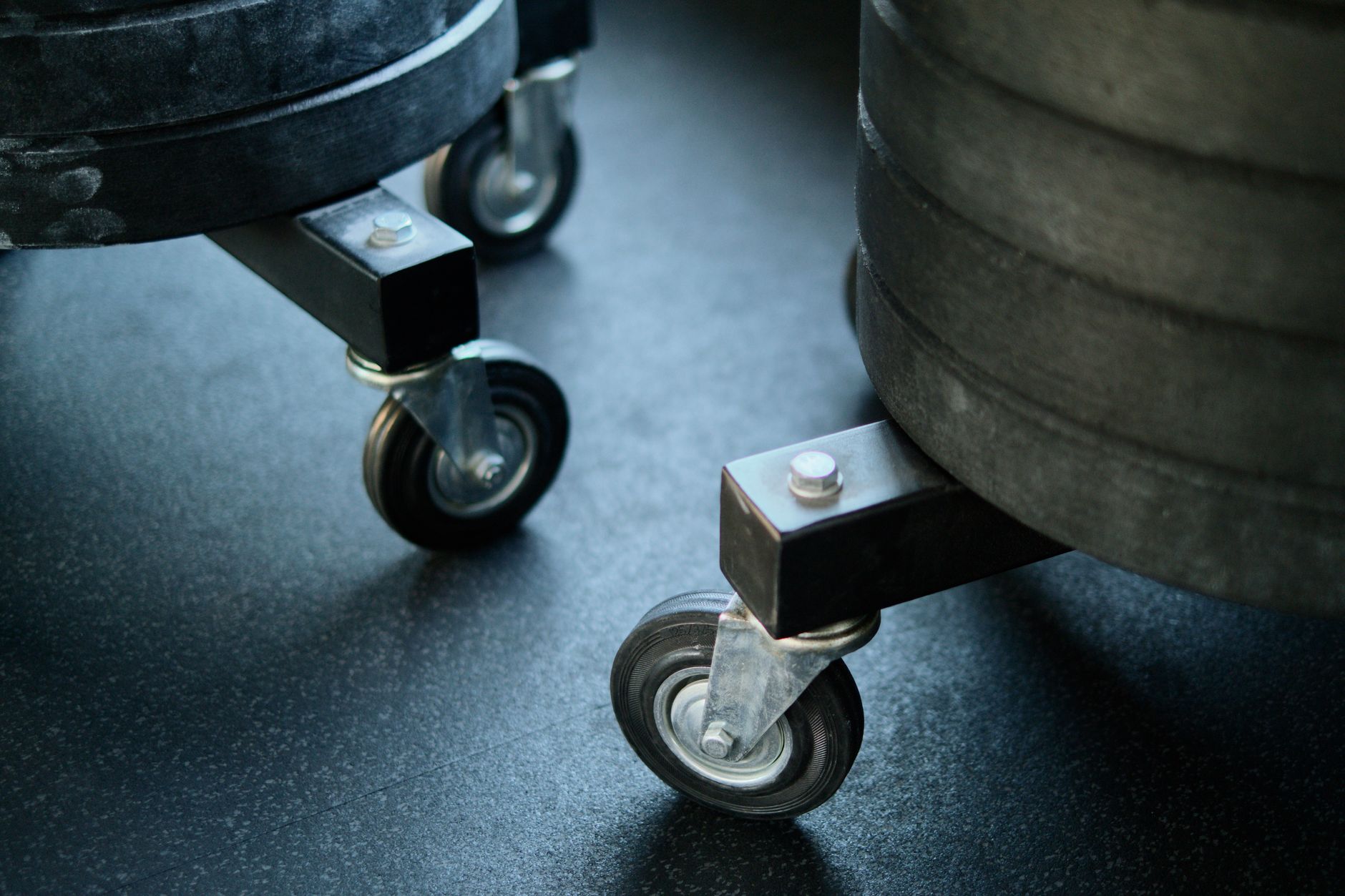
Rubber is not a forgiving surface. It has texture, drag, and enough porosity to hold onto fine debris and oily residue. A machine that glides easily on sealed concrete can draw more current, scrub less evenly, or leave a damp film when it hits dense rubber rolls or tiles. Carpet logic does not help either. You are not extracting fibers. You are managing surface friction and residue on a resilient athletic floor.
The chemistry window is narrower too. The EPA says cleaning removes dirt and organic matter, while disinfecting targets viruses and bacteria after that cleaning step. On rubber, that order matters because residue left behind by dirty water or the wrong detergent can make the floor feel slick under sneakers even when it looks clean.
Rubber flooring also punishes excess water. A U.S. rubber sports flooring maintenance guide recommends daily debris removal, neutral pH 7 to 9 cleaner, soft brushes or microfiber, and specifically says not to flood the floor. That is a useful buying filter for any commercial cleaning robot rental or lease rental or sale discussion. If the machine needs a lot of water to look effective, it is already a bad match for many gym floors.
What soils are you really trying to remove?
In most gyms, the problem is not generic dirt. It is a layered mix of sweat salts, body oils, chalk dust, rubber scuff, protein drink drips, tracked-in grit, and occasional sanitizer residue from daytime wipe-downs. Those soils behave differently from warehouse dust or lobby footprints. Oils bind fine particulates to the floor texture, and chalk can pack into low spots until the surface looks gray and tired.
Free-weight areas make that worse. Members move barbells, plates, benches, and sleds all day, which creates concentrated scuffing, dead spots, and edges the robot has to navigate without banging equipment or skipping the dirtiest lanes. According to the CDC, athletic facilities are a setting where MRSA can spread, and shared equipment should be cleaned after each use with close attention to surfaces that contact bare skin. The floor is not the only hygiene issue, but floor residue is part of the larger contamination pattern.
For spec purposes, ask vendors to classify your soil load by zone. Cardio decks usually need broad, frequent passes. Group fitness rooms need quiet, quick drying runs. Free-weight zones need stronger agitation, tighter edge coverage, and careful obstacle handling. That is how you choose a robot that fits your floor instead of forcing one cleaning profile across the whole building.
- Cardio areas: sweat film, drink drips, lint, and steady traffic
- Studios: skin contact, fast dry-time expectations, and close scheduling
- Free-weight zones: chalk, body oils, black scuffs, plate dust, and obstacle density
- Entries and locker transitions: tracked-in grit that acts like sandpaper on rubber
Which machine specs actually matter on textured rubber?
Brush and recovery matter more than headline tank size. Textured rubber usually responds better to soft brushes or pad systems that can reach shallow surface contours without polishing the soil into the floor. The recovery side matters just as much. If the squeegee leaves a damp film, your overnight cleaning no operator plan turns into a slip-risk problem by opening time.
Traction and drive control deserve scrutiny. A gym floor cleaner rental candidate should demonstrate stable starts, stops, and turns on high-friction rubber, especially when the surface has sweat residue in circulation paths. Machines that hesitate, spin, or overcorrect can miss coverage or smear dirty water across the route.
Then there is edge performance. Rubber gym floors collect visible grime along rack feet, wall lines, and under benches. A robot that only cleans its center path will make the middle of the room look better while leaving the perimeter dirty enough for staff to rework it by hand. That defeats the point of a night shift autonomous scrubber.
- Rubber-safe chemistry with neutral pH compatibility
- Soft-brush or appropriate pad pressure for textured resilient flooring
- Strong vacuum recovery with minimal water left behind
- Predictable traction on high-grip rubber and on slightly oily traffic lanes
- Tight edge reach near racks, mirrors, columns, and wall bases
- Map editing that lets staff exclude dense equipment clusters without losing the whole zone
How should free-weight zones change your spec?
Free-weight zones are where weak specs get exposed. The floor is usually thicker, more textured, and under more point loading than the stretching area or lobby corridor. You may have islands of movable benches, plate trees, racks, and floor jacks. That means more route interruptions, more narrow passages, and more debris trapped under edges.
Your robot does not need to go everywhere. It needs to go where autonomous coverage is practical, repeatable, and worth the labor trade. In many gyms, that means the robot handles the open runs and staff keep responsibility for the densest equipment pockets. A good spec defines that boundary up front instead of pretending one machine will replace every mop and detail pass.
Safety belongs in this conversation too. The U.S. Bureau of Labor Statistics reported 479,480 cases involving falls, slips, and trips with days away from work in 2024 across private industry. A rubber floor that looks clean but carries detergent film or standing water is not a win. In a weight room, it is a liability.
- Verify turning radius around benches and plate storage
- Test obstacle detection with bars, plates, and low-profile equipment feet
- Confirm recovery performance after a deliberately heavy soil load
- Define manual follow-up zones before launch, not after complaints start
What does a real overnight reset look like?
A credible overnight floor care plan starts with clock math. The robot has to finish after the last members leave, recover dirty water, recharge if needed, and leave enough dry time before the first 5 a.m. check-in. If your early-morning staff still have to chase wet spots or restart failed missions, the automation is not carrying its share of the reset.
HFA says the average commercial fitness location logged more than 184,000 visits in 2025, up 4.2% from 2024. That kind of usage means operators should spec for repeatability, not hero runs. You want scheduled cleaning windows, exception alerts, and a simple handoff to opening staff. The best gym cleaning robot rental programs are judged by how boring the morning looks. Quiet floor, no puddles, no residue, no scramble.
This is also where support model matters. Service Robot Co. works as a full-service commercial robot integrator for U.S. businesses, so the spec can include finance, deployment, integration, staff training, and service coverage from the start. For buyers evaluating robot leasing for business, that matters because overnight cleaning depends on uptime, not on who manufactured the chassis.
- Start and finish within your true closed window
- Include dock access, refill and drain logistics, and recovery checks
- Set alerts for missed zones, low battery, and poor pickup
- Measure opening-condition results, not just completed mission status
What should you demand in a pilot or demo?
Ask for a dirty-floor demo on your own rubber, not a polished showroom. Use your actual chemistry if it is rubber-safe, or an approved equivalent. Seed the route with the soils you fight every day: chalk, entrance grit, sweat residue, and scuffing in a free-weight lane. Then inspect the floor under side light, not just under bright overhead fixtures.
A useful pilot compares before and after conditions in specific zones and repeats the run enough times to show consistency. One clean lap on an easy night proves almost nothing. You need to know what happens after several nights, with equipment moved, traffic patterns changed, and the floor carrying real oil and dust.
This is where an OEM-neutral partner earns its keep. Service Robot Co. can spec across manufacturers, then finance, deploy, integrate, train, and service the fleet through a nationwide U.S. engineer network. If you want one partner, one number, and a robot that fits your floor rather than a single-brand sales pitch, that operating model is the point.
- Run the pilot in cardio, studio, and free-weight zones
- Measure dry-back time, edge cleanliness, and residue underfoot
- Review maps for skipped areas and false obstacle stops
- Test operator handoff with your own closing and opening staff
- Document service response expectations before expansion
How should operators think about rental, lease, or purchase?
The surface spec comes first, then the commercial structure. A fitness operator may prefer a commercial cleaning robot rental, a robot rental monthly arrangement, or a lease purchase program, but none of those financing shapes fixes a bad floor match. Start by proving that the machine can clean rubber correctly and recover reliably in your schedule window.
After that, compare models based on uptime risk, maintenance included terms, training burden, and service coverage. In practice, many buyers value predictable monthly spend, no upfront capital, and a clear service path more than outright ownership. That is especially true for multi-site groups that need standardized overnight floor care without building an in-house robotics team.
The right buying frame is simple. Spec the floor, spec the workflow, spec the support. Then choose the commercial path that fits your balance sheet. A vendor neutral robot integrator can keep those decisions tied together so the machine, the service plan, and the operating reality do not drift apart after go-live.
Frequently asked questions
Sources
- Health & Fitness Association - 81 million members in 2025
- Health & Fitness Association - 2025 traffic per facility
- Health & Fitness Association - 77 million members and usage patterns
- CDC - When and how to clean and disinfect a facility
- CDC - MRSA prevention in athletic facilities
- EPA - Difference between cleaning, sanitizing, and disinfecting
- U.S. Bureau of Labor Statistics - Injuries, illnesses, and fatalities data
- REGUPOL rubber flooring maintenance guide PDF