Key takeaways
- The Service Level Agreement (SLA) is as important as the robot's hardware; it is your written guarantee of operational uptime.
- Key SLA components to scrutinize are guaranteed response times, uptime percentages, preventative maintenance schedules, and parts availability.
- Proactive, scheduled maintenance costs less and prevents more failures than reacting to breakdowns after they occur.
- The cost of a single hour of unplanned robot downtime can range from thousands to over two hundred thousand dollars, making the SLA critical to ROI.
- Working with a single, vendor-neutral integrator simplifies service for a diverse fleet, providing one point of contact for all maintenance and repair.
What is a Robot SLA and Why Does It Matter?
When you acquire a commercial robot, you are buying more than a piece of hardware. You are investing in a capability, a task performed reliably every day. That reliability is governed by the Service Level Agreement, or SLA. This document is the promise of uptime that accompanies your machine, and it is every bit as critical as the robot's technical specifications.
A strong SLA is your operational insurance policy. It defines the service provider's commitments for keeping your robots online and productive. The core components of a robot SLA are clearly defined response times for service requests, a guaranteed percentage of uptime, a schedule for proactive preventative maintenance, and a commitment to parts availability.
Without a detailed SLA, you are left with ambiguity when a machine goes down. How quickly will a technician respond? Who pays for the repair? How much operational time can you expect to lose per year? A well-structured agreement answers these questions upfront, protecting your investment and ensuring your robot delivers the value you expect.
How Should an SLA Define 'Guaranteed Response Time'?
The term "response time" is one of the most vital metrics in a robot SLA, but it must be clearly defined. It does not mean resolution time. It is the maximum period between when you report an issue and when the provider begins actively working to resolve it.
This response should have two stages. The first is remote triage, where a technician accesses the robot's diagnostics remotely to identify the problem. Many issues, with some studies showing software or control system issues cause 42% of downtime events, can be fixed this way without an on-site visit.
If the problem is mechanical or cannot be fixed remotely, the SLA must specify a window for on-site dispatch. This is the guaranteed time it will take for a qualified field engineer to arrive at your facility. Look for specific timeframes, such as four hours, eight hours, or next business day, and ensure they align with your operational needs.
What Is a Realistic Uptime Guarantee?
An uptime guarantee is the percentage of scheduled operating hours that the robot is expected to be functional. This figure seems simple, but the details are important. For instance, a 99.9% uptime guarantee allows for about 8.76 hours of downtime a year, whereas a 99.99% guarantee allows for just over 52 minutes.
The cost of failure makes this metric vital. Depending on the industry, unplanned downtime can cost a business anywhere from a few thousand dollars to over $260,000 per hour. Your SLA should clearly state how uptime is calculated, the reporting period, and what events are excluded, such as downtime from user error or failure of facility infrastructure like Wi-Fi.
For mission-critical operations, a high uptime percentage is not enough. Look for an SLA that includes a backup robot program or spare unit coverage. This ensures that if a unit goes down for an extended period, a loaner unit is provided to maintain operational continuity, effectively creating a zero downtime guarantee for your workflow.
Why is a Preventative Maintenance Schedule Non-Negotiable?
The most effective service strategy is proactive, not reactive. Waiting for a robot to fail costs an estimated 25-30% more than performing scheduled maintenance. A robust SLA will detail a preventative maintenance (PM) plan, shifting your service from costly emergency repairs to predictable, scheduled upkeep.
This schedule should be specific, outlining tasks to be performed on a daily, monthly, quarterly, and annual basis. These are not just superficial checks. They involve concrete actions like cleaning sensors, checking cable integrity, tightening mounting bolts, replacing backup batteries, and lubricating mechanical axes according to the manufacturer's specifications.
Studies show that a well-executed preventative maintenance program can reduce unexpected robot downtime by 30-50%, and in some cases up to 70%. This not only improves reliability but also extends the operational life of the equipment, maximizing your long-term return on investment. The PM schedule is a clear indicator of a service provider's commitment to your success.
What Does the SLA Promise About Parts and Technicians?
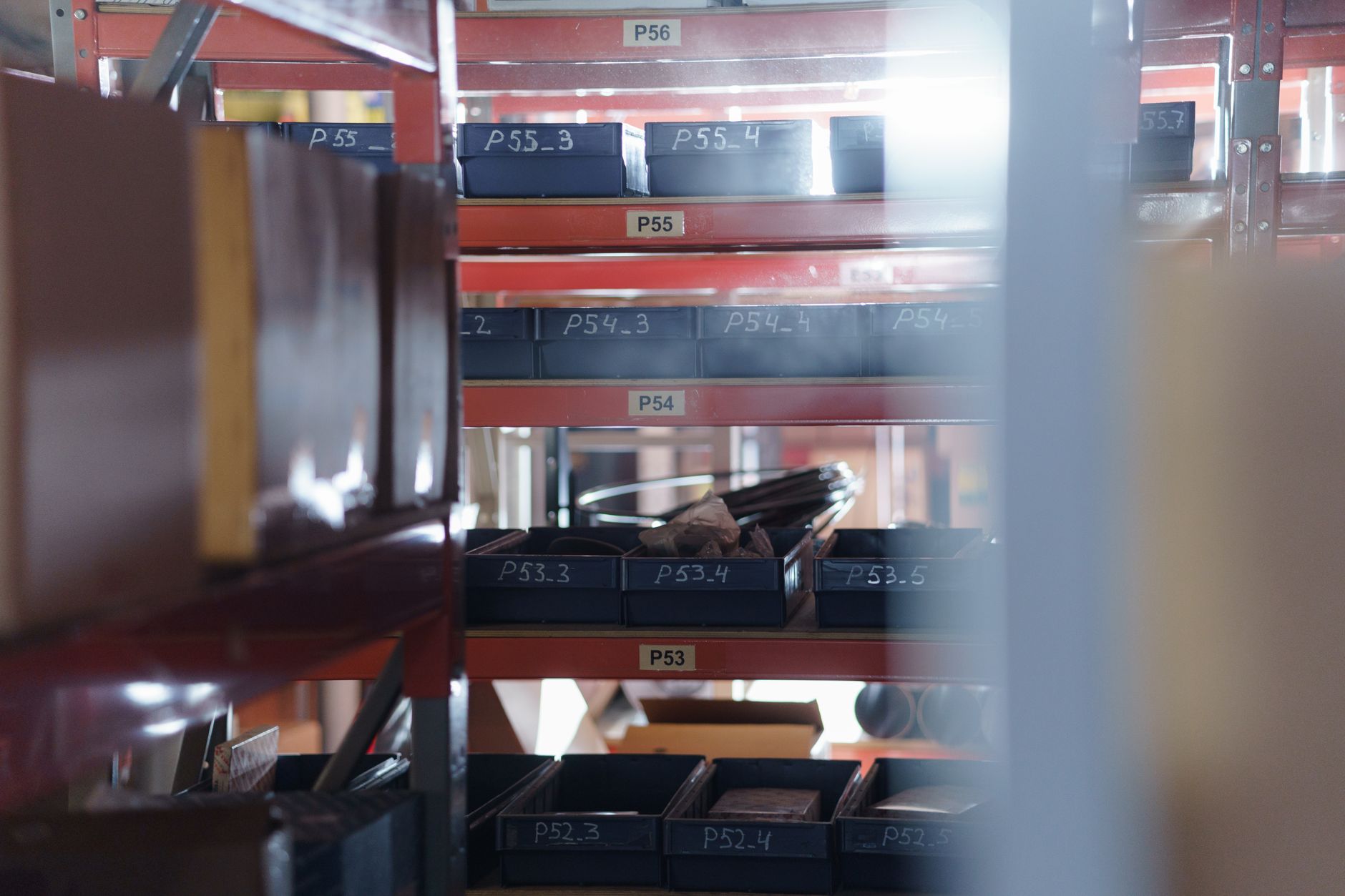
A fast response time is meaningless if the technician arrives empty-handed. A thorough SLA must address parts availability. It should specify that the service provider maintains a stock of critical replacement parts and define the logistics for getting those parts to your location.
This is where the structure of the service provider becomes a key consideration. A partner with a nationwide US engineer network, like Service Robot Co., is positioned to deliver on aggressive SLAs. By staffing its own field engineers and stocking parts regionally, it avoids the delays common with subcontracted labor or centralized parts depots located across the country.
The value of this integrated approach grows as you scale. If your business operates a diverse fleet of robots from different manufacturers, managing multiple service contracts becomes a logistical burden. A vendor-neutral robot integrator provides one partner and one number to call for any issue with any machine. This unified support structure, covering everything from pallet movers to collaborative robot arms, is a powerful operational advantage.
How Does a Robotics as a Service (RaaS) Model Affect the SLA?
The Robotics as a Service (RaaS) model, where you pay a monthly subscription instead of purchasing the robot outright, places even greater emphasis on the SLA. With RaaS, you are paying for an outcome, not just a machine. The service agreement is the core of the contract.
The global RaaS market is projected to grow from $1.8 billion in 2023 to $4.0 billion by 2028, according to MarketsandMarkets, because it bundles hardware, software, and service into a predictable operating expense. This approach, often available with no upfront capital, eliminates surprise repair bills and aligns the provider's financial success directly with your robot's uptime.
In a RaaS agreement, all aspects of the SLA, from emergency response to routine maintenance and parts, are typically included in the monthly payment. This makes it a compelling option for businesses seeking to automate without taking on the complexities of asset ownership and maintenance management.
What Happens When the Provider Fails to Meet the SLA?
A proper SLA works both ways. It sets expectations for you, the customer, regarding proper use and care. It also establishes penalties for the provider if they fail to meet their contractual obligations. These are often called service credits.
If your provider fails to meet the guaranteed uptime percentage or respond within the specified time, the SLA should entitle you to a credit on your next service invoice. The value of the credit should be tiered based on the severity of the failure.
The agreement should also define an escalation path. If a technical issue persists or service is not meeting expectations, you need a clear, documented process for escalating the problem to higher levels of management within the service organization. This ensures critical issues receive the attention they require in a timely manner.
How Can Deployment and Training Reduce Service Calls?
Long-term reliability begins on day one. An often-overlooked aspect of service is the quality of the initial deployment and integration. A rushed or poorly planned installation is a leading cause of future service calls.
Your service partner should begin with a detailed site assessment and mapping to ensure the environment is optimized for robotic operations. This is followed by professional installation and go-live support, where technicians remain on-site to observe the robots in your actual workflow and make immediate adjustments.
Thorough staff training is the final component. When your team understands how to properly operate the robots, perform daily user maintenance, and identify minor issues before they become major problems, it dramatically reduces operator-induced errors. At Service Robot Co., we manage this entire lifecycle, from the initial site assessment to ongoing maintenance, ensuring a smooth transition and a lower total cost of ownership.