
Key takeaways
- Pair robot run reports with ATP swabs taken from fixed sites at a fixed time window.
- Use ATP to verify the cleaning process, not to claim a robot disinfected or proved sterility.
- Build device-specific baselines because CDC says ATP has no standardized clean threshold across surfaces.
- Treat failed swabs as triggers for re-cleaning, root-cause review, and SOP changes, not marketing copy.
What actually proves a robotic cleaning run worked?
The cleanest way to verify a robotic cleaning program is to pair robot run data with ATP swabs taken from the same critical sites, at the same time window, by the same method. The robot report tells you coverage, route completion, dwell, and exceptions. The ATP result tells you if organic residue was still left behind after the process.
That distinction matters. The CDC says ATP bioluminescence indicates organic material on a surface, not a universal state of safety, and the agency also notes there is no standardized post-clean ATP threshold across surfaces or care areas. So ATP should be used to validate a cleaning process, not as a shortcut claim that a machine disinfected, sterilized, or outperformed every other method.
In practice, outcome verification means six habits done consistently: pick fixed sites, build a baseline, swab at a repeatable time, review trends, trigger corrective action on misses, and keep robot telemetry tied to every sample set. If a reader stopped here, that is the playbook.
- Pick fixed, risk-based ATP sites.
- Use one meter, one swab method, and one timing window.
- Track ATP results beside robot route data.
- Review trends weekly.
- Trigger corrective action on misses and document it.
Why robot reports need a second layer
Robot reports are necessary, but incomplete. An autonomous industrial cleaning robot can prove that a route was launched, where it traveled, how long it scrubbed, and where it paused or failed. It cannot, by itself, prove that soil load, splash residue, or organic carryover at your highest-risk points ended the shift inside your hygiene standard.
That gap is not academic. According to the CDC, 48 million people in the United States get sick from foodborne illness each year, 128,000 are hospitalized, and 3,000 die. CDC also reports that on any given day about 1 in 38 hospital patients has at least one healthcare-associated infection. In facilities where sanitation failure carries regulatory, clinical, or brand risk, reported coverage is not enough.
ATP closes part of that gap because it is fast and objective. Used well, it helps a team see where the process drifts: a corridor that looks fine on the map but keeps failing after carts stack there, a prep-area threshold that spikes after a drain backup, or a med-room approach that slips when the route gets shortened to save battery.
Which surfaces belong in your ATP route?
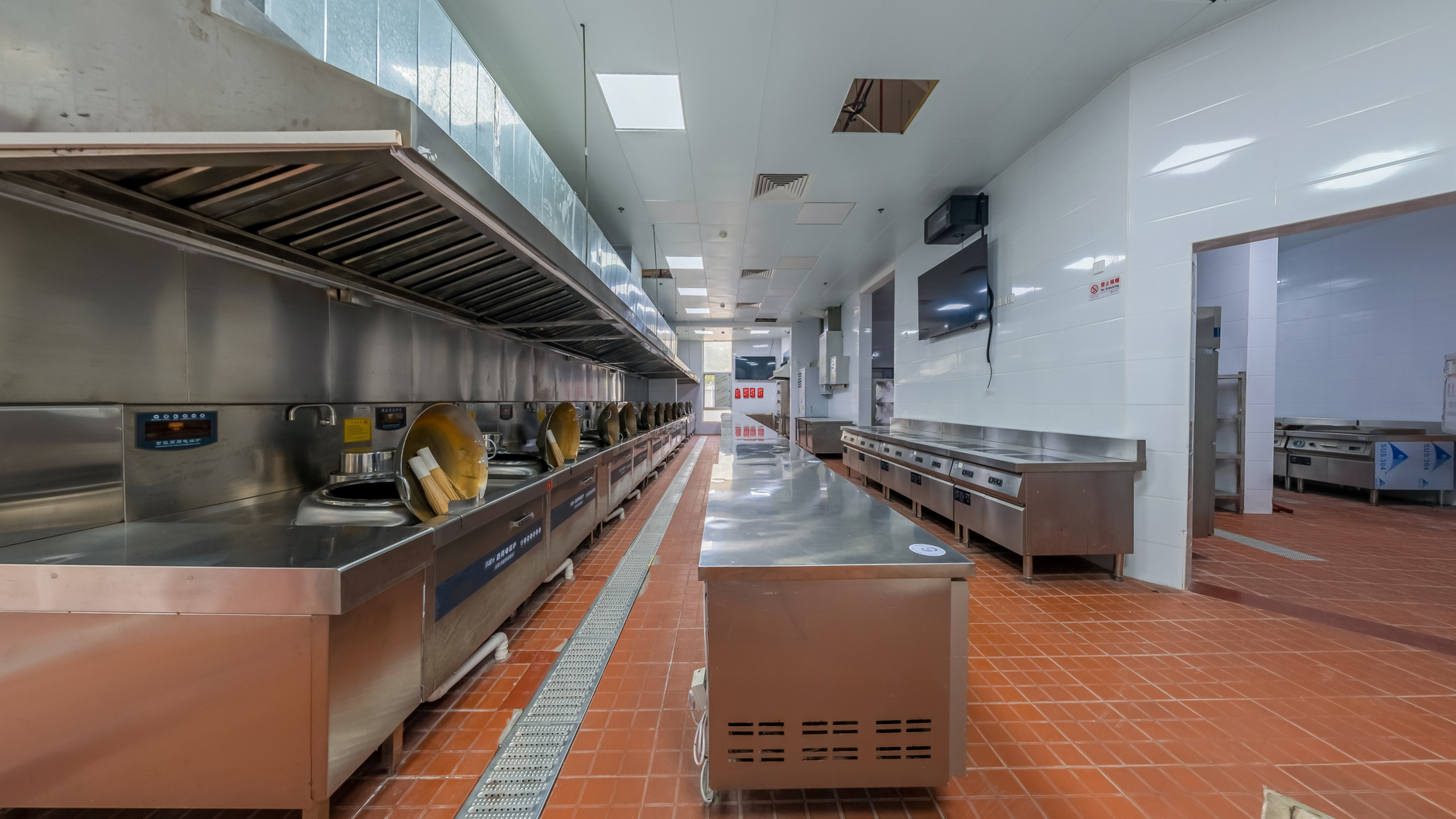
Start with a site panel that reflects transfer risk, not convenience. Pick places where residue can move from floor or low surface to wheels, footwear, carts, splashes, or gloved hands. Keep the panel fixed long enough to produce a trend. Random spot checks have a place, but they should sit on top of a stable core route, not replace it.
Avoid building the route around easy open runs that almost never fail. The point is to monitor the few places where a miss matters most. If your robot only cleans hard floors, keep most ATP sites on those cleaned surfaces, then add a small number of adjacent transfer points to confirm the cleaning process is containing residue where it should.
- Food and beverage: thresholds into ready-to-eat rooms, drain surrounds, floor-wall junctions beside prep lines, cooler entries, and cart staging zones.
- Healthcare: bathroom thresholds, bed-adjacent floor perimeter, nurse station toe-kicks, soiled utility approaches, and equipment parking zones.
- Other hygiene-sensitive sites: lab gowning entries, pharmacy ante-areas, senior living dining-room service lanes, and school health clinic approaches.
Set baselines before you start grading runs
Because ATP devices do not come with a universal clean number, your baseline has to be local. The CDC explicitly notes that ATP lacks a standardized threshold, and interference can come from chemistry and surface type. Build your baseline with the exact meter, swab type, chemistry, surface material, and sampling technique you will use in production.
A useful baseline compares like with like. Separate a wet dock threshold from a dry packaging aisle. Separate overnight cleaning from mid-shift recovery. Separate a stainless threshold that sees chemical splash from sealed concrete in a quiet corridor. The goal is not a single heroic number. It is a dependable pass band for each risk class.
During rollout, collect repeated readings over several weeks to understand spread, not just average. If one site swings wildly while the rest stay tight, that is already telling you something about traffic, soil load, or sampling discipline. Write the baseline down in the SOP and treat vendor brochure targets as irrelevant unless your own process confirms them.
Timing matters more than most teams expect
ATP timing has to be boringly consistent. Swab too early and you may read chemistry or wet residue instead of the settled post-clean state. Swab long after reopening and traffic will contaminate the signal. The clean window is the same point in the cycle every time: after the cleaning step is complete, after the label contact time for any disinfectant has elapsed, and before regular traffic resumes.
This is especially important because CDC guidance notes that cleaning products and even materials such as bleach, microfiber, and stainless steel can affect ATP readings. That means you cannot compare a swab taken right after a wet pass on one shift with a swab taken after dry-down on another and call it trend data. Timing, chemistry, and surface condition must travel together.
For food plants, that often means swabbing before start-up. For hospitals and clinics, it may mean after terminal or overnight cleaning and before the morning rush. For 24-hour sites, define a controlled quiet interval and stick to it. Consistency beats speed.
Review trends, not isolated swabs
Single failures matter, but trends are what manage a program. Review percent pass, repeat failures by site, median score by zone, and changes after route edits, pad changes, or training updates. A robot floor report and an ATP dashboard should live side by side, because the useful question is not did this run finish. It is what changed when this site drifted.
CDC's healthcare cleaning guidance gives a disciplined model for cadence. In inpatient settings, the agency says routine monitoring should happen at least weekly, covering at least 5 percent of beds in facilities with 150 beds or more, or a minimum of 15 patient care beds or areas in smaller hospitals. If resources allow, CDC says 10 to 15 percent of beds should be monitored weekly during the first year. For outpatient settings, CDC recommends monitoring at least 10 to 15 percent of exam or procedural areas weekly.
Non-healthcare sites do not need to copy those exact percentages, but they can borrow the logic. Sample routinely, sample enough to detect drift, and increase frequency when you launch a new route, change chemistry, retrain crews, or see repeat misses in a zone.
What should happen after a failed result?

A failed ATP swab should trigger a prewritten response, not debate. Re-clean the area, reswab if your SOP requires it, inspect the robot log, and document what changed. The FDA's environmental sampling guidance is clear that sanitation controls should be monitored and verified, prompt corrective action should follow when problems arise, and records should be maintained.
Escalate when the same site fails twice or when failures cluster by route, shift, or crew. That is the point to adjust the path, add manual pre-cleaning, change the sampling window, or revise maintenance intervals. ATP is most useful when it forces action at the first sign of drift, not after a monthly summary.
- Blocked or skipped route segments that left the soil-prone edge untouched.
- Worn pads, brushes, squeegees, or low-fluid conditions that reduced actual cleaning.
- Wrong chemistry, wrong dilution, or contact time not achieved.
- Unplanned soil events such as leaks, drain backups, or heavy wheel traffic.
- Sampling error, including a different swab area, different timing, or a new operator with no calibration.
Make ATP validate the process, not the machine
The biggest mistake is turning ATP into a marketing prop for a machine. On September 24, 2024, the FDA warned a food producer that finished product had been released on multiple occasions in May 2024 with ATP results above the firm's own limit, justified largely by averaging internal results and rerunning suspect samples. That is the wrong lesson from ATP. You do not average away a failure.
A different FDA warning letter, dated July 8, 2020, criticized a facility whose sanitation policy relied on daily ATP swab testing but did not spell out the organism or indicator, the number and location of sites, the timing and frequency, the method used, and the lab support. In other words, ATP without a written system is just data exhaust.
Use ATP to validate the process. Keep the claim narrow and true: this cleaning process, on these sites, under these conditions, stayed inside control limits or triggered corrective action when it did not. That protects food safety, infection prevention, and procurement discipline far better than any glossy robot score.
Where Service Robot Co. fits in rollout and upkeep
This is where an integrator earns its keep. Service Robot Co. is an OEM-neutral commercial robot integrator for US businesses, so the ATP playbook does not have to change every time a site adds a new commercial robot cleaner, an autonomous floor scrubber lease, or a commercial cleaning robot lease under a leasing arrangement. One verification method can sit above mixed hardware.
For operators comparing purchase or lease, robot leasing for business, monthly payment programs, or an outright purchase, the cleaning outcome still needs the same bones: route data, sampling SOPs, staff training, and corrective-action discipline. Service Robot Co. handles financing, deployment, integration, training, and service through a nationwide US engineer network, which helps keep the robot reports, the ATP routine, and the maintenance record moving together through the full lifecycle.
That matters when a site grows from one pilot to a larger fleet. RoboCare™ service plans, remote triage, on-site dispatch, and emergency response nationwide are operational advantages only if the verification method survives turnover, route edits, and equipment swaps. One vendor for the lifecycle is useful because one accountability chain tends to keep the cleaning proof intact.