
Key takeaways
- Vendor support promises often end early, so the end of support needs a written date.
- Spare parts access needs a named guarantee with lead times and critical spares.
- Export maps, logs and work orders before termination, not after.
- Escrow helps only when the deposit can be built and run, so test it.
- Set handoff, refund and notice terms before the lease is signed.
What should a robot service agreement cover if the vendor leaves?
A robot vendor can leave the market long before a lease ends. When it does, the facility is left with machines that still need parts, software that still needs updates and operating records that belong to the operator. The service agreement decides which of those survive the exit.
Four areas carry most of the risk: spare parts access, data export, software continuity and the service handoff. Each needs a written term, a named trigger and a deadline. A general promise to keep supporting the fleet does very little once a vendor is closing its doors.
The examples below come from public reporting and mostly involve consumer and security robots, not commercial fleets. They still expose the same weak points that appear when a contract stays silent on exit.
Why do support promises fail when a vendor exits?
The Robot Report covered Vorwerk's decision to close Neato Robotics, the robot vacuum maker. A Yahoo News item reported that Neato had backtracked on a promise to support its robots for five years and ended cloud support at about the two year mark. For owners, the lesson concerns the cloud link: when the service behind a device ends, the features that depended on it can end with it.
Amazon's Astro for Business followed a different path. Per TechCrunch's July 2024 report, Amazon discontinued the security robot, and customers with prepaid Astro Secure fees were refunded for unused portions. A refund settles the money, but it does not put a patrol back on the floor.
iRobot reportedly applied for bankruptcy protection in December 2025, according to a secondary report. Coverage of that case left unclear whether spare parts would stay available for older models. An operator should never have to guess on that point.
What should spare parts access guarantee in writing?
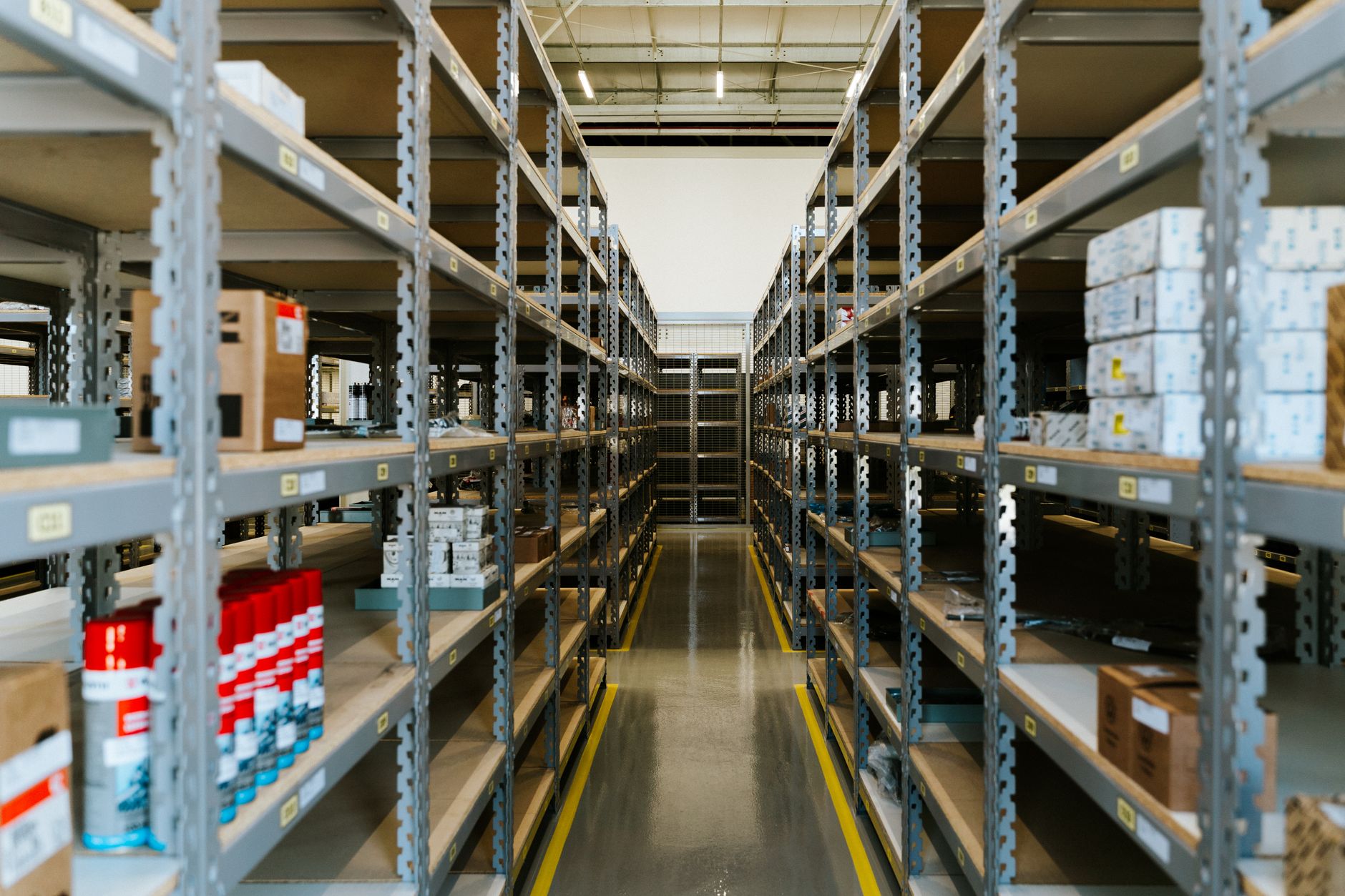
Spare parts are what a stranded operator needs first and what a sales conversation mentions last. Ask which parts the vendor stocks domestically, and negotiate a spare parts availability guarantee that names the parts, the lead times and the response if stock runs out. Robotomated's vendor checklist adds that critical spares may be held independently, which gives a site a path that does not depend on the vendor's warehouse staying open.
Ask also for a spare unit or loaner term with a response window, so a zone keeps running while a machine is in the shop. Written down, the term turns a vague promise into something a facility manager can enforce on a Tuesday morning.
How do you export maps, logs and records before termination?
Maps, run logs, cleaning records and work orders often live on the vendor's platform, not on the facility's own systems. Write a clause that requires export in a documented, usable format on request and at termination, with a deadline measured from the notice date. Without that clause, a facility can lose the history it needs to rebuild a route.
Ask two more questions before signing. Can each robot run without the vendor's cloud services, and can the hardware transfer to a new owner or operator? The answers decide how much of a fleet can keep working after a shutdown, and they belong in the contract as written commitments, not in a sales call.
Does software escrow keep a robot fleet running?
Source code escrow has the vendor deposit its code and supporting materials with a third-party agent. Release is typically tied to events such as bankruptcy, service disruption, failure to meet support levels or abandonment, as an SCL article on source code escrow describes. The deposit exists so that the code can reach the people who need it.
Escrow alone may not restore service. Code has to be usable and maintainable, which is why higher escrow tiers include source code analysis and compile testing, according to Compact's article on escrow. A deposit that nobody can build is a file, not a fallback.
For cloud-linked systems, escrow should go further. Beancount's guide to software escrow notes that hosting environments, database structures, credentials and system configurations belong in the deposit, because source code alone does not restore a cloud service. The same guide says escrow is best arranged before signing rather than after a problem, so settle the release triggers and the verification test in the contract.
How should the service handoff be written?
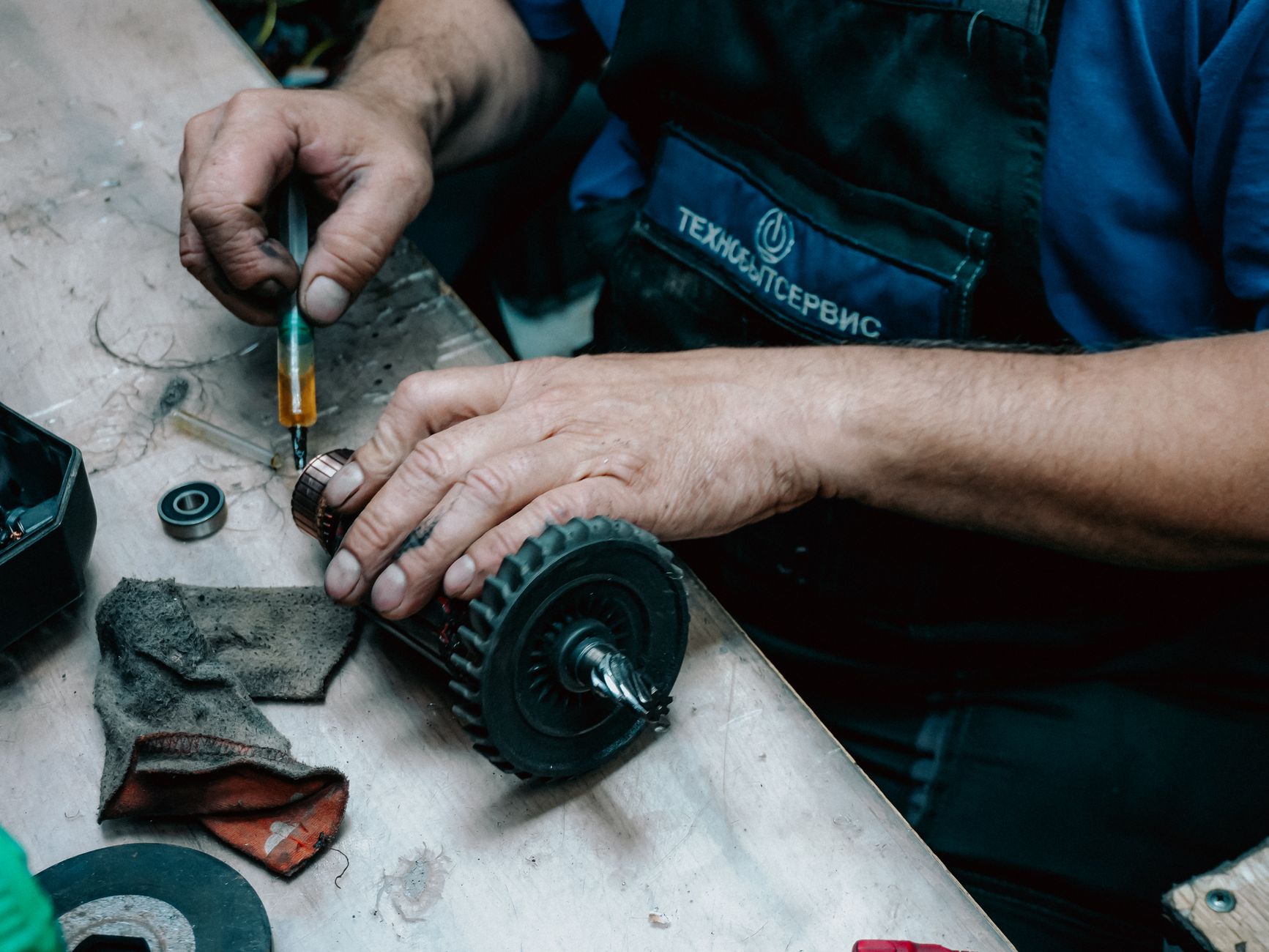
Handoff is where a facility loses hours. Write down who answers the first call, how remote triage works and how on-site dispatch is sequenced, with response windows for each step. If the vendor stops operating, name a successor or step-in rights, and require that technician records move with the fleet.
Service Robot Co. works from a single contract. We are OEM-neutral, so we pick the right robots across manufacturers, then lease them through financing, deploy, integrate, train and service every unit under RoboCare, backed by regional service engineers in every state we service. An operator has one counterpart to ask about handoff, instead of several vendors to chase.
Which lease terms should cover a change in vendor?
A 3-year robot lease runs long enough for a vendor, a software licensor or a service provider to change hands. Ask that the lessor, the service provider and any software licensor be named separately, so a change in one party does not leave the others unclear. Confirm what happens to leased units, service coverage and data if any party exits, and how much notice the facility receives.
Refund terms for prepaid service deserve the same attention. The Astro case ended with refunds for unused portions, and a contract should spell out the refund rule in advance instead of leaving it to whatever the vendor decides at closing. Our commercial robot leasing begins with a site assessment and a fixed lease quote on a 3-year lease, and those terms can be checked in writing before anything is signed.
What belongs on the pre-signing checklist?
Use the list below as a redline. Each item should appear as a clause, with a responsible party and a deadline, before a lease quote becomes a signed agreement.
- Named escrow agent, deposit schedule and release triggers
- Written notice period before end of support, with the end date stated
- Export format and deadline for maps, logs and work orders
- Spare parts guarantee with lead times and a named list of critical spares
- Spare unit or loaner response window
- Transition assistance period and transfer of technician records
- Refund rule for prepaid service fees
- Confirmation that each robot runs without vendor cloud services, or a documented fallback
Frequently asked questions
Want a robot working for you?
Tell us the job and the site. We will recommend the robot, quote the lease, and keep it serviced.
Sources
- The Robot Report: Vorwerk Group closing Neato Robotics
- Yahoo News: Neato backtracks on robot support promise
- TechCrunch: Amazon discontinues Astro for Business
- inkl: iRobot bankruptcy report
- SCL: Source code escrow arrangements and business continuity
- Compact: Escrow and source code analysis for software continuity
- Beancount: Software escrow agreements guide
- Robotomated: Robot vendor due diligence checklist