Key takeaways
- For indoor pickleball, dry debris pickup and low-residue scrubbing matter more than raw tank size.
- The safest program splits the building into zones: courts, entry paths, restroom corridors, and lobby transitions.
- A good club robot must finish before first play blocks, avoid wet-film carryover, and recover quickly from grit-heavy weather.
- Service coverage matters as much as hardware because long club hours leave little room for downtime.
What should an indoor pickleball club actually buy?
Most indoor pickleball clubs should start with a commercial floor cleaning robot that can sweep fine dust, collect entryway grit, and scrub hard-surface transition zones with tightly controlled water use. The wrong fit is usually a machine optimized for broad warehouse aisles or a heavy wet scrub cycle. On sport courts, that can leave residue, create slick spots, and collide with the first league block of the day.
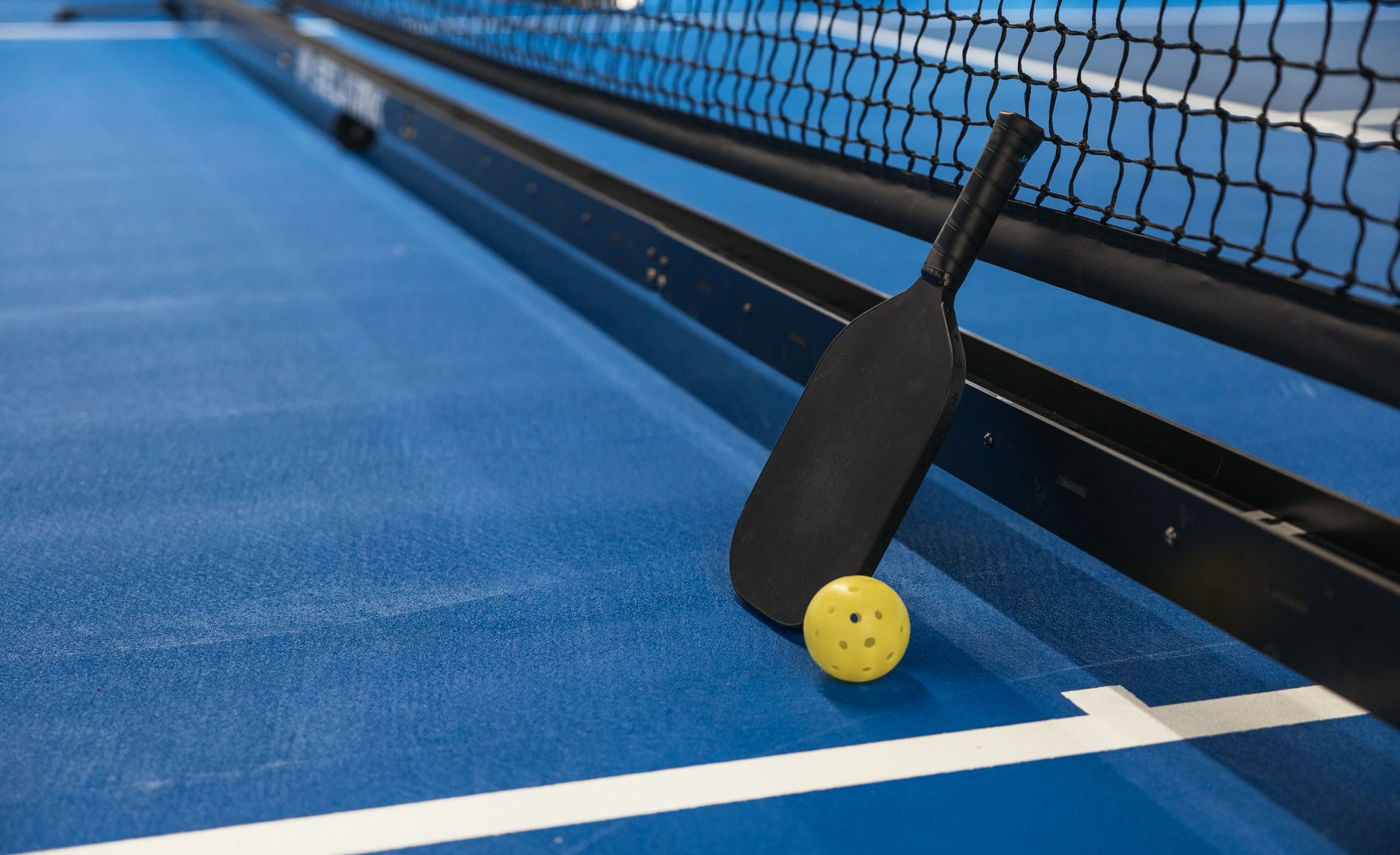
The right spec is more specific. Courts need consistent dry soil pickup, predictable traction after cleaning, compact turning in fence lines and bench areas, and a quiet enough operating profile for early-morning prep. Restroom corridors and lobbies need stronger recovery from moisture and tracked-in debris. In practice, many clubs are best served by an automated floor scrubber program that treats courts and non-court circulation as different cleaning environments, even when one robot covers both.
- Prioritize dry pickup performance on sport-court dust and ball fuzz
- Require low-residue cleaning on painted or coated athletic surfaces
- Match run time to pre-opening windows, not to all-day autonomous operation
- Spec for fast recovery at door zones where rain, grit, and chalky dust concentrate
Why are pickleball clubs different from a standard gym?
They look similar on a floor plan, but the operating reality is different. According to USA Pickleball, a regulation court is 20 feet by 44 feet, and the preferred total area is 34 feet by 64 feet. Multiply that across several side-by-side courts and you get a facility with a lot of playable surface, repeated line markings, narrow sideline circulation, and heavy foot traffic concentrated at entrances, benches, and kitchen lines.
Demand is not cooling off. The Sports and Fitness Industry Association said in May 2025 that pickleball had been America’s fastest-growing sport for four straight years, with participation up 45.8 percent from the 2023 figure and 311 percent over three years. On SFIA’s 2025 participation page, the organization says 24.3 million Americans played pickleball in 2025. That scale changes buyer logic. Clubs are serving members who expect clean, tournament-like court conditions, but many operators still run with small staffs and long daily schedules.
What does the floor soil load really look like inside these clubs?
On the courts, the enemy is usually not deep mud or greasy film. It is a mix of fine dust, shoe rubber, ball fragments, hair, lint, and whatever migrates in from the lobby. That debris changes ball behavior at the margins and makes a clean-looking court feel tired faster than operators expect.
The harsher load shows up at transitions. Entry vestibules collect grit, moisture, and parking-lot residue. Restroom corridors pick up drips and paper dust. Lobby thresholds become a mixing zone where dry athletic dust meets damp outside contamination. A robot that handles only one of those conditions well will disappoint somewhere important.
That is why a niche buyer’s guide matters here. The right cleaning robot for sale in a warehouse catalog is not automatically the right robot for a pickleball club. Indoor racquet facilities need a machine and route plan built around changing soil types over a short path, not one giant homogeneous floor.
How do you avoid slip risk on sport courts and transitions?
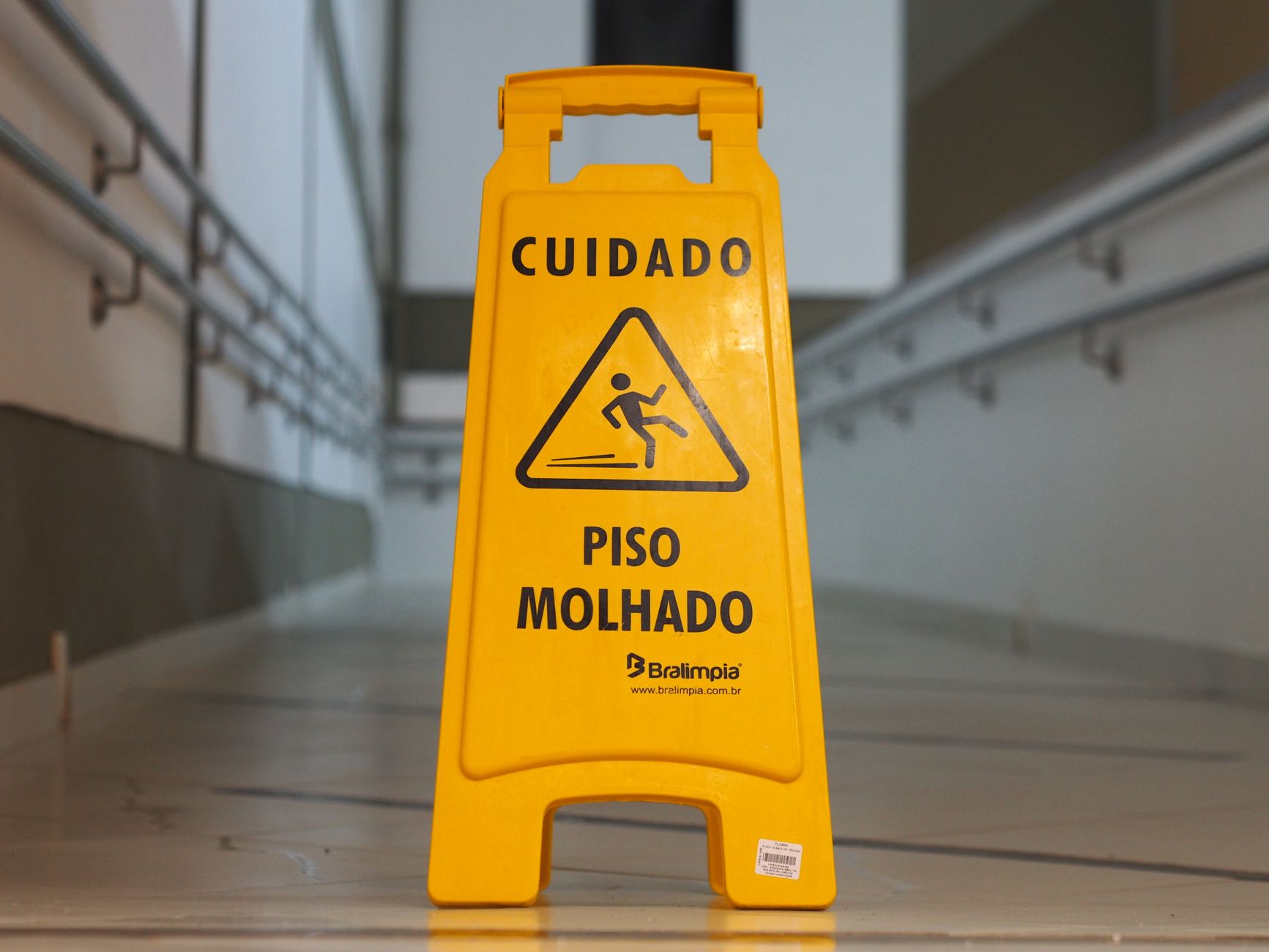
Start with the rule that dry and clean beats shiny and wet. OSHA’s walking-working surfaces rule, 29 CFR 1910.22, requires floors to be kept in a clean condition and, to the extent feasible, in a dry condition. OSHA also says hazards such as spills and leaks must be corrected before workers use the surface again. For club operators, that means any robotic cleaning program has to control water tightly and prove that recovery is complete before players arrive.
CDC guidance for facilities says regular cleaning is usually enough for many surfaces, and it advises cleaning floors with products appropriate for the surface. CDC also warns against cleaners that could make the floor slippery. That fits sport-court reality. Buyers should be wary of any setup that relies on heavy solution laydown, leaves visible film, or uses chemicals unsuited to athletic coatings.
Sport surfaces add another layer. ASTM F2772-24 is the active standard for indoor sports floor systems, and it includes surface-finish performance within a broader athletic-floor framework. You do not need a robot seller to recite the standard line by line. You do need them to respect the idea behind it. On a playing surface, traction consistency matters. If the machine cleans aggressively but alters feel underfoot, it is the wrong machine or the wrong cleaning chemistry.
- Ask for documented water-use settings by floor zone
- Require a post-clean dry-time expectation before first player traffic
- Separate court chemistry from restroom-corridor chemistry when surfaces differ
- Test after humid mornings and rainy-entry conditions, not only on a perfect dry day
Which robot capabilities matter most for this use case?
Debris handling comes first. A club robot should pick up fine dust without simply pushing it to court edges, fence posts, or bench legs. Strong edge behavior matters because pickleball spaces accumulate soil where portable nets, ball carts, and seating interrupt the path.
Navigation matters differently here than in a boxy industrial site. The machine should cope with repeated rectangular courts, narrow perimeter lanes, and early staff activity without wasting minutes on overcautious rerouting. If the building hosts early ladders or lessons, the robot also needs a schedule that can clean in blocks and clear out before the first whistle.
Recovery and route flexibility are the real separator. A facility may want a dry debris pass on courts before dawn, then a slightly wetter scrub cycle in lobby and restroom corridors after front-desk opening, then a quick touch-up near the entrance at midday if weather turns. That points many clubs toward a commercial cleaning robot rental or service robot rental structure, because the operator benefits from route tuning, maintenance included, and updates after the building’s traffic patterns become clear.
- Consistent fine-dust pickup
- Tight water control and strong suction recovery
- Compact turning around court furniture and gates
- Flexible scheduling for pre-opening and between-session cleaning
- Simple operator handoff for staff who are not floor-care specialists
How should clubs compare leasing, rental, and purchase paths?
For many independent clubs and regional operators, robot leasing for business is easier to justify than a one-shot equipment buy. The reason is operational, not just financial. Indoor clubs often learn their best cleaning routes after opening, after league schedules mature, or after seasonal traffic shows where grit really enters the building. A program with monthly payment programs, maintenance included, and on-site dispatch reduces the cost of being wrong on day one.
That is where robot leasing vs buying becomes practical instead of theoretical. If a club expects layout changes, membership ramp, or uncertain staffing, a commercial cleaning robot rental or autonomous floor scrubber rental arrangement can make sense. If the site is mature, standardized, and clearly mapped, lease rental or sale may both pencil out. The key is to evaluate the support model along with the monthly line item.
Service Robot Co. fits this part of the decision because the company is an OEM-neutral, vendor neutral robot integrator for U.S. businesses. Instead of forcing one brand into every floor plan, it can match a robot that fits your floor, finance it through no upfront capital or monthly structures when appropriate, then handle robot deployment and integration, training, remote triage, and emergency response nationwide through one partner and one number.
What should a real pilot look like before a club commits?

A serious pilot should mimic the messiest normal week, not a staged demo. Run it after a rainy evening, before an early league morning, and through the court-to-lobby path where dust and moisture mix. Watch what happens at thresholds, corners, and sideline furniture. If the robot leaves a damp sheen or pushes debris into playable space, the test already told you something useful.
Measure a few things that operators can actually use: minutes of staff labor removed, number of manual touch-ups still needed, dry-time before first play, and recovery after high-grit entry conditions. Those numbers matter more than brochure language about autonomy.
A full-service integrator should also show what happens after go-live. Ask who remaps the site after furniture shifts, who answers when the robot faults at 5:30 a.m., and how quickly a field engineer can respond. Early-morning league play is unforgiving. A buyer is not just choosing a machine. The buyer is choosing how much operational fragility they are willing to carry.
Where Service Robot Co. earns its place in this category
This niche is harder than it looks because pickleball clubs are mixed environments. Part sport court, part hospitality lobby, part restroom corridor, part weather-exposed entrance. Service Robot Co. is built for that kind of mixed-floor reality. It acts as a full-service commercial robot integrator for U.S. operators, selecting the right robots across manufacturers and staying on the hook for financing, deployment, integration, training, and service.
That matters when a club wants more than a basic robot floor cleaner rental. It matters when the operator needs nationwide support, a single service contact, and a cleaning program tuned to long hours with small staffs. If the choice is between owning a machine and owning the whole troubleshooting burden, many clubs will prefer a service model that keeps accountability in one place.
Frequently asked questions
Sources
- USA Pickleball court construction guide
- USA Pickleball basics and court layout
- SFIA pickleball single-sport release 2025
- SFIA U.S. pickleball participation statistics
- OSHA walking-working surfaces standard 1910.22
- OSHA slips, trips, and falls eTool
- CDC facility cleaning guidance
- ASTM F2772-24 indoor sports floor standard