
Key takeaways
- Inspection robots extend routine visibility into difficult baggage routes, but they do not cancel confined-space or energy-control rules.
- The most useful payload combines visual, thermal, lighting, and localization data in one repeatable record.
- Every finding should point to a stable conveyor segment or asset ID, not merely a map coordinate.
- A successful program defines shutdown authority, recovery methods, and fault escalation before the first inspection run.
Can robots inspect baggage tunnels safely?
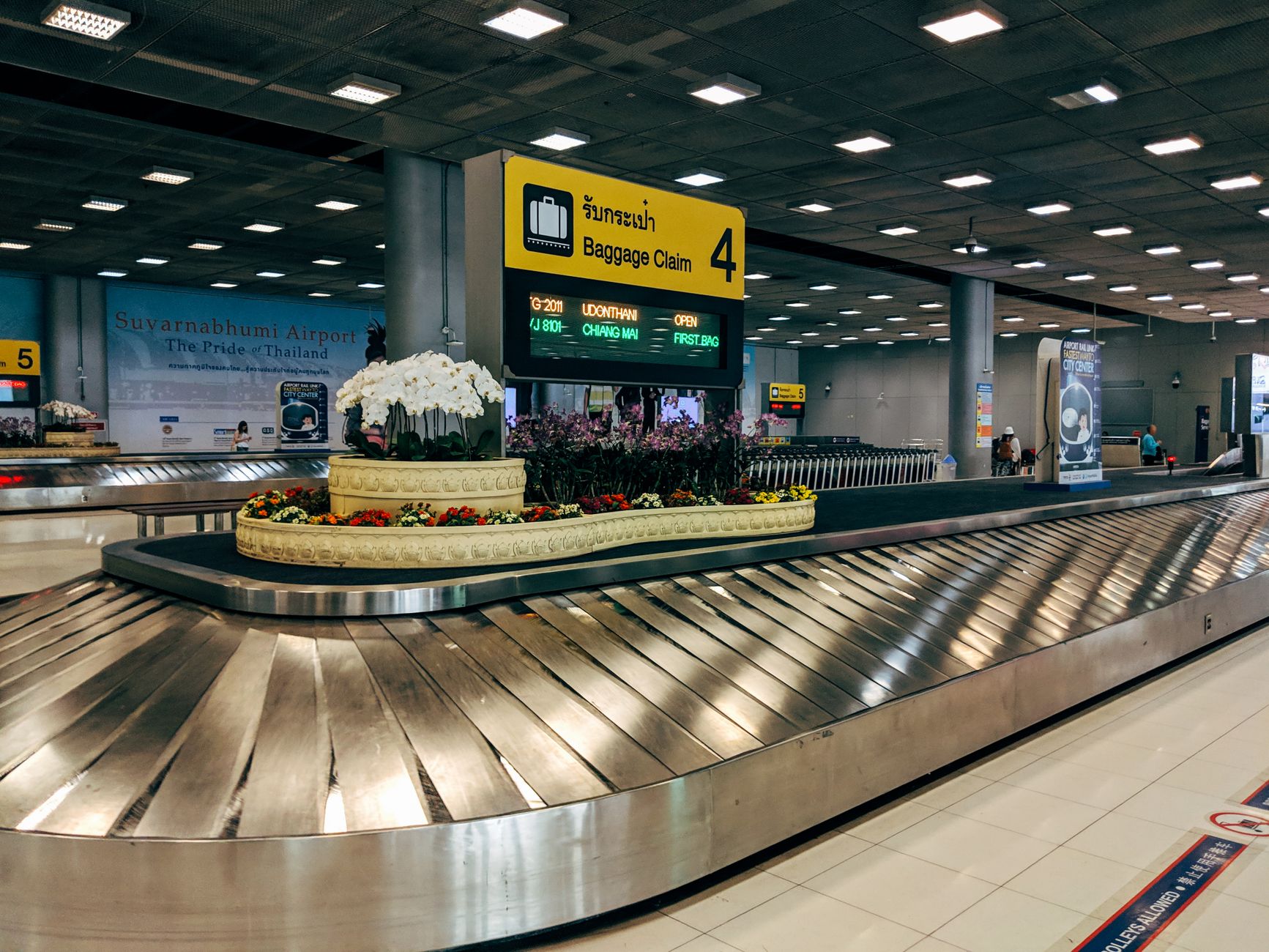
Yes. A mobile inspection robot can check conveyor tunnels, drives, belts, guards, debris, and thermal patterns while reducing the number of routine journeys employees make through cramped maintenance routes. It can also capture repeatable evidence from angles that are awkward to reach with a handheld camera.
The robot is only one part of the operating method. Safe use depends on surveyed access points, approved routes, conveyor status, reliable localization, a retrieval plan, and clear authority to stop or restart equipment. A robot should never be treated as permission to enter an uncontrolled machinery space.
The strongest case is recurring condition inspection. The machine follows the same route, records the same assets, and compares each run with an accepted baseline. A technician then receives a short, location-specific work list instead of walking the entire tunnel in search of trouble.
What should the robot examine on each route?
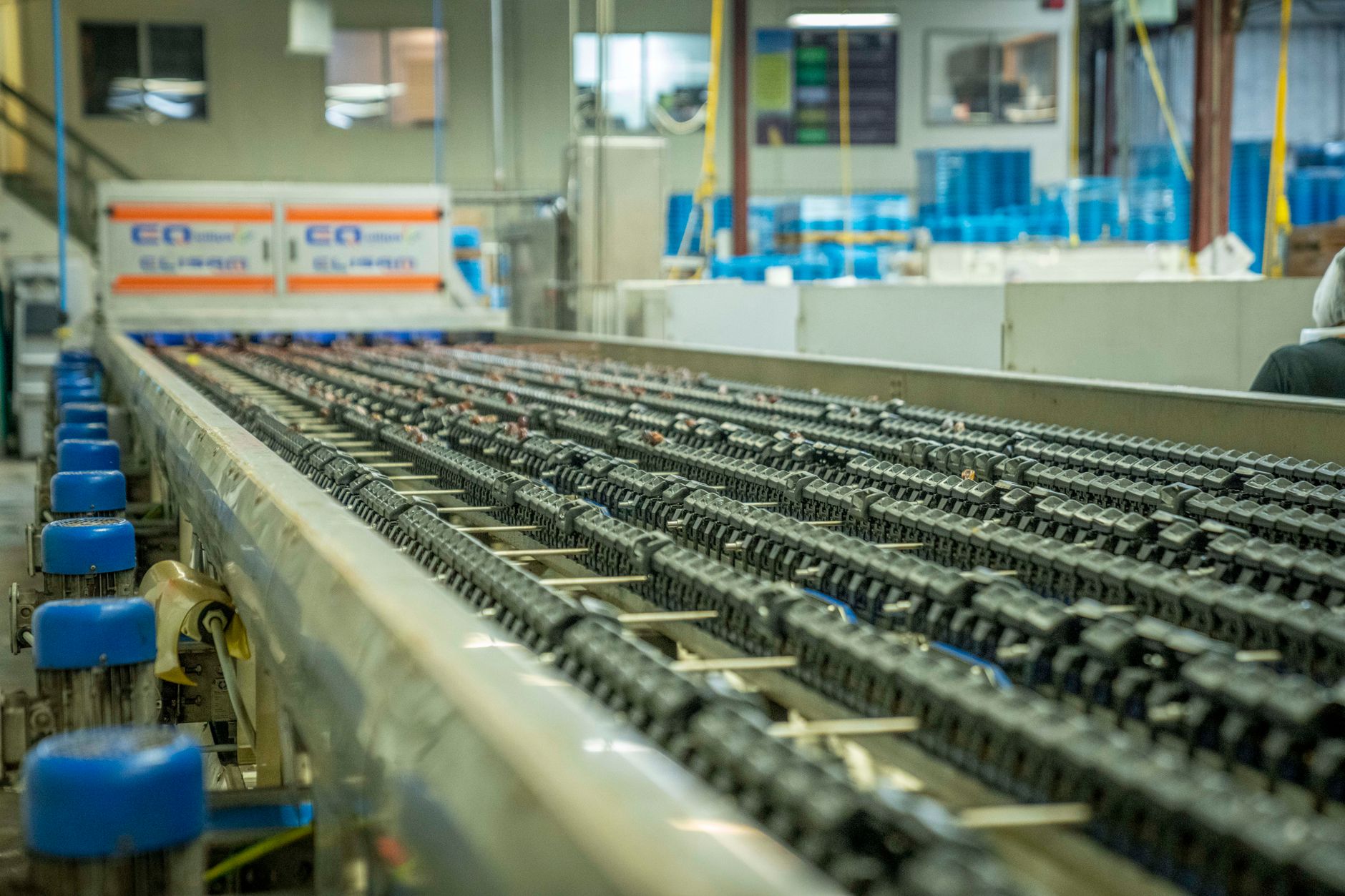
A baggage-system inspection route should be built around failure modes, not a generic video tour. Cameras need deliberate views of belt edges, splices, rollers, guards, drive assemblies, transfer points, photo eyes, cable supports, drains, and the floor beneath the conveyor.
Obstruction detection deserves particular attention at merges and transfers. In a TSA example, staff recovered 244 broken luggage locks from beneath one conveyor junction at a New York airport during a single month. Loose straps, wheels, tags, fasteners, and bag fragments can likewise become precursors to jams or equipment damage.
Useful route records include the following distinct checks:
- Belt tracking, edge fraying, splice condition, sag, and material accumulation
- Stopped, damaged, noisy, or visibly misaligned rollers and pulleys
- Oil, grease, water, dust, loose hardware, and objects beneath equipment
- Blocked photo eyes, bent brackets, damaged guards, and open electrical enclosures
- Abnormal surface temperatures at motors, gearboxes, bearings, brakes, and electrical connections
- Changes in vibration or sound when the payload includes suitable acoustic or motion sensing
How should access and recovery be designed?
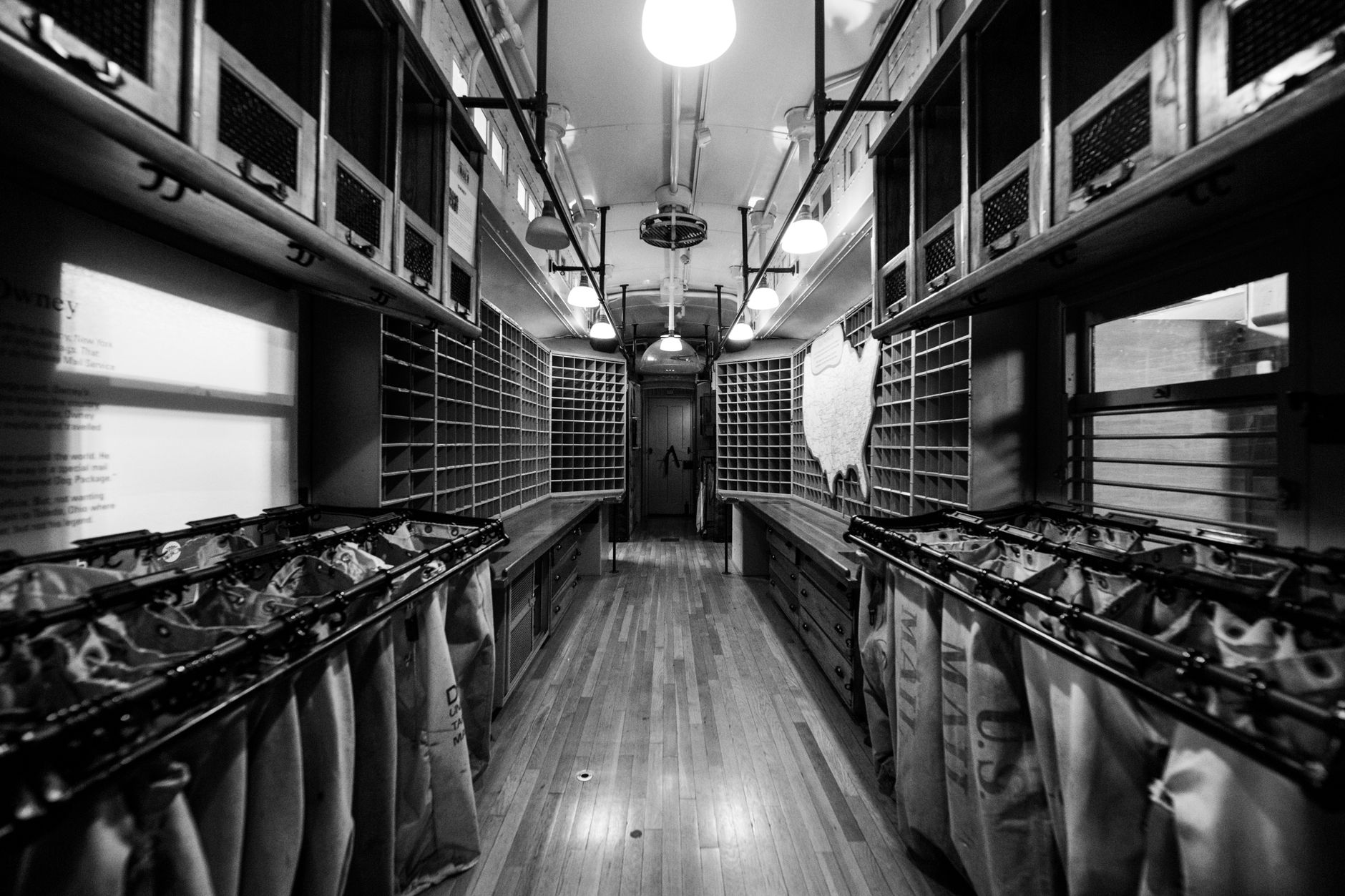
Start with the physical route. Measure every hatch, doorway, curb, slope, stair, cable crossing, low beam, turning pocket, and gap beside the conveyor. The narrowest point, steepest grade, and worst turning area usually determine the platform, not the broad central aisle.
Tracked platforms can suit debris and small level changes, while wheeled platforms often offer longer endurance on smooth floors. More articulated machines can cross larger obstacles, but they demand more clearance, operational discipline, and recovery planning. Payload height also matters because a camera mounted too low may miss belt surfaces and bearing housings.
Every deployment needs a recovery method that does not begin with an improvised human entry. Identify pull points, tether restrictions, alternate approaches, manual release procedures, and the maximum distance from an access portal. If staff may have to enter, the applicable confined-space and energy-control procedures must already be available.
OSHA defines a confined space using three conditions: it permits bodily entry, has limited or restricted entry or exit, and is not designed for continuous occupancy. Not every baggage tunnel meets that definition, and not every qualifying space is permit-required. The airport must make and document its site-specific determination.
How do robot runs fit conveyor shutdowns?
An inspection robot should be scheduled through the baggage control function, maintenance team, airport operations, and security stakeholders. The work order should name the affected conveyor zones, alternate bag route, isolation owner, robot operator, inspection window, overrun trigger, and person authorized to return the system to service.
A protected observation route may sometimes permit data collection while adjacent equipment operates, subject to the airport's risk assessment and guarding. That can be valuable because belt motion and representative motor load reveal conditions that disappear after shutdown. It does not authorize the robot to cross guards, contact a moving belt, or create a snagging hazard.
Hands-on work, unjamming, guard removal, and many recovery tasks require a controlled outage. OSHA's hazardous-energy standard requires an orderly shutdown, physical isolation, control of stored or residual energy, and verification before covered servicing begins. Pressing a stop button is not the same as isolating energy.
Outside integrators also need coordination. OSHA requires on-site and outside employers engaged in covered servicing to inform each other of their lockout or tagout procedures. The restart checklist should confirm that the robot, tools, stranded baggage, and personnel are clear before power returns.
How does localization work without dependable GPS?
Baggage tunnels are repetitive, metallic, and frequently divided by equipment. Satellite positioning is unavailable, while wireless coverage can fade behind machinery or fire-rated partitions. A robot therefore needs onboard localization that can continue through short network losses rather than relying on continuous remote steering.
A practical stack can combine lidar, visual features, wheel or track odometry, and inertial measurements. Surveyed markers at portals, junctions, and long uniform runs provide periodic corrections. The system should report localization confidence because shiny surfaces, dust, moving belts, changed carts, and repeated structural bays can all degrade a map match.
Coordinates alone are poor maintenance instructions. Each observation should carry a conveyor identifier, motor or bearing tag, structural bay, travel direction, timestamp, camera view, and pose confidence. A finding such as elevated heat at outbound conveyor C17, drive-end bearing, bay 42 is actionable. A bare x and y position is not.
Routes must be checked again after conveyor modifications, temporary barriers, cable work, or stored equipment alters the scene. Site acceptance testing should include deliberate communication loss, blocked paths, localization drift, emergency stop behavior, and recovery from the farthest practical point.
What can thermal imaging actually prove?
Thermal imaging is valuable for finding relative differences: one bearing warmer than its peers, a motor casing that has changed since the previous run, or a connection heating under load. The federal Pantex facility describes infrared thermography as a way to detect heat patterns in electrical distribution equipment and support maintenance decisions.
A thermal image is not a diagnosis. NIST research shows that emissivity, reflected radiation, camera optics, target size, and viewing conditions can materially affect temperature measurements. Bare metal can reflect nearby heat, and a small hot component may occupy too few pixels for a dependable reading.
Build trends under comparable conditions. Use the same viewing angle and distance, record conveyor operating state and ambient temperature, and compare like assets carrying similar loads. Avoid a universal alarm temperature copied across motors, bearings, and electrical components with different ratings and surfaces.
A repeatable thermal anomaly should trigger corroboration through maintenance history, electrical current, vibration, sound, lubrication condition, or a hands-on inspection during an approved outage. The robot finds and documents the suspect condition. Qualified personnel determine its cause and repair priority.
How should detected faults be escalated?
A robot program becomes useful when findings move into the maintenance process with little ambiguity. The National Academies describes baggage fault-monitoring systems that alert operators to jams, emergency stops, and overloads. Robot observations should enrich that control-room picture, not create a separate inbox that nobody owns.
Use severity, confidence, and operational consequence together. A loose strap near an active nip point may require immediate action despite low repair effort. Mild warmth on a motor may justify a scheduled recheck, while a rapidly increasing thermal difference with odor, smoke, or abnormal sound demands urgent escalation.
A four-level model keeps the response legible:
- Critical: stop the affected zone or invoke the airport's emergency procedure for smoke, fire indicators, exposed energized parts, failed guards, or imminent mechanical contact
- Urgent: assign maintenance within the operating window for worsening heat, severe belt drift, accumulating debris, leaks near electrical equipment, or a developing obstruction
- Planned: create a dated work order for repeatable wear, minor leakage, damaged labels, loose supports, or early thermal differences
- Observe: retain low-confidence or isolated findings for a targeted repeat pass before generating repair work
From pilot route to maintained inspection program
Begin with one bounded tunnel or conveyor zone that has known access challenges and a useful fault history. Establish a human-reviewed baseline, mark every inspected asset, and run the same route across representative operating states. The pilot should measure completed checkpoints, missed assets, false alerts, localization confidence, intervention frequency, and time required to turn a finding into a closed work order.
Robot selection follows the site evidence. Service Robot Co. works as an OEM-neutral, full-service commercial robot integrator for US businesses, matching the platform and sensor package to the route instead of forcing one machine into every airport. The company can finance, deploy, integrate, train, and service each unit through a nationwide US engineer network.
That lifecycle model matters in a secured airport environment. An inspection robot lease program still needs approved software changes, spare-part planning, remote triage, on-site dispatch, operator training, and documented maintenance. Service Robot Co. provides one vendor for robot deployment and integration, financing, training, and continuing field support.
Before expanding, repeat the acceptance test after repairs and map changes. Scale only after the airport can show that findings are correctly located, assigned to named owners, addressed within the required window, and verified after repair. The goal is not more footage. It is earlier, safer, and more disciplined maintenance action.