Key takeaways
- A useful inspection robot creates repeatable, time-stamped evidence instead of merely streaming video.
- Gauge imagery, thermal scans, leak detection, and vibration sensing work best when each asset has a baseline.
- Humidity, chemical vapor, standing water, hoses, and tight clearances must shape the robot and sensor specification.
- Robotic rounds supplement fixed safety alarms, qualified inspections, and operator judgment. They do not replace them.
- Maintenance integration matters as much as mobility because observations must become assigned, traceable work.
What should a pool pump-room robot inspect?
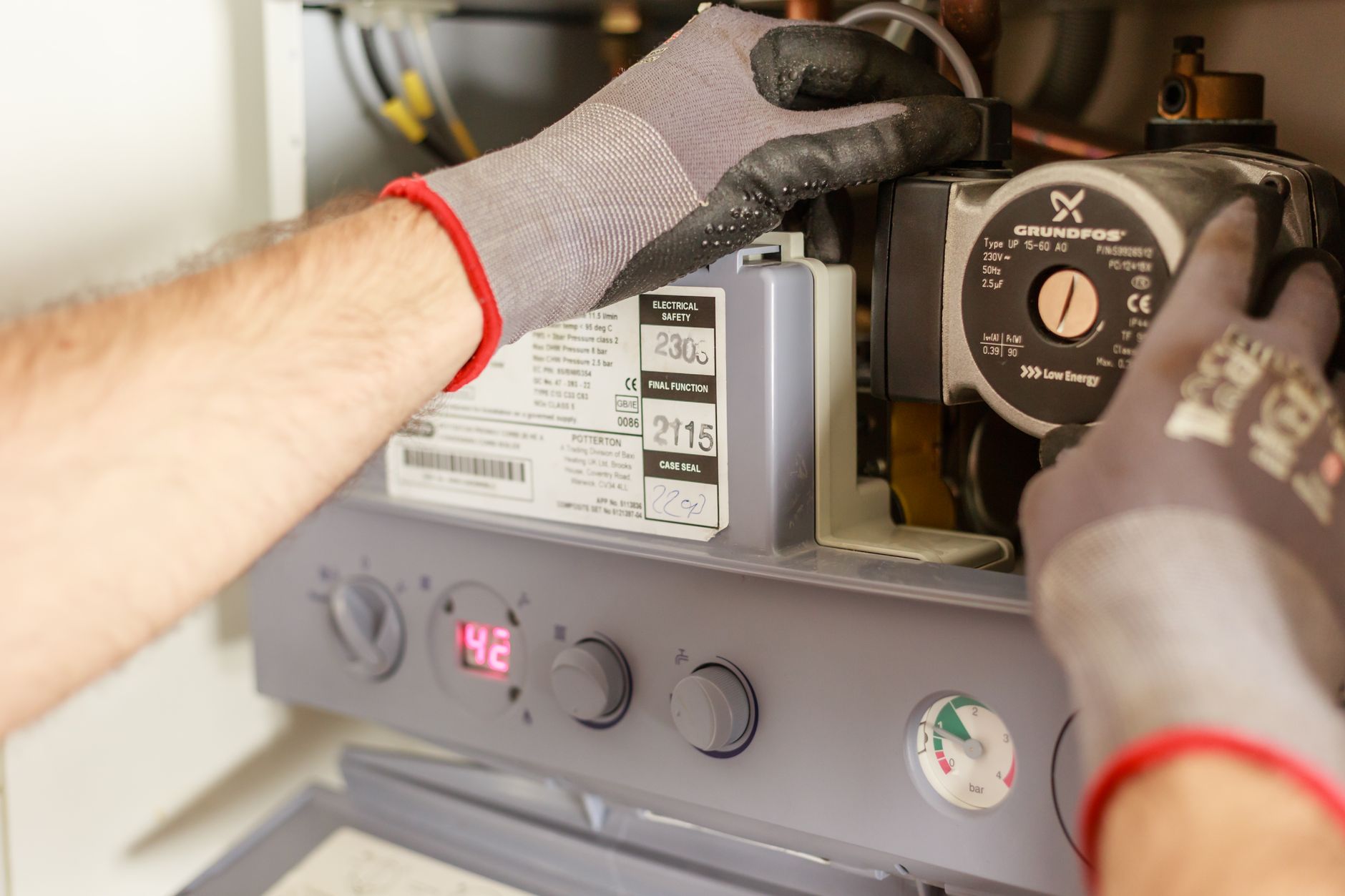
An inspection robot can make scheduled rounds through a commercial pool pump room, recording analog gauges, pump and motor temperatures, visible leakage, corrosion, unusual sound, and vibration indicators. Its real value is repeatability. It observes the same assets from the same positions and gives maintenance teams comparable evidence over time.
A practical system combines high-resolution visible imaging, radiometric thermal imaging, ambient sensing, and carefully selected condition-monitoring instruments. Readings should be tagged to named assets, checked against operating-state baselines, and transferred into the facility's maintenance process with the original images attached.
The robot is an additional inspection layer, not an emergency responder or substitute for required alarms. Fixed gas detection, ventilation controls, flow interlocks, code inspections, and trained aquatic operators remain essential. If a route encounters an unknown vapor, chemical spill, or unsafe water depth, the correct behavior is to stop, withdraw if safe, and alert people.
Why is the environment unusually demanding?
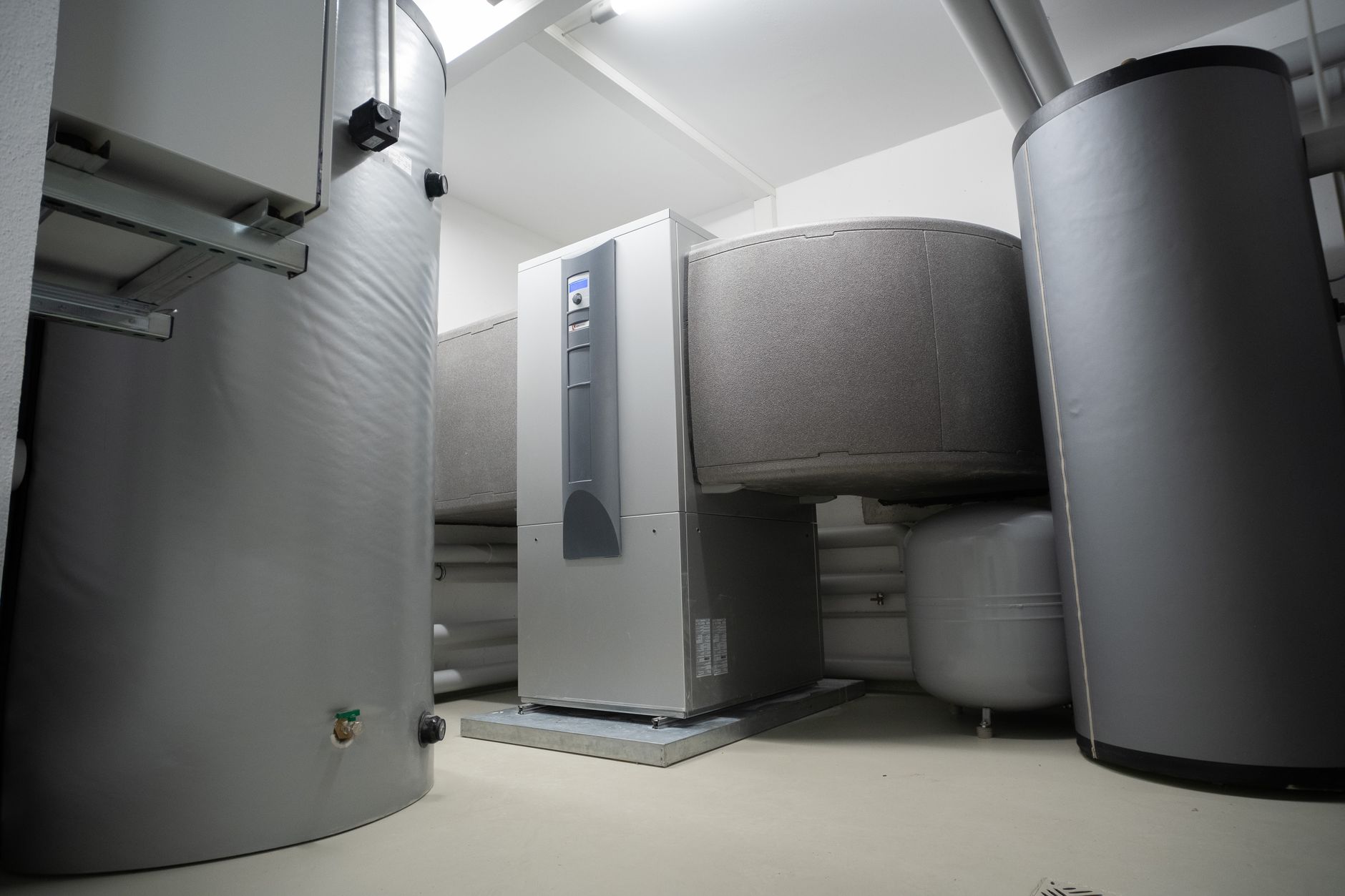
Pool mechanical rooms combine moisture, heat, rotating machinery, electrical equipment, treatment chemicals, and confined working space. The CDC's 2024 Model Aquatic Health Code calls for positive floor drainage that prevents standing water, working space for service, and 30 foot-candles, or 323 lux, of illumination at floor level. Those requirements provide useful survey benchmarks, but actual older rooms can be darker and more congested.
Chemical exposure deserves particular attention. CDC guidance says pool chemicals should generally be stored in dedicated corrosion-resistant spaces because halogen sanitizer and muriatic acid fumes can damage copper wiring, electronics, heaters, and pump motors. CDC also reports that pool chemical injuries account for about 4,500 emergency-department visits each year.
Gas sensing must be treated as life-safety engineering, not an optional robot feature. NIOSH lists a 0.5 ppm 15-minute ceiling recommendation for chlorine, OSHA lists a 1 ppm ceiling limit, and NIOSH identifies 10 ppm as immediately dangerous to life or health. A mobile reading can add location context, but it should never displace properly designed fixed detection and emergency procedures.
Which sensors earn their place?
Payload selection should begin with failure modes and maintenance decisions. Adding every available sensor creates weight, calibration, power, and data burdens without guaranteeing better inspections. Choose instruments that produce evidence a technician can interpret and act upon.
The most useful inspection robot lease specification usually combines the following capabilities.
- A stabilized color camera with optical zoom, controlled lighting, and exposure bracketing for gauge faces, sight glasses, labels, seals, pipe joints, and corrosion.
- A calibrated radiometric thermal camera for trending motors, bearings, electrical enclosures, couplings, and piping while preserving the underlying temperature data.
- Ambient temperature and relative-humidity sensing, plus a task-specific gas sensor package selected for range, cross-sensitivity, calibration interval, and expected chemicals.
- Acoustic recording for changes in cavitation-like noise, rattling, or bearing sound, captured from repeatable positions under comparable pump loads.
- A contact vibration probe or compatible fixed accelerometers when diagnostic vibration data are required, because vibration from a moving chassis can contaminate noncontact measurements.
How should gauges, heat, leaks, and corrosion be recorded?
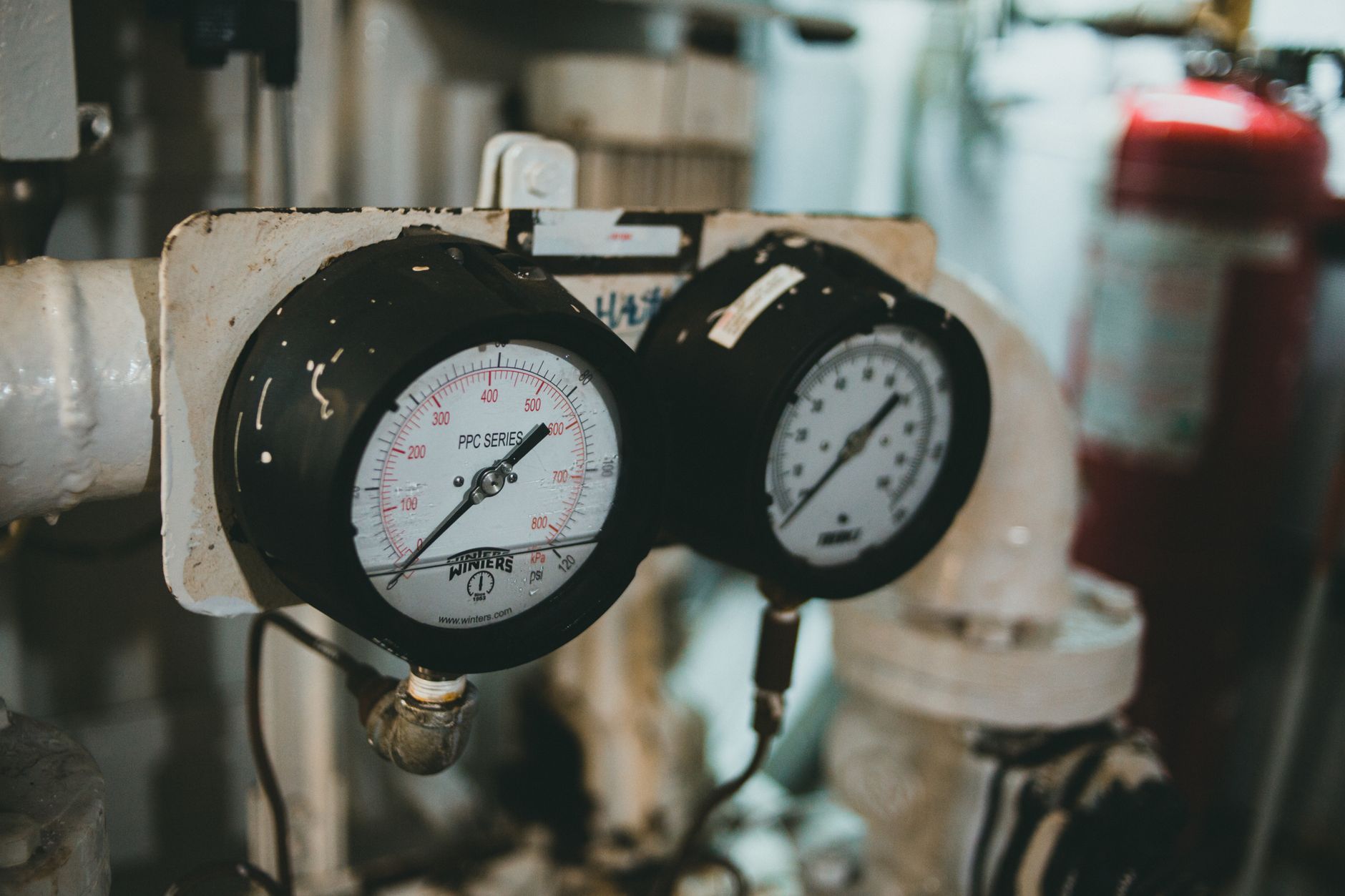
Gauge reading needs more than optical character recognition. The robot should store the full gauge image, interpreted value, unit, confidence score, asset identity, timestamp, and pump state. Glare, fogging, a dirty lens, and an oblique view can all produce a plausible but incorrect number, so uncertain readings belong in a human-review queue.
Thermal inspections also require discipline. Compare the same target, angle, distance, load condition, and surface wherever practical. Reflections from shiny metal and incorrect emissivity settings can mislead. A temperature difference from an established baseline is usually more informative than an isolated hot pixel.
Leak and corrosion records should distinguish active dripping, dampness, staining, mineral deposits, coating failure, rust, and chemical attack. Wide context and close-up images let a technician locate the defect. Measuring the affected area against a visual reference then makes progression visible across successive rounds.
Can a robot navigate wet floors and narrow access?
Start with the route, not the brochure. Measure the narrowest clear width, door thresholds, floor slopes, grates, curb edges, hose crossings, drain recesses, and the turning space beside each inspection point. Also record temporary obstacles created during backwashing, chemical delivery, filter service, and janitorial work.
Water resistance must be specified for the complete deployed machine, including sensors, connectors, charging contacts, and modified payload mounts. A nominal enclosure rating does not prove the robot can cross arbitrary standing water or tolerate corrosive liquid. Set conservative water-depth limits and no-go zones around chemical storage, open sumps, exposed conductors, and slippery slopes.
Dock placement matters too. Put charging equipment on a dry, ventilated, protected area outside chemical splash paths and normal service clearances. A commercial robot demo should test recovery from condensation on lenses, blocked aisles, moved hoses, reflective pipes, and degraded lighting rather than following a freshly cleared showcase route.
Why do baselines matter more than alarm thresholds?
Pool equipment changes character with pump speed, valve position, filter loading, heater operation, and backwash cycles. A pressure or temperature that looks abnormal during one state may be expected during another. Baseline every asset across its normal operating modes before asking software to classify deviations.
NIST describes vibration and temperature as core inputs for pump condition monitoring. National laboratory guidance also identifies vibration analysis, motor-current analysis, oil analysis, seal checks, and periodic efficiency testing as useful pump-maintenance measures. Robot observations should complement these methods and preserve the operating context.
Trend deltas first, then refine alert bands with the facility's technicians. Escalate a sudden large change immediately, but route slow drift for review before declaring a failure. This approach reduces nuisance alerts while exposing gradual bearing heat, recurring seal leakage, spreading corrosion, and gauges that are moving away from their customary range.
How does robotic inspection enter the maintenance workflow?
Every exception needs an asset name, severity, evidence, and owner. The inspection platform should pass validated events into the computerized maintenance management system or an agreed work queue. A red alert without a location, image, trend, and recommended verification step creates noise rather than useful work.
Define three outcomes before go-live: observe, inspect, and respond. Observe retains a minor change for trending. Inspect asks a qualified technician to verify it within a stated window. Respond invokes an existing safety or shutdown procedure. The robot must never improvise chemical handling, open equipment, or reset protective controls.
Close the loop after technicians investigate. Confirmed faults improve future detection rules, while false positives reveal bad viewpoints, reflective surfaces, unstable loads, or sensor drift. Record calibration, lens cleaning, wheel inspection, and payload checks in the same maintenance program so the inspection instrument itself remains trustworthy.
What should a pilot and commercial program include?
A credible robot pilot program covers representative operating states, including peak circulation, quiet periods, heating, and backwash activity. Acceptance tests should measure route completion, gauge-reading accuracy, thermal-image repeatability, missed defects, nuisance alerts, communications loss behavior, and safe recovery from realistic obstructions.
Service Robot Co. approaches robot deployment and integration as an OEM-neutral engineering task. The team can conduct a free site assessment, compare machines across manufacturers, arrange inspection robot leasing, purchase or lease, integrate reporting, train staff, and provide RoboCare™ service programs through a nationwide US engineer network.
That one-partner model is useful when a facility needs a different chassis or sensor package from another manufacturer later. Leasing and monthly payment programs can also support a measured rollout, subject to program terms. The buying decision should still rest on route evidence, data quality, maintainability, and a clear path from detected anomaly to completed work.
Robots strengthen rounds without replacing specialists
The CDC's MAHC annex recommends at least semiannual testing of carbon-monoxide detectors in equipment rooms with combustion equipment and annual inspection of combustion chambers, dampers, and related items by qualified parties. A robot may document visible condition and temperature patterns between those visits, but it cannot certify combustion safety.
That division of labor is the sound model for aquatic equipment inspection. Robots handle frequent, repeatable observation in an unpleasant environment. Operators interpret water-treatment context, technicians diagnose machinery, and authorized professionals perform regulated work. The result is a richer maintenance history with fewer blind intervals.