
Key takeaways
- Mobile inspection routes catch rack issues between technician visits.
- Thermal, acoustic, and visual data together give technicians better evidence than a walk-by alone.
- EPA leak thresholds make alarm triage matter once a system carries 50 pounds of refrigerant or more.
- In ammonia sites, robot findings must feed trained technicians and site emergency procedure fast.
- An OEM-neutral integrator matters because uptime depends on deployment, escalation, and service after go-live.
Can a mobile robot monitor a refrigeration rack effectively?
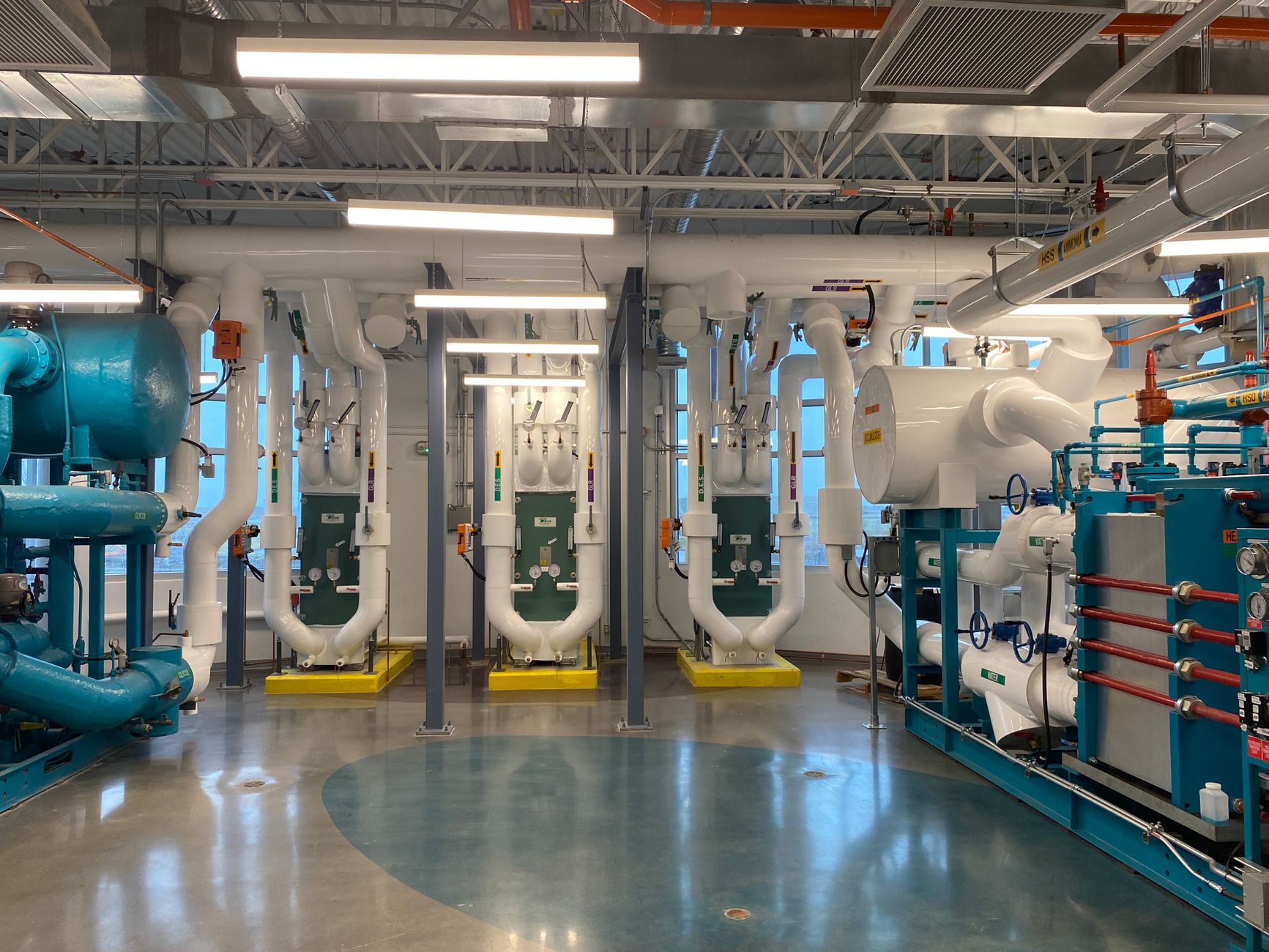
Yes, if it is deployed as a repeatable inspection route instead of a gadget. A robot can patrol compressor racks and nearby piping on schedule, collect thermal images, directional sound data, and visual photos, compare them to baseline, and push exceptions to humans before cases warm up or a facility loses product.
The robot is not replacing licensed refrigeration mechanics. It fills the gap between rounds, especially in supermarkets and cold facilities where racks run all day and conditions shift with load, defrost, receiving, and ambient heat. It catches developing clues such as a hotter-than-usual compressor shell, a new hiss around a header, or fresh oil staining under a seal pack.
Used well, the robot becomes part of refrigeration monitoring. Fixed alarms still guard the system. The robot adds mobile context around the rack, so the call to a qualified technician is based on images, sound, and trend data instead of a vague note that something seems off.
Why does this area justify repeat inspections?
The U.S. Department of Energy says refrigeration systems in supermarkets can consume around 50 percent of total store energy use, and its supermarket demand research notes that refrigeration peak demand often lands in the mid to late afternoon during summer. When half the building's energy bill and a large share of food-safety risk sit in one mechanical zone, infrequent walk-throughs are thin coverage.
The U.S. Environmental Protection Agency says a majority of the 45,500 retail food establishments in the United States still use centralized DX systems, typically carrying 3,000 to 4,000 pounds of refrigerant. EPA also says a typical food retail store leaks about one quarter of its refrigerant charge each year. Those are large charges, persistent leak risk, and exactly the conditions where mobile inspection earns its keep.
What can thermal, acoustic, and visual passes actually catch?
One sensor rarely tells the whole story. Temperature alone may show a warm spot but not its cause. Sound alone may hear gas or bearing noise but not show where oil is collecting. A visual image may reveal staining or frost but miss the heat pattern behind it. The useful part is the overlap.
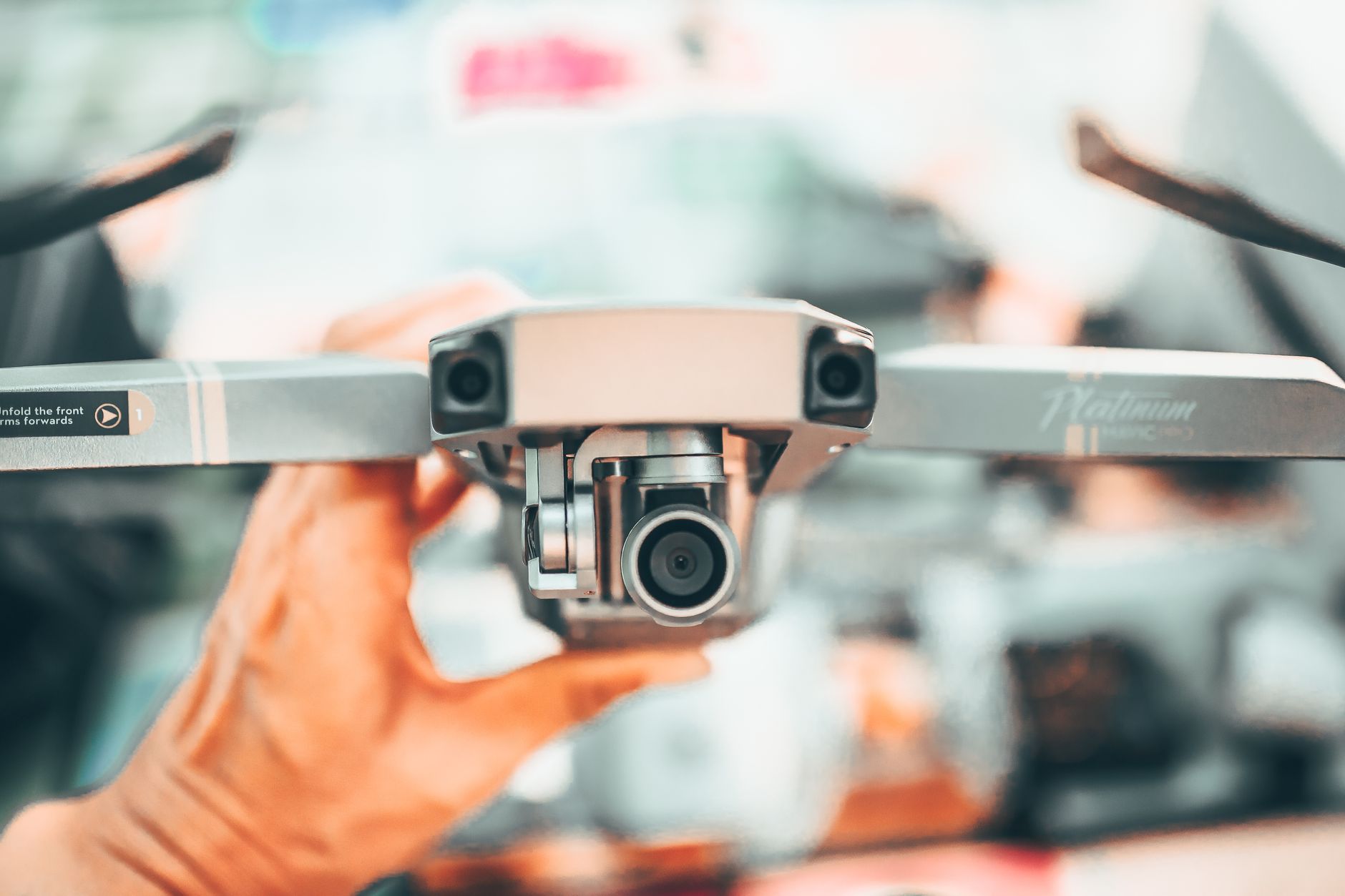
The Department of Energy's Diagnostic Equipment Program highlights infrared cameras, acoustic imagers, ultrasonic leak detectors, and time-of-use loggers as valid diagnostic tools. A mobile inspection robot can carry the same classes of payload around a rack and collect them on the same route, from the same angles, day after day.
- Thermal data can flag compressor bodies running hotter than their own baseline, hot electrical terminations, abnormal condenser fan temperature patterns, and line sections that no longer look balanced across parallel circuits.
- Acoustic data can reveal new valve chatter, bearing roughness, fan noise changes, and ultrasonic leak signatures around valves, flare fittings, and service ports.
- Visual data can expose fresh oil residue, dirt tracks on oily piping, frost where it should not form, vibrating lines, loose insulation, blocked clearances, and status-light or display changes on rack controls.
When should the robot run its route?
Route timing matters as much as payload choice. A quiet rack room at one stable load can hide problems that show up when store traffic rises, loading doors open, condensers see hotter air, or a defrost sequence changes pressures. Because DOE places supermarket refrigeration peak demand in the mid to late afternoon during summer, that is a strong window for extra inspection passes.
A practical program combines a steady baseline route with event-driven revisits. Run the baseline when equipment is in its normal operating state, then trigger extra laps after fixed refrigerant alarms, after maintenance, during high outdoor heat, or when the control system shows nuisance trips. The point is trend consistency, not random wandering.
This is where route data becomes more valuable than a one-off inspection. The same camera height, the same standoff distance, the same microphone orientation, and the same stops at compressors, oil separators, valves, headers, condensers, and doorways let the system compare today with last week instead of with a generic limit.
How do robot findings fit refrigerant alarms and leak rules?
A robot should sit beside the leak-detection and compliance program, not outside it. EPA's Section 608 guidance says owners or operators must take corrective action when an appliance with a full charge of 50 pounds or more is discovered to be leaking above the trigger rate. EPA lists the trigger rates as 20 percent for commercial refrigeration and 30 percent for industrial process refrigeration.
EPA also says those systems generally have 30 days to repair the leak or, within 30 days, develop a retrofit or retirement plan. That means a robot's value is not that it closes a leak by itself. Its value is earlier evidence. A fixed sensor throws the alarm, then the robot can be sent to document the rack face, piping, oil residue, frost pattern, and sound map before a technician arrives.
In supermarkets, that kind of context can reduce blind truck rolls and shorten diagnosis. In cold facilities, it helps separate a minor service issue from a true escalation. The compliance clock still belongs to the owner and the qualified refrigeration team. The robot helps them start with facts.
Why do oil leaks matter so much around racks?
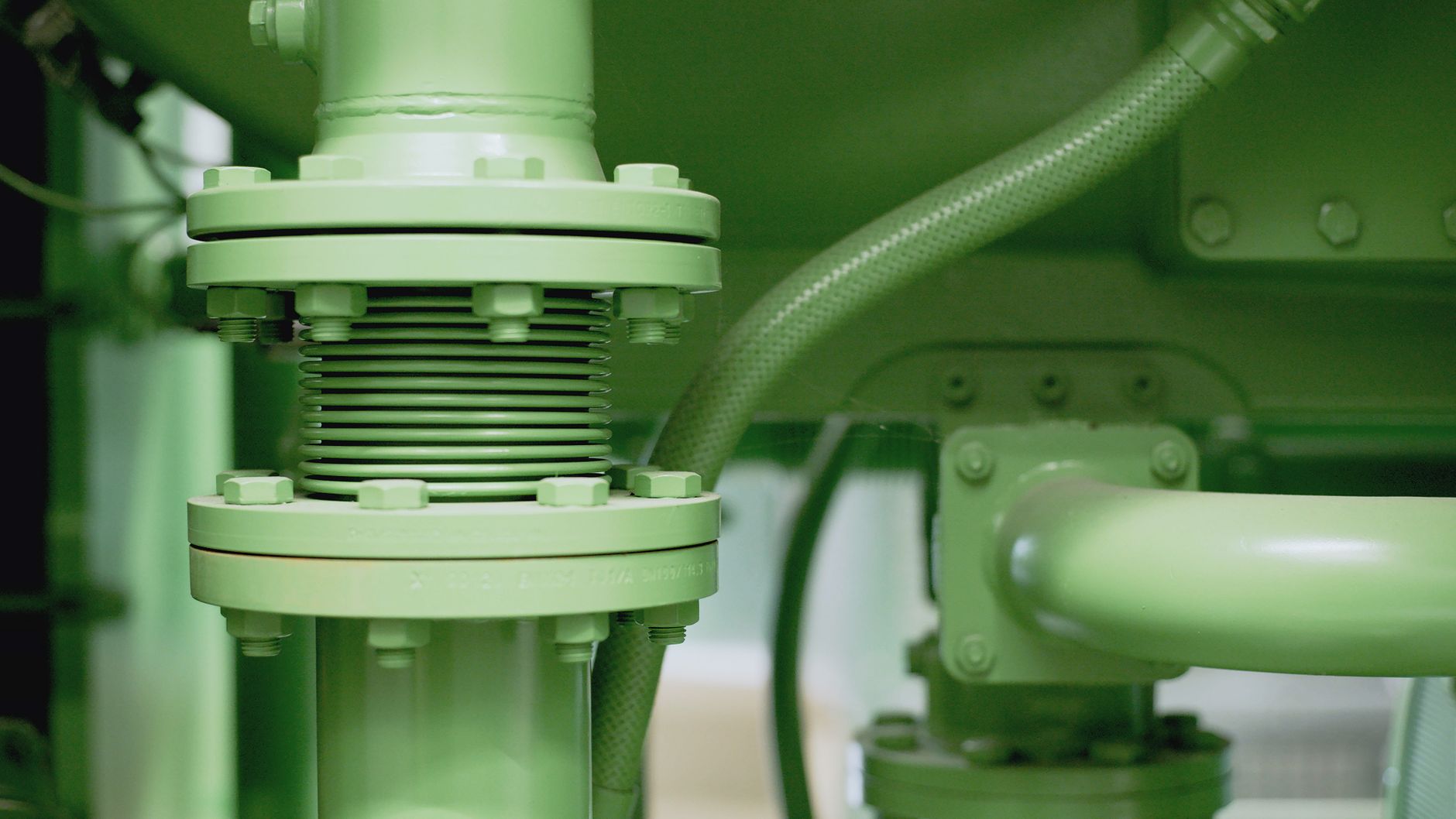
Refrigerant leaks often announce themselves visually before anyone pulls out gauges. Fresh oil at a valve stem, compressor body, gasket, flange, or brazed repair area is not proof of the exact leak rate, but it is a serious clue because oil travels with refrigerant. A robot that photographs the same joints and drain points on every pass can spot the first wet sheen, not just the mess after it spreads.
Oil also matters operationally. It attracts dust, darkens insulation, hides vibration wear, and makes old stains hard to distinguish from new ones if no image history exists. That is where a visual baseline pays off. The robot can flag change over time, while a technician decides whether the condition calls for leak check, repair, cleanup, or immediate shutdown action.
What must escalate to qualified technicians immediately?
Not every exception is equal. Some findings belong in the next planned service window. Others need immediate human response, especially in industrial sites using ammonia or high-charge systems. OSHA says ammonia refrigeration systems containing 10,000 pounds or more are covered by Process Safety Management, and its ammonia overview states that 300 ppm is immediately dangerous to life and health.
OSHA also notes that ammonia has an odor threshold around 20 ppm, and 29 CFR 1910.111 requires emergency alarms and condenser-system alarm and shutoff response to excess discharge pressure. In that setting, a robot should never be treated as permission to wait. It is an extra set of eyes and ears feeding the emergency and maintenance playbook.
- Any fixed refrigerant detector alarm in occupied areas or machinery rooms.
- Any visual sign of fresh oil spreading at active joints, seals, vessels, or compressor shaft areas.
- Any sudden change in thermal pattern on a compressor, discharge line, or condenser section compared with its recent baseline.
- Any acoustic signature that suggests active gas escape, severe valve chatter, or mechanical distress.
- Any ammonia-related alarm, emergency pressure event, or shutdown condition. Those go to trained refrigeration personnel under site procedure.
How should a U.S. operator buy and support this kind of program?
The hard part is rarely the robot by itself. The hard part is selecting a platform that can see the rack clearly, route it safely through mechanical spaces, tie its findings into alarms and work orders, and keep it running after go-live. That is why many operators look for inspection robot leasing, or robot leasing for business instead of owning a one-off machine with no support plan.
Service Robot Co. fits that gap as a full-service, OEM-neutral commercial robot integrator for U.S. businesses. According to servicerobotco.com, the company covers all 50 states, dispatches from 85 plus metros, and backs deployments with 10-minute remote triage and 24/7 emergency response. For refrigeration monitoring, that one partner one number model matters because robot deployment and integration, training, RoboCare™ service, and escalation support all sit under one roof.
It also gives facilities room to start carefully. A commercial robot demo, try before you buy program, inspection robot leasing, or monthly payment programs can be a cleaner path than betting the whole monitoring strategy on one purchase order. The right question is not can a robot drive past my rack. It is can this program produce usable evidence and get the right technician moving faster.