
Key takeaways
- A mobile robot is useful in a riser room as a between-inspection observer, not as a substitute for NFPA 25 testing.
- Daily or per-shift rounds can catch closed valves, wet floors, low temperatures, blocked access, and changing gauge readings sooner.
- Code-required work still belongs to qualified people, and in many jurisdictions to licensed fire protection contractors or inspectors.
- The strongest deployments pair robot documentation with a tight human escalation path, not with unattended autonomy.
Can a mobile robot really help here?
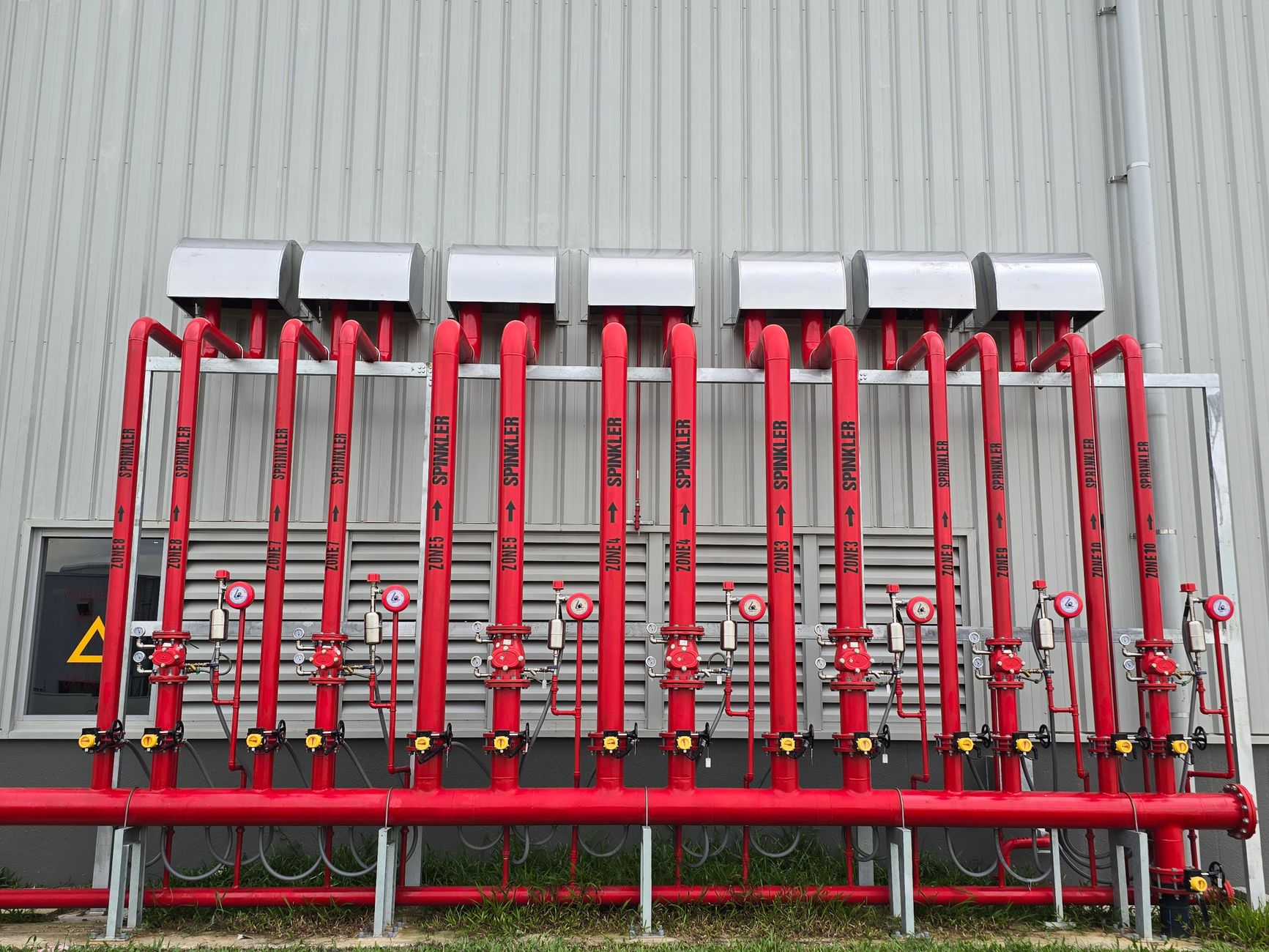
Yes, if the job is defined correctly. A mobile robot can make life-safety inspection rounds in fire sprinkler riser rooms between formal human inspections, capturing repeatable visual evidence of gauge faces, valve positions, floor moisture, corrosion streaks, room temperature, lighting, and access conditions. That creates a dated record of change instead of a pile of anecdotes.
It does not replace code-required inspection, testing, or maintenance. According to the National Fire Sprinkler Association's summary of NFPA 25 frequency rules, a quarterly task can land from 2 to 4 months apart, an annual task from 9 to 15 months, and a five-year task from 54 to 66 months. Those windows are reasonable for formal compliance work, but they leave a lot of ordinary operating time in between.
That gap is where an inspection robot lease or autonomous mobile robot leasing starts to make sense. The robot is not judging hydraulic adequacy, tripping valves, or signing an inspection report. It is documenting conditions early enough that your facilities team and your fire protection contractor can act before a small drift becomes an impairment.
Why do riser rooms justify extra attention?
These rooms look static until they are not. Current ICC-published code text, including the 2025 California Fire Code, requires ready access to sprinkler risers, labeled doors with minimum 2-inch lettering, room temperature of at least 40 degrees Fahrenheit, and permanently installed lighting. When a room falls below that bar, the deficiency is often painfully ordinary: a failed heater, a blocked path, poor housekeeping, or a door that nobody notices until a service visit.
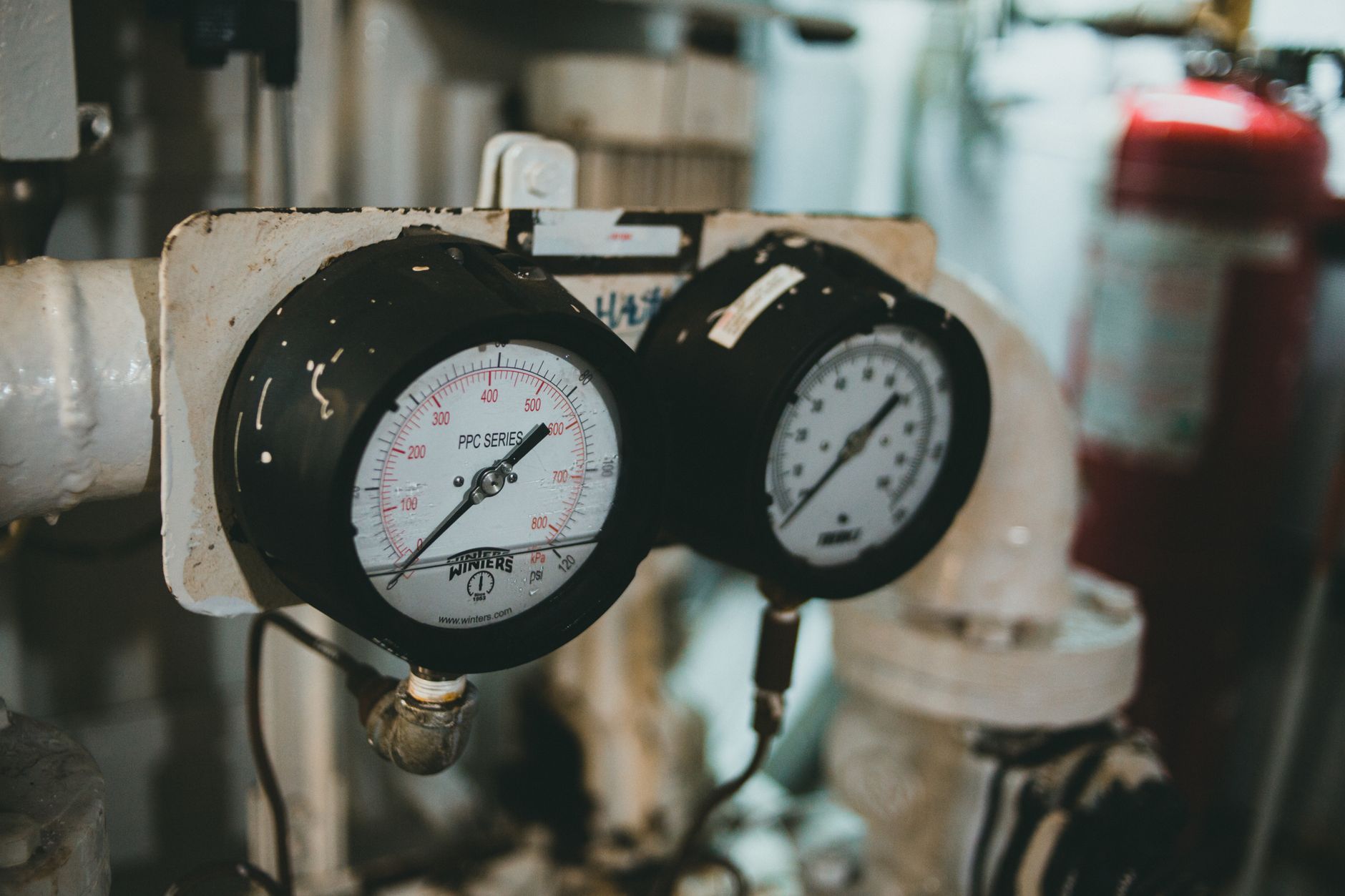
OSHA adds more practical stakes. Its automatic sprinkler rule requires at least one automatic water supply capable of design flow for 30 minutes, piping protected against freezing, and a local waterflow alarm on systems with more than 20 sprinklers. A robot cannot prove those design conditions by itself, but it can flag the visible precursors of trouble: frost risk, water on the floor, a suspiciously quiet or dark room, a gauge moving off baseline, or a control valve that no longer appears to be in its normal position.
What should the robot capture on every round?
The most useful robot rounds are boring in the best sense. They collect the same frames from the same positions every day, or every shift, so the building can compare condition against condition. In a life-safety room, consistency matters more than cinematic footage. You want images and readings that answer simple questions fast: Did anything move, leak, freeze, corrode, or get blocked since the last pass?
A good route also avoids contact. The robot should observe, not manipulate. No handles turned, no drains opened, no panels silenced, no resets attempted. The moment a deployment tries to substitute motion for observation, it crosses out of documentation and into regulated inspection or maintenance work.
- Gauge face photos with OCR or human-readable closeups for pressure trending against a known normal range.
- Valve-wheel or handle images, plus tamper-indicator or supervisory status views where visible.
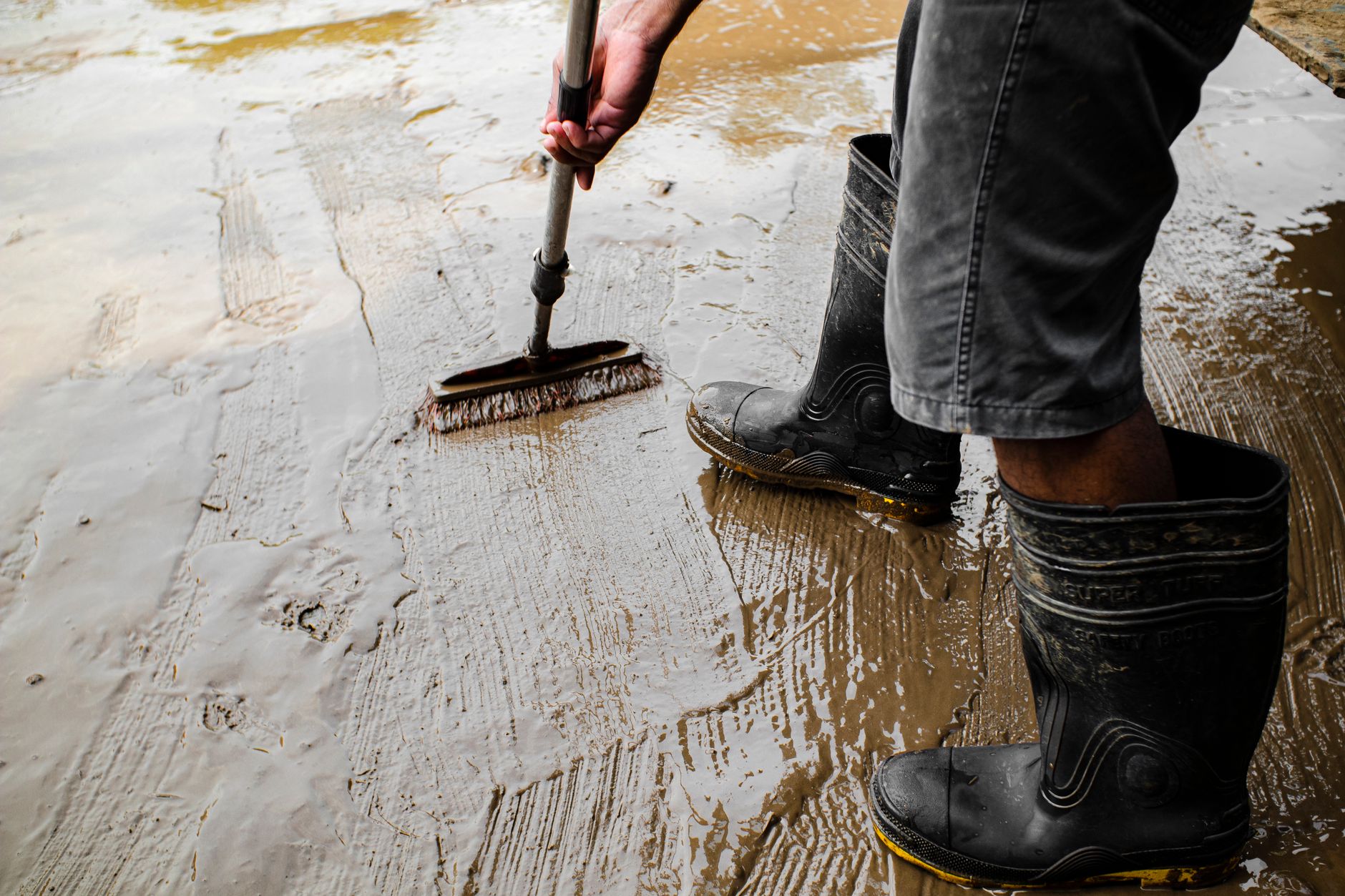
- Leak evidence around trim, backflow assemblies, drains, flanges, and floor penetrations, including standing water and rust streaks.
- Room-condition checks such as ambient temperature, lighting status, door condition, and clear access to the riser and drain points.
- Housekeeping exceptions such as stored materials, ladders, boxes, or trash that narrow working clearance or hide equipment.
What stays in the hands of qualified inspectors?
Formal inspection, testing, and maintenance stays human. According to the National Fire Sprinkler Association's NFPA 25 gauge summary, water pressure gauges are inspected quarterly, unsupervised air or nitrogen gauges monthly, and gauges are replaced or tested every five years, with replacement or recalibration required if they are outside a 3 percent tolerance. According to the same association's sign and valve guidance, control valves are inspected weekly, monthly, or quarterly depending on supervision. Those are compliance tasks, not camera chores.
The same boundary applies to functional testing. OSHA requires a main drain flow test annually and the inspector's test valve opened at least every two years. The National Fire Sprinkler Association notes that main drain testing moves to quarterly when the sole water supply is through a backflow preventer or pressure-reducing valve, and it reports that waterflow switches have been on a semiannual test interval since the 2008 edition of NFPA 25. None of that becomes valid because a robot looked at the hardware. It becomes valid when the required test is performed and documented by the right people.
According to the National Fire Sprinkler Association's owner-responsibility summary of NFPA 25, corrections and repairs must be completed by qualified maintenance personnel or a contractor. In many jurisdictions, licensing law and the authority having jurisdiction narrow that field further. The safe operating rule is simple: let the robot observe, let qualified people test, and let the AHJ and your fire protection firm govern the compliance side.
- Opening the inspector's test connection or main drain.
- Trip testing dry, preaction, or deluge equipment.
- Resetting or repairing alarms, switches, valves, or backflow devices.
- Issuing the formal inspection report your insurer, AHJ, or compliance file depends on.
How should the workflow be set up?
Start with a baseline pass taken together by facilities staff and the fire protection contractor. Mark the normal gauge ranges, the expected valve positions, the mandatory photo angles, the alarm-panel states that count as normal, and the exact escalation rules. If a gauge drifts, a leak appears, the room drops below temperature, or access is blocked, the robot should create an exception ticket for a human review rather than trying to interpret the problem away.
Cadence matters more than autonomy theater. For a single critical riser, one daily pass may be enough. For hospitals, high-rise portfolios, distribution sites, or campuses with repeated valve rooms, per-shift rounds often make more sense because the point is early detection after ordinary disturbances like maintenance work, deliveries, remodel activity, or freeze events. The robot becomes a disciplined witness, and the workflow around it is what makes the record usable.
Where the business case is strongest

Not every building needs a dedicated machine for this. The fit is best where someone is already walking repetitive rounds across multiple life-safety rooms, mechanical spaces, telecom rooms, or utility areas, and where the labor being spent is mostly travel plus visual confirmation. In that setting, one mobile platform can carry several inspection routes instead of being justified by a single riser room alone.
This is also where the commercial model matters. Some owners will want inspection robot leasing, robot leasing for business, or a leasing structure because the value comes from ongoing rounds and support, not from owning a gadget. Others will bundle the life-safety route with broader facility checks on the same machine. The common thread is not novelty. It is replacing irregular human memory with repeatable documentation and faster exception handling.
Where Service Robot Co. fits
Fire sprinkler observation is a classic integrator problem. The hard part is not buying a mobile base with cameras. It is choosing the right platform, sensor stack, route logic, charging plan, data retention method, and escalation workflow for a building that has real compliance exposure. Service Robot Co. works as a full-service commercial robot integrator for U.S. businesses, so a facilities team can buy this as an operating practice instead of stitching together hardware, software, training, and field support on its own.
That matters especially for owners who want one vendor for the full lifecycle. Service Robot Co. is OEM-neutral, which means we pick the right robot across manufacturers, then finance, deploy, integrate, train, and service each unit through a nationwide U.S. engineer network. For buyers evaluating service robot leasing, autonomous mobile robot leasing, monthly payment programs, RoboCare™ service, or a vendor neutral robot integrator for inspection routes, the point is one partner and one number after go-live.
Observation is the point, not substitution
The cleanest way to think about a robot in a riser room is this: it extends your eyesight between official events. It does not certify anything. It does not make impairment decisions on its own. It does not close out a deficiency. What it gives you is a tighter loop between condition change and human action.
That is precisely why the category is useful in life safety. Formal inspection and licensed work keep their legal and technical weight. The robot simply improves the odds that the right person is called sooner, with better evidence in hand. In a room full of valves, drains, gauges, and small signs of trouble, that is plenty.
Frequently asked questions
Sources
- OSHA 1910.159 Automatic Sprinkler Systems
- NFSA on Building Owner Responsibilities Under NFPA 25
- NFSA on Sprinkler Gauge Inspection and 5-Year Testing
- NFSA on Main Drain Test Frequency
- ICC 2025 California Fire Code Chapter 9
- NFSA on Control Valve and Sign Inspection Frequency
- NFSA on Waterflow Switch Testing Under NFPA 25
- NFSA Summary of NFPA 25 ITM Frequency Definitions