
Key takeaways
- Overhead condensate and utility drift can contaminate product long before a floor issue is visible.
- FDA guidance specifically flags ceilings, overhead structures, catwalks, and wet insulation as Listeria watch points.
- Robots work best for repeatable exception-detection routes, not for replacing QA or maintenance judgment.
- A first pilot should focus on one high-risk bay, one escalation workflow, and one accountable team.
The short answer
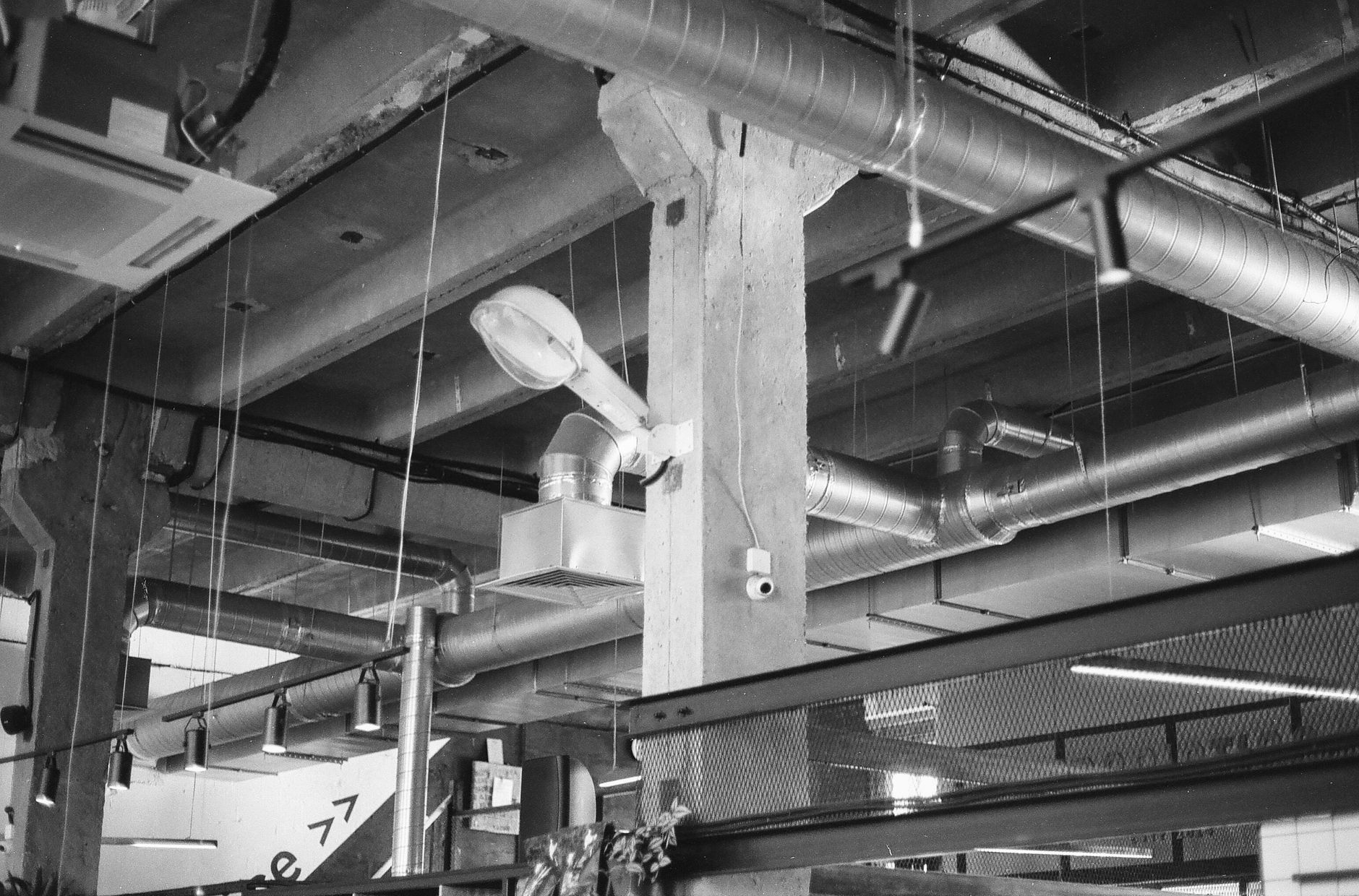
Yes. Inspection robots can earn their keep in the ceiling and utility-bay zone above a food line because that is where small sanitation failures often start. Pipe racks, cable trays, evaporators, condensate pans, valves, insulation jackets, and hanging utilities can drift out of spec quietly, then show up later as dripping water, dust, corrosion, or microbial harborage over exposed product.
A good robot program does not replace QA or maintenance. It gives them repeatable eyes in a place that is expensive to check often with ladders or lifts. The best routes look for exceptions: fresh condensation, staining, wet insulation, blocked drains, loose cladding, thermal anomalies, and changes near penetrations, hangers, or fan units.
That matters because the rules already point upward. According to FDA's draft Listeria guidance for ready-to-eat foods, plant design should prevent condensate buildup and harborage in overhead fixtures such as pipes, air vents, and lights. For meat and poultry plants, USDA FSIS says condensate dripping from cooler ceilings or refrigeration surfaces onto exposed product is an inspector-action event, not a housekeeping detail.
Why is the ceiling zone a real food-safety issue?
Gravity is merciless. A floor problem usually stays on the floor. An overhead problem can land on food, food-contact surfaces, packaging, or recently sanitized equipment. That is why the zone above mixers, slicers, fillers, cooling tunnels, and packaging conveyors deserves its own inspection logic instead of being folded into a general maintenance walk.
The pathogen risk is not abstract. According to CDC's March 19, 2025 foodborne-illness burden update, Listeria causes an estimated 1,250 illnesses, 1,070 hospitalizations, and 172 deaths in the United States each year. In ready-to-eat production, any recurring moisture source above exposed product deserves attention out of proportion to its size.
FDA's draft guidance explicitly lists ceilings, overhead structures, and catwalks as part of the plant environment to monitor, and it flags wet insulation around pipes and cooling units as a potential source of contamination. That is a strong signal that the overhead zone is not peripheral. It sits inside the plant's contamination map.
What actually goes wrong above the line?
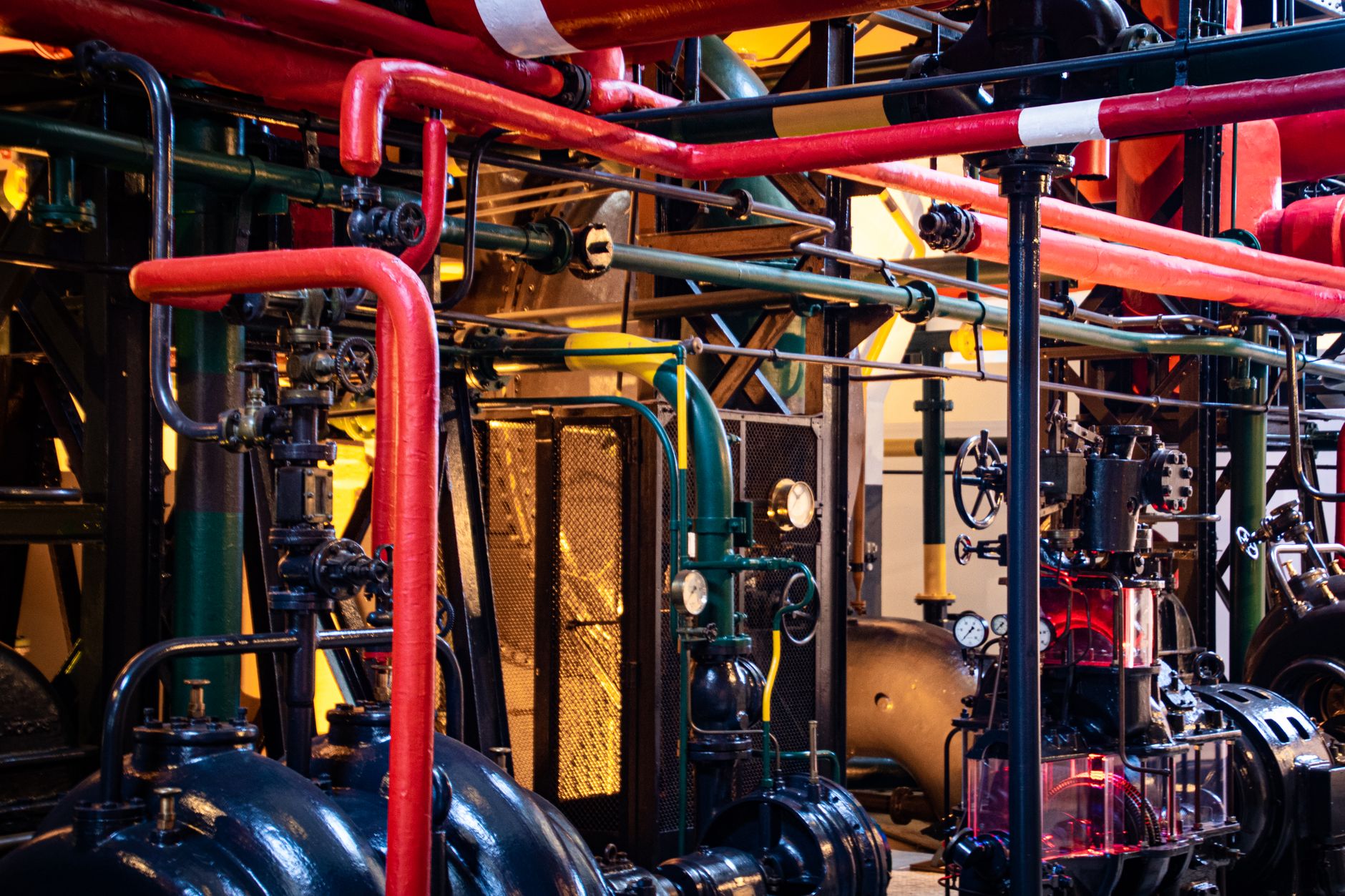
The pattern is usually ordinary, not cinematic. In a September 3, 2025 warning letter, FDA cited condensate droplets dripping from a refrigeration-unit fan guard to the floor next to a packaging-machine conveyor. In an August 8, 2022 warning letter, FDA cited excessive condensation on ceilings and evaporators directly above ready-to-eat product and sanitized bins. These are not edge cases. They are familiar plant failures that simply happen overhead.
Cable trays rarely become the headline finding, but the spaces around them do. Dust collects on horizontal runs. Penetrations get patched badly. Utility supports trap moisture. Insulation jackets split. A minor leak above the line can begin as a maintenance nuisance, then become a sanitation problem once it starts wetting surfaces that are hard to clean or hard to see from the floor.
According to FDA's draft guidance, the overhead workload is recurring enough to merit set frequencies. It recommends cleaning condensate drip pans weekly or monthly, overhead piping, ceilings, and walls weekly or monthly, and some walls and ceilings near production daily. If the zone must be checked that often, it is a candidate for repeatable robotic inspection rather than occasional heroic climbs.
- Condensate that forms during sanitation, cooling, startup, or defrost cycles
- Wet or damaged insulation around chilled lines and cooling units
- Overhead drains, pans, and hoses that stop emptying cleanly
- Corrosion, residue, or dust on pipe racks, cable trays, and supports
- Thermal drift around motors, bearings, or electrical enclosures in utility bays
Why do manual overhead checks miss too much?
Because they are awkward, disruptive, and easy to postpone. A supervisor can glance at a floor, a drain, or a handwash station in passing. Checking a ceiling utility run usually means a ladder, a lift, a catwalk, a permit, or a production gap. As a result, many plants inspect overhead spaces in batches instead of at the exact moments when humidity, startup conditions, or temperature changes make problems visible.
Every extra climb has a cost. According to CDC NIOSH, the United States recorded 22,710 workplace ladder injuries and 161 workplace ladder fatalities in 2020. A robot does not eliminate work at height, and it should not. What it can do is cut the number of routine trips that produce no finding, so people go up only when the evidence says they should.
It also helps in a physically demanding sector. According to the U.S. Bureau of Labor Statistics, food manufacturing posted a 2024 total recordable injury and illness rate of 3.3 cases per 100 full-time workers. Plants do not need more avoidable inspection burden in wet, hot, or cramped utility spaces just to learn that nothing changed since last night.

What should a robot actually capture on these routes?
Start with evidence QA and maintenance can act on, not cinematic video. Time-stamped still images from repeat viewpoints, thermal snapshots, and simple moisture or humidity indicators usually carry more value than a long wandering recording. The point is to compare conditions over time and trigger a human response only when the route shows meaningful change.
Route timing matters as much as payload. FDA's draft guidance recommends removing possible overhead condensation before inspection and treats ceilings, overhead structures, and catwalks as inspection-relevant plant areas. In practice, the most useful runs often happen after sanitation, after startup, after defrost, and after weather swings that drive humidity into the building envelope.
The route should stay disciplined. One robot pass over the same evaporator bank, the same utility bay, and the same pipe supports every night is more valuable than an occasional wide-area tour. Plants learn faster when Tuesday can be compared cleanly with last Tuesday, not with a different path taken under different conditions.
- Evaporators, fan guards, and drip pans above exposed or recently sanitized zones
- Pipe penetrations, hangers, and insulation seams where moisture hides
- Utility bays above slicing, filling, cooling, or packaging equipment
- Ceiling joints, cable-tray crossings, and dead zones above washdown splash
- Trend views that show change over time, not just a single alarm image
How should a food plant scope the first deployment?
Start with one bay, not the whole building. Ready-to-eat rooms, post-lethality zones, packaging areas, and chilled spaces with repeat condensation history usually outrank dry storage or office mezzanines. The goal of a first deployment is not coverage bragging rights. It is to prove that the robot can surface issues earlier and more consistently in a zone the plant already worries about.
Define action thresholds before the first route runs. A fresh drip over exposed product, wet insulation, a blocked condensate path, a new thermal hot spot, or recurring moisture at the same penetration should each have an owner and a response time. If the route only collects pictures and nobody knows what happens next, the pilot will die in a shared folder.
A good robot pilot program lasts long enough to catch normal cycles and ugly ones: startup, sanitation, weekend idle time, and weather swings. A commercial robot demo is only useful if it ends with evidence. Did the plant find issues earlier, reduce unnecessary lift work, or tighten sanitation records in the overhead zone? Those are the answers that matter.
Where does Service Robot Co. fit?
This is one of those use cases where brand loyalty can work against the plant. The right inspection robot lease for a humid cooked-food room may not be the right fit for a dry packaging mezzanine or a chilled utility corridor. Service Robot Co. is an OEM-neutral, full-service commercial robot integrator for U.S. businesses, so we match the route, payload, and sanitation context first, then handle robot deployment and integration around the plant's real workflow.
For U.S. operators weighing robot leasing for business, leasing, or a purchase, Service Robot Co. can finance, deploy, integrate, train, and service every unit through a nationwide U.S. engineer network. That means RoboCare™ service, remote triage, on-site dispatch, and one partner, one number across the lifecycle.
That matters in food plants because the hard part is not buying hardware. It is keeping the route useful after month one, fitting alerts into QA and maintenance routines, and supporting the unit when production schedules, humidity, or access rules change.