Key takeaways
- Large interceptors need repeatable lighting, positioning, and defect logs, not one-off camera runs.
- ASCE infrastructure data ties aging conveyance to rising failures per mile of pipe.
- Gas sensors, tether spools, and retrieval plans are part of the robot spec, not extras.
- Image quality and defect location standards must match your CCTV coding workflow.
Why inspect interceptor tunnels with robots?
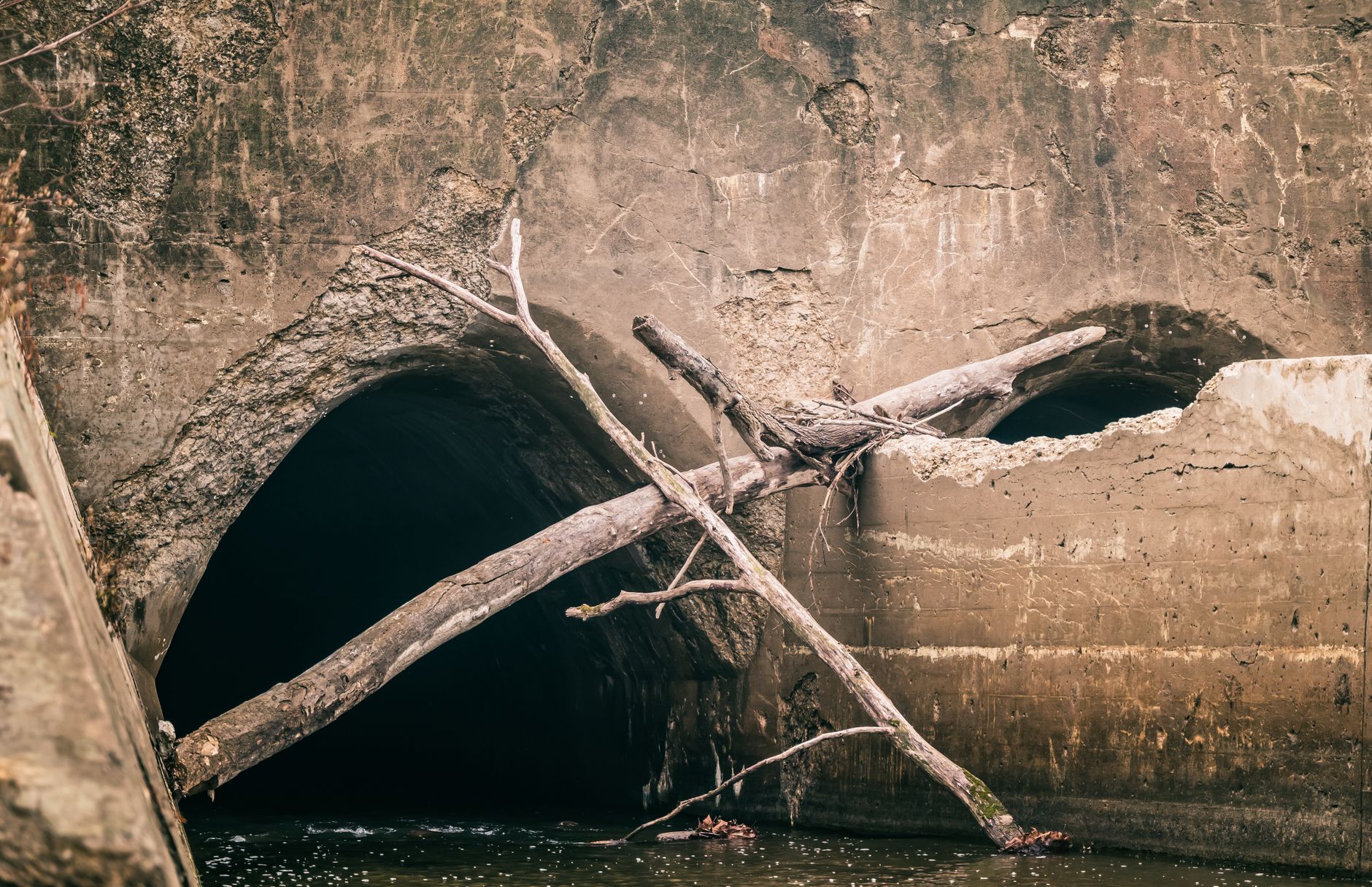
Large sewer interceptors move high flows between neighborhoods and treatment plants. When diameter, depth, or hydrogen sulfide risk makes manned entry rare, condition data gets old while the pipe keeps aging.
A tracked inspection robot with lighting and a stabilized camera can repeat a baseline run while the line stays in service or during controlled low-flow windows. You get georeferenced video and stills maintenance can code without sending a crew into a toxic atmosphere.
The ASCE 2025 wastewater infrastructure report notes conveyance pipe nationwide grew to upward of 1.87 million miles from 2019 to 2024, while collection system failures for combined water utilities rose to 3.3 per 100 miles of pipe in 2021. Interceptors are a small share of that mileage but carry outsized consequence when they fail.
What makes interceptor tunnels different from street mains?
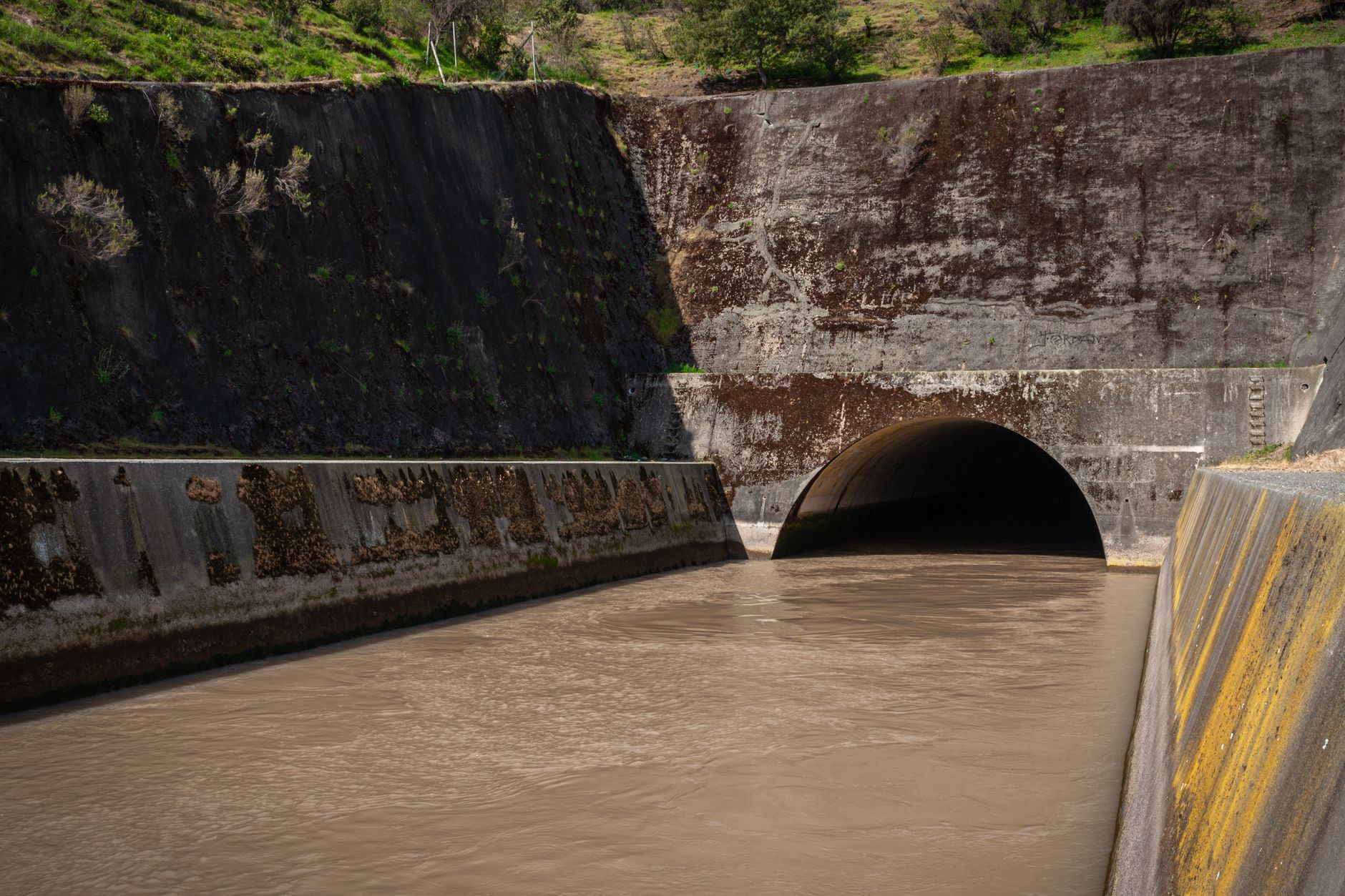
Interceptors are larger, straighter, and often deeper than lateral sewers. Flow velocity, sediment bars, and side connections change what a crawler sees halfway through a run.
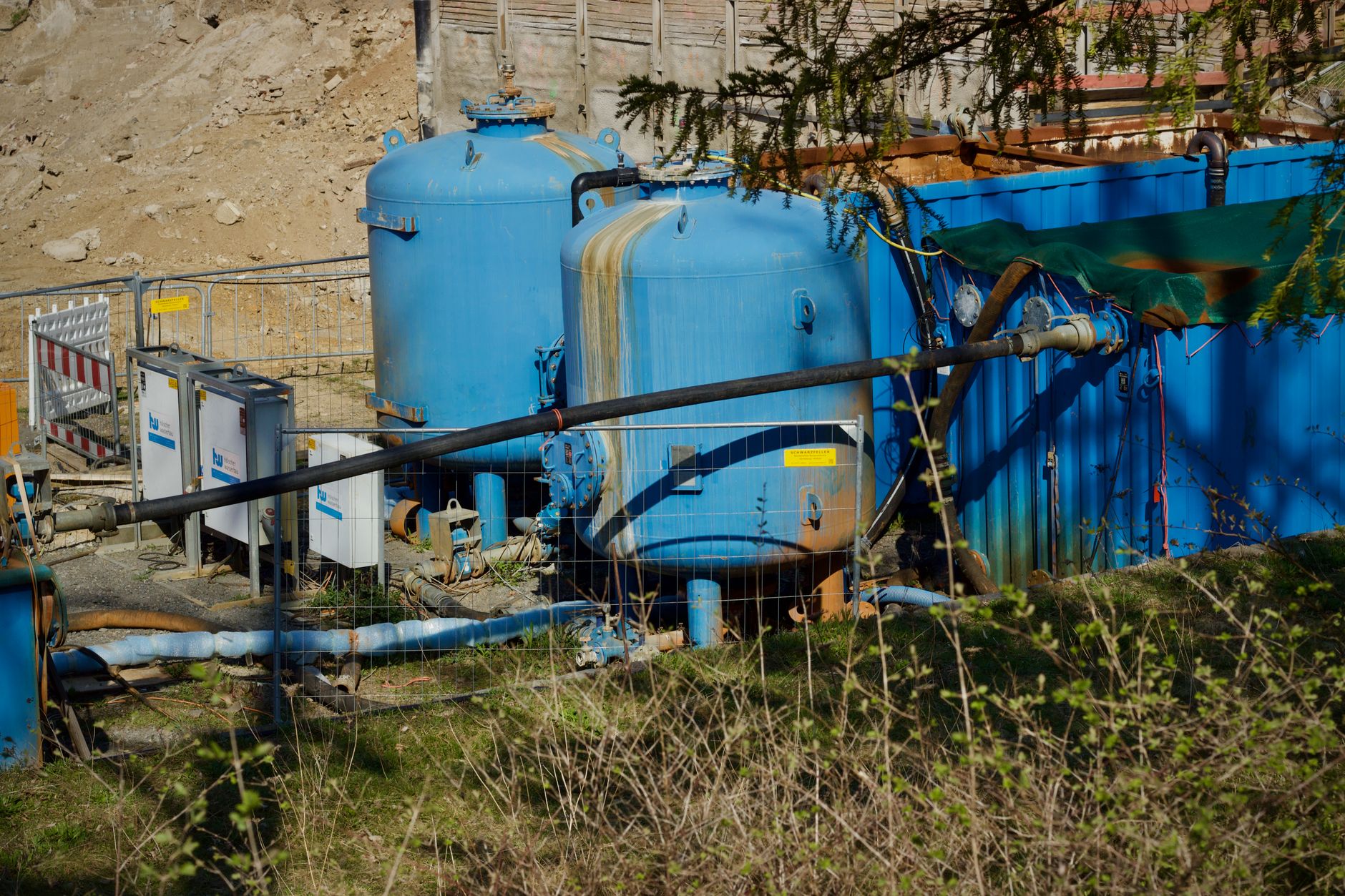
Access may be limited to a few manholes miles apart. That drives battery range, tether length, and how you stage rescue if the robot stops mid-tunnel.
Regulators still expect defect codes that match your CCTV program. The robot is a delivery platform for the same coding discipline, not a separate audit trail.
How much range and runtime do you need?
Measure tunnel length from manhole to manhole on the as-built, then add margin for sideline inspections and turnaround time. Specify runtime at full lighting load, not brochure idle time.
Wheeled or tracked crawlers handle flat invert sections differently than steep reaches with debris. Pilot on the worst sediment profile before you schedule production surveys.
If you need multiple passes for ovality or wall thickness tools, budget swap time at the access point so crews are not waiting on a hot manhole.
What lighting and camera specs matter?
Interceptor walls are dark and wet. Uniform LED rings reduce glare on standing water that can hide cracks.
Resolution matters for coding hairline fractures, but frame rate matters for smooth motion when the crawler vibrates on rails. Lock exposure settings before the run so reviewers compare apples to apples year over year.
Capture stills at fixed intervals plus on-demand marks when the operator sees change. Store heading and distance from launch so GIS teams can map findings.
How do communications work deep in tunnel?

Radio links fail quickly behind concrete and water. Fiber tethers or reinforced coax spools are common for long interceptors.
Define maximum tether pay-out, bend radius at the manhole lip, and who monitors tension while the robot climbs a steep invert.
Record video locally on the crawler as backup when the live feed drops. A partial run with onboard storage beats losing the entire survey.
When do gas sensors belong on the crawler?
Interceptors can accumulate hydrogen sulfide, methane, and low oxygen pockets even when flows look normal at the surface. Integrated multi-gas heads give the attendant at the manhole early warning before the robot enters the next segment.
Set hard stop thresholds in the run plan. If H2S crosses your utility limit, abort, ventilate, and re-evaluate before continuing.
Gas data logged with distance stamps also documents why a section was skipped, which helps regulators and internal safety reviewers.
What retrieval and rescue plans are required?
Treat a stuck robot like a confined-space incident waiting to happen. Pre-stage retrieval cord, winch anchors rated for the load, and a second access if the primary manhole is unsafe.
Train attendants on manual rewind and on cutting tether only as a last resort with a replacement cost approved in advance.
Run tabletops for mid-tunnel power loss: who descends, who maintains ventilation, and who notifies downstream operations if flows must be rerouted.
- Winch anchor rating and rigging checklist at each access
- Backup power or manual pull for tether spool
- Confined-space attendant and ventilation log
- Named incident commander for stuck-robot calls
How do you judge image quality and defect location?
Use a written acceptability rubric before paying for a survey: focus, glare, centering, and distance measurement error against a known feature.
EPA condition assessment guidance for collection systems emphasizes matching technology to project objectives, from screening to detailed internal inspection. Interceptor programs usually need the detailed tier, not a quick pass.
Compare this year's clock position and chainage to last year's on the same joint. Structural teams care about movement, not just presence of a crack.
How do robotic surveys compare to manual entry or static CCTV?
Manual entry costs more in safety staffing and often happens less often. Static push cameras work on shorter reaches but tire crews on multi-thousand-foot interceptors.
Robots trade higher upfront mobilization for consistent speed and repeatable lighting on long straight runs. The business case improves when failure consequence is high and EPA Clean Watersheds Needs Survey categories show billions in conveyance repair need nationwide.
According to the International Federation of Robotics, global shipments of professional service robots increased 24 percent to almost 250,000 units in 2025, with inspection among the expanding application groups in industrial and infrastructure settings.
Where Service Robot Co. fits a utility pilot
Service Robot Co. selects vendor-neutral crawlers, helps utilities write retrieval and gas-stop procedures, integrates exports into existing defect databases, and trains field teams on manhole staging. Inspection robot rental keeps the first interceptor segment off capex while you validate coding quality.
Start one reachable tunnel with good ventilation history before you bid the longest line in the system. Review video with the same coders who grade your street mains so standards stay unified.
Nationwide service covers tether inspection, wheel replacement, and sensor calibration so the next scheduled run is not delayed by parts drift.