Key takeaways
- For submerged or splash-heavy work, treat IP68 or NEMA 6P as a starting point, then ask for the exact tested depth, duration, and cable-entry details.
- A credible wet-well inspection package needs gas readings, location context, scale references, and defect images clear enough to support a maintenance call without a second visit.
- Lighting and image quality matter as much as locomotion. A robot that reaches the defect but cannot show corrosion depth, grease buildup, or coating loss is not doing the job.
- If you expect frequent inspections across multiple sites, an OEM-neutral partner can simplify inspection robot rental, robot leasing for business, service, training, and field support.
What should a buyer actually demand from a wet-well inspection robot?
Start with this rule: in a wet well, tunnel, or clarifier perimeter, the best robot is not the one with the flashiest mobility. It is the one that keeps people out, survives water and grit, sees clearly in foul light, and returns evidence strong enough to defend a maintenance decision. If it cannot do those four things, it is an expensive scouting toy.
For municipal contractors and industrial facility teams, the shortlist usually comes down to six buying criteria. Ingress protection, lighting, gas awareness, tether management, image quality, and evidence capture. According to OSHA's sewer-entry guidance, oxygen below 19.5 percent, flammable gas at 10 percent of the lower flammable limit, and hydrogen sulfide at or above 10 ppm are meaningful atmospheric thresholds in sewer work. That tells you the inspection context immediately. The robot is there to reduce exposure to a space you already know can turn ugly fast.
OSHA also documents fatal hydrogen sulfide incidents in sewer vaults and lift stations, including a case where four workers died in an underground lift station during an attempted rescue. That is the real buying frame. A robot is not replacing a pair of boots. It is replacing unnecessary entry into a space that can stack toxic gas, water, sludge, poor footing, and bad visibility all at once.
How much ingress protection is enough for wet wells and clarifier work?
Do not accept vague phrases like water resistant or washable. For wet wells, force-main discharge points, and splash zones around clarifier channels, ask for the enclosure standard and the test conditions. Schneider Electric's definition of NEMA 6P says it is intended to protect against water entry during prolonged submersion at a limited depth. That is a serious baseline for equipment that may sit in pooled liquid, get dunked during recovery, or operate just above the waterline in constant spray.
IP68 can also fit, but buyers need to read the fine print. As NEMACO notes, IP68 confirms submersion capability but does not set one universal depth or duration. Those limits are set by the manufacturer. Two machines can both say IP68 and still tolerate very different conditions. For wastewater work, that difference is not academic. It determines whether a robot survives a routine dip at the benching or dies the first time a pump cycle surges.
Press on the weak points, not just the body shell. Ask where the cable penetrations are sealed, how the camera housing is protected, what happens if the unit is dragged through rags or grit, and whether the lights fog when the machine comes out of warm wastewater into cooler air. The enclosure rating on the brochure is only the opening bid.
- Ask for tested submersion depth and duration, not just the rating label.
- Ask if the tether connector keeps its seal while under tension and during retrieval.
- Ask how the drive system handles grit, stringy debris, grease, and intermittent submersion.
- Ask what must be replaced after a seal breach and how fast field service can happen.
Why lighting and camera quality make or break the inspection
Wastewater defects hide in bad contrast. Crown corrosion, exposed aggregate, grease ribbons, coating failure, and ladder damage all disappear in dim footage with flare bouncing off wet concrete. EPA guidance on hydrogen sulfide corrosion is blunt that visual inspection of manholes, wet wells, headworks, and related structures is essential. If your robot cannot illuminate the wall evenly and keep the image stable close to the surface, you are not really inspecting. You are guessing.
Buyers should insist on more than headline resolution. Ask for low-light performance, close-focus distance, dynamic range in reflective wet conditions, and the ability to hold position long enough for repeatable stills. A 4K label means little if the lens smears under condensation or the lighting blows out every reflective patch. In this environment, usable detail beats raw pixel count.
Clarifier edges and channels add another wrinkle. You often need to see both the defect and its context. That calls for at least two modes of evidence: a wide establishing view that shows where the defect sits in the structure, and a tight view that lets a supervisor judge severity. If the robot cannot provide both, maintenance teams end up sending a person back out to confirm what the footage failed to show the first time.
Does the robot need gas awareness if nobody is entering?
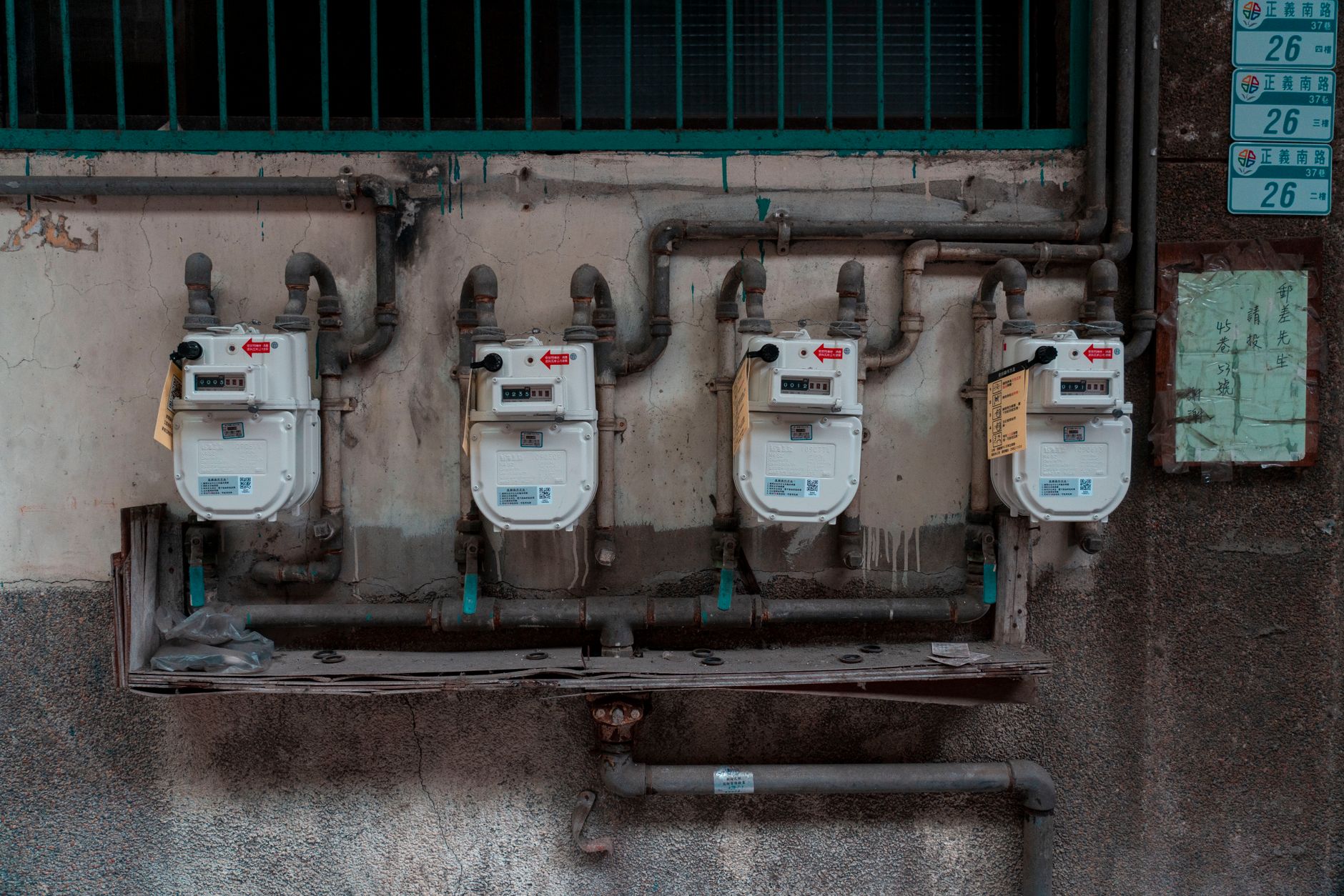
Yes, because a robot that sees the space without characterizing the atmosphere gives you only half the story. OSHA's confined-space examples for sewer entry use oxygen, hydrogen sulfide, and flammable gas as the minimum parameters to monitor, and the agency's sewer-entry appendix calls for monitors with audible alarms. Even when the inspection stays non-entry, gas data changes the urgency of the response, the rescue posture, and the work plan for any follow-on repair.
This matters in wet wells because hydrogen sulfide is both toxic and flammable. OSHA's chemical data page lists hydrogen sulfide with a lower explosive limit of 4.3 percent and an upper explosive limit of 45 percent. EPA's wastewater corrosion guidance adds a practical detail many buyers miss: headspace H2S should be measured without disturbing the atmosphere, and it is critical to measure within 6 to 12 inches of the liquid surface. That is where a lot of bad decisions begin. Teams open a cover, wave a meter around in cleaner air, and assume the space is milder than it is.
A strong inspection setup therefore needs either integrated gas sensing or a defined paired procedure with remote atmospheric monitoring. The result should sit inside the inspection record, time-stamped against the imagery, not in somebody's memory or on a separate scrap of paper.
What tethering setup works in ugly spaces instead of a clean demo floor?
In wastewater inspection, the tether is part of the robot. Treat it that way. A beautiful crawler with a bad tether will snag on ladder rungs, wrap around rails, drag through grease, and become a retrieval problem. In wet wells and tunnels, buyers should ask about cable stiffness, abrasion resistance, bend radius, jacket chemistry, and strain relief at the robot and topside control end.
You also need a plan for location certainty. Footage is far more useful when the operator can state where the camera was, how far down the structure it was, and from which reference point the defect was recorded. Tether markings, reel telemetry, or disciplined logging can all work, but one of them has to be there. Otherwise the maintenance crew gets handed dramatic video with no clean way to relocate the actual defect.
Recovery matters too. EPA's corrosion guidance explicitly says accessible areas should be viewed without entering the structure. That principle should shape the whole operating method. A buyer should prefer a tether and retrieval setup that lets the crew launch, reposition, and extract the robot from the surface, even if visibility drops or debris shifts mid-run.
What evidence makes a maintenance call credible?
A credible maintenance call is not just footage of something ugly. It is a compact record that lets an operations manager, engineer, or contractor decide what to do next with confidence. EPA's corrosion checklists focus attention on the items that actually matter in these structures: metal condition, exposed reinforcing steel, concrete loss, black sulfide coatings on copper, and equipment damage. Your robot should help capture that level of proof.
The minimum evidence package usually includes atmospheric readings, a date and time stamp, site and asset ID, an establishing image, close-up defect images, and some way to judge scale. In corrosion work, scale can be as simple as a known ladder rung spacing, a calibrated overlay, or a laser reference. Without scale, the difference between surface staining and serious material loss stays blurry, and the repair call turns into argument instead of action.
For repeat inspections, consistency matters as much as clarity. The same vantage points, similar lighting angles, and repeatable annotations let teams compare month to month. That is how you spot a wall going from cosmetic attack to real structural risk before it becomes an emergency.
- Asset context: facility, structure ID, date, operator, and inspection purpose.
- Atmosphere context: oxygen, flammable gas, and hydrogen sulfide readings tied to the inspection window.
- Defect context: wide shot, medium shot, and close shot of each issue.
- Severity context: scale reference, estimated extent, and notes on access constraints.
- Action context: clean recommendation such as monitor, clean, coat, repair, isolate, or schedule confined-space entry.
Where Service Robot Co. fits in an inspection program
Many buyers do not need one more piece of hardware to manage. They need an inspection robot rental or robot leasing for business plan that covers selection, deployment, training, and field support. That is where Service Robot Co. fits naturally. The company is an OEM-neutral robot integrator for U.S. businesses, so the job starts with matching the machine to the space instead of forcing the space to fit one catalog.
For wastewater and industrial inspection programs, that matters because the mix is rarely uniform. One site may need a submersible crawler for a wet well, another may need a compact unit for tunnel runs, and a third may need a platform that can document clarifier-edge deterioration without putting a worker on a slippery perimeter. Service Robot Co. can handle the commercial robot demo, free site assessment, robot deployment and integration, operator training, and ongoing service through a nationwide engineer network. One partner, one number, and no need to juggle separate sellers, finance contacts, and service desks.
If your workload is seasonal or spread across contracts, the commercial logic can matter as much as the technical fit. Inspection robot rental, robot as a service, and monthly payment programs can make more sense than owning a specialized unit that sits idle between events. The right structure depends on inspection frequency, site spread, and how quickly a failed unit must be swapped out.
How to compare options before you sign
Run the comparison like an operations exercise, not a showroom demo. Ask each candidate system to inspect a representative ugly asset. Low light. Wet walls. Real debris. Real cable handling. Real retrieval. Then score the result on survivability, image usefulness, operator workload, and the credibility of the final report.
A good pilot ends with a simple question: could this evidence justify a cleaning order, coating repair, structural escalation, or deferred action without sending a person back in just to confirm what the robot saw? If the answer is no, keep shopping. In hazardous inspections, partial visibility is not a bargain. It is rework with extra steps.
The buyers who get this right usually build a standard. Minimum ingress rating for each asset class. Required gas data. Required shot list. Required retrieval method. Required service response. Once that standard exists, procurement gets easier, pilots get shorter, and maintenance decisions stop depending on who happened to be holding the controller that day.