Key takeaways
- IP ratings test the enclosure under IEC 60529, not every cable, dock, or sensor.
- First digit covers solids and finger access; second digit covers water spray or immersion.
- IP65 is common outdoors but may still fail if connectors sit unsealed in driving rain.
- Washdown plants need higher water digits than a covered loading dock.
- Condensation and temperature swings need separate specs beyond any IP mark.
What does an IP rating actually promise?
An IP code on a commercial robot describes how its electrical enclosure performed in standardized tests under IEC 60529, the international degrees-of-protection standard adopted in the U.S. as ANSI/IEC 60529. The letters IP are followed by two digits. The first addresses access to hazardous parts and ingress of solid objects, including dust. The second addresses harmful ingress of water.
That scope is narrower than marketing sometimes implies. The rating applies to the enclosure as tested, at rated voltage not exceeding 72.5 kV per the standard scope. It does not automatically cover external connectors, open charging contacts, lidar windows, or a dock sitting in a puddle unless those parts were included in the test configuration you were sold.
For outdoor patrol, delivery, or scrubbing robots, treat IP as one line on the datasheet, not the whole weather story.
How do you read the two digits?
The first digit runs from 0 through 6. Numeral 5 means dust-protected, where limited dust may enter under defined conditions. Numeral 6 means dust-tight, with no dust ingress in the test. Numeral 4 is the familiar protection against objects as small as 1 millimeter wire.
The second digit runs from 0 through 9. Low numbers cover dripping water. Mid numbers cover spraying and splashing. Numeral 5 means protection against water jets from a defined nozzle. Numeral 6 adds more powerful jets. Numerals 7 and 8 cover temporary or continuous immersion at specified depths. Numeral 9 covers high pressure and high temperature water jets.
Letter X means that digit was not tested, not that protection is zero. Ask what was tested when you see IPX4 or similar markings.
Which IP levels fit common outdoor robot jobs?
Covered parking garages and breezeways often see rain blown sideways but not full washdown. Many buyers start at IP54, which blocks most splashes and limited dust, then validate connectors and charging bays separately.
Open lots, campus quads, and hotel ring roads usually push teams toward IP65, interpreted as dust-protected or dust-tight paired with water jet resistance on the main enclosure. Confirm whether the vendor tested numeral 5 or 6 on the first digit, because dust performance differs.
Food and beverage plants that hose down floors need a higher second digit and a written chemical compatibility list. A patrol robot rated IP65 on paper may still fail if staff aim foamers at unsealed USB service ports every night.
What IP ratings do not cover?
IEC 60529 does not rate UV aging, salt fog corrosion, or operating temperature range. A robot can carry IP66 and still crack a plastic shroud after two summers in Arizona unless the material spec says otherwise.
Condensation from cold nights to warm mornings can pool inside enclosures that passed a dry lab spray test. Ask about breather valves, conformal coatings, and where humidity sensors live.
Vibration on rough pavement can loosen gaskets that were perfect on day one. Outdoor programs need maintenance intervals for seals, not only battery swaps.
How should buyers audit connectors, docks, and sensors?
List every point where water can cross from outside to a live circuit: charge contacts, manual estop buttons, lidar glass, camera bezels, and antenna glands. Require the same IP level or explicit overhang instructions for each, or document why a gap is acceptable.
Charging docks often sit lower than the robot body. A dock tray at IP44 with a robot at IP65 still means wet debris in the charging throat during storms. Site photos belong in the purchase file.
Sensors are only as sealed as their mounts. A sealed chassis with a recessed lidar puck open to sky wash will fog before the main cabinet fails.
How do washdown and rain differ in practice?
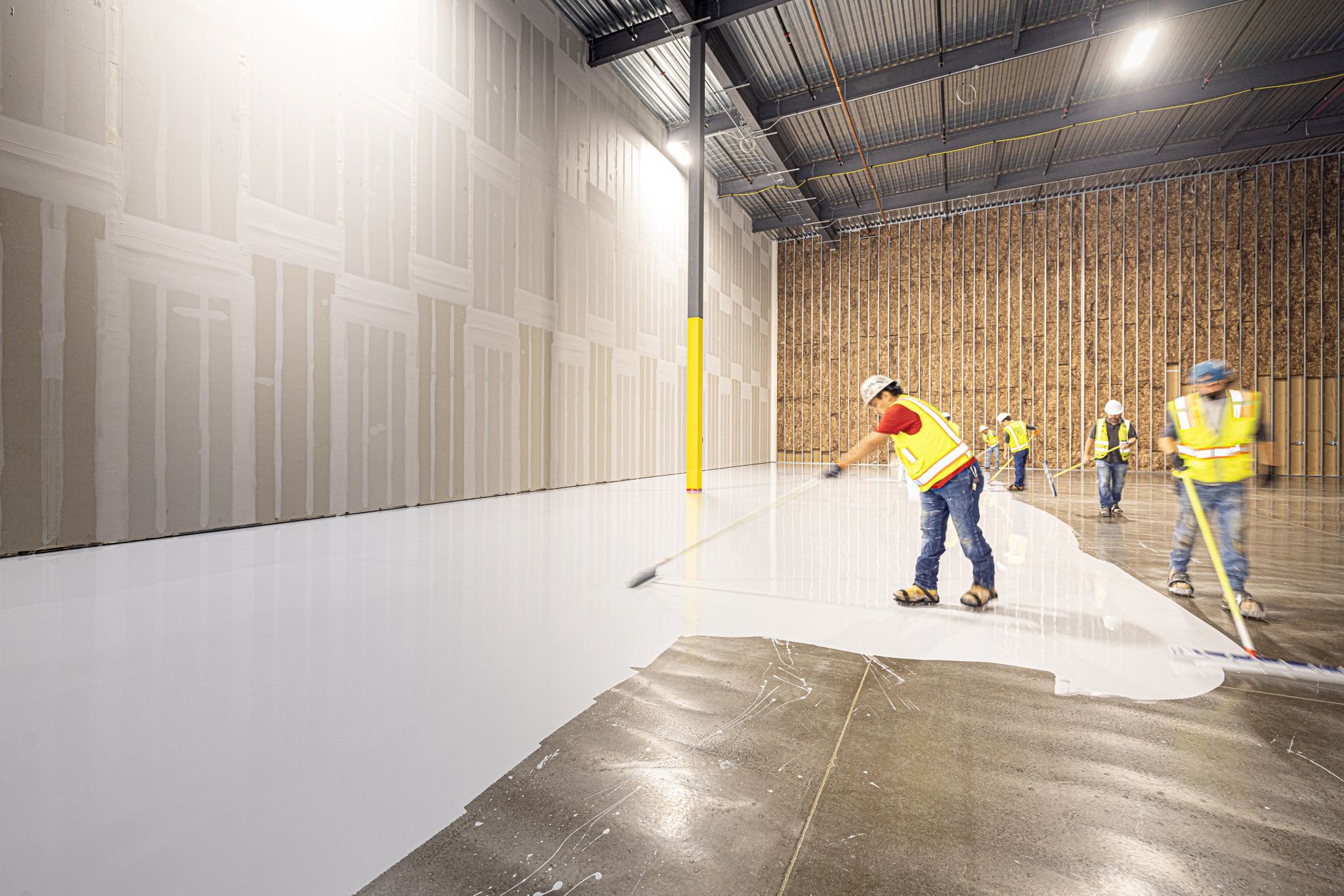
Rain tests in IEC 60529 use defined spray angles, durations, and nozzle sizes. Washdown in your plant may exceed those pressures or add caustic chemistry. Copy the sanitation SOP into the RFP and ask integrators to flag gaps.
Second digit 4 resists splashing from any direction. Digit 5 adds jetting. If your sanitation crew uses narrow high-pressure wands, digit 5 or 6 is a safer floor than assuming digit 4 covers everything.
Indoor robots moved outdoors for summer events need a re-audit. Door thresholds, ramp grades, and drainage change the water exposure even when the IP sticker stays the same.
What belongs on a buyer checklist before sign-off?
Document the worst-case site: driving rain angle, dust type, de-icing salt, low night temperatures, and any pressure washing. Map each hazard to enclosure, connector, dock, and sensor.
Request the test report clause from IEC 60529 that matches the claimed digits. Confirm whether optional letters for finger access were used.
Run a wet-season pilot with logged faults. Corrosion and fogging often appear weeks after the acceptance spray test.
- Match first digit to dust load, not only to marketing photos of deserts.
- Match second digit to actual spray sources, including sanitation hoses.
- Seal or shelter every charge path water can reach.
- Add corrosion and UV specs when robots live outside year round.
- Schedule gasket inspection on the same calendar as tire and brush wear.
How does a neutral integrator help?
Service Robot Co. runs free site assessments that translate weather and washdown reality into enclosure requirements before you sign a month to month robot lease. We compare multiple OEM datasheets on the same checklist so IP claims are apples to apples.
We deploy, finance, and service outdoor fleets nationwide, including dock placement and spare seal kits in the maintenance plan. If the rated enclosure passes lab tests but connectors fail in the first storm, we remediate the same units instead of treating IP as someone else's problem.