
Key takeaways
- Assign one operational owner and one trained service owner for every dock.
- Check the approach lane and dock face each shift, then inspect hidden wear on a fixed schedule.
- Treat repeat docking failures as maintenance evidence, not harmless robot behavior.
- Deenergize and isolate applicable energy sources before intrusive servicing.
What keeps a robot dock reliably available?
A robot dock stays available when four conditions remain true: the charging contacts are clean and correctly aligned, the approach lane is unobstructed, water connections do not leak or restrict flow, and the surrounding floor is dry and sound. A short inspection at every shift change catches most dock problems before a robot misses a charge or abandons a mission.
Give each dock a named operations owner, a documented inspection cadence, and an escalation path to trained service personnel. Configure blocked-dock alerts so repeated approach attempts, incomplete charging handshakes, abnormal fill or drain cycles, and unexpected dwell time create work orders instead of disappearing into an event log.
Cleaning is only the first layer. Staff should distinguish safe operator care, such as removing loose debris, from servicing that requires energy isolation, lockout or tagout, test equipment, special tools, or a qualified technician. That boundary protects people and keeps small defects from becoming expensive failures.
Who should own dock readiness?
Dock care often fails because everyone assumes someone else checked it. Assign a primary owner by shift, usually facilities, environmental services, warehouse operations, or the local robot champion. That person confirms availability and records defects but does not automatically receive permission to open electrical covers or repair plumbing.
A second owner should control technical service. This may be an authorized maintenance employee or an outside engineer working under the facility's energy-control rules. OSHA's robotics guidance recommends documenting periodic inspections and maintenance, including the identity or skill profile of the workers performing them.
For mixed fleets, one operating standard is far easier to audit than separate informal habits. Service Robot Co. acts as a vendor neutral robot integrator, coordinating robot deployment and integration, training, financing, remote triage, and on-site dispatch across manufacturers. That one partner one number model gives the site a clear escalation route throughout the equipment lifecycle.
- Shift owner: checks access, cleanliness, status lights, leaks, and obvious damage.
- Facilities owner: maintains power, plumbing, drainage, floor markings, and physical protection.
- Fleet owner: reviews alerts, docking success trends, and repeat faults across sites.
- Authorized service owner: isolates energy, opens guarded areas, adjusts hardware, and releases the dock after repair.
How often should each dock be inspected?
Use frequency according to failure speed. A pallet left in an approach lane can stop work immediately, so inspect the lane every shift. Contact wear develops more gradually and deserves a closer weekly check. Hoses, strainers, anchors, cable protection, and drainage need scheduled examination even when the dock reports healthy.
The cadence below is a practical starting baseline, not a substitute for the equipment instructions, risk assessment, local code, or operating history. Increase frequency after construction, seasonal salt exposure, heavy debris, plumbing work, route changes, impacts, or a rise in docking retries.
OSHA's 29 CFR 1910.22 requires walking-working surfaces to be inspected regularly and as necessary. For applicable hazardous-energy procedures, 29 CFR 1910.147 requires a periodic inspection at least annually, performed by an authorized employee other than the person using the procedure being inspected.
- Every shift: clear the lane, check the floor, look for leaks, confirm the dock is online, and review unresolved alerts.
- Daily: wipe approved external surfaces, inspect exposed contacts without touching energized parts, and verify successful charging or fluid service.
- Weekly: examine contact wear, guides, reflectors, fiducials, hoses, connectors, strainers, cable covers, fasteners, and drain flow.
- Monthly: review retry counts, charge completion, queue time, leak history, impacts, and recurring blocked-dock events.
- Quarterly: test alert routing, inspect anchoring and alignment, exercise shutoffs, and confirm labels remain legible.
- Annually: review applicable energy-control procedures and complete required inspections and retraining.
What should staff check on charging contacts?
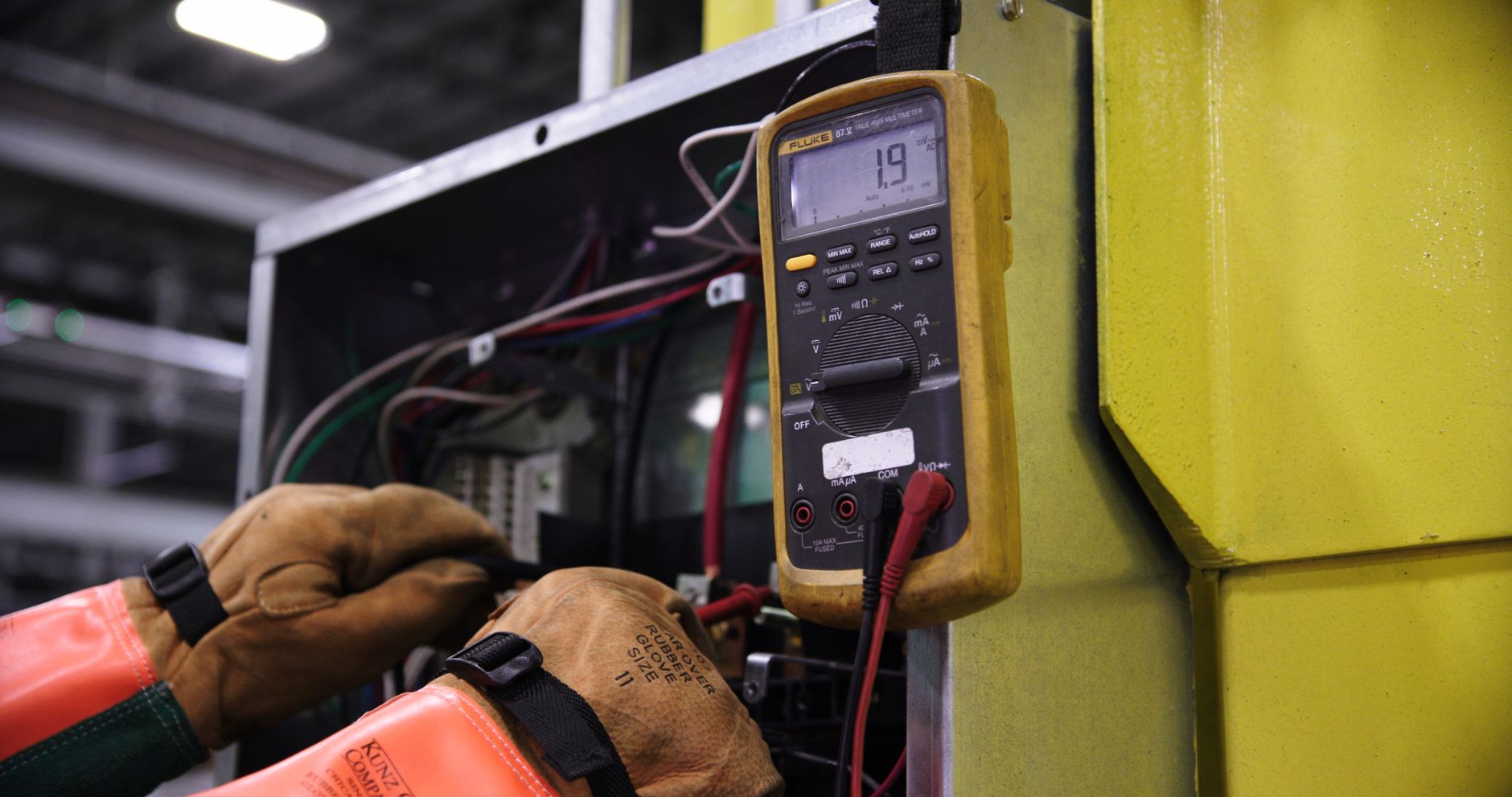
Begin with the dock disabled according to the approved operator procedure. Look for dust, fibers, floor-care residue, corrosion, discoloration, pitting, bent pieces, damaged insulation, or a contact that no longer moves freely. Also inspect the robot-side contact area because contamination transfers in both directions.
Use only the cleaning material and method approved for that dock. Do not scrape contacts with metal tools, sand away plating, spray fluid into the assembly, or press a cloth into an energized gap. If residue returns quickly, investigate the source. The cause may be airborne dust, overspray, a wet approach path, a misaligned guide, or contact pressure that is producing heat.
A dock is not healthy merely because its status indicator is green. Review evidence from completed charging sessions: successful engagement, expected charge progression, normal contact temperature if monitored, and clean undocking. Repeated connect-disconnect cycles or a robot that parks slightly off-center should trigger inspection before the battery falls below its mission reserve.
Why do approach lanes and floors cause so many faults?
Autonomous docking depends on a repeatable final approach. Carts, waste bins, floor mats, pallets, cords, temporary signs, and even a slightly curled floor protector can change the geometry. Keep the mapped approach lane clear and preserve the final turning space specified during commissioning.
Inspect painted boundaries, wall targets, floor markers, reflectors, and protective bollards for movement or obstruction. Never relocate a dock, add a barrier, or change the lane merely because the robot still reaches it during a quick test. The altered approach must be validated under normal traffic, payload, lighting, and floor conditions.
The surrounding floor matters to people too. OSHA's 29 CFR 1910.22 says workroom floors must be maintained clean and, to the extent feasible, dry. It also requires hazards such as leaks and spills to be corrected before employees use the surface again, or guarded when immediate correction is not possible.
For an industrial floor scrubbing robot or commercial cleaning robot leasing, examine the lane for detergent film, silt, loose debris, rutting, cracked joints, and standing water. A dock beside a wet process should have working drainage and a dry place from which staff can inspect or service it.
How should water fill and drain connections be maintained?
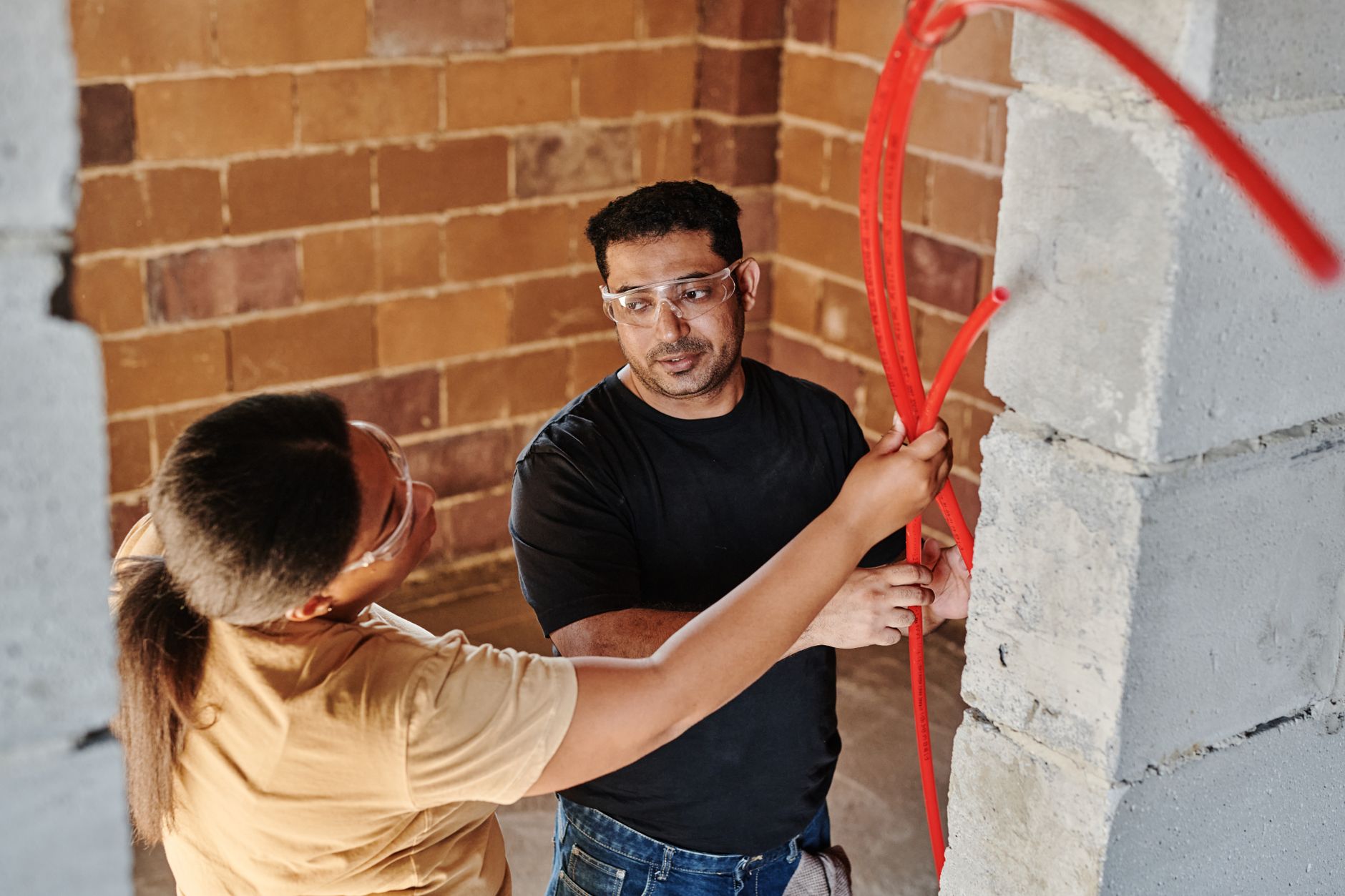
Automatic fill and drain docks add valves, hoses, seals, filters, couplings, and plumbing to the availability chain. Each shift, look and listen for dripping, spraying, pump cavitation, slow drainage, unexpected odors, and water beneath the robot. A small leak can foul charging contacts, create a walking hazard, and distort the robot's wheel traction during alignment.
Weekly checks should cover hose abrasion, kinks, loose couplings, cracked seals, blocked strainers, drain debris, and strain at connection points. Keep clean-water and recovery-water components unmistakably identified. Never substitute a chemical, lubricant, seal, or hose without confirming material compatibility and the approved maintenance procedure.
If the dock shows a slow fill or drain, do not keep restarting the cycle. Take it out of service, close the applicable supply, contain the area, and inspect the permitted external components. Plumbing disassembly, concealed leaks, backflow devices, and energized pump work belong with trained personnel operating under facility rules and local code.
What should a blocked-dock alert actually do?
A useful alert describes the operating consequence, not merely the robot's location. Separate lane obstruction, failed alignment, charging handshake failure, water-service failure, occupied dock, dock offline, and excessive dwell. Different causes demand different responders.
Route the first alert to the shift owner with a short safe check: verify the lane is clear, inspect for liquid, confirm another robot is not occupying the station, and look for obvious damage. If the condition persists after the permitted recovery step, remove the dock from dispatch and send the event to remote triage or commercial robot repair service.
Measure patterns, not just outages. Track docking success on the first attempt, retries per arrival, abandoned approaches, time to begin charging, fill and drain duration, alert acknowledgment, and time to restoration. Set thresholds from the site's validated baseline and adjust them after route, software, floor, or traffic changes.
Never let alerts create a queue of undercharged robots around one failed station. Fleet logic should redirect compatible units, preserve battery reserve, and notify operations when remaining dock capacity cannot support the schedule. A robot fleet management program should also test stale alerts, lost connectivity, and duplicate notifications.
How can crews service a dock safely?
Write a task boundary that everyone can recognize. Routine operator care may include clearing loose debris, wiping approved external surfaces, checking indicators, and reporting damage. Opening enclosures, adjusting contacts, releasing stored pressure, disconnecting plumbing, changing wiring, or defeating a safeguard is technical service.
Before intrusive work, stop robot dispatch to the dock, control the surrounding traffic area, and apply the site's equipment-specific energy-control procedure. Isolate applicable electrical, mechanical, hydraulic, pneumatic, and water energy. Verify the safe state before contact, and account for the robot as a separate energy source if it can enter the work area.
OSHA's 29 CFR 1910.333 says exposed live parts generally must be deenergized before work on or near them. Parts that have been switched off but not locked or tagged as required must be treated as energized. Only qualified people may work on energized electrical equipment, and electrically conductive cleaning materials must not be used near exposed live parts unless procedures prevent contact.
After repair, remove tools and absorbents, reinstall guards, dry the floor, reopen valves deliberately, and perform a controlled docking test. Confirm charging or water service, alert clearance, undocking, and route reentry before returning the station to automatic dispatch. Record the defect, cause, parts, measurements, technician, and proof of release.
Build availability into the service agreement
Dock obligations should be explicit in a robot maintenance service plan. Define who supplies consumables and wear parts, who cleans contacts, who maintains building plumbing and power, which alerts reach on-call dispatch, and what evidence is required before escalation. RoboCare™ service should never mean responsibilities are left vague.
Service Robot Co. supports US businesses through an OEM-neutral program that can finance, deploy, integrate, train, and service each unit through a nationwide engineer network. Options such as commercial robot leasing, autonomous mobile robot leasing, robot leasing for business, monthly payment programs, and a monthly lease can pair equipment access with planned care when the contract defines dock coverage clearly.
Ask how remote triage, on-site dispatch, loaner units, spare unit coverage, and an emergency robot replacement process interact with a failed dock. A backup robot cannot restore operations if the only compatible station has a plumbing leak or damaged power feed. Dock capacity, alternate charging, and service response belong in the same continuity plan.