Key takeaways
- The 17 percent rise is a survey-reported national average for 2022 to 2024, not a verdict on your club.
- Translate the trend into your own timecards before it goes into a budget line.
- A robotic fairway mower moves seat hours. It does not erase greens, bunker or hand work.
- Test any lease quote against the hours it displaces across the full term of the lease.
- Treat the 2025 GCSAA labor survey as a second reading, and check both reports' methods before quoting a trend.
What the 17 percent figure says, and what it does not
The short answer for a treasurer is this: crew labor climbed sharply across the survey period, and a robotic fairway mower can change part of that line, though only the part tied to fairway seat time. The USGA Green Section Record reports that average labor expenditures across the country rose 17 percent from 2022 to 2024, citing the 2024 GCSAA Maintenance Budget Survey.
Read that sentence carefully. It is a survey-reported national average, and the USGA is passing along its reading of the GCSAA report rather than quoting the tables themselves. Your club may sit above that average, below it, or close to it.
How a national average becomes a club budget line
An average is a starting point for a budget conversation, not a forecast for your payroll. A labor line that stood at 100 in 2022 would sit near 117 in 2024 if it followed the national figure exactly. Few clubs will track that path exactly, because hours, wages and seasonal staffing differ from site to site.
Ask the superintendent whether the club already holds the 2024 Maintenance Budget Survey. According to GCSAA's operations surveys page, the full report is available to GCSAA members or through paid access, so a club outside the membership will have to request it or order it.

Why crew hours press harder than an average suggests
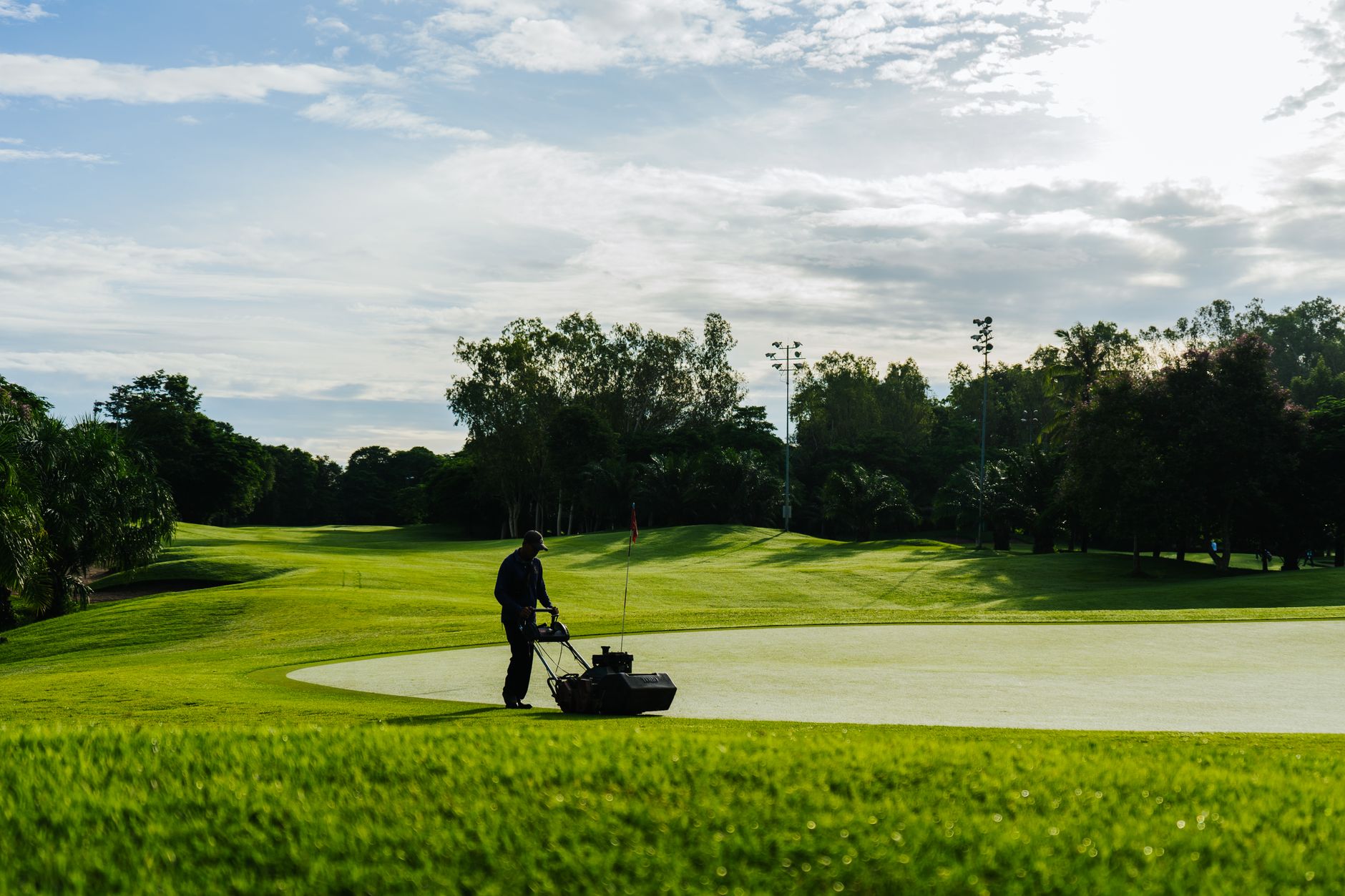
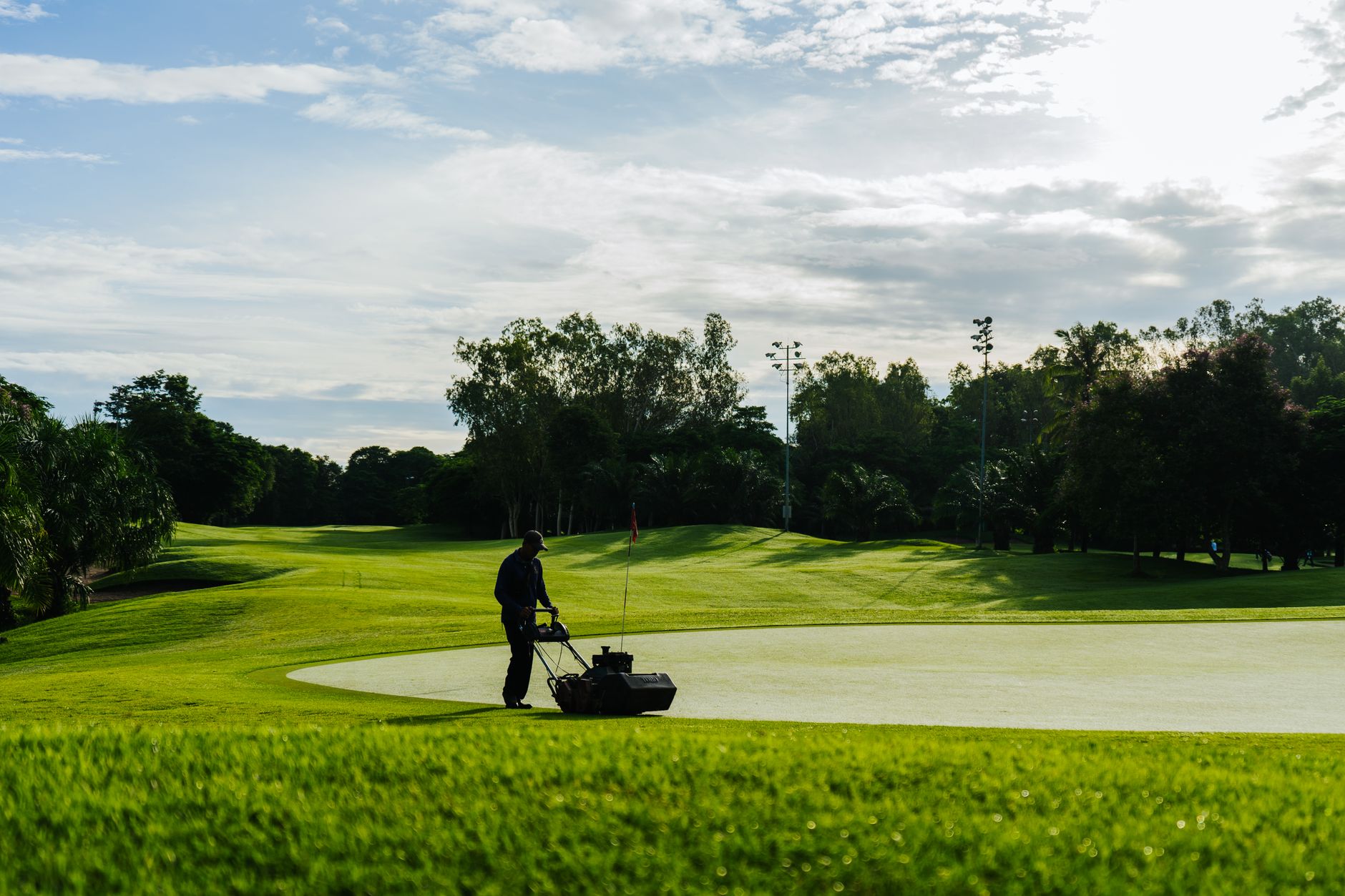
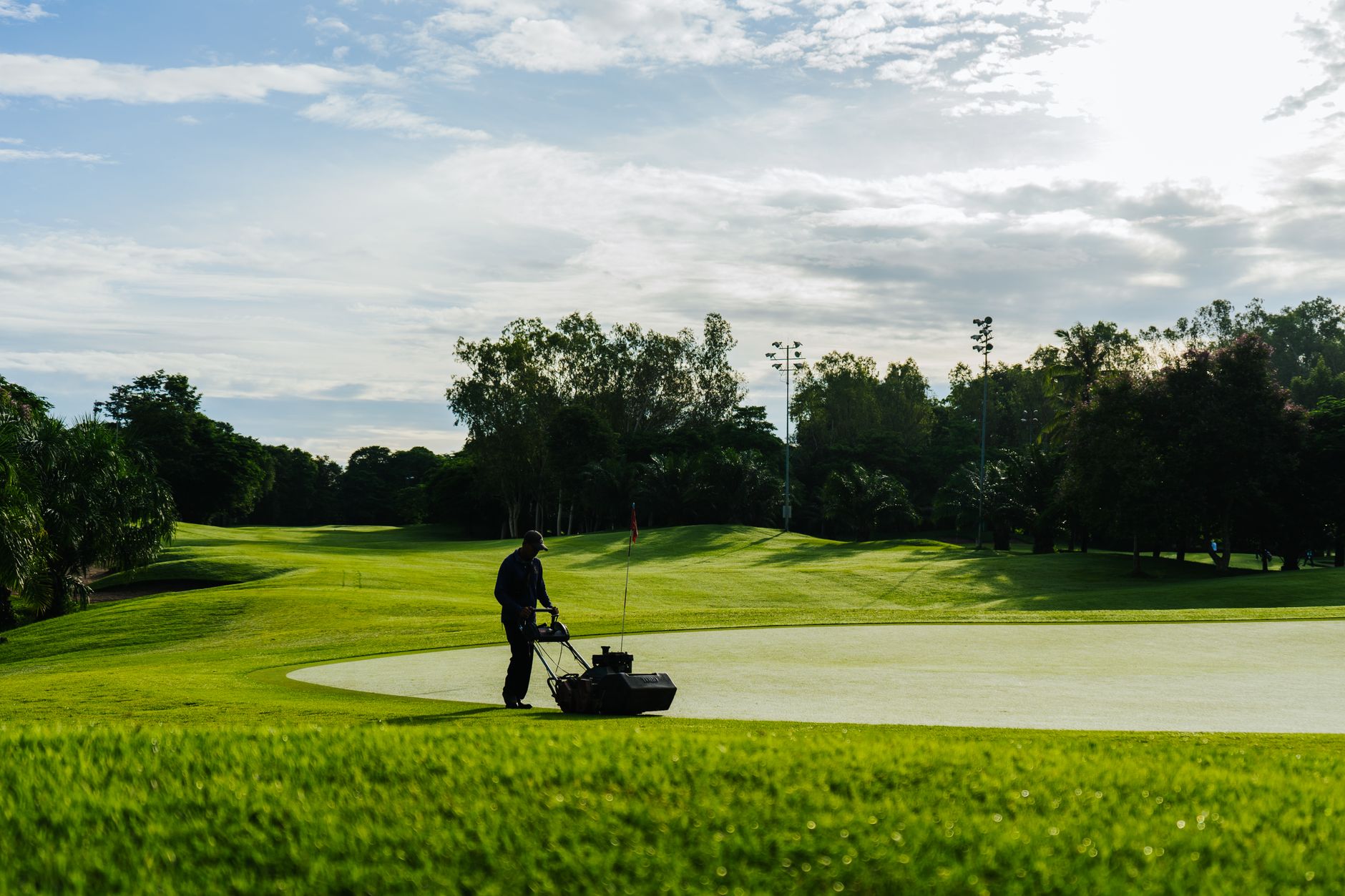
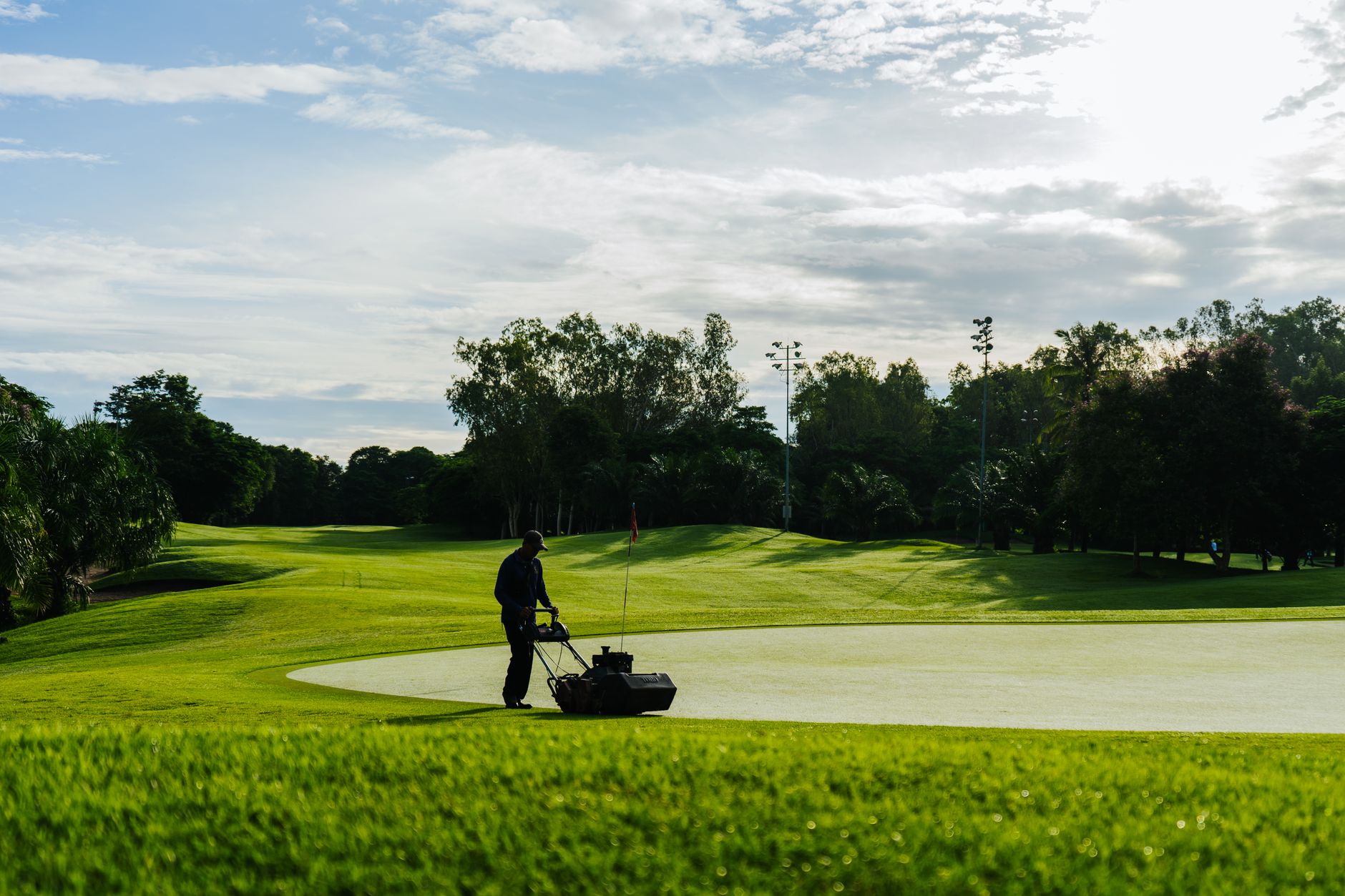
Fairway mowing runs on fixed shapes. Each pass needs a person in the seat, each mowing window has a start and an end, and each open seat forces the club to pay overtime, bring in temporary cover, or let the cut slip. An average rise hides that lumpiness.
A treasurer looking at a rising labor line should check whether the rise comes from staffing gaps and seasonal peaks or from steady wage growth, because the two call for different fixes.
What the 2025 labor survey adds to the picture
GCSAA also ran a 2025 Capital Budget and Labor Survey, open from April 21 through July 25, 2025. It drew 1,299 completed responses from a sample of 7,842, with a stated margin of error of plus or minus 2.5 percentage points.
That gives a second reading, not an automatic continuation of the 2022 to 2024 series. Before anyone quotes a trend across the two reports, check both methods and the questions asked, since the summaries used for this article do not settle that comparison.
Where a robotic fairway mower may change the math
A robotic mower takes over repetitive fairway passes that would otherwise tie up a seat operator for long stretches. The saving shows up as hours moved, not hours erased, unless the club also reduces its roster. Those moved hours can go to greens, bunkers, collars and hand detail that a machine does not handle.
The mower still needs supervision. Someone checks run logs, clears stops, watches charging and signs off on cut quality. A club that counts only the seat hours and ignores that supervision will overstate the gain.
The hours a unit can cover depend on mapped acreage, slope and the number of stops. The club should measure those on its own course before accepting a utilization figure from any vendor.
Where the math probably does not change
Greens, bunker work, edges around hazards, and clubhouse and cart areas still need people in the programs this article has in view. A mower also does not cover winter shutdown, repair days or the work that follows a storm. If the club's seat hours are already modest, the mower's effect on the labor line will be modest too.
Cart paths and hazard edges can also hold crew time that a mower cannot take on. Scope matters as much as machine capability. A site assessment should map where the mower can run safely, and that map decides how many fairway hours are truly available to displace.
How to test a lease quote against the club's own timecards
Before the budget meeting, gather five items:
- Fairway seat hours by month from the last two seasons of timecards.
- Overtime and temporary cover paid when a fairway seat sat empty.
- Mower run logs showing the hours a unit covered on the club's own course, not a manufacturer's estimate.
- Hours that stay with people after the change, including supervision, greens, bunkers and edge work.
- The fixed robot lease payment quoted after a site assessment, set beside the seat hours it replaces across the full term of the lease.

How Service Robot Co. approaches a fairway mower lease
Service Robot Co. is an OEM neutral robot integrator for US businesses. We choose the right robots across manufacturers, lease them through financing on a three year lease term, deploy and integrate each unit, train staff, and service every robot under RoboCare, our service plan, backed by regional service engineers in every state we service.
The lease payment is one fixed robot lease payment, quoted after a site assessment. That gives the treasurer one number to set against the timecard evidence, and it keeps the question on the course itself: which holes, which hours and which crew roles change.
Frequently asked questions
Want a robot working for you?
Tell us the job and the site. We will recommend the robot, quote the lease, and keep it serviced.