Key takeaways
- Responsibility is settled on paper before the mower moves, so write roles and contracts first.
- A mower standard tells you how a machine should be built and tested, not who pays when it fails.
- A site map showing mower zones, cart paths and walker routes is the core planning document.
- Logs of pauses, near misses and map versions are what you will need if a claim arrives.
- Take the open questions to your broker and counsel before the setup date, not after the first incident.
Who carries the risk when a robot mows near play?
A robot mower does not change the basic shape of golf liability. The club still owns the ground, still hosts guests on it and still answers for injuries and damage that happen there. What changes is the machine that moves through that space without a person riding it, and that is where most of the open questions start.
The sources we reviewed do not say who is liable when an autonomous mower injures someone. They do not say whether the operator, the equipment maker, the course or an integrator carries the bulk of the exposure. Those answers depend on contracts, facts and local law, so this article is planning guidance and not legal advice.
The practical path is easy to describe. Before the first pass, the club should know who does what, where the machine may go, what gets recorded, and how its insurance treats the machine. Involve the club's insurer and counsel before setup, not after the first incident.
What the mower standards cover, and what they leave open
The OPEI adoption of the IEC standard for robotic battery powered lawnmowers, published through ANSI, addresses hazards in normal use and reasonably foreseeable misuse. Its listed topics include moving parts, electrical shock, slope traction, obstruction detection, shutdown controls and child specific measures. OPEI says it covers both commercial and household robotic lawn mowers. It also sets requirements for mains powered charging stations and perimeter signal sources, which matter when cart paths and walkers sit close to the boundary wire.
A standard is a design and test baseline. It is not a finding that a particular mower is safe on a particular course, and it does not allocate liability. The ANSI listing shows a 2020 edition, and the edition in force may have changed since, so check the current revision in the ANSI webstore before you cite it in a contract or a bid.
UL 3300 is a different document. It covers Service, Communication, Information, Education and Entertainment robots, and the UL and standards listings we found date its current edition to May 14, 2024. Its commercial scope covers service robots whose ongoing operation does not require instructed or skilled person intervention, and it excludes hazardous locations and on and off road transport of persons. We did not confirm that it applies to outdoor mowing machines, so do not present it as the mower standard.
Write the roles down before the first pass
Most disputes about a machine start with a question nobody answered in writing. Someone has to decide when the mower runs in wind, someone has to walk the course before a morning tee time, and someone has to respond when a cart drifts across the boundary. A written role sheet settles those points before anyone is hurt.
Name one person for each function, even if a small club has one person holding several roles. The list below is a starting point, not a form to sign as written.
- Owner or club manager: approves zones, play windows and the decision to run or hold the mower.
- Mower supervisor: checks the machine at start, watches the status display during play and holds the fleet when a zone is unsafe.
- Turf or grounds lead: keeps the site map current after tree work, bunker changes or path repairs.
- Vendor or integrator: supplies the service plan, remote fault handling and dispatch details written into the contract.
- Insurer and counsel: review the role sheet, the policy wording and the contract terms before setup.
How should the site map mark mower zones and walker routes?
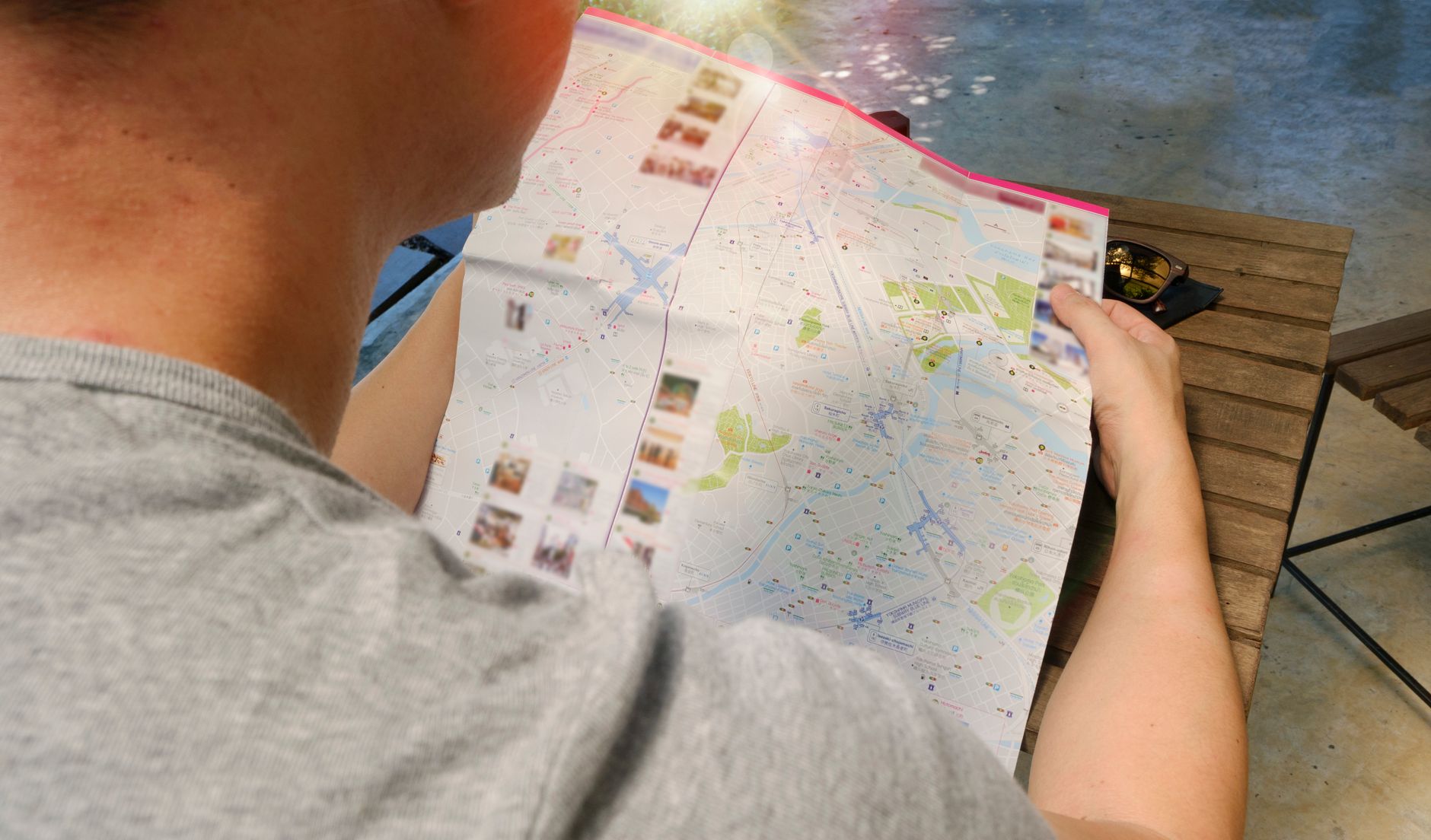
The map is the first document an insurer or counsel will ask for, so make it precise. Mark mower active zones, slow zones near carts, walkers and tee boxes, and exclusion zones around water, drains, bunkers and the clubhouse entry. Show the charger location and the perimeter signal path too.
Record the map version and the date each change went live. A map that was accurate in April but predates a storm that felled a limb is weak evidence. Walk the boundary with the crew and photograph it, because a map is only as good as the ground it describes.
What belongs in an incident log?
An incident log is ordinary paperwork that becomes valuable later. It should capture pauses, manual stops, near misses with players, carts or walkers, and every fault a remote team clears. Each entry needs a time, a zone, the weather, the person on duty and the map version in use.
Keep near misses in the log, not only injuries. A record full of small stops shows that the club noticed and acted, which carries more weight than a clean page nobody can verify.
Which insurance questions belong with the broker?
The sources we reviewed describe golf premises liability as a core exposure, with general liability policies addressing bodily injury, property damage and medical payments. One source notes that golf carts and course maintenance equipment are often covered under an inland marine schedule, and that scheduled items cannot be licensed for public roads. Another notes that golf course policies may cover carts, equipment and other assets.
None of those sources explain how a robotic mower is classified under general liability, inland marine or equipment breakdown coverage. Bring these questions to the broker.
- Which coverage part responds to injury caused by an unattended machine, and does the answer change when a person supervises it?
- Is the mower scheduled as equipment, and does that schedule restrict where it can operate?
- Does the policy require notice within a set time after an incident, and will the incident log meet that requirement?
- Are the vendor and integrator named as additional insureds, or otherwise addressed in the contract?
- Which exclusions could apply to autonomous operation, charging equipment or software faults?

Where Service Robot Co. fits into the planning
Service Robot Co. is a full service commercial robot integrator. We are OEM neutral, so we select robots across manufacturers, then lease, deploy, integrate, train and service them through a nationwide US engineer network. Our commercial robot leasing runs on a three year lease, and we quote one fixed lease cost after a site assessment.
During a site assessment we can help document zones, routes and charger locations, which feeds the map and log described above. We do not replace the club's insurer or counsel, and we do not decide the liability split. Those decisions belong to the people who sign the policy and the contract.
Frequently asked questions
Want a robot working for you?
Tell us the job and the site. We will recommend the robot, quote the lease, and keep it serviced.
Sources
- ANSI webstore: ANSI/OPEI 60335-2-107 robotic battery powered lawnmowers standard
- Golf Course Industry: OPEI robot mower standard
- STMA: First ANSI standard for robotic lawn mowers
- UL: UL 3300 outline of investigation for consumer, service and education robots
- SCC: Notice of intent for UL standard on safety of service, communication robots
- Travelers: Golf business insurance
- Sentry: Golf course insurance
- Complete Markets: Golf course insurance guide