Key takeaways
- A floor robot takes the floor while staff keep treatment rooms, beds and booths.
- Plan the main run in the end of day window, typically 7pm to 10pm Monday through Friday.
- Measure the narrowest path, then subtract 5 to 10 cm for each door frame and swing.
- Keep robots out of tanning corridors while a guest is still changing.
- Confirm every vendor claim on your own floor before you sign a lease.
Can a robot keep med spa and tanning suite floors spotless?
Yes, for the floors. A compact autonomous scrubber or vacuum can take over the nightly floor pass in a med spa or tanning suite, but it does not replace the staff who reset treatment rooms and booths between clients. Those two jobs get confused often, and the confusion is where most scheduling mistakes start.
Most med spas run outside cleaning as an end of day reset. According to Anvil's 2026 operations guide, most med spas clean nightly, typically 7pm to 10pm Monday through Friday, with a Saturday evening clean for Saturday hours. Monthly and quarterly floor work covers LVT, polished concrete and premium carpet.
Tanning suites follow the same logic with less margin for error. Their floors catch lotion drips and dust, while their bed surfaces need hands on them. The robot takes the floor, and the staff take the beds.
Which floor surfaces suit a compact robot?
Most floors in these facilities are hard surfaces or low pile carpet, which helps. Scrubhelm states that most modern robotic scrubbers handle hardwood, tile, concrete and epoxy, and the same roundup lists a Todo Robotics vacuum for marble, terrazzo, epoxy and low pile carpet. Those are vendor and aggregator claims, so confirm them on your own floor before any commitment.
Premium carpet in a waiting lounge is a different job from a hard floor scrub, so separate those zones in the plan. Thresholds and transition strips are the other check. Mark any lip the robot cannot climb on the site map before the first run.
How do robot runs fit between treatment blocks?
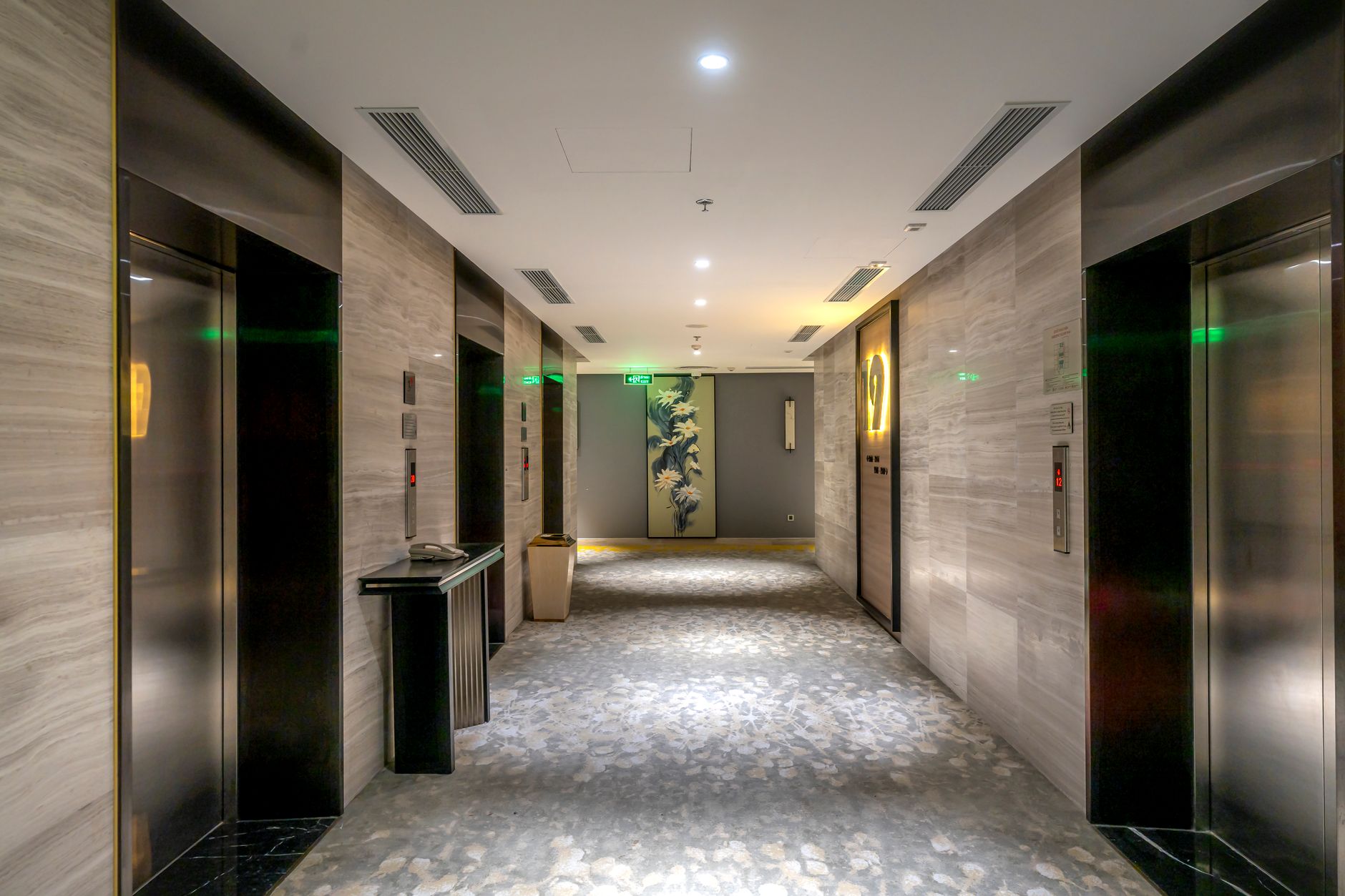
Between client treatments, the clinical team handles the room reset, and that job cannot slip. Booksy advises building 10 to 15 minutes of transition time between appointments for disinfection, and that time belongs to staff. A floor robot runs on a separate clock.
Midday is where the robot can help. Anvil notes that high volume practices often add a midday touch up for consultation rooms, restrooms and front of house. Treatment rooms are generally left alone during open hours for patient privacy, so daytime robot work stays in public corridors and lobbies, not in rooms with a client on the table.
Tanning suites are stricter. Zoom Tan, a stand up booth operator, says every room must be physically cleaned and reset before the next guest, and warns that rushed cleaning is a risk when rooms turn over together. Keep the robot clear of the corridor outside a suite while a guest is still changing.
What do lotion and bed residue need from people?
Tanning Bed Authority recommends a hospital grade disinfectant made for tanning beds, pH neutral salon cleaners for routine work, and checking UV shields for damage. Those tasks sit on the bed, the acrylic and the handles, which are high contact points. None of that belongs to a floor robot.
The robot's share is the spill that reaches the floor: lotion drips, dust tracked in from the street, and grit near the booth entrance. Those are the things that make a suite look unfinished the next morning. Fix the staff side first, because a spotless floor beside grimy handles still fails the client.
Will the robot fit your hallways and treatment corridors?
Width decides most of the fit. DryMaster lists its DMR356 at 23 by 20 by 27.5 inches and 150 lbs, with a 12 inch washing width and a 19 inch sweeping width. Americhem's distributor page lists the CenoBots L4 at 31.9 inches wide with a 17.7 inch cleaning width, and the Karcher KIRA B 50 at 30 inches wide with a 22 inch cleaning width. Those are published manufacturer and distributor figures, so check each against your own corridor.
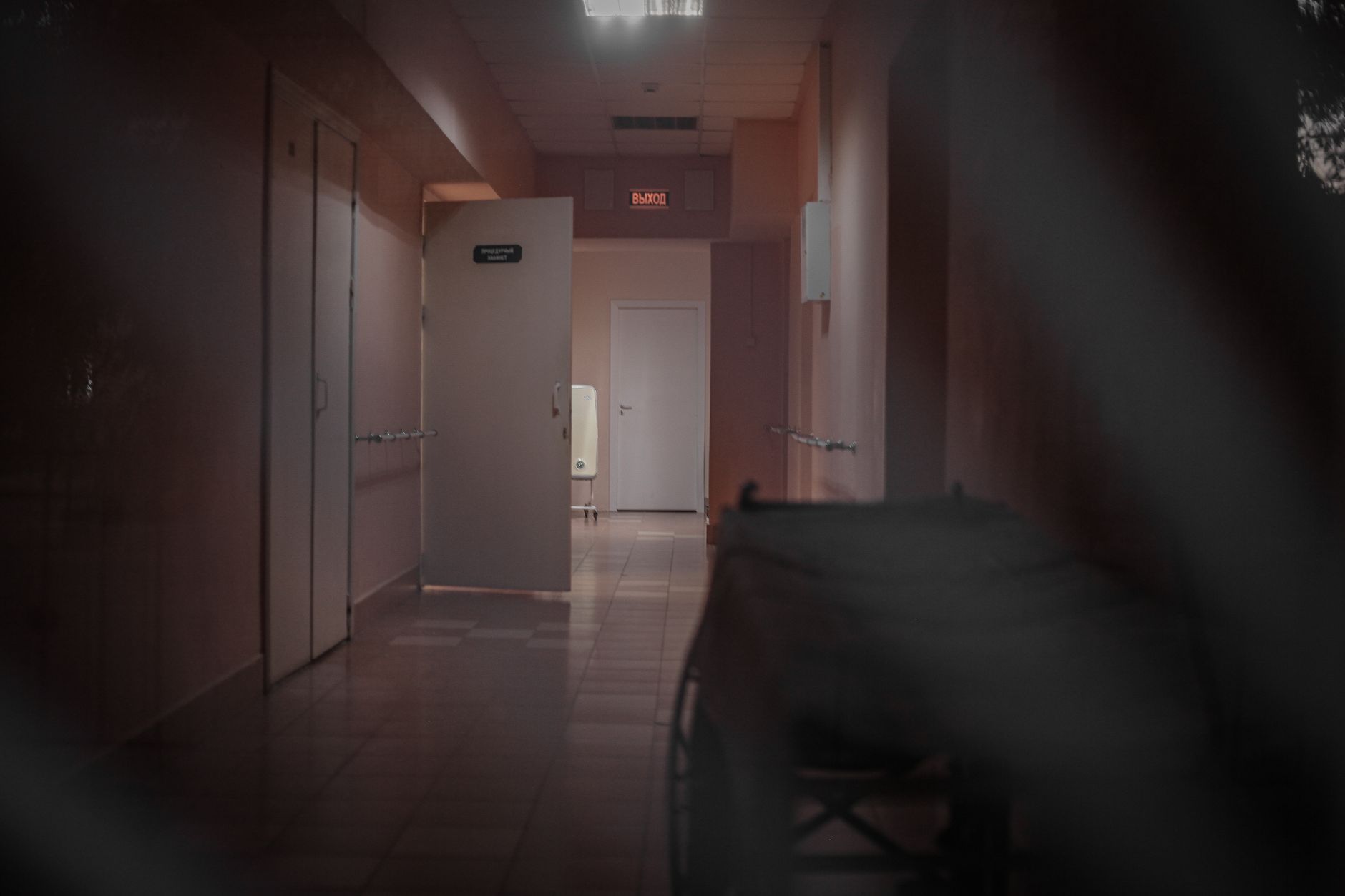
Measure the narrowest point, then subtract what doors consume. LVTONG's guide says door frames and swings can take 5 to 10 cm of nominal width, and its published example is a 0.8 m aisle with a 50 cm body. The vendor advises verifying on site. A hall that measures comfortably on paper can still fail once two swinging doors are counted.
What about noise, water and charging on a closed floor?
The overnight window lowers the noise concern, but a building shared with office tenants still deserves attention. DryMaster lists its DMR356 under 70 dB(A), with charging under 2 hours and a 3 to 8 hour runtime. Those figures are vendor reported.
Water is the other utility question. Gausium says its Scrubber 50 water recycling filtration reduces freshwater use by about 80 percent. In a spa, where sinks and towels already draw water, that reduction can matter, but test the claim against your own water budget and cleaning chemistry.
How Service Robot Co. sets up a med spa or tanning suite program
We start with a site assessment that maps corridors, thresholds, door swings and carpet zones, then select the robot across manufacturers that fits what we measured. Service Robot Co. leases robots only, through financing on a 3 year lease with one fixed payment quoted after that assessment. Deployment, integration and staff training run through the same team.
Service is handled through our nationwide network of US engineers, so a unit that stops during a night run gets one call to the provider that installed it. Schedule the first runs in the end of day window, and the first few weeks will show where the timing needs adjusting.
Frequently asked questions
Sources
- Anvil, Med Spa Cleaning: A 2026 Operations Guide
- Booksy, Salon Cleaning Checklist
- Tanning Bed Authority, Best Tips for Cleaning Salon Tanning Beds
- DryMaster DMR356 product page
- Gausium Scrubber 50 product page
- LVTONG, Compact Floor Scrubber Guide
- Americhem, Autonomous Cleaning Robots
- Scrubhelm, 4 Best Robotic Floor Scrubbers in 2026