Key takeaways
- Map floor-level obstacles and keep-out tags for tool carts and jack stands before the first autonomous run.
- Absorb fresh oil and coolant first, and keep the robot out of any zone with an active leak.
- Clear bolts, wire and sockets by hand, because brushes and squeegees can be fouled by shop debris.
- Schedule runs after the last cart is parked, with either a workstation or a manual fill plan.
- Test vendor payback claims against your own square footage and real overnight hours.
Can a robot scrubber clean a race shop floor without stopping work?
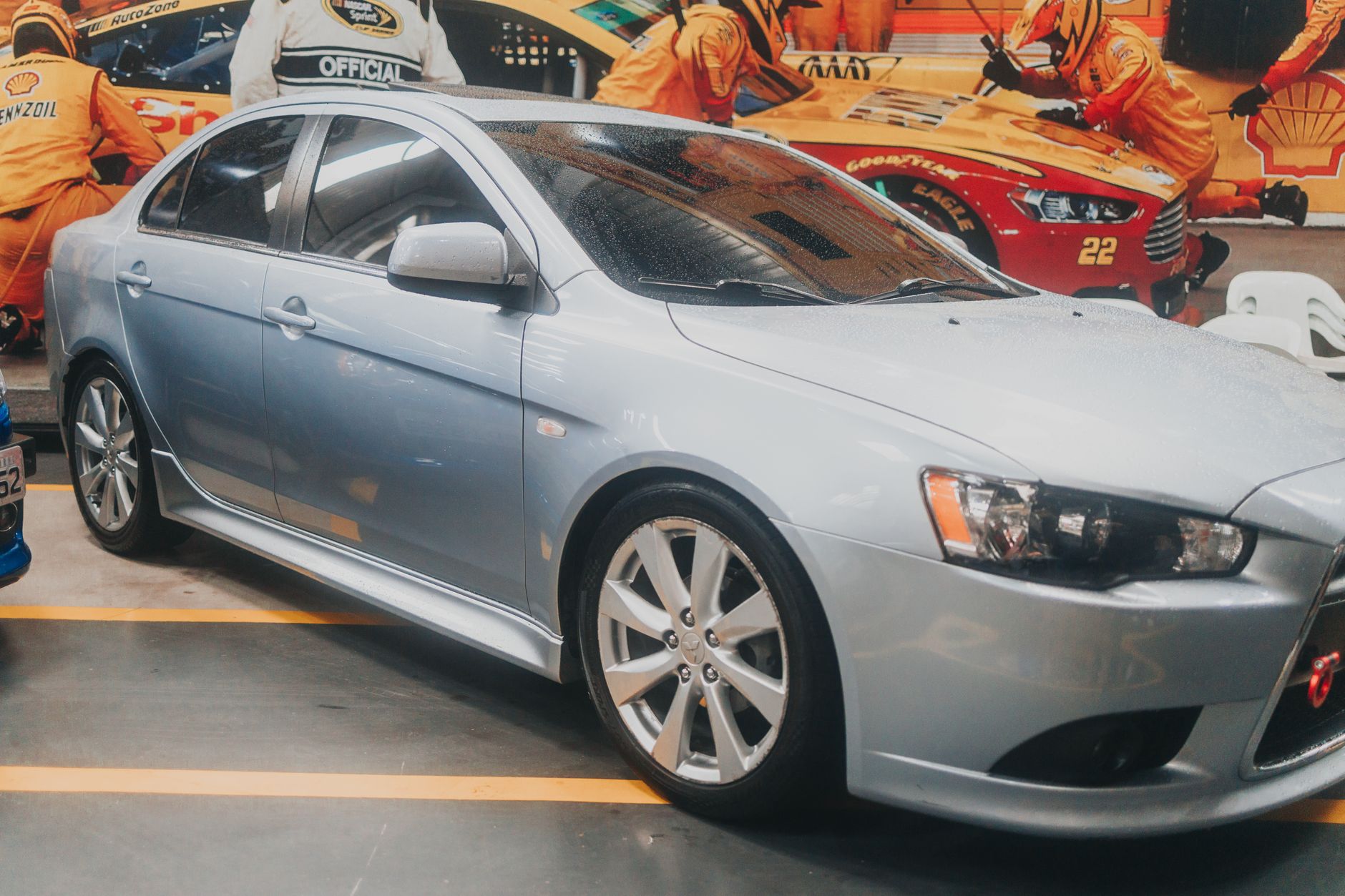
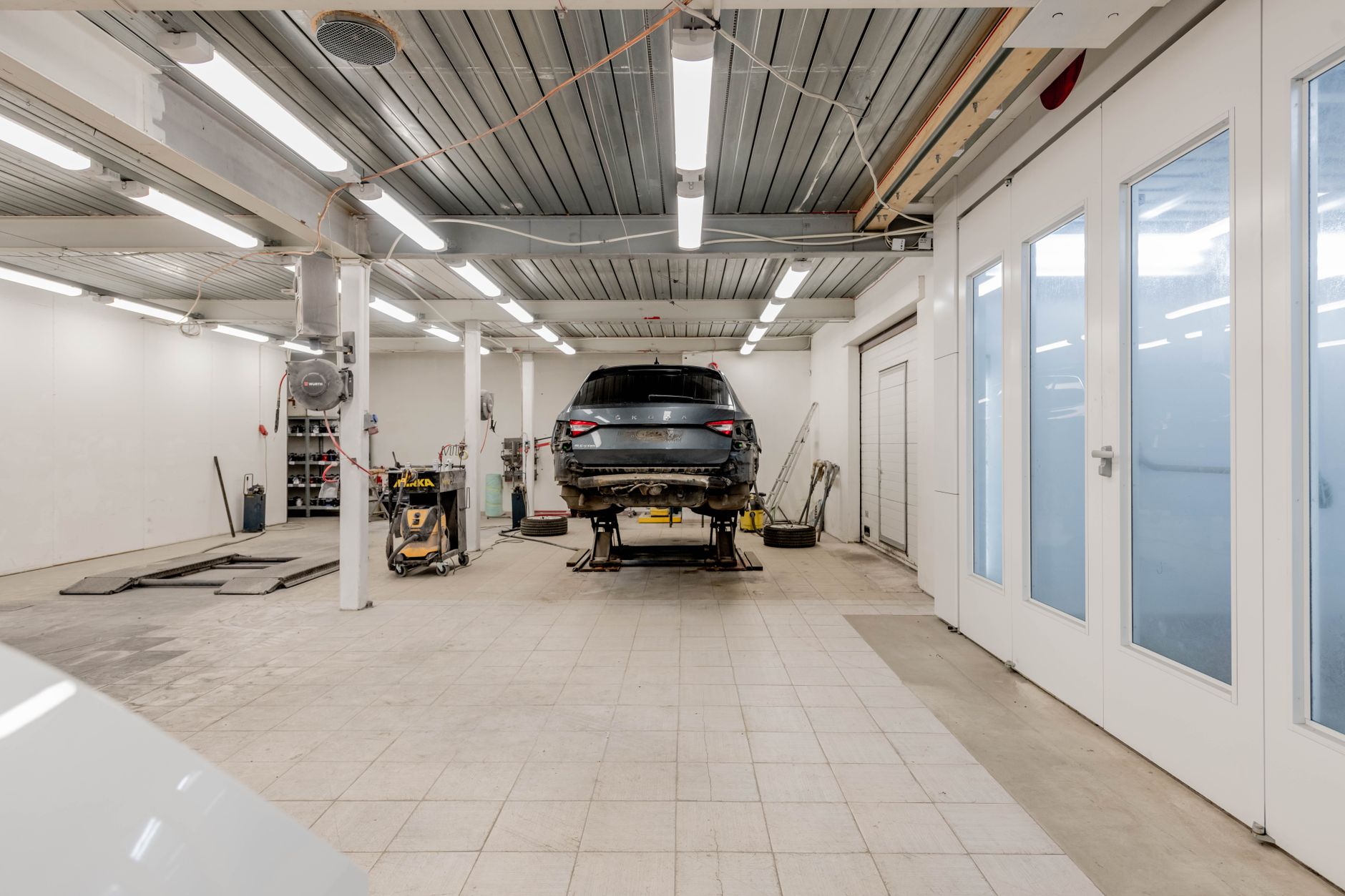
Yes, if the robot is planned around the shop instead of dropped into it. A race shop floor is a crowded, changing layout. Tool carts roll to a new bay, jack stands go under a car after a session, and trailers park where a robot would normally run. An autonomous scrubber can work in that mix, but only after the floor is mapped, spill zones are fenced off, and runs are timed for empty hours.
Published material on race shops specifically is thin. The guidance here draws on general garage, workshop and commercial floor sources, so check every specific against your own floor, your epoxy system and the machine manual before the first run.
What do epoxy and sealed concrete need to survive oil and coolant?
Sealed concrete is far more forgiving than bare slab, but the seal still has to be kept intact. Unsealed concrete is porous, so oil left unattended seeps into the pores and becomes a stain, according to Absorb-X, a concrete cleaning vendor. A sealed floor buys time. The weak points are seams, joints, and any spot where a jack stand has worn the topcoat.
Coolant is the fluid that surprises people. A resistance chart from National Concrete Polishing says epoxy floors show excellent resistance to motor oil, gasoline, diesel, hydraulic and brake fluid, transmission fluid and coolant, and that these substances bead on the surface. Beading is a reason to wipe promptly, not a reason to wait.
How do you map tool carts, jack stands and parked cars?
Floor-level obstacles are the hard part. Avidbots says its Neo 2W has Advanced Obstacle Detection that recognizes pallets and forklift tines at floor level, and that onboard sensors compare the space against the original plan at each cleaning. In a shop, a cart leg or a stand foot can sit well below the main sensing field, so that floor-level recognition matters.
Overhead-mounted lidar has known gaps. An arXiv preprint on cleaning robot perception notes that top-mounted 3D lidar often leaves blind spots in the driving direction, and that small objects are hard to detect at a distance. Floor-facing RGB-D or stereo cameras are one approach the paper discusses. Treat the robot's view as a hypothesis to test during commissioning, not a guarantee.
Parked cars need their own answer. Navia Robotics says its millimeter-wave lidar lets robots avoid contact with parked vehicles, and that its floor scrubbers work on polished concrete or epoxy. The vendor's published Scrubber 50 figures are the clearances a shop should check against its own lanes:
- Minimum aisle width: 35.4 inches
- Minimum turning width: 47 inches
- Minimum passing height: 55 inches
- Battery life: 3 to 8 hours, per Navia's comparison table
Where should the oil and coolant spill zones go?

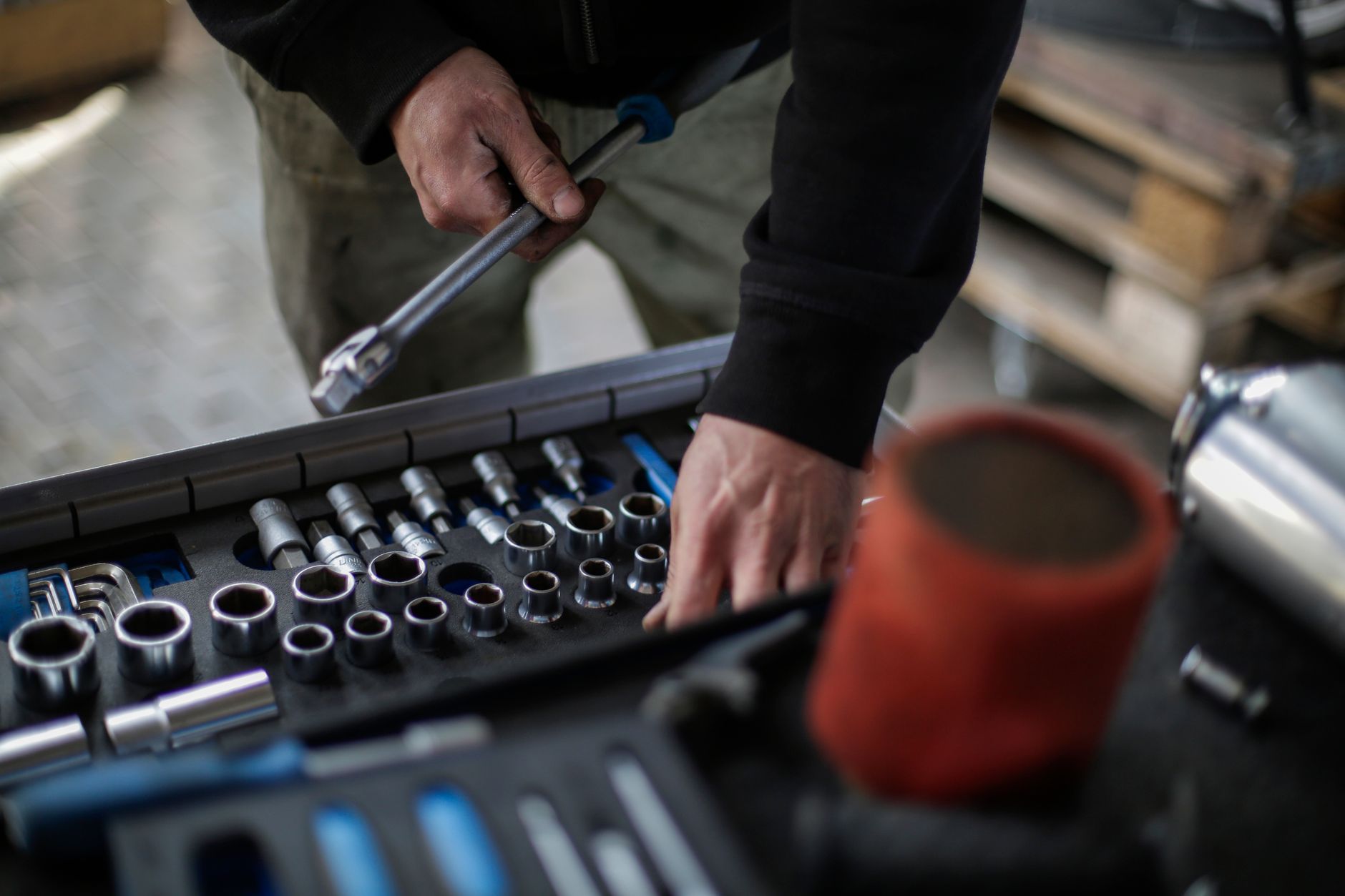
Spill zones should be handled before the robot arrives, not discovered by it. Absorbent pads or granular absorbent should draw oil out of a fresh spill, and one guide from Tomahawk Power recommends at least 30 minutes of dwell for fresh spills. Wiping with rags tends to smear oil across the surface, so reach for absorbent first.
Drip pans and absorbent mats under engine work catch leaks before they reach the slab. Keep the robot out of any zone with an active leak, because a brush pushed through liquid spreads it into the next bay. Once a zone is absorbed, dried and inspected, lift the keep-out tag and let the map update.
What debris should be cleared before a scrubber runs?
Shop debris is not warehouse dust. The arXiv preprint observes that a rotating brush can spin tiny objects away, and that a squeegee-only machine can jam on objects caught between the rubber and the floor. Bolts, zip ties, safety wire and loose sockets are exactly the items that cause trouble.
Make a hand sweep of the floor part of the pre-run checklist, every run. Do not assume a consumer vacuum robot can handle the same job, since it is a different class of machine built for different debris.
How do you schedule runs when the crew has gone home?
The overnight window is the real advantage. Gausium says that with a workstation the robot can operate around the clock, with charging, water refill and wastewater discharge handled automatically. Without a dock, the machine is filled and drained by hand, which caps the run at one tank. Ask which setup a vendor is quoting before you plan the window.
Start the run after the last tool cart is parked, the last jack stand is cleared, and any spill has been absorbed and inspected. Keep a fixed start time, a map check and a log review in the closing routine. Gausium also says its Auto Spot Cleaning mode can improve efficiency by up to four times by cleaning only where it detects waste or stains. That is a vendor claim worth testing on your own floor.
Does the payback math work for a shop floor?
Payback depends on coverage. One guide from OrionStar says facilities with extensive repetitive hard-floor coverage generally achieve payback in 9 to 18 months. A race shop is usually far smaller and far less repetitive than a warehouse, so treat that range as a starting point for the conversation, not a forecast.
Service Robot Co. is an OEM-neutral integrator, so the first step is a site assessment that maps the shop before any lease quote. We choose robots across manufacturers, then deploy, integrate, train and service each unit through our nationwide US engineer network. Robots are leased on a 3-year lease with one fixed payment quoted after the assessment, so the monthly cost is known before the first overnight run.
Frequently asked questions
Sources
- Absorb-X: How to clean oil off concrete floor
- National Concrete Polishing: Epoxy floor chemical resistance chart
- Tomahawk Power: Step-by-step guide to removing oil stains from garage floors
- Avidbots: Warehouses
- Navia Robotics: Parking
- arXiv preprint 2002.10158: cleaning robot perception
- Gausium: What is an autonomous floor scrubber
- OrionStar: AI robots 254