
Key takeaways
- Overnight robots work in studios when the machine, pad, moisture level, and route are matched to each floor system.
- Hair, dust, chalk, and tracked-in grit are not minor messes. They change grip, scratch finishes, and recirculate into the air.
- Props, mirrors, and room resets usually decide success more than battery size or brochure coverage claims.
- A repeatable closeout routine and a quiet run window between the last class and morning open make robotic floor care practical.
Can a robot really clean a dance or yoga studio overnight?
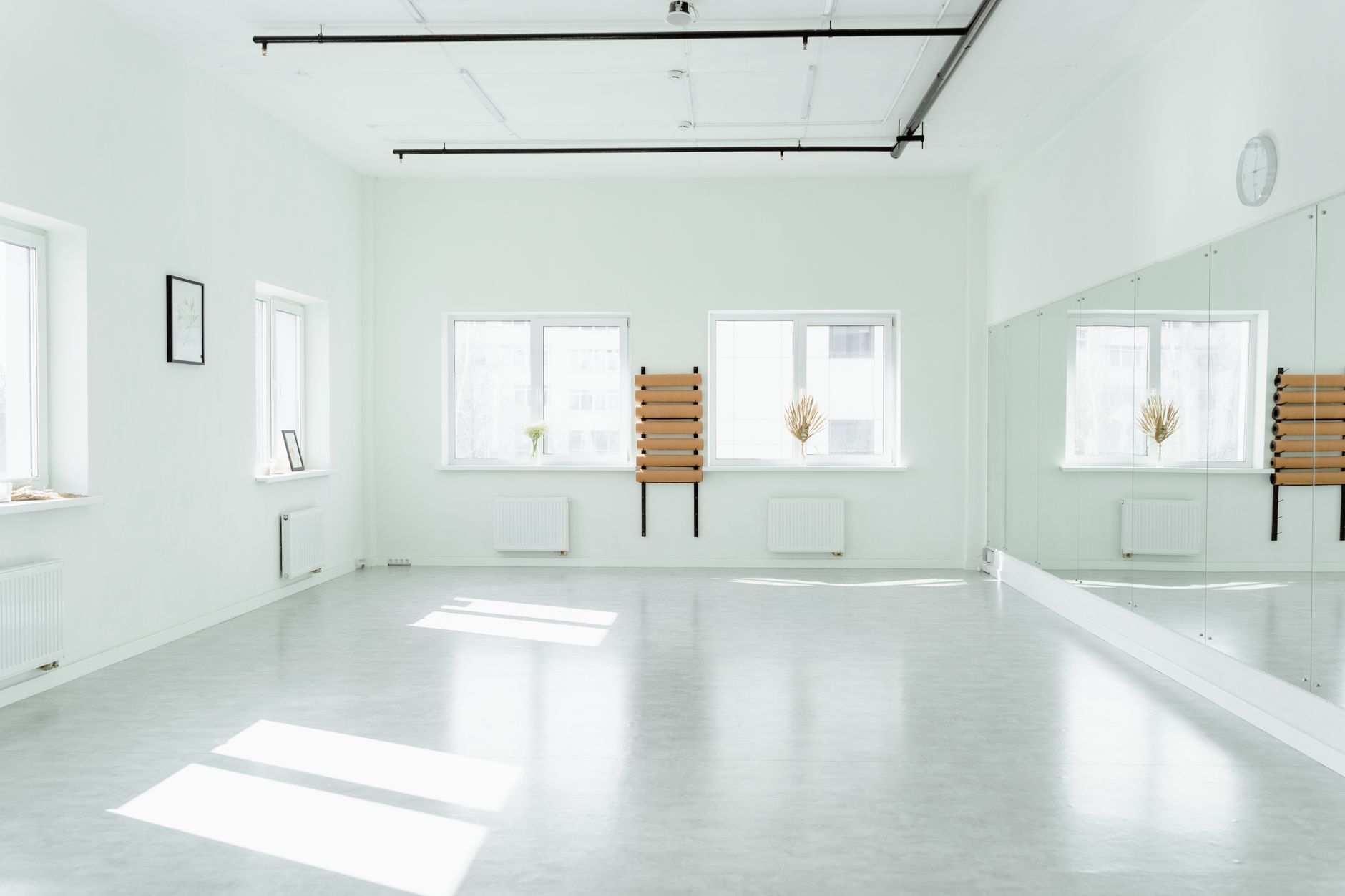
Yes, if the robot is chosen and configured for studio floors instead of treated like a generic scrubber. In dance and yoga spaces, the job is repeatable hair pickup, dust control, light soil removal, and a clean morning reset without changing floor feel or over-wetting sensitive surfaces.
That matters because studios carry a strange mix of debris. You get hair at the mirror line, lint from towels and socks, tracked-in grit at the entry, chalk or powder in specialty classes, and residue around props and cubbies. A robot can handle that well, but only after the route, pad choice, chemistry, and speed are matched to the room.
The best overnight programs are disciplined, not dramatic. Closing staff leave a consistent path, the robot runs a dry pickup pass first, a low-moisture maintenance pass follows where the floor allows it, and the room is handed back before the first morning unlock.
What is the real mess a studio leaves behind?
According to the EPA, indoor dust can include outdoor soil tracked inside, pollen, mold spores, human skin flakes, and hair. In studios, add lint, tape crumbs, and fine grit from sidewalks and parking lots, and you have an abrasive film that quietly wears finishes and changes traction over time.
Tracked-in soil is a bigger deal than many owners think. EPA design guidance says properly designed and maintained entry mats can remove 85 percent of dirt from shoes, which tells you how much debris wants to come inside in the first place. The overnight robot’s first priority should be dry debris pickup before that grit gets ground into vinyl, wood, or rubber.
If dust complaints are common, filtration matters as much as brush width. EPA defines a HEPA vacuum as capable of capturing 99.97 percent of 0.3 micron particles, and the machine has to be designed so exhaust air actually passes through that filter stage.
- Entry doors and vestibules collect the harshest grit and moisture.
- Mirror walls and barre lines gather hair, lint, and skin dust.
- Prop shelves, cubbies, and mat staging zones shed crumbs, fibers, and tape bits.
- Specialty rooms with chalk, powder, or tap residue need their own cleaning recipe.
Which floors are safe, and what changes by surface?
Studios live or die by floor feel, so surface type comes first. One room may want mostly dry pickup, another may tolerate a light damp pass, and a third may need a neutral cleaner with very low water use. The machine is only half the answer. The floor-specific program is the other half.
Dance vinyl guidance is strict for a reason. Daily cleaning protects the slip-resistant surface, and care guides warn against wax, abrasive pads, bleach, ammonia, strong solvents, and aggressive scrubbing. Finished wood is also unforgiving. The National Wood Flooring Association says routine care should be sweeping, dust mopping, or vacuuming on the bare-floor setting, and warns that wet mops and steam mops damage wood over time.
Rubber is different again. Commercial rubber floor guidance often notes that the floor does not need wax or sealing and can often be maintained with water or mild chemistry, but pad choice still matters. In mixed-material studios, that is why the right answer is rarely one universal program across every room.
- Vinyl and marley style surfaces need soft contact, low moisture, and approved chemistry.
- Finished wood and sprung wood need tight moisture control and a bias toward dust pickup over wet cleaning.
- Rubber floors can be maintenance-friendly, but textured seams and edges still need the right pad and speed.
- Temporary overlays, taped stage zones, and fresh finish work should be mapped as exceptions, not treated like the rest of the route.
How do props, mats, mirrors, and movable gear affect the plan?

Studios change shape every night. Yoga blocks, bolsters, straps, rolling mirrors, portable barres, foam rollers, speaker stands, benches, and retail fixtures can turn a clean map into a collision course if staff leave them in different places from one close to the next.
The fix is operational. Define a standard overnight preset with mats racked, props off the floor, cords wrapped, rolling mirrors locked, mobile barres parked, and any temporary tape zones or repair spots marked out of route. A robot works best in a room that closes the same way every night.
Mirrors deserve their own rule. Dance mirror care guidance favors a soft, non-abrasive cloth, so let the robot own the floor while staff handle mirror lines, barres, and touch points. That split keeps the nightly reset simple and protects surfaces that should never be scrubbed by a floor machine.
How quiet does overnight cleaning need to be?
Noise is not a minor spec in a wellness business. The NIDCD says normal conversation is about 60 to 70 dBA, and sounds at or below 70 dBA are unlikely to cause hearing loss after long exposure. That gives studio operators a practical benchmark when they review sound data.
Ask for declared operating noise, not vague language like quiet or low-noise. A machine that is acceptable in an industrial room can still feel intrusive in a yoga suite above apartments, beside treatment rooms, or under early-morning offices.
Quiet operation also widens your scheduling options. If the dry pass can run shortly after the last class without bothering neighbors, the damp maintenance step can run later in the night, giving floors time to dry and leaving the morning open calm, clean, and odor-light.
What does a workable overnight schedule look like?
Most studios have less usable night time than they think. The right program breaks the shift into handoff, cleaning, exception recovery, and final reset instead of treating the whole window as one uninterrupted run.
That buffer matters. A late workshop, a locked room, a spill near the lobby, or one cart left in the wrong place should not wreck the morning opening. The route needs a clear way to skip, return, or re-run zones without forcing someone to rebuild the map at midnight.
Multi-room sites usually do better with staggered recipes. The hot-yoga room may need more residue pickup near the entry, the dance room may need tighter moisture control, and the lobby may need the most attention because outside particle pollution enters through doors and windows, according to the EPA.
- Closeout handoff: props staged, spills spotted, mirrors and barres quick-wiped.
- Dry pickup pass: hair, lint, grit, tape crumbs, and chalk dust removed first.
- Low-moisture maintenance: only in rooms and on floors that allow it.
- Recovery window: missed zones, drying time, and final room reset before open.
Where does Service Robot Co. fit in the buying process?
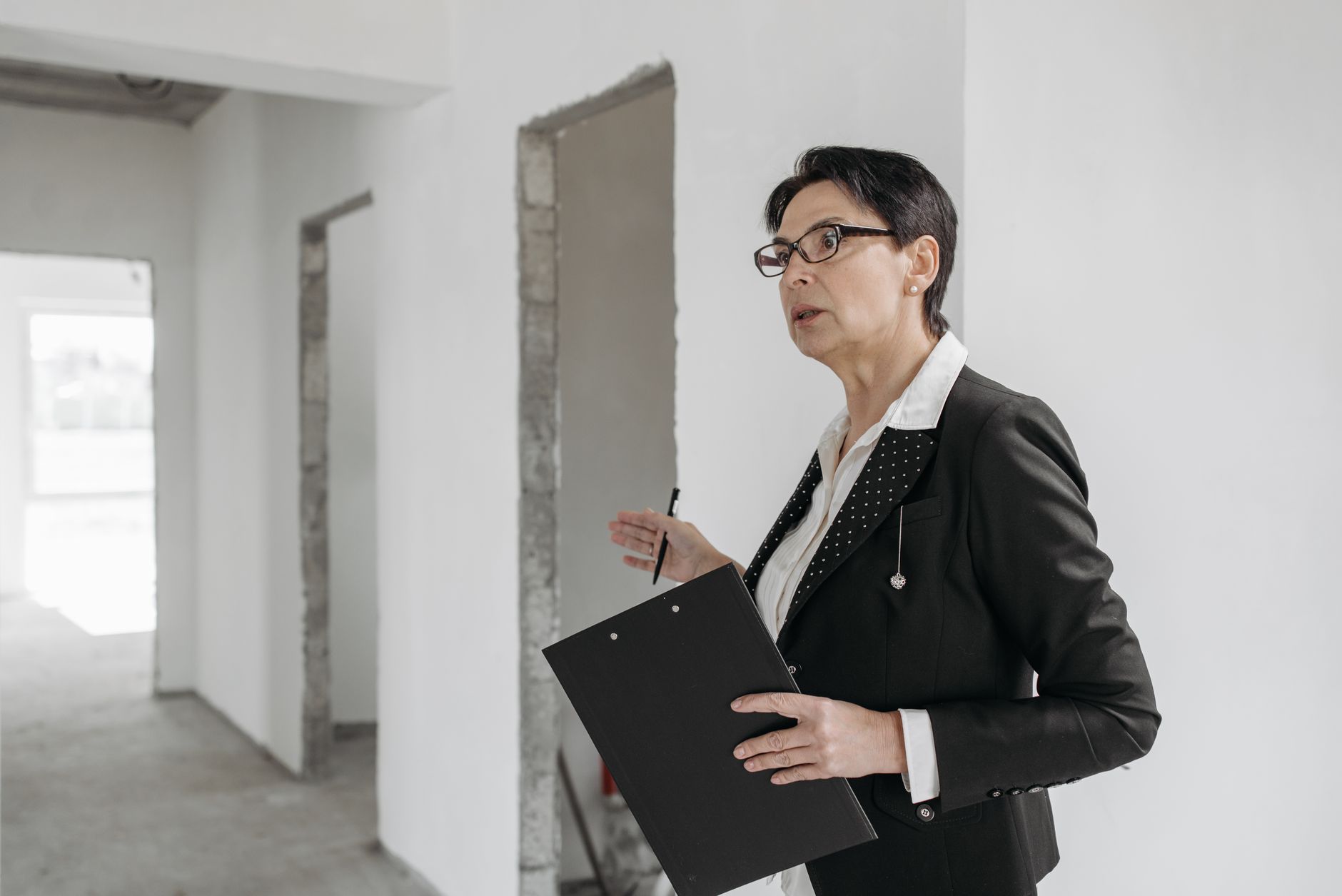
Most studios do not need to become robot experts. They need a path that fits one site or a multi-location group, and they need one company to stay accountable after go-live. That is where a full-service integrator matters more than a one-time equipment sale.
Service Robot Co. is an OEM-neutral commercial robot integrator for U.S. businesses. We pick the right machine across manufacturers, then handle site assessment mapping, financing, deployment, integration, training, and service through a nationwide U.S. engineer network. For owners, that means one vendor for the whole lifecycle, not a patchwork of sellers, software contacts, and local repair calls.
That model fits niche facilities especially well. A dance or yoga operator may prefer commercial cleaning robot leasing, robot leasing for business, or purchase or lease with RoboCare™ service. The operating need stays the same either way. The robot has to respect the floor, hit the window between late classes and morning open, and get service fast if it goes down before a recital weekend.
What should a studio check before saying yes to a pilot?
A good pilot is narrow and measurable. Pick one or two rooms, define the exact closing preset, and agree on what counts as success before the machine arrives. If you do not specify the debris profile, floor constraints, sound tolerance, and morning reset standard, almost any demo can look better than daily life.
It is also worth asking who services the unit locally, how route exceptions are reported, and how the map changes after a room reconfiguration. Hardware matters, but the operating method is what decides if overnight floor care becomes routine or becomes another abandoned machine.
- Room-by-room floor inventory, including vinyl, finished wood, rubber, sprung subfloors, and any temporary overlays.
- Dry debris profile, including hair, lint, chalk, tape scraps, tracked-in grit, and seasonal moisture at entries.
- Exact night window from last class end to first unlock.
- Standard parking spots for props, mats, benches, mirrors, and barres after close.
- Verification method, such as pre and post photos, missed-zone logs, sound feedback, and staff time returned to higher-value work.
The best deployments look almost boring
The strongest overnight robot programs are uneventful. The machine leaves the dock after the final class, clears familiar debris, respects the floor system, docks again, and hands the room back before sunrise. No puddles, no changed slip feel, no props nudged out of place, and no noise complaints from the neighbor next door.
That is the standard studios should use. With the right machine, a disciplined room preset, and floor-specific cleaning recipes, overnight automation is a practical way to remove hair, dust, chalk, and tracked-in debris while protecting the surfaces dancers, instructors, and members rely on every day.