
Key takeaways
- Use robots on mapped, compatible surfaces while crews detail turf edges, netting, corners, and sticky spots.
- Remove loose rubber granules before wet scrubbing so they do not clog recovery systems or migrate farther.
- Build cleaning routes around booking waves, with short recovery runs between events and a deeper reset after closing.
- Pilot the actual lane entrances, turf transitions, debris, lighting, and overnight obstacles before selecting a machine.
- Treat the robot as part of a documented closing routine, not as an unattended substitute for inspection.
Where does a floor robot fit after the final pitch?
Night cleaning robots fit indoor batting cage centers best when they take over repeatable floor work on open, compatible surfaces after lessons, leagues, team practices, and parties. A mapped scrubber can clean lobby flooring, spectator aisles, party areas, corridors, and hard-surface approaches while the closing crew handles nets, turf seams, dugout-style benches, toilets, and isolated spills.
The machine should not simply be sent across every green surface. Turf construction, pile, infill, edge fastening, drainage, and warranty requirements vary. In many centers, the sound operating model is autonomous hard-floor cleaning plus deliberate dry recovery near turf boundaries, with any turf route approved only after testing and confirmation from the surface provider.
That division gives staff more time for the awkward work automation does not perform well. It also makes overnight floor care more consistent during the narrow interval between the last booking and the next morning's first lesson.
- Assign open concrete, resilient flooring, and other approved hard surfaces to the robot.
- Keep net bottoms, cage corners, pitching-machine areas, stairs, and raised thresholds on the manual checklist.
- Create separate dry-debris and wet-cleaning stages instead of asking one pass to handle every soil type.
- Require a human release inspection before the facility is reopened.
Why is batting cage debris unusually difficult?
A batting center produces a peculiar debris mix. Rubber infill or loose granules can escape the turf, ball covers and tape can shed fragments, and clay-like dust may travel from footwear. Add drink residue, food crumbs from parties, hair, lint, and ordinary entrance soil, and the floor changes character every few yards.
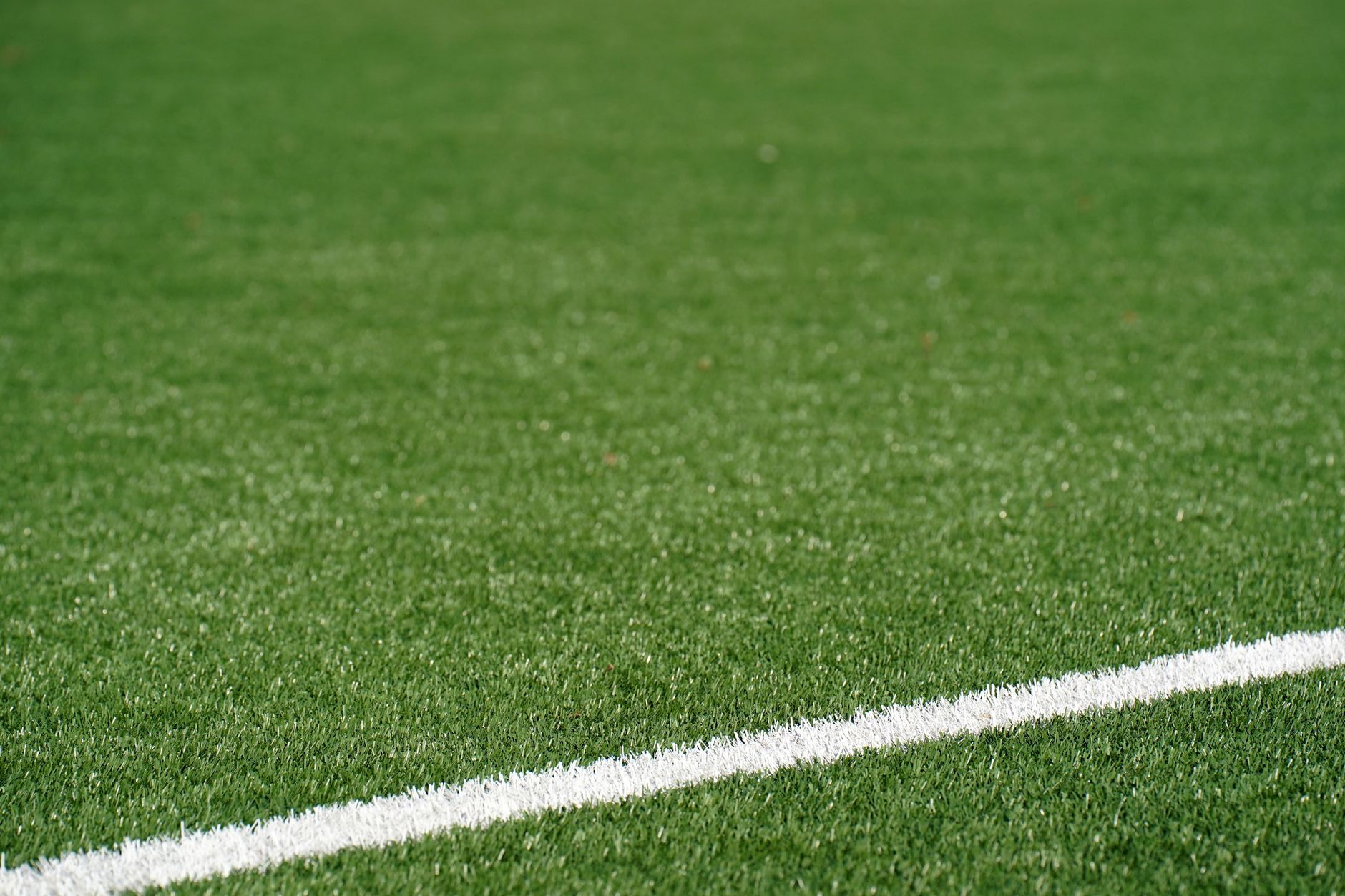
Fine granules are especially troublesome at turf edges. A wet scrubber can push them into seams, trap them beneath a squeegee, or carry them onto smooth flooring where they become rolling debris underfoot. Larger fragments can interfere with brushes, recovery channels, and drain screens. Dry pickup should therefore precede wet work wherever granule migration is visible.
The Synthetic Turf Council says a regular turf maintenance schedule should include surface cleaning, debris removal, grooming, infill redistribution, and decompaction. It also says cleaning equipment should be compatible with the turf and typically calls for wider tires and softer nylon-type brushes. That guidance is a strong reason to treat the turf and the surrounding hard floor as separate maintenance zones.
- Loose material: rubber granules, tape, ball fragments, wrappers, and broken zip ties.
- Fine soil: dust, tracked grit, dried clay, lint, and pulverized rubber.
- Adhered soil: sports-drink sugar, soda, gum residue, shoe marks, and party-food grease.
- Detail work: net anchors, seams, pitching mats, wall edges, machine guards, and tight corners.
Map the facility by surface and soil load
A useful site map starts with surfaces, not room names. Mark turf, sealed concrete, resilient tile, carpet, rubber flooring, entrance matting, drains, transitions, slopes, and thresholds. Then record where granules collect, where players queue, and where tables or pitching equipment move during the day.
The route can then be divided into operating zones. Open hard floors may support routine autonomous scrubbing. Carpeted viewing areas may call for an autonomous vacuum robot lease. Turf borders may need dry pickup with conservative suction and brush settings, while the lane interiors remain under the turf maintenance program.
Transitions deserve their own test. A robot that cleans a wide lobby may still fail at a raised turf edge, a narrow cage gate, or netting that billows into its sensor field. Site assessment mapping should measure the real turning envelope with benches, ball carts, screens, and pitching machines in their normal closing positions.
This is where an OEM-neutral integrator adds practical value. Service Robot Co. can compare machines across manufacturers and select the robot that fits your floor, debris profile, route width, and nightly schedule instead of forcing one platform into every zone.
How should crews control turf infill and rubber granules?
Begin with containment. Inspect seams, thresholds, kick plates, and the places where athletes step from turf to hard flooring. The Synthetic Turf Council publishes a dedicated 13-step guide for minimizing the spread of infill, which underscores that migration should be managed at the source rather than treated only as a cleaning problem.
Next, separate recovery from washing. Collect visible granules and larger fragments before releasing a night shift autonomous scrubber. Empty the dry-debris bin away from floor drains, inspect the intake, and check the squeegee channel before adding water. If granules keep reappearing, investigate the surface edge or operating practice instead of increasing brush pressure.
Do not assume that stronger agitation is better. Aggressive brushes can disturb turf fibers or displace infill, and excess water can reach seams or materials that were not designed for wet extraction. Follow the turf builder's written maintenance instructions and preserve the maintenance log recommended by the Synthetic Turf Council.
A robot route should stop short of any uncertain edge until testing proves repeatable passage. A small manual border strip is preferable to damaged turf, scattered infill, or a machine stranded across a cage entrance.
Build the route around bookings, not midnight
The best schedule follows the center's turnover rhythm. A league night creates concentrated shoe soil and granule migration. A birthday party adds crumbs and sticky contamination. Back-to-back lessons may leave little debris in the lobby but heavy traffic around selected lanes. One fixed nightly route will miss those differences.
Use short recovery runs during genuine access windows, then reserve the full mapped cycle for closing. Staff can clear ball buckets, cords, stools, L-screens, and movable signs before release. Doors to occupied cages should remain closed or digitally excluded, and the robot should never enter a lane while pitching equipment is energized or a person is present.
Late-night automation also needs a cutoff. The route must finish early enough for floors to dry, exceptions to be corrected, and the opening employee to inspect the space. OSHA standard 1910.22 requires walking-working surfaces to be kept clean, orderly, sanitary, and, to the extent feasible, dry. OSHA's fiscal year 2024 frequently cited standards data recorded 227 citations for the clean-surface provision, 129 for surfaces kept free of hazards, and 76 for the dry-floor provision.
Overnight cleaning with no operator still requires accountable people. Assign one closing employee to prepare and launch the route and one opening employee to review alerts, inspect the floor, and document unresolved hazards.
Route design for tight lanes and hanging netting
Indoor cages are full of soft boundaries. Netting can sway, sag, or trail across a route. Ball carts appear where yesterday there was open floor. Narrow approaches may end without enough room for a comfortable turn. Successful navigation depends as much on closing discipline as on sensors.
Establish a repeatable parking plan for movable equipment and mark it for employees. Secure net bottoms above the travel path without creating a trip hazard. Keep emergency exits, electrical panels, and egress routes unobstructed. Map permanent no-go zones around pitching machines, open drains, abrupt edges, maintenance closets, and areas where staff mix chemicals.
Lighting conditions should be tested exactly as they occur overnight. Run the commercial robot demo after normal closing, with decorative lighting, scoreboards, reflective glass, net shadows, and doors set as they will be during production. A successful daytime lap is not proof of reliable nighttime operation.
Recovery behavior matters too. Define what happens when a ball rolls into the route, the robot encounters a moved bench, the recovery tank fills, or connectivity drops. Alerts need a named recipient and a clear response rule. If nobody owns the exception, the robot is merely creating a different closing chore.
What should a batting center pilot measure?
A robot pilot program should reproduce difficult operating nights, not a freshly prepared showroom route. Include a league turnover, a party cleanup, tracked-in wet weather, and the heaviest observed granule migration. Use the facility's approved chemistry and normal closing staff.
Measure completed area, interventions, missed strips, debris captured before scrubbing, water left near edges, and the time staff spend preparing and inspecting the route. Photograph recurring trouble spots from the same position. Record brush, filter, squeegee, and intake condition after each run so hidden wear does not masquerade as productivity.
Cleaning and disinfection should also remain distinct. The CDC's current community-facility guidance says regular cleaning with soap or detergent removes most types of harmful germs and advises cleaning surfaces before sanitizing or disinfecting. If a disinfectant is used, the EPA says its label controls the use site, dilution, application, and contact time. The agency gives an example in which a product with a 10-minute contact time must keep the surface visibly wet for the full 10 minutes, but that example is not a universal dwell time.
Acceptance criteria should be written before the pilot begins. Approve a route only when it repeatedly completes without unsafe edge contact, excessive granule pickup, blocked egress, unacceptable wetness, or frequent staff rescue.
Choose the operating model and service plan
Centers do not all need to buy equipment outright. Commercial cleaning robot leasing, robot leasing for business, and monthly payment programs can align spending with seasonal bookings. A leasing arrangement may also bundle maintenance, software, and support, but buyers should verify the term, cancellation rules, usage assumptions, consumables, and replacement process rather than relying on a label such as RoboCare™ service.
Ask each provider to define remote triage, on-site dispatch, preventive maintenance, parts coverage, and what happens after an overnight failure. For a small venue, a modest robot with dependable service may be more useful than a larger industrial floor scrubbing robot that cannot enter the viewing aisle or turn near the cage gates.
Service Robot Co. acts as one vendor for the whole lifecycle. The company selects equipment across manufacturers, arranges financing, performs robot deployment and integration, trains the team, and services units through a nationwide U.S. engineer network. That structure is useful when a center needs a commercial robot lease today and later adds different machines across multiple locations.
Start with a free site assessment or a controlled pilot, then choose purchase or lease based on verified route performance. The central buying question is not how impressive the machine looks. It is how reliably the complete operating program leaves the facility safe, dry, presentable, and ready for the first pitch.