Key takeaways
- An empty overnight shift costs more than the wage line: skipped passes, overtime, slip exposure and complaints all add up.
- Overtime follows the workweek. Under federal rules, covered nonexempt staff must receive at least 1.5 times their regular rate for hours over 40.
- Liberty Mutual's 2025 index, as reported by Insurance Journal, lists overexertion and falls among the top causes of workplace injury costs.
- Log skipped passes and near misses for several weeks before you trust any total.
- Set your per-shift total beside a fixed lease quote issued after a site assessment, not beside a catalog price.
What does an empty overnight shift really cost?
An unfilled overnight cleaning shift rarely appears as one line item. Its cost arrives in pieces: floor passes that never happen, staff stretched into extra hours, a wet corridor that becomes an injury report, and a guest who complains before the lobby has dried. Add those pieces together and the open shift can cost more than the wage it appears to save.
The method is simple. Total each category per shift, multiply by the shifts you leave empty, and set that figure beside a fixed robot lease quote issued after a site assessment. The arithmetic is the easy part. Measuring each category honestly takes a few weeks of records, and that is where most budgets go wrong.
Begin with the wage you would actually pay, not a national average. The U.S. Bureau of Labor Statistics reports a 2024 median of $17.27 per hour for janitors and building cleaners, but your local rate, shift premium and payroll taxes decide your real number.
How many floor passes does an empty shift miss?
A floor pass is one scheduled sweep or scrub of a defined zone. When the night crew does not show, each scheduled pass becomes either a missed pass or a rushed one squeezed into the morning. The gap is measured in zones, not in hours alone.
Keep a simple log for each zone and each night. Record the passes scheduled, the passes completed, and the reason for every skip. High-traffic corridors, entry mats and loading approaches tend to show damage first, so start there with these fields:
- Zone name and approximate floor area
- Passes scheduled per week for that zone
- Passes completed by someone else, and the time they took
- Passes skipped outright, plus the catch-up time the next day

What does covering the gap add in overtime?
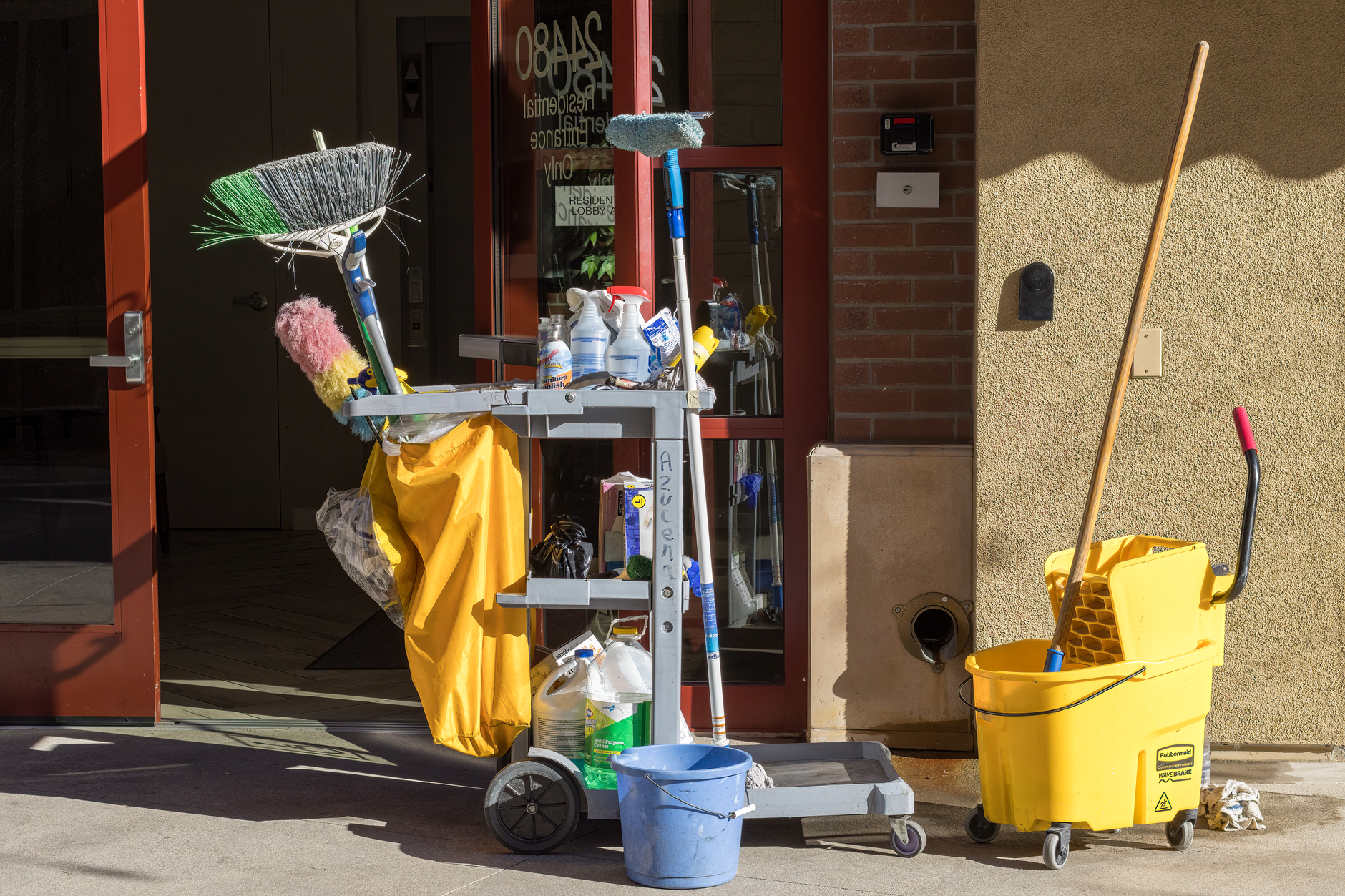
Covering an empty shift usually falls to people already on the schedule. Whether that work costs more depends on the workweek, not the shift. According to the Congressional Research Service, covered nonexempt employees must receive at least 1.5 times their regular rate for hours over 40 in a workweek.
Two details change the math. According to the same CRS report and the University of Tennessee MTAS overtime guide, weekend or holiday hours count toward overtime only when they push the workweek past 40 hours, and paid leave does not count as hours worked. The regular rate can also include more than base pay, such as certain bonuses.
States can set stricter rules than the federal floor, so check yours before you model the cost. Build the overtime line from your timesheets, counting only the hours that actually cross the threshold.
How much does slip risk add to the bill?
Floors left overnight with spills, grit or residue are a hazard for the first people through the door. Falls are a documented cost category, not a theory. According to Liberty Mutual's 2025 workplace safety index, as reported by Insurance Journal, overexertion and falls rank among the top causes of workplace injury costs, and total workplace injury costs were reported near $60 billion a year.
That national figure says nothing about your building. Build your estimate from your incident log: count claims, near misses and the hours spent on each investigation, then add lost time for the injured worker and any change to your workers' compensation premium. If no incident has occurred, record near misses anyway. They are the cheapest evidence you will get.
Some per-incident figures circulate widely online, often traced to older editions or secondary sources. Leave them out of your model unless you can check them against the original report.
What do guest complaints cost a property?
Complaints are the hardest category to price, so count them before you assign value. Track floor-related comments in reviews, guest tickets, front-desk compensation and any refunds tied to a dirty or slippery space.
Assign a value only where your records support one, such as a documented refund or a rebooking that followed a complaint. Where they do not, report the count and the trend beside the dollar total. An invented per-complaint number is the first thing a finance team will question.

How do you compare the total with a robot lease?
Add the four categories per shift, then multiply by the number of shifts left empty over a year. Compare that annual figure across a three-year window, because our lease term is three years. Put the result beside a fixed lease quote and see whether the open shift is worth covering with a machine.
Service Robot Co. leases robots only, through financing on a 3-year lease. Our engineers run a site assessment first, map the floor, confirm which zones a machine can cover, and then issue one fixed lease quote. That quote reflects your building rather than a catalog price, so it is the number to set against your empty-shift total.
We are OEM-neutral. We choose the machine that fits the floor across manufacturers, then deploy, integrate and service it through a nationwide US engineer network. The comparison works best when the robot's zones match the passes you logged earlier.
Where does this comparison go wrong?
Four errors show up most often. Each one is easy to avoid if you gather the records first and ask for the site assessment before you decide.
- Counting only the wage and ignoring skipped passes and catch-up time
- Charging all extra hours at the overtime rate, when many fall below the 40-hour threshold
- Treating one bad night as the normal case instead of reviewing several weeks
- Assuming a robot removes a headcount, when it really covers zones an empty shift would have missed
Frequently asked questions
Want a robot working for you?
Tell us the job and the site. We will recommend the robot, quote the lease, and keep it serviced.