Key takeaways
- One mower operator resignation can leave peak season fairways uncut, because thin crews rarely have a trained spare ready.
- The mower seat is a single point of failure, and the route knowledge leaves with the person who held it.
- An autonomous fairway unit can hold a baseline cut while you hire and train.
- Track cut completion, supervision hours and days to a trained backup from the first week.
- Keep greens and bunker work with your crew, and let the robot carry the repeatable fairway passes.
What happens when your only mower operator quits?
When a mower operator resigns in peak season, the fairway schedule often stops with them. On a thin crew, the mower seat is not a role someone else can slide into by Monday. The cut that took one person and one machine simply goes undone.
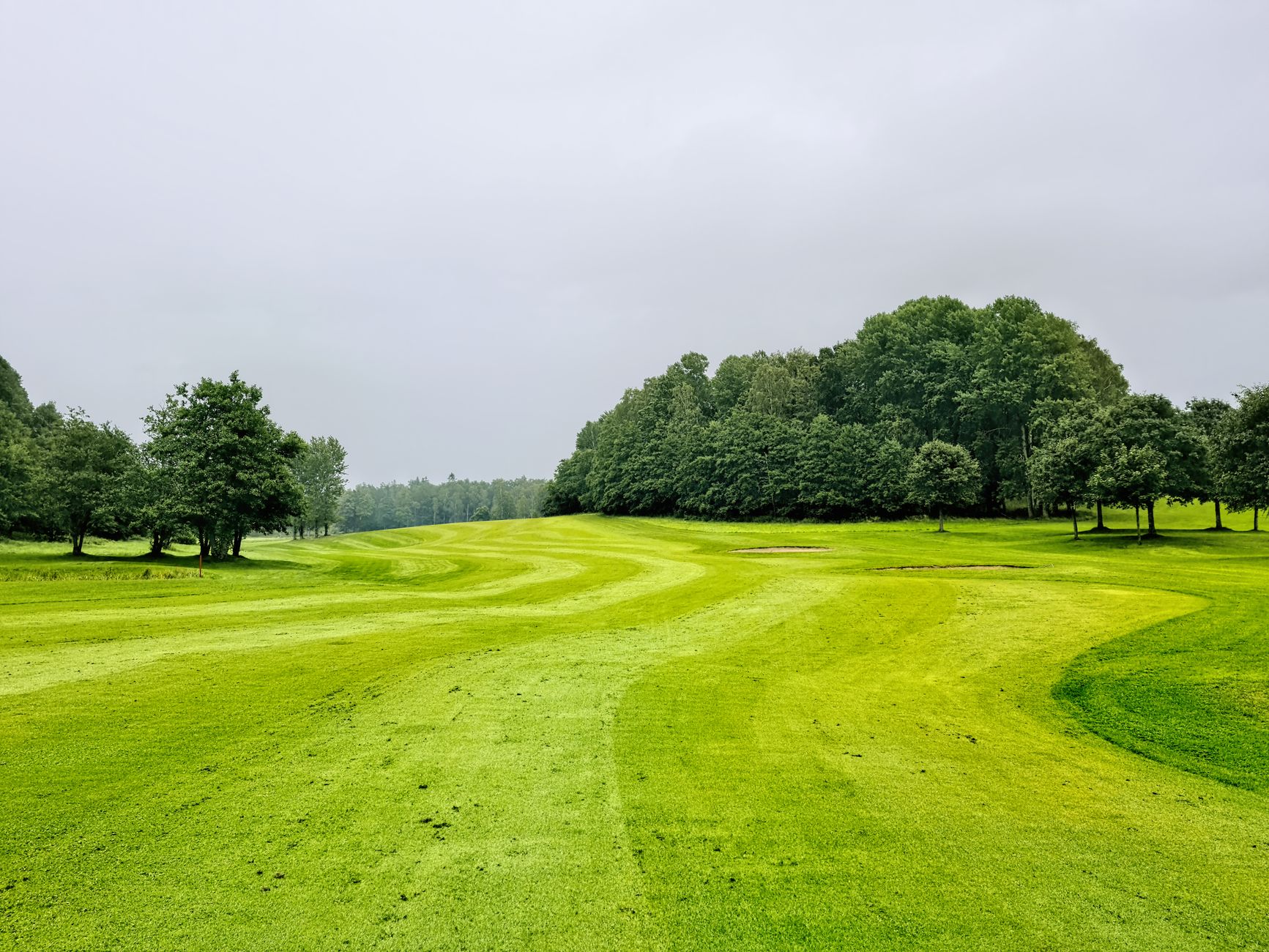
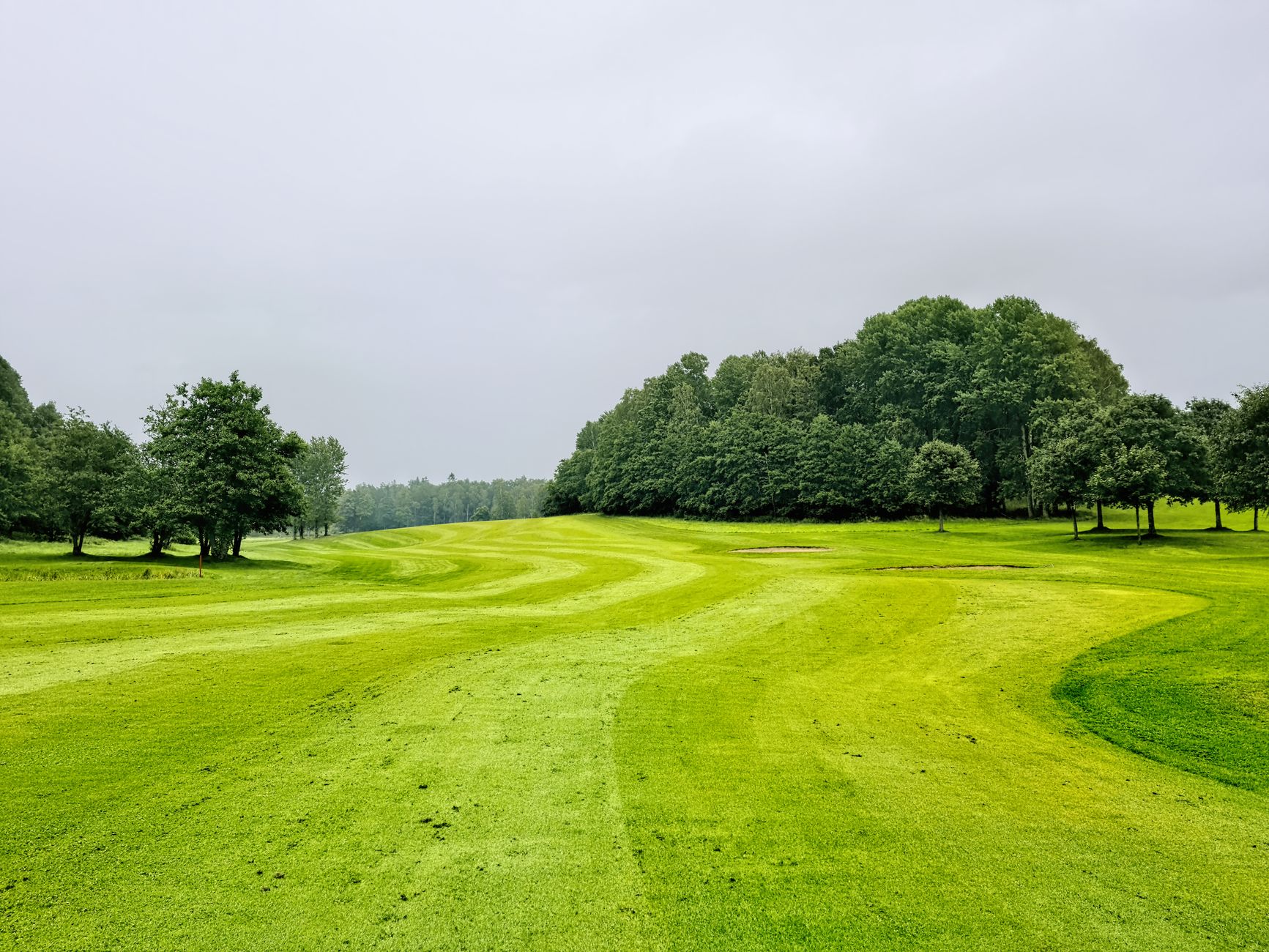
The damage rarely shows up as one dramatic failure. Fairways that should have been mown on Tuesday are still long on Friday, and whoever mows them next inherits a bigger, slower job. Members notice the stripes long before anyone writes a memo about why.
That is the schedule risk many course budgets carry without naming it. Autonomous fairway mowing does not erase the risk, but it gives you a second way to hold the baseline while people catch up.
Why does one empty seat hit the whole fairway schedule?
Fairway mowing runs on a cadence. It has to finish before tee times, around events, and in the windows between irrigation and play. A crew already splitting hours between greens, tees, bunkers and cart paths has little slack to absorb a vacancy.
The operator also carries knowledge that the job manual does not. They know the soft spot by the third green, the drain that clogs after rain, and which hole gets a second pass. When that person leaves, that knowledge leaves too, and a replacement needs time before they can run the job alone.
Peak season makes every gap worse, because the rest of the work is also at its busiest. There is rarely a quiet day when the crew can catch up on fairways.

How much buffer does a thin crew actually have?
In most small operations, not much. Buffer means cross trained people, spare hours, or a machine ready to run a route. Thin crews often lack all three, and overtime limits make it hard to add hours quickly when someone walks out.
Commercial landscape firms are asking the same hiring question. Aspire, a landscape software company, published its 2026 Commercial Landscape Industry Report after surveying more than 1,000 commercial landscaping professionals, with fieldwork running from May 2 to May 23, 2025. The data is vendor reported, so treat it as context and check it against your own timesheets.
Your own hours are the most useful buffer data you have. Count how many fairway hours depend on a single named person, and you will see your real exposure.
What can an autonomous fairway unit cover while you hire?

A fairway unit does not replace a crew. It can hold a baseline cut on the fairways that repeat each week, so the schedule keeps moving while you recruit, train or reassign people. Greens, bunkers and hand work stay with your crew.
Setup has limits. Slopes, wet low spots, cart path edges and drains need mapping and boundary work before a unit can run unattended, and weather can still stop a pass. The goal is not perfection. The goal is a schedule that no longer depends on one person showing up.
Other operators are testing the approach at larger scale. Golf Business News reported, as of November 2026, that 16 CEORA robotic mowers ran on the Brabazon Course at The Belfry during play that was hit by rain at the 2026 British Masters. That is vendor sourced context from a trade article, not an independent trial.
Turf Magazine reported, as of November 2026, that Husqvarna robotic mowers supported turf management at the 2026 U.S. Senior Women's Open. That is manufacturer supplied context, so read it as a description of the setup rather than a measure of results.
What should you measure in the first weeks?
Track a short list every week rather than waiting for month end. These measures show whether the baseline is holding and whether the handover is real.
The last measure in the list matters most. A baseline that holds for six weeks but needs an expert standing on the fairway every morning has not solved the seat problem. It has only moved the work somewhere else.
- Fairway cut completion against the planned window, counted fairway by fairway rather than as a daily total
- Hours per day your crew spends supervising, correcting or resetting the unit
- Missed or deferred passes, with the cause logged for each one
- Edge and stripe checks on every fairway the unit covers, compared with the crew cut
- Days until a trained backup can run the route without the lead on site
How do you phase the handover without shutting play down?
Start small. Map three or four holes first, set hold points around cart paths and drains, and run the unit on the fairways that repeat most reliably. A phased deployment with no shutdown lets you expand only after the first weeks show a stable cut, because a broad rollout on day one multiplies every setup mistake.
Keep one named person accountable for the unit. That may be a crew lead who learns the dashboard, not the former operator. Train a second person while the first is in charge, so nobody learns alone and nobody becomes the next single point of failure.
Write the handover down. Record which fairways the unit covers, which ones your crew still mows by hand, and who gets the alert when a pass fails. A written route beats a memory that walked out the door.
Where does Service Robot Co. fit in?
Service Robot Co. is an OEM neutral, vendor neutral robot integrator for US businesses. We choose the robot that fits your course, lease it to you through financing on a three year lease, and handle deployment and integration. Our robot leasing for business starts with a site assessment, and the lease is quoted after that assessment, so the decision rests on your ground rather than a catalog.
Every unit we place runs under RoboCare, our service plan, backed by regional service engineers in every state we service. One partner, one number, so a fault on a Tuesday morning goes to one team instead of six vendors. Our turnkey robot deployment also covers go live support and training for the people who will run the unit day to day.
Frequently asked questions
Want a robot working for you?
Tell us the job and the site. We will recommend the robot, quote the lease, and keep it serviced.