
Key takeaways
- Keep patrol robots on firm, mapped routes instead of asking them to cross loose beach sand.
- Specify corrosion resistance separately from dust and water ingress ratings.
- Use narrow camera views, short retention periods, and human verification to protect guest privacy.
- Treat the robot as a persistent sensor platform that supports, but never replaces, trained security staff.
Where do patrol robots fit at a beachfront resort?
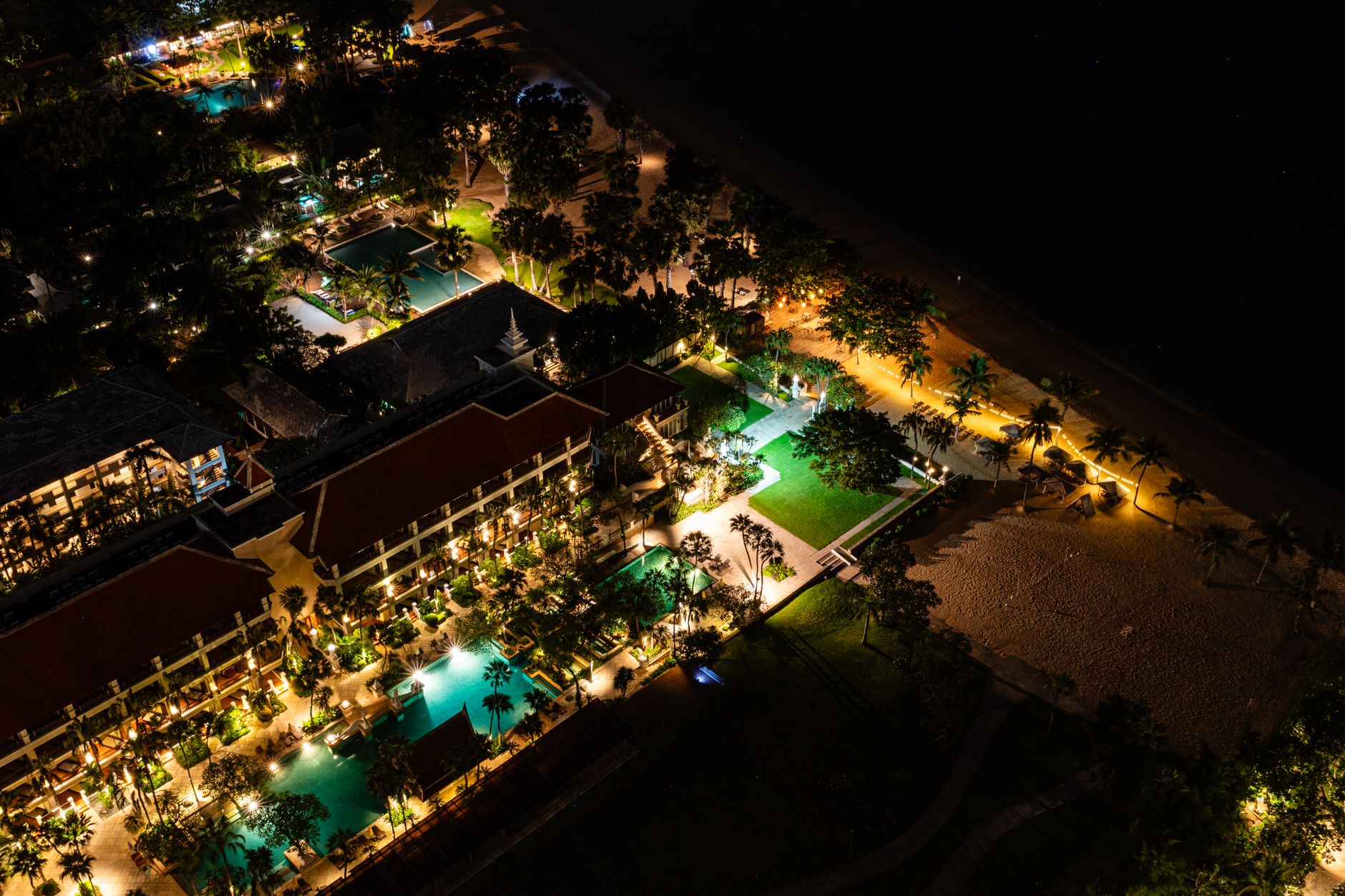
Patrol robots fit best on the resort side of the boundary: parking-lot edges, paved service paths, loading approaches, boardwalk entrances, and public-beach access points after dark. They can repeat scheduled rounds, flag people or vehicles in restricted areas, and send live evidence to security personnel who decide what happens next.
The strongest deployment does not send an autonomous patrol robot wandering across loose sand or confronting trespassers. It gives the machine a defined observation route, conservative stop behavior, protected charging, and a direct escalation path to a guard, supervisor, or emergency service.
That division of labor matters. A robot supplies patient, repeatable coverage in places where fixed cameras leave gaps. Human officers interpret ambiguous activity, speak with guests, handle public-access disputes, and respond when judgment or authority is required.
Which boundary routes should the robot patrol?
Begin with a night survey of the actual perimeter. Map parked vehicles, landscaping pinch points, gates, drainage grates, dune crossings, delivery traffic, employee smoking areas, and the places where guests return from the beach. Site assessment mapping should also record puddling, Wi-Fi or cellular dead zones, steep cross-slopes, and seasonal route changes.
Parking edges usually offer the most dependable terrain and the clearest security value. Service paths can also work well if carts, hoses, refuse containers, and linen movements have assigned parking positions. At public-beach access points, route the robot beside the pedestrian flow and preserve an obvious, generous passing lane.
Federal U.S. Access Board standards for covered beach access routes require a 60-inch minimum clear width, with a 48-inch exception at certain dune crossings. Those dimensions are not robot-clearance rules for every resort, but they are a useful warning: a patrol device must not consume space intended for accessible public passage.
Salt and sand change the hardware specification
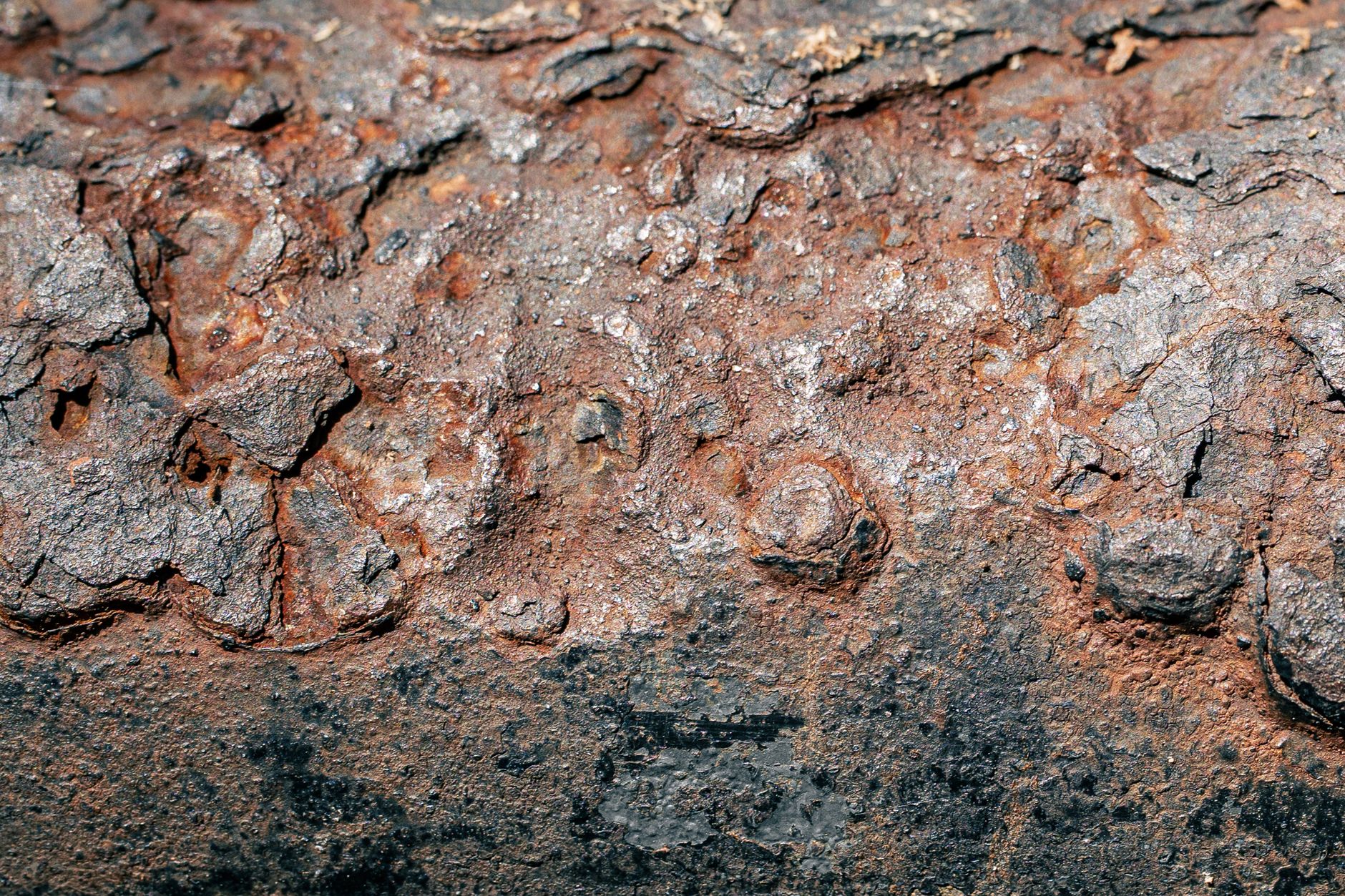
Salt aerosol attacks fasteners, connectors, charging contacts, cooling paths, and scratches in protective coatings. Sand works differently. It abrades seals, clouds optical windows, packs into wheel assemblies, and reduces traction when it accumulates on pavement. A generic outdoor label does not prove that a machine can tolerate both hazards.
Ask for documented enclosure, connector, coating, and material specifications. NEMA explains that an IP code addresses solids and water, while NEMA enclosure testing can cover additional hazards such as corrosion, rust, and icing. It also warns that the installed system inherits the rating of its weakest component.
For numerical context, NEMA says outdoor enclosures in its standard face 600 hours of salt-spray exposure. Corrosion-resistant Type 4X, 3RX, 3X, 3SX, and 6P enclosures receive an additional 200-hour comparison against a type 304 stainless-steel specimen. Those tests do not certify an entire robot, so buyers should request evidence for the complete machine and charging assembly.
The maintenance plan should set inspection intervals for seals, wheel hubs, fasteners, lenses, and charge contacts. Use approved fresh-water cleaning procedures after salt exposure, remove packed sand without forcing it deeper into seals, and log corrosion before it becomes a roadside failure. RoboCare™ service in a contract is valuable only when coastal tasks are explicitly listed.
How should the robot see without disturbing guests?
More light is not automatically better. A glaring searchlight sweeping balconies, restaurant terraces, or beachfront rooms can make a technically capable patrol unacceptable. Favor shielded, downward-oriented illumination and sensors qualified on the real route under moonlight, decorative lighting, vehicle headlights, wet pavement, and deep shadow.
Test detection at the distances that matter for each zone. A parking boundary may require reliable recognition of a stopped vehicle or person near a fence, while an access path may need only obstacle detection and an alert when someone enters a staff-only spur. The acceptance test should include dark clothing, reflective rainwear, glare, fog, and partially hidden subjects.
Lighting should support safe navigation and human verification, not create a theatrical display. Disable unnecessary audio, keep alert tones restrained, and choose a low night speed around rooms and pedestrian crossings. Any event that the remote operator cannot interpret confidently should be handed to an on-site officer.

What weather should stop a patrol?
Create explicit abort conditions for standing water, wind, visibility, lightning, storm warnings, debris, and loss of communications. NOAA describes total coastal water level as the combined effect of storm surge, tides, wave setup or runup, and freshwater flow. A dry route at mapping time can therefore become inundated through several interacting mechanisms.
The National Weather Service advises people to move indoors when thunder is heard and wait at least 30 minutes after the last thunder before resuming outdoor activity. The robot policy should support that human safety rule. A remote recovery procedure must never entice an employee onto an exposed beach path during lightning.
Weather automation should fail conservatively. If a local sensor, forecast feed, or communications link disappears, the robot should stop in a designated refuge or return to its dock while conditions remain safe. Flooded pavement, windblown branches, damaged boardwalk panels, and surf overwash require a fresh route inspection before patrols resume.
How can a resort protect guest privacy?
Start with purpose limitation. Define the events the system needs to detect, the staff allowed to view them, the retention period, and the exact camera field for every patrol segment. Mask guest-room windows, private patios, pools after permitted hours, neighboring property, and unnecessary stretches of public beach.
NIST describes its Privacy Framework as a voluntary tool for identifying and managing privacy risk. Applied here, that means assessing the full data life cycle before deployment: collection, transmission, access, sharing, retention, deletion, and incident handling. Recording continuously simply because storage is available is poor discipline.
Post clear notice where robotic observation begins, use role-based access, encrypt stored and transmitted video, and log every retrieval or export. Facial recognition and biometric analysis should remain off unless counsel confirms a specific, necessary use and the resort has completed a jurisdiction-specific review. State and local privacy rules vary, especially when audio or biometrics are involved.
Cybersecurity belongs in the same operating plan. NIST Cybersecurity Framework 2.0 organizes risk work into six functions: Govern, Identify, Protect, Detect, Respond, and Recover. Those functions translate neatly into ownership, device inventory, access controls, monitoring, incident playbooks, and restoration procedures for a connected patrol fleet.
The human response model determines security value
A robot alert is the beginning of a decision, not the end of an incident. Define separate playbooks for a guest returning late, an employee using a service gate, loitering near vehicles, forced entry, a lost child, an animal, and a person apparently in distress. Each event needs a verification step, urgency level, and named responder.
Remote staff can review video, speak through the device when policy permits, or request an on-site check. Resort officers retain responsibility for guest contact, de-escalation, access decisions, evidence preservation, and calls to police, fire, or medical services. The robot should never chase, block, touch, or attempt to detain a person.
Run drills on poor images, false alarms, network loss, a stalled robot, and simultaneous events. Measure verified detections, nuisance alerts, response time, missed patrol segments, route completion, and human interventions. Raw patrol miles sound impressive, but they do not reveal if the security team received useful information.
Pilot the route before committing the property

A useful robot pilot program covers several weeks of ordinary nights plus challenging conditions such as busy weekends, irrigation, fog, rain, and heavy beach traffic. A commercial robot demo lasting an afternoon can confirm basic mobility, but it cannot reveal salt accumulation, guest reactions, connectivity gaps, or alert quality over time.
Service Robot Co. approaches security patrol robot leasing as a full-lifecycle deployment. As an OEM-neutral, vendor neutral robot integrator for U.S. businesses, the company can compare machines across manufacturers, arrange financing, perform robot deployment and integration, train resort teams, and service units through a nationwide U.S. engineer network.
Contract review should distinguish remote triage from on-site dispatch, list coastal preventive maintenance, define replacement procedures, and state support hours. Leasing or monthly payment programs can reduce initial capital exposure, but buyers should compare term length, cancellation rights, insurance, data ownership, and end-of-term choices instead of judging robot leasing monthly payments alone.
The objective is one accountable operating program, not another unattended device. With one partner and one number for deployment, training, finance, and field service, a resort can keep the robot, its dock, the network, and the human response process under the same performance plan.