
Key takeaways
- Patrol robots extend existing cameras by repeatedly inspecting blind spots, parked vehicles, fuel areas, material piles, gates, and fence lines.
- A useful deployment begins with event and response requirements, not a particular robot brand or sensor package.
- Routine recordings and incident evidence need separate retention rules, protected originals, access logs, and documented custody.
- Public works leaders should involve labor representatives early and define the robot as a patrol and documentation tool, not an employee performance monitor.
- Procurement should cover the full operating lifecycle, including integration, training, maintenance, software support, remote triage, and field service.
What can a patrol robot actually monitor?
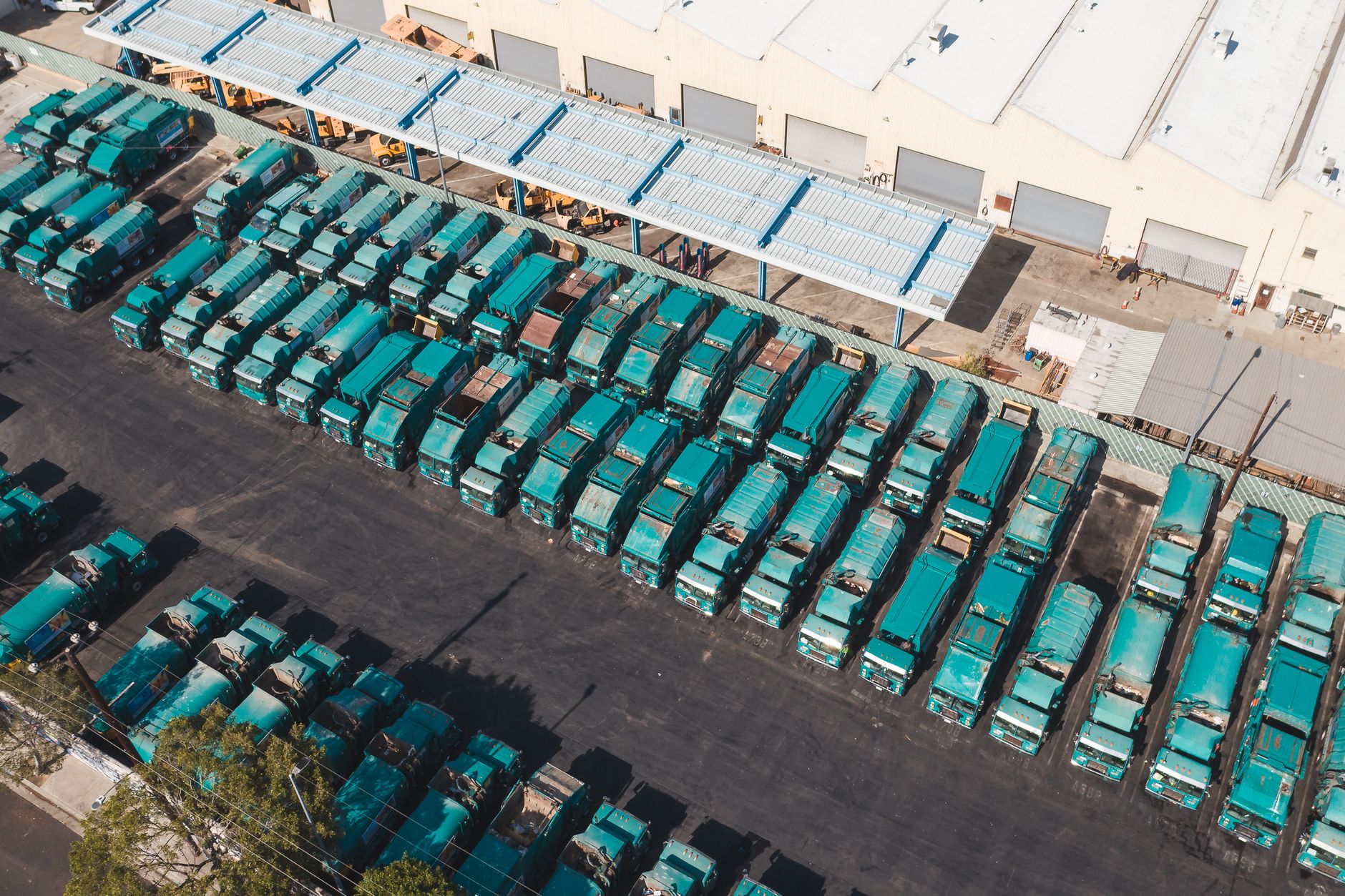
An autonomous patrol robot can make scheduled rounds through a municipal public works depot, observing fleet vehicles, fuel infrastructure, stored materials, gates, buildings, and fence lines. It gives supervisors a repeatable stream of time-stamped images, sensor readings, and alerts from places that fixed cameras may see poorly or not at all.
The robot should support existing guards, dispatchers, cameras, access control, and employee reporting. It is not a police officer, fire responder, spill technician, or substitute for required inspections. Its practical value is persistence: it revisits defined checkpoints, records the same views, and sends unusual conditions to a person who has authority to act.
Good deployments begin with risks and response rules. Cities should identify what the robot must notice, who receives each alert, what evidence must be preserved, and where autonomous travel is prohibited before comparing an autonomous patrol robot or security patrol robot leasing program.
- Vehicle zones: open doors, broken glass, unexpected movement, blocked apparatus, and vehicles present outside expected schedules.
- Fuel areas: visible pooling, cabinet or enclosure changes, unauthorized presence, and unusual thermal conditions from an approved stand-off position.
- Materials yards: disturbed aggregate piles, missing barricades, moved pallets, exposed pipe, unsecured tools, and entry into controlled storage zones.
- Perimeters: open gates, damaged fence panels, objects placed against fencing, vegetation obscuring sightlines, and people or vehicles lingering near access points.
How should patrol routes be designed around depot work?
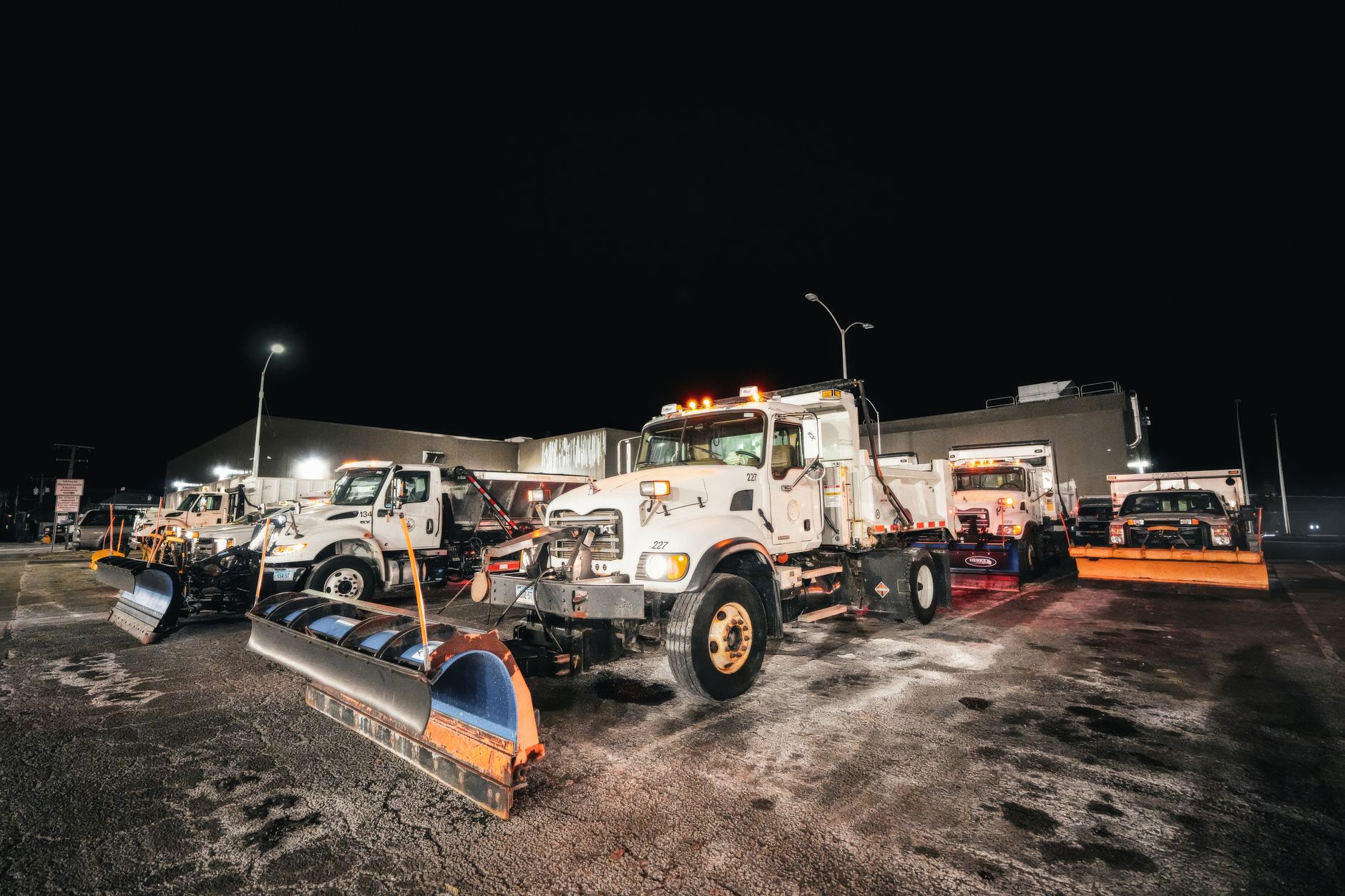
A depot changes character throughout the day. Snowplows may leave before dawn, street crews can return in waves, and contractors may enter through a secondary gate. A single continuous loop rarely captures that rhythm. Route schedules should follow operational windows, with different checkpoints and alert tolerances for dispatch, shift change, fueling, deliveries, and closed hours.
Map traffic conflict points before mapping the robot. Mark reversing lanes, wash bays, salt sheds, loader routes, snow banks, hose crossings, temporary material stacks, drainage grates, and places where GPS or wireless coverage weakens. The robot needs conservative speed zones, stop points with clear sightlines, and safe places to wait when heavy equipment has priority.
Every alert also needs a disposition. A dispatcher might inspect a camera view, speak through an approved audio channel, notify a supervisor, or call emergency services. If nobody owns an alert, detection merely creates another unattended queue.
How do mobile patrols integrate with existing cameras?

Fixed cameras remain the depot's stable visual record. They cover entrances, fuel islands, buildings, and other high-value views continuously. A mobile unit adds changing angles, close inspection points, and coverage behind parked trucks, bins, sheds, and seasonal stockpiles. The strongest design treats the robot as another managed sensor inside the city's security architecture.
Ask vendors to demonstrate live video, event delivery, timestamps, user permissions, export, and playback inside the city's current video management system. ONVIF Profile T supports H.264 and H.265 video, metadata streaming, motion and tampering events, imaging controls, and bidirectional audio. Conformance still must be tested on the exact robot, client, and server combination because support for individual functions can vary.
Keep one incident workflow. Operators should not have to watch a separate screen for every device. Robot alerts should open the relevant mobile view and nearby fixed cameras, while the incident record identifies which device produced each clip. Time synchronization across all systems is essential for reconstructing a vehicle or person's movement.
Fuel and material areas need special operating rules
Fuel storage makes a depot patrol more than a theft assignment. According to the U.S. Environmental Protection Agency, the federal Spill Prevention, Control, and Countermeasure rule can apply when a qualifying facility has aggregate aboveground oil storage capacity greater than 1,320 gallons or completely buried capacity greater than 42,000 gallons and could reasonably discharge to navigable waters or adjoining shorelines.
A robot can document visible conditions between staff rounds, but it does not certify compliance or replace an SPCC inspection. Keep it outside electrically classified or vapor-hazard areas unless the complete unit and payload are approved for that environment. Geofence dispensers, fill points, containment edges, and emergency equipment so a navigation error cannot introduce another ignition or access risk.
For aggregate, salt, pipe, signs, and repair stock, use repeatable observation points instead of vague roaming. A reference image from the same angle makes a moved pallet or breached enclosure easier to assess. The city should decide which changes justify an immediate alarm and which belong in a morning exception report.
How should video and incident evidence be retained?
Do not choose one blanket retention period during a sales demonstration. The city records officer, counsel, risk manager, law enforcement liaison, and IT security team should classify routine patrol video, system logs, flagged incidents, public-record material, and evidence under the applicable state and local schedules. Legal holds, claims, investigations, and collective bargaining agreements can change normal deletion rules.
Routine footage can follow an approved lifecycle, while an incident export enters controlled evidence storage. Preserve the native file, associated metadata, timestamps, event details, and the software or instructions needed to view it. Record who exported, accessed, copied, redacted, or transferred each item.
NIST Interagency Report 8387 recommends documenting a digital file's original source and transfer and hashing digital objects with a NIST-approved algorithm, with the resulting hash kept separately in a secure location. That practice helps demonstrate that a preserved clip has not changed. The Bureau of Justice Assistance also emphasizes retrieving associated metadata and maintaining video integrity.
Retention policy should address failed uploads and offline operation too. Specify how much encrypted edge storage is available, what happens when it fills, how reconnection is logged, and how an incident is protected from automatic deletion. Test an export with the city attorney or police evidence unit before go-live.
What belongs in a municipal robot procurement?
Write the solicitation around outcomes: route completion, obstacle behavior, usable night imagery, environmental limits, alert latency, evidence export, access controls, integration, uptime reporting, and service response. Brand-specific language can narrow competition without improving performance. Require a depot demonstration using real surfaces, lighting, gates, parked equipment, wireless dead spots, and winter or rain conditions relevant to the jurisdiction.
For federally funded purchases, 2 CFR 200.318 requires documented procurement procedures, contractor oversight, conflict-of-interest standards, procurement history records, and analysis of leasing versus purchasing when appropriate. The related federal rules require competition and clear technical requirements. Cities must also apply their own charter, state law, cooperative-purchasing rules, cybersecurity review, insurance requirements, and grant conditions.
Evaluate the operating package, not just the machine. The bid should state responsibility for site assessment mapping, camera and network integration, acceptance testing, staff training, software updates, preventive maintenance, remote triage, on-site dispatch, replacement coverage, data return, and secure disposal at contract end. Include measurable remedies when recurring route, integration, or support requirements are missed.
Service Robot Co. can support this structure as an OEM-neutral, vendor-neutral robot integrator. The company compares equipment across manufacturers, then finances, deploys, integrates, trains, and services each unit through a nationwide U.S. engineer network. That gives a municipality one partner and one number across the lifecycle without forcing the specification around one manufacturer.
How should cities address unions and employee monitoring?
Bring labor relations, supervisors, safety staff, depot employees, and union representatives into planning before routes are finalized. Explain the security purpose, patrol hours, sensor types, recording zones, audio settings, alert recipients, and prohibited uses. Employees should know how to report a stalled robot, unsafe route, false alert, or privacy concern without improvising around the machine.
The National Labor Relations Board states that federal, state, and local government employees are excluded from the National Labor Relations Act. That does not remove labor obligations. Public employees are governed by state and local labor statutes, civil-service rules, contracts, policies, and constitutional considerations, so municipal counsel must determine notice, consultation, and bargaining duties for the jurisdiction.
Put boundaries in writing. Avoid locker rooms, rest areas, union offices, medical spaces, and other areas where monitoring would be inappropriate. State if footage may be used in discipline, who can approve such access, and how incidental employee recordings are handled. A security program loses credibility quickly when a patrol tool quietly becomes an attendance or productivity tracker.

A controlled pilot reveals the real operating fit
A commercial robot demo can show basic movement, but a robot pilot program should test full incidents. Stage an open gate, a person near stored materials, an obstructed route, a network interruption, an evidence export, and a handoff to a supervisor. Use benign test objects and coordinate every exercise so employees and emergency dispatch are not surprised.
Measure completed checkpoints, missed observations, nuisance alerts, human review time, communication failures, interventions, evidence-export success, and service response. Document seasonal assumptions. A route proven on dry pavement may fail after plowing changes aisle width or a salt pile alters the map.
Financing can then match the verified need. Service Robot Co. can structure lease, sale, or monthly payment programs, including leasing arrangements where appropriate, and keep maintenance and deployment responsibilities under one vendor. The decision between robot leasing and buying should follow procurement rules, expected service life, technology risk, and the city's appetite for ownership.
Approve expansion only after operations, IT, legal, labor, risk, and security sign off on the pilot record. The result should be a depot patrol program with named owners, tested escalation, defensible evidence practices, and support that lasts beyond the ribbon cutting.
Frequently asked questions
Sources
- EPA SPCC applicability criteria
- Electronic Code of Federal Regulations, procurement standards
- ONVIF Profile T specification overview
- NIST digital evidence preservation guidance
- Bureau of Justice Assistance video evidence resources
- National Labor Relations Board coverage guidance
- NIST IoT cybersecurity capability baseline
- CISA ransomware and network defense guidance