Key takeaways
- Robots suit dry hair clippings on open tile, while staff keep wet dye, product and hair clumps.
- Set one route template per store class instead of forcing one identical route across the whole chain.
- No hair-salon chain robot deployment turned up in our research, so pilot one store before extending the routine.
- Retail labor figures such as 2.5 labor hours per day are not salon numbers, so run the math on your own hours.
- Service Robot Co. leases robots on a 3-year lease with one fixed payment quoted after a site assessment.
Can a robot clean a hair salon chain after close?
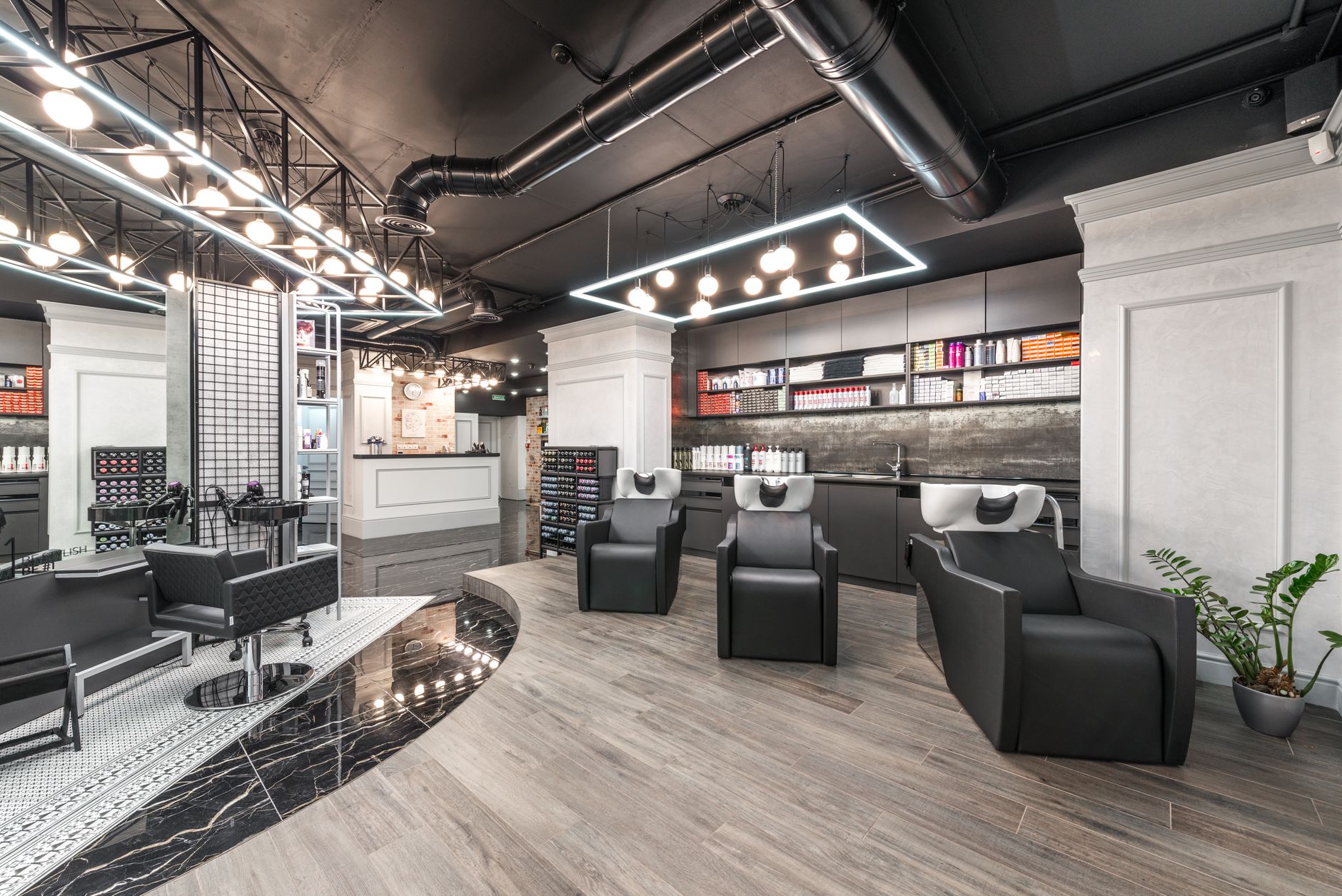
Yes, for the open floor between stations, and the reason is mostly routine. A salon floor at closing time is a hair floor: clippings lodged in grout, product on tile, and a row of chairs and shampoo bowls that a machine has to route around. For a multi-location operator, the harder question is whether the same routine can run the same way in every store.
The strongest plan treats the robot as the nightly pass on dry, open tile. Staff handle wet product, dye and clumps, and each store works from a route template matched to its layout. Our research did not find a hair-salon chain robot deployment, so the evidence below comes from adjacent retail and from salon guides written by vendors. Treat it as a planning starting point, not proof.
Why hair clippings and product spills make salon floors hard
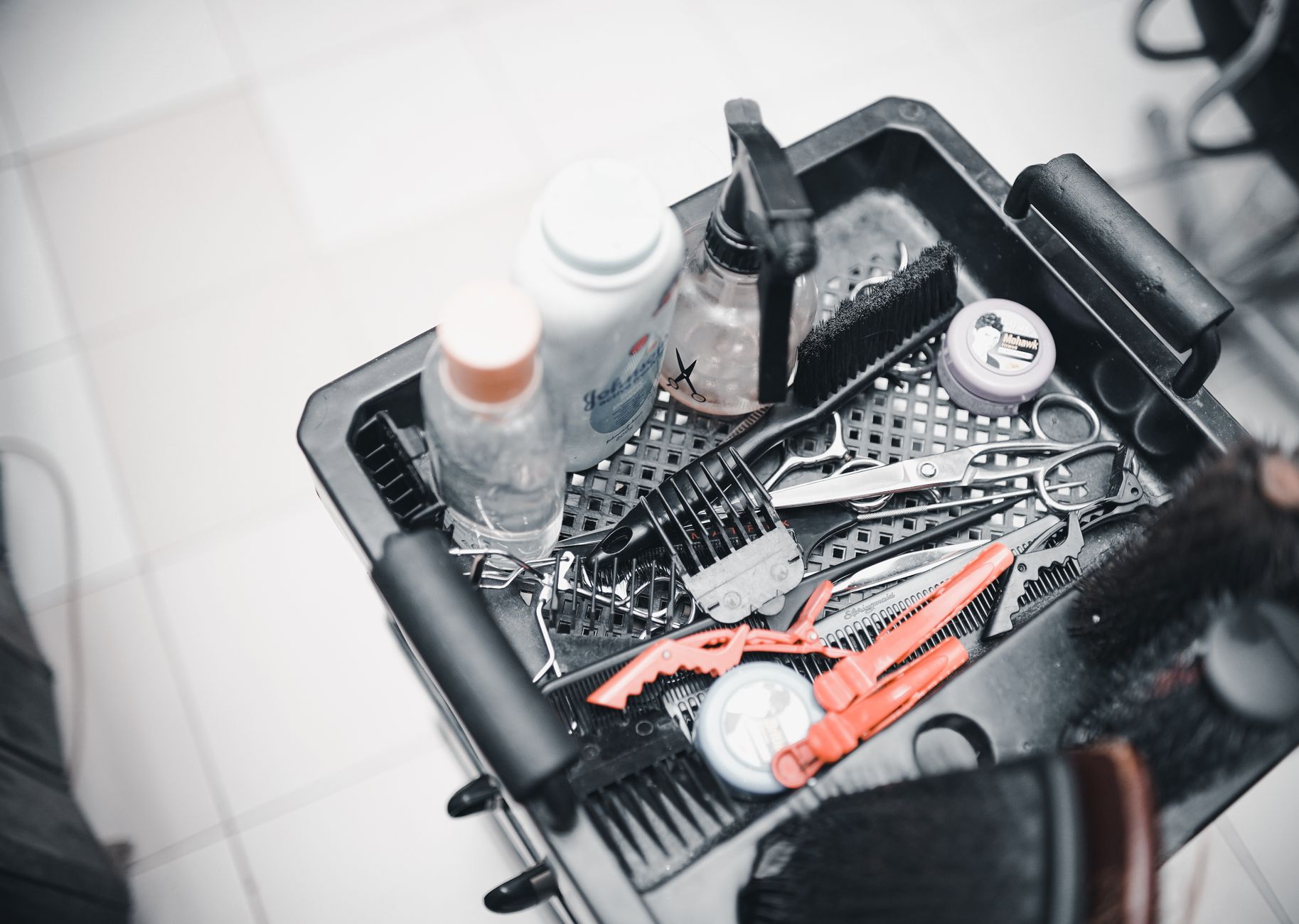
Business Cleaning Solutions advises sweeping or vacuuming hair clippings immediately after each haircut, and recommends a weekly pass under styling stations, shampoo chairs and reception furniture, moving them if needed. That is a lot of small, frequent work, which is why a salon floor can look worse by Friday than it did on Monday.
Grout is the trouble spot. Manor Floor Care, a UK floor care vendor, says grout lines often become black with hair clippings and spilled product. East Coast Flooring notes that luxury vinyl and tile resist hair dye and product stains, and that daily sweeping keeps hair from being ground into the surface. Hard floors help, but only if the clippings leave the floor before the next pass.
Where a floor robot works in a salon and where it stops
Salon-focused guidance is cautious about robots. Hair-style.site says robot vacuums are not ideal for pooling liquids or thick wet clumps of hair, and advises against running one across fresh wet dye. Those are exactly the conditions a salon creates at closing time, so they set the boundary for what the robot should touch.
A workable split looks like this:
Robot: dry clippings on open tile between stations and along reception and back-hall paths.
Staff: fresh dye, pooled shampoo water, thick wet hair around drains and any spill that has not dried.
Staff: a visual check of grout lines at each store once a week, since the robot will not fix grout staining.
- Robot: dry clippings on open tile between stations and along reception and back-hall paths.
- Staff: fresh dye, pooled shampoo water, thick wet hair around drains and any spill that has not dried.
- Staff: a weekly visual check of grout lines, since a robot pass will not reverse grout staining.
How do you set up the route and clear the chairs?
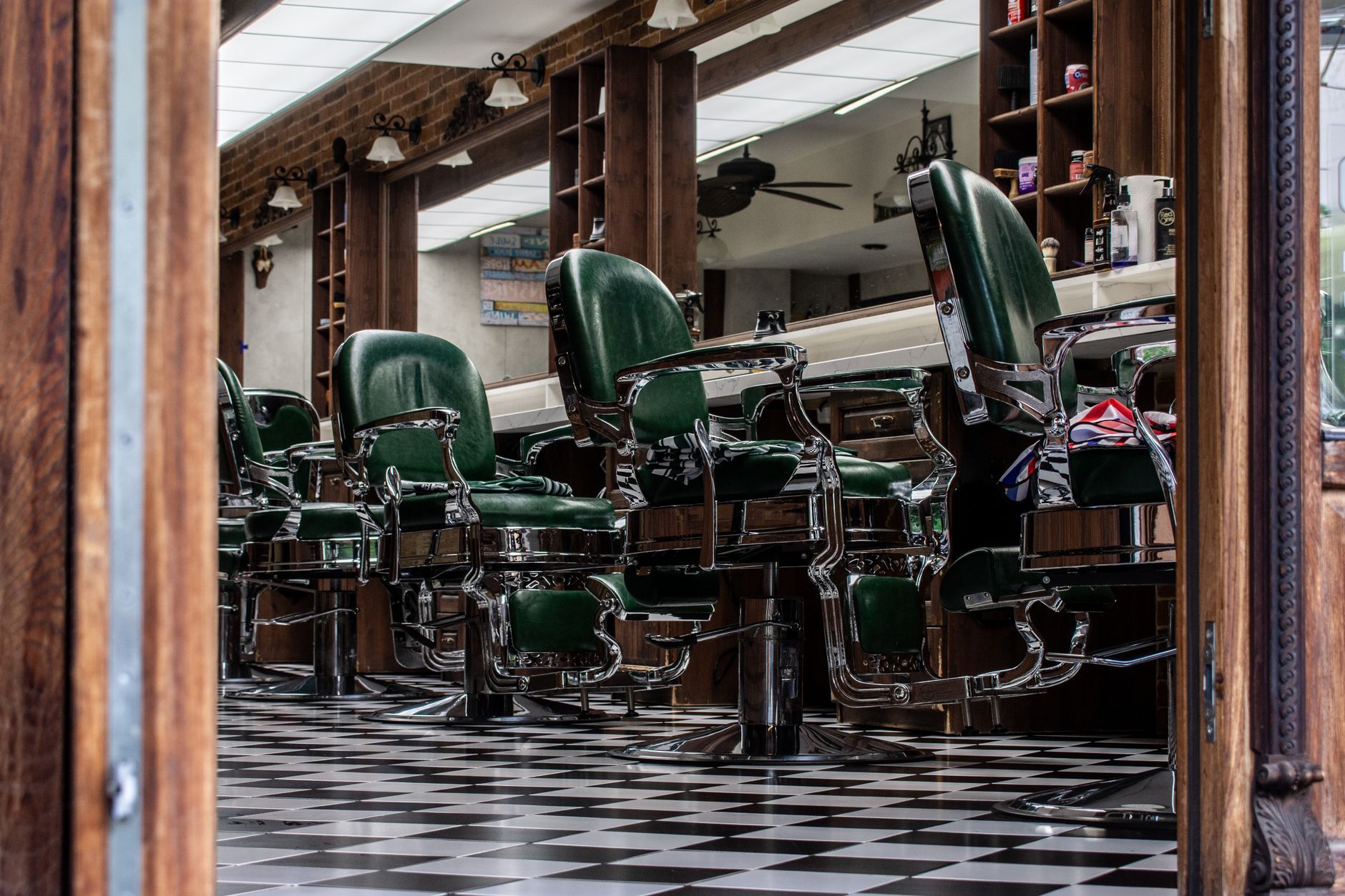
Route setup starts with the room as it actually exists at close, not the floor plan on file. Map the open lanes between stations, the reception path and the backbar, then mark every point where a chair, shampoo bowl or cart blocks the robot. Those blockers decide the route more than the square footage does.
Chair clearance works best as a fixed sequence. Each stylist resets their station first: clippings swept, product put away, capes folded. Then the chairs in the route are moved in the same order every night. The robot runs after that, and staff finish wet spots and check the grout. A consistent order is what lets the robot's run be predictable enough to trust.
What do multi-store floor robots show so far?
These are retail results, not salon results. A Fresh Mango Robotics blog, citing Retail Gazette, reports that Tesco put robots across 600 Express stores, with the rollout reported in June 2026 and completed by the end of July. A Gausium case page reports that Greek grocer AB Vassilopoulos deployed nine Omnie and sixteen Phantas units between January and May 2026 and saw a 20% reduction in manual floor cleaning time. That figure is vendor-reported, so read it as the vendor's claim.
Labor numbers vary widely by setting. Robolist, citing a Walmart rollout, says each autonomous scrubber saved approximately 2.5 labor hours per day. An Everwise piece citing a 2021 study says one scrubber across eight shopping center locations freed 5 to 6 hours of staff labor nightly. A 2021 Bunzl Canada analysis, cited by Everwise, put payback at 14 to 24 months for daily-cleaned facilities including malls and big-box stores. A salon has far less floor than a big box, so expect smaller savings and build the case from your chain's own labor hours.
How should a regional team standardize the routine?
Standardize the routine, but not every store identically. Robolist notes that frequent obstacle stops are a common deployment failure and that shoppers can disrupt routes. Salons face the same problem with clients, stylists and rolling carts, so each store needs its own route fit before the template is locked in.
Build one template per store class, such as a small two-chair room, a full-floor salon and a corner unit with a long wall. Let each store adjust the template during its first weeks, then freeze it. Keep one nightly checklist that covers station resets, chair order, the robot run, the wet-spill check and the weekly grout review. Assign a named owner in each store, and have a regional manager read the overnight logs once a week so problems show up across the chain, not one store at a time.

Where Service Robot Co. fits in a salon chain rollout
Service Robot Co. is a full-service commercial robot integrator for US businesses. We are OEM-neutral, so we select the robot that fits each floor, then finance, deploy, integrate, train and service it through a nationwide US engineer network. For a chain, that means one partner and one point of contact across the stores, instead of a separate vendor for each manufacturer.
Our offer is a lease. Service Robot Co. leases robots on a 3-year lease with one fixed payment, quoted after a site assessment of each store. A chain can start with a pilot store, compare route fit and labor hours, then extend the template to the rest of the locations if the numbers hold.
Frequently asked questions
Sources
- Business Cleaning Solutions, hair and beauty salon cleaning checklist
- Manor Floor Care, salon floor cleaning
- East Coast Flooring, salon flooring options
- Hair-style.site, robot vacuums and wet dry machines in salons
- Fresh Mango Robotics, Tesco 600-store autonomous floor cleaning rollout
- Gausium case page, AB Vassilopoulos supermarkets
- Everwise, cleaning robots in retail and shopping centers
- Robolist, where cleaning robots pay back