
Key takeaways
- Align lease start dates with opening week, not the calendar year.
- Storage climate and battery state of charge rules prevent spring surprises.
- Retraining staff each season costs less when SOPs and maps are versioned.
- Warranty and service clocks may run during closure unless contracts say otherwise.
- Ramp-up support should be booked before the first guest or student arrives.
Why does seasonal closure change robot buying?
Resorts, schools, attractions, and event venues do not run flat all year. They close for winter, summer break, maintenance weeks, or weather. Robot procurement for facilities with seasonal closures must match that pulse, not a factory model that assumes fifty-two equal weeks.
The direct answer: time your lease or purchase, storage plan, battery care, warranty coverage, and staff retraining to the weeks you are actually open. A scrubber that sits idle six months still ages. A delivery robot that launches on opening day without a refresh drill will jam on day one.
Buyers who treat closure as downtime only on paper learn expensive lessons in spring. Procurement should name closure tasks the same way operations names opening tasks. Finance should see those tasks in the same budget line as opening labor.
When should leases start and stop?
Month to month robot lease and robot rental monthly programs can align payments with operating months if the contract allows structured pauses or seasonal tiers. Read whether billing continues through closure and whether maintenance included still covers stored units.
Capital purchases spread depreciation across closed months whether or not the floor sees traffic. Compare robot leasing vs buying with the same seasonal calendar in the model.
Robot financing for small business sometimes bundles insurance and service for twelve months while you operate eight. Negotiate start dates so the first invoice lands after acceptance testing, not before maps exist.
How should robots be stored during long closures?
Indoor storage beats leaving units on damp loading docks. Ozark winters and Gulf humidity both punish electronics and batteries. Choose dry space with stable temperatures when possible.
Drain tanks on scrubbers per manufacturer guidance. Clean pads and squeegees so mildew does not set. Cover LiDAR and cameras to reduce dust.
Document storage location in the asset log. Spring crews should not hunt three buildings for the charger that moved in November.

What battery care prevents spring failures?
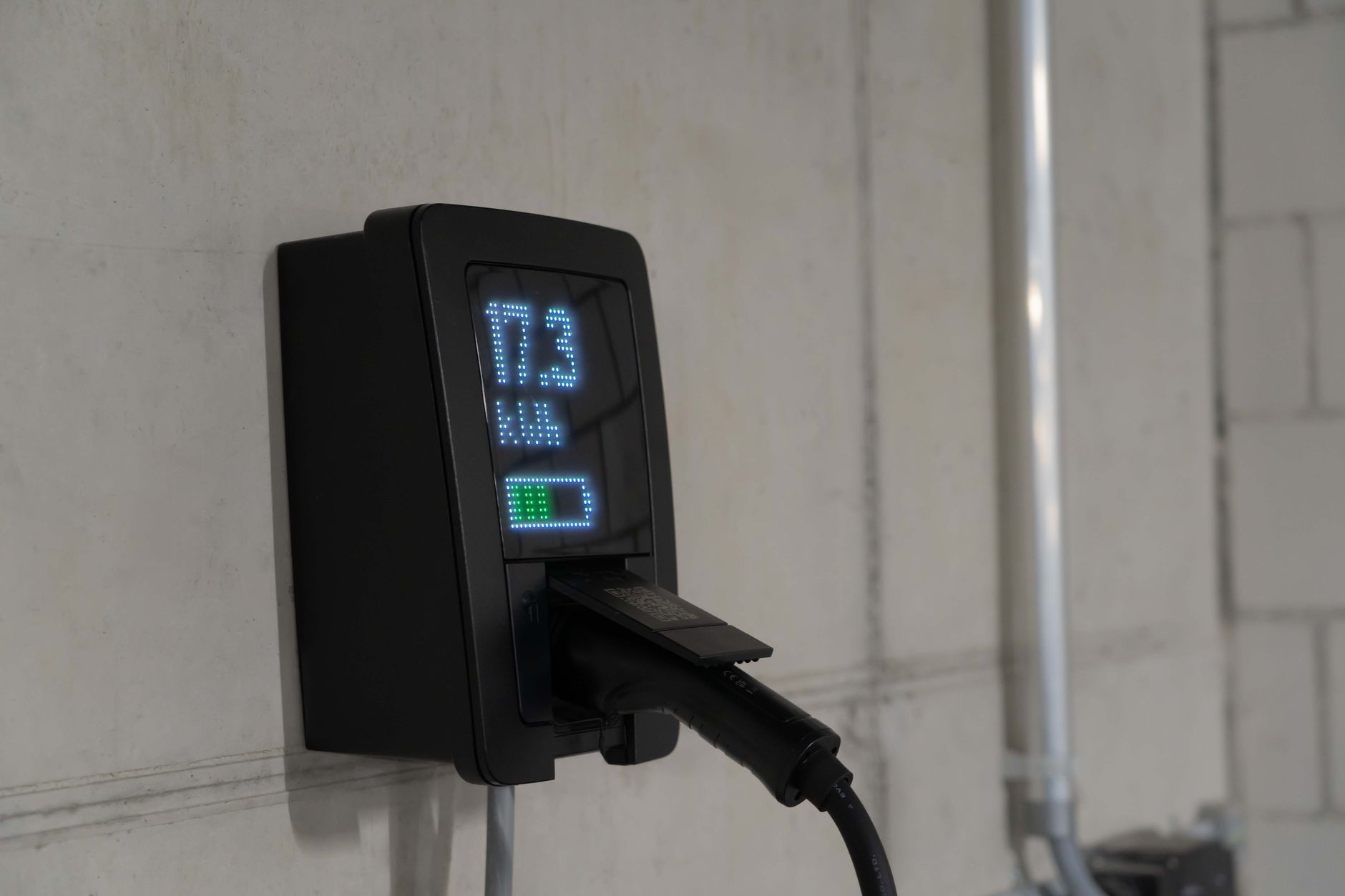
Lithium packs lose capacity faster when stored fully depleted or overheated. Follow the written storage state of charge band from your integrator or OEM booklet. Plug into maintenance power only where approved.
Opportunity charging habits from peak season do not apply in storage. Assign one facilities lead to monthly battery checks during closure.
If warranty language ties battery health to storage compliance, log checks. Misuse clauses can void coverage after a long idle stretch.
How much retraining do seasonal staff need?
School custodial teams turn over. Resort hires return each summer. Even returning staff forget lockout steps and dock placement rules.
Version standard operating procedures with the map revision number. Run a half-day refresh before opening week: fault codes, escort rules, chemical approvals, and ticket paths.
Robot pilot program graduates should not skip refresh because they passed last year. Layouts change over closure when furniture moves or walls go up.
Do warranties run while doors are locked?
Many factory warranties count calendar months from shipment or acceptance, not operating hours. A six-month ski lodge closure still advances the warranty clock unless the contract pauses it.
Extended service plans may exclude storage damage or require periodic exercise runs. Read travel and loaner terms before you assume spring dispatch is included.
Integrator service plans can bundle spring commissioning as a named task. That line item belongs in procurement, not as a verbal promise.
What ramp-up support should contracts include?
Book remote triage coverage for the two weeks before opening and the two weeks after. Ticket volume spikes when dust, salt, and new obstacles appear together.
On-site dispatch for map updates beats trying to train novices over video while guests queue. If remodels happened during closure, schedule mapping before acceptance sign off.
Spare pad kits and loaner policies should be active before opening night, not ordered after the first failure.
How do demand peaks stress robots?
Attractions and resorts see compressed cleaning windows between shows or checkouts. Schools see game nights and exam weeks. Robots must finish routes in fewer hours while foot traffic is chaotic.
Peak weeks are the wrong time to test new chemicals or widen zones. Procure with enough lead time to freeze routes before the rush.
Professional service robot demand continues to climb globally, with IFR reporting more than 205,000 professional units registered in 2023. Seasonal buyers are a growing slice of that market because labor spikes align with guest spikes.
What checklist belongs in the RFP?
Ask vendors to price storage guidance, spring commissioning, battery storage rules, and closure-month billing in one response. Compare apples to apples across OEM quotes.
Require a written ramp plan: dates, roles, map version, training hours, and escalation phone tree.
Define success metrics for opening week coverage, not annual averages.
- Lease billing through closure months yes or no.
- Battery storage procedure and inspection log.
- Map and software version at spring handoff.
- Training refresh hours included.
- On-site hours reserved for pre-opening.
- Loaner availability first fourteen operating days.
Where does Service Robot Co. fit seasonal procurement?
We structure vendor neutral leases and service plans around real operating calendars for resorts, campuses, and venues. Financing, deployment, training, and nationwide field support sit on one contract so closure and ramp tasks do not fall between vendors.
A free site assessment before you sign can flag storage space, charger placement, and spring staffing. The goal is opening week uptime, not a hero demo the month before closure.