Key takeaways
- Ceiling ice and failed vapor barriers in commercial freezers often show up as dripping panels long before a floor walk notices frost creep at rack tops.
- The FDA Food Code is a model jurisdictions adopt to reduce foodborne illness risk in retail and food service operations.
- Cold-rated batteries, lubricants, and gaskets matter more than extra megapixels when a camera spends minutes at subzero temperatures.
- Telescoping masts win in low headroom aisles where prop wash and condensation would blind an indoor drone.
- Inspection robot rental monthly lets one blast freezer aisle prove ROI before you standardize overhead routes across the whole cold chain campus.
Why inspect freezer ceilings instead of only the floor?
Commercial freezers hide problems above the pick face. Ice builds on ceiling panels, condensate tracks along joints, and failed vapor seals drip onto product or create slip hazards below. A human on a lift can see one bay at a time, but lifts are slow to schedule, expensive to stage in a running store, and awkward in narrow aisles between tall racks.
Robotic overhead inspection puts a stabilized camera, thermal sensor, or lidar on a drone, telescoping mast, or rail-guided platform. Repeatable passes compare panel conditions week to week instead of relying on whoever climbed the ladder last quarter.
The goal is documentation for maintenance and food safety teams, not a replacement for defrost SOPs or licensed refrigeration work.
How do drones, masts, and mobile platforms compare?
Indoor drones with prop guards suit wide aisles and high clearances in distribution freezers. They move fast across long spans but need geofencing around racks, conveyors, and door curtains. Battery life drops quickly in cold air, so plan short flights with warm swap batteries staged outside the freezer zone.
Telescoping mast cameras from the floor work well when headroom is tight or airflow from rotors would stir frost and dust onto product. Masts trade speed for stability: a sharp still at a ceiling joint beats a shaky clip from a rushed climb.
Rail or AMR-mounted masts follow a teach-and-repeat path down each aisle, stopping at the same overhead coordinates every run. They shine when you want identical framing for thermal comparison without flying skills on staff.
What ceiling defects should the route target?
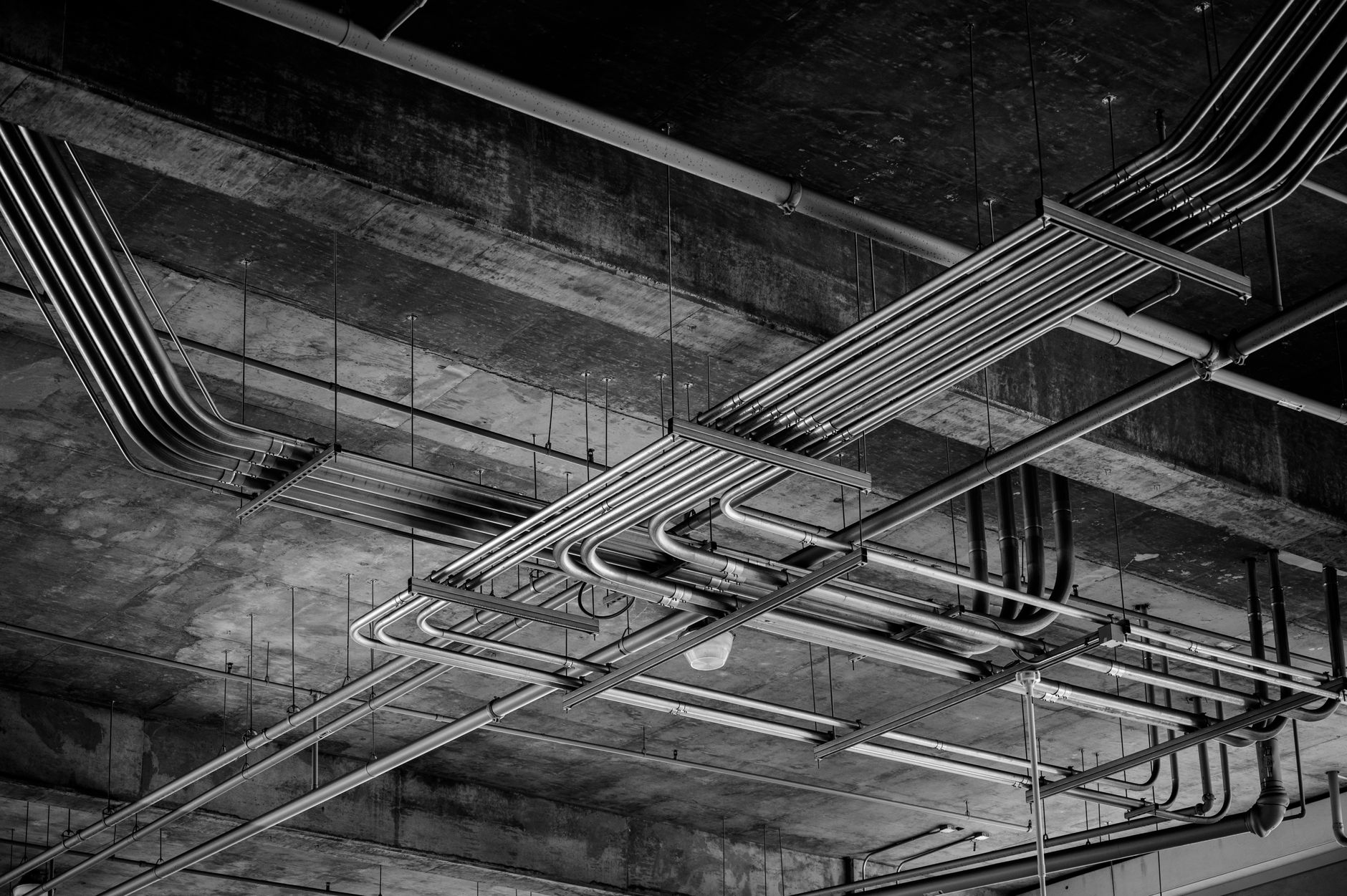
Ice caps on refrigeration units and panel seams hint at defrost failures or warm infiltration. Thermal passes should include unit discharge paths and suction lines where insulation breaks first.
Light fixtures and ceiling penetrations are common leak points. A visual stop at each penetration catches rust, dripping condensate, and hanging ice that can fall during the next thaw cycle.
Panel gap and clip failures show as frost lines or dark streaks on metal decks. Wide context shots plus tight joints help refrigeration contractors quote repairs without another exploratory lift rental.
- Panel seams and clip rows along the full aisle length
- Evaporator unit housings and defrost drain pans
- Light lenses and conduit penetrations
- Door frame headers where warm air intrudes at entries
What hardware survives commercial freezer temperatures?
Consumer drones and phones are not cold-room tools. Batteries lose capacity quickly below freezing, and lubricants stiffen on gimbals. Specify cold-rated packs, preflight warm protocols, and short duty cycles with recovery time in a warm staging room.
Condensation forms when gear moves from minus twenty Fahrenheit air into a humid dock. Bag cameras during transitions, wait for lens temperature to stabilize, and wipe only with approved materials so you do not scratch protective domes.
IP ratings on motors and enclosures matter near defrost spray and washdown events. Match the hardware to the cleaning chemicals your sanitation team already approves.
How do airflow and defrost cycles affect the inspection window?
Running fans during inspection can blur images and scatter frost. Many sites schedule passes during planned defrost or brief fan stops approved by refrigeration engineering.
Air curtains and fast doors create turbulent zones at entries. Capture those zones right after a door cycle when ice formation patterns are most visible.
Document whether the aisle was at full cold, in defrost, or under partial load. Comparison photos lie if one run happened during a warm product push and another during an empty aisle.

Where does food safety fit the overhead program?
According to FDA, the Food Code is a model for safeguarding public health in retail and food service, and widespread adoption is intended to reduce foodborne illness risk in food establishments. Ceiling drips and ice falls can contaminate exposed product or packaging below, which is why overhead evidence belongs in the same conversation as walk-in sanitation logs.
Pair robotic images with your hazard analysis notes. A drip point above open totes is a different escalation than frost on an empty ceiling panel over sealed pallets.
Third-party auditors increasingly ask for trend data, not a single all-clear photo. Store runs with date, aisle, temperature state, and reviewer sign-off.
When do you need a partial shutdown?
Full freezer shutdowns are costly. Many programs inspect during scheduled maintenance windows or when a aisle is emptied for inventory. Partial shutdown of one evaporator zone may be enough if refrigeration approves fan stops for short intervals.
Never fly a drone or extend a mast over active pickers without facilities sign-off. Falls of ice or tools are serious strike hazards.
If gas-based refrigeration is in use, follow your confined space and refrigerant safety rules before any human follows a robot path on a lift for hands-on repair.
When does inspection robot rental beat capital purchase?
Grocers and cold storage operators often have one problematic freezer build and several standard ones. Month to month inspection robot lease terms with maintenance included let you prove image value on the worst aisle before you buy drones, rails, and spare batteries for every building.
Seasonal humidity swings and product mix changes alter ice patterns. Rental keeps you flexible when a pilot platform needs to change from drone to mast mid-project.
Vendor neutral integrators match sensor mix to ceiling height, aisle width, and sanitation chemicals without locking you to one OEM software stack.
Where does Service Robot Co. fit on freezer ceiling programs?
Service Robot Co. selects overhead inspection hardware across manufacturers, maps cold-room routes, trains staff on warm staging and battery protocols, and backs fleets with remote triage and on-site dispatch through a nationwide network of regional service engineers.
A free site assessment should walk the freezer during normal operation and again during a maintenance window. Note aisle width, door locations, and where ice appears first. Phased deployment lets you hold pick operations steady while refrigeration tunes defrost against the image history from one aisle.