Key takeaways
- Submerged robots document tank floors without draining when water quality rules allow.
- Tethered cameras suit hatch-only access but need careful material and cable hygiene.
- Drained inspections still matter when sediment removal or hands-on repair is planned.
- Deliverables should be tagged, dated, and reviewed by a qualified tank specialist.
Why are commercial water tanks hard to inspect on schedule?
Potable storage tanks hide most of their risk below the water line. Sediment, coating holidays, and inlet hardware faults do not show up on a walk around the roof until taste, pressure, or compliance paperwork forces a look inside.
Draining a large tank for a human entry costs water, downtime, and confined-space planning. Many owners delay that cycle until problems are obvious, which is exactly when inspection robot rental starts to look rational.
The practical question is not whether you can buy a camera. It is which method documents the floor and walls on your schedule without breaking potable rules or your operations calendar.
Hotel campuses, food plants, and healthcare towers all share the same tension. Production cannot pause every time a regulator or insurer asks for interior evidence.
How do submerged robots differ from tethered cameras?
Submerged robots swim or crawl the floor with onboard lighting and stabilization. They excel when the tank stays in service or when only a partial level change is allowed.
Tethered drop cameras cost less to mobilize and fit tight budgets on single tanks. They depend on an operator managing cable cleanliness, snag points at ladders, and consistent descent speed.
Both approaches need housings rated for potable contact and disinfection procedures your water operator already approves. Never assume a industrial-only coating on a robot shell is acceptable in a drinking water reservoir.
Power and data tethers need strain relief at the hatch so operators do not scrape coatings on sharp ladder edges. A short deck rig with clean sheaves keeps descent smooth.
Some sites run two methods in one outage: a tethered pass for roof hardware, then a submerged pass for floor sediment mapping.
- Submerged robot: full floor coverage, higher mobilization
- Tethered camera: hatch-centric, operator skill heavy
- Drained entry: direct repair access, highest downtime
What water-quality and regulatory context should owners respect?
Public water systems operate under state rules that implement the federal Safe Drinking Water Act framework. Even private commercial tanks that feed campuses, plants, or hospitality sites often mirror those hygiene expectations in their own operating plans.
Document any robot, tether, or tool that enters potable water. Keep material certificates, disinfection logs, and chain-of-custody for photos your engineer or operator will file.
If the tank also serves fire protection, coordinate inspection timing with authority having jurisdiction so a survey does not conflict with required storage volumes.
Private tanks still benefit from the same hygiene discipline as public systems when the water feeds kitchens, bottling lines, or patient care areas.
What should imaging capture on each pass?
Wide context shots of shell walls, ladders, and roof hardware anchor each close-up. Sediment mounds, inlet turbulence zones, and outlet proximity are priority areas on the floor.
Coating condition matters at the waterline and on submerged surfaces. Capture blistering, rust bleed, and debris that could harbor biofilm.
Tag every file with tank ID, water level, temperature notes, and whether the system was isolated or online. Comparison visits fail when metadata is thin.
Ultrasonic thickness readings may still be required on steel shells even when video looks acceptable. Schedule physical gauges on ribs and low spots the robot flags.
Mixers and baffles create blind zones. Program extra orbits downstream of mechanical turbulence where debris settles first.
How do access hatches and confined space rules shape the job?
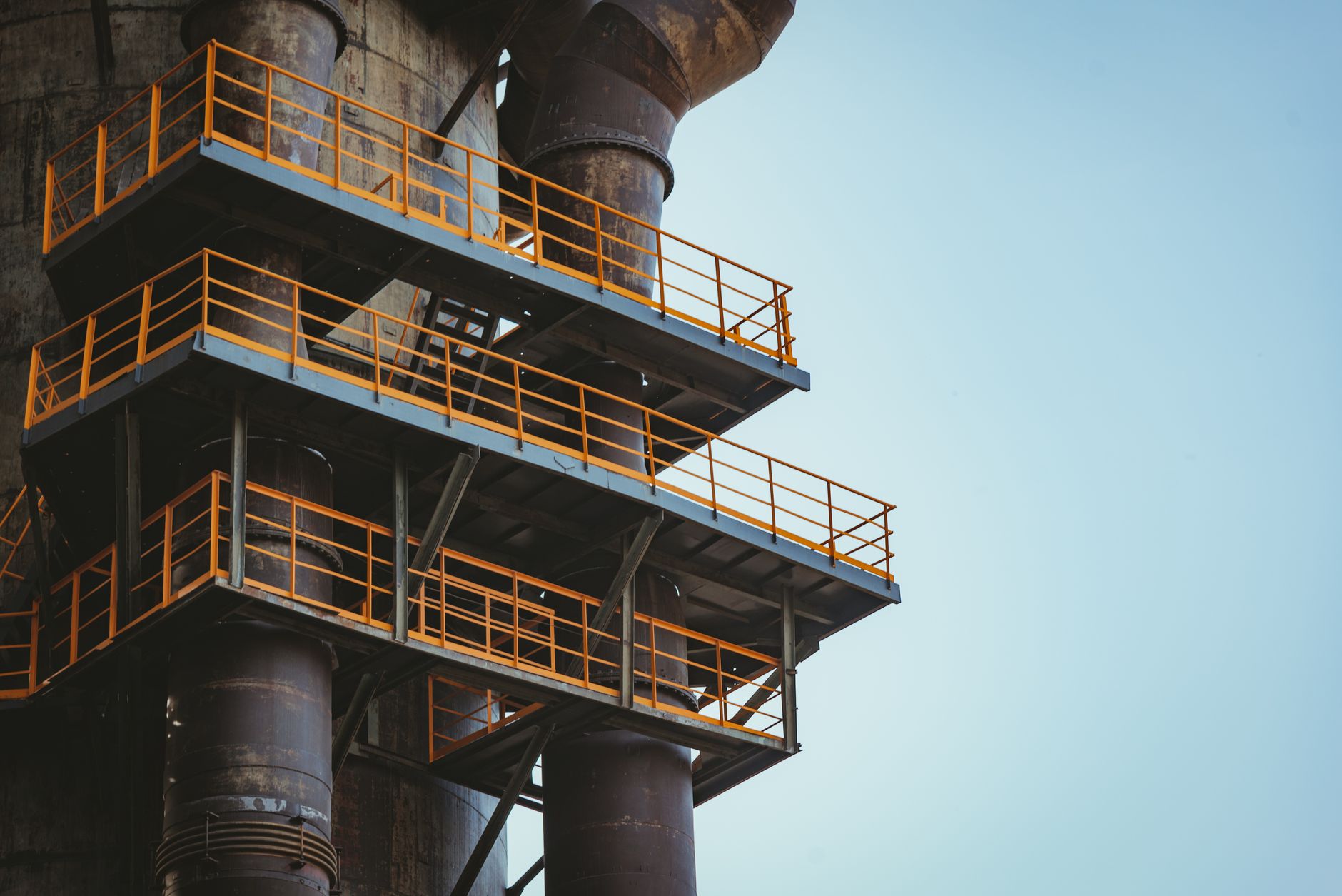
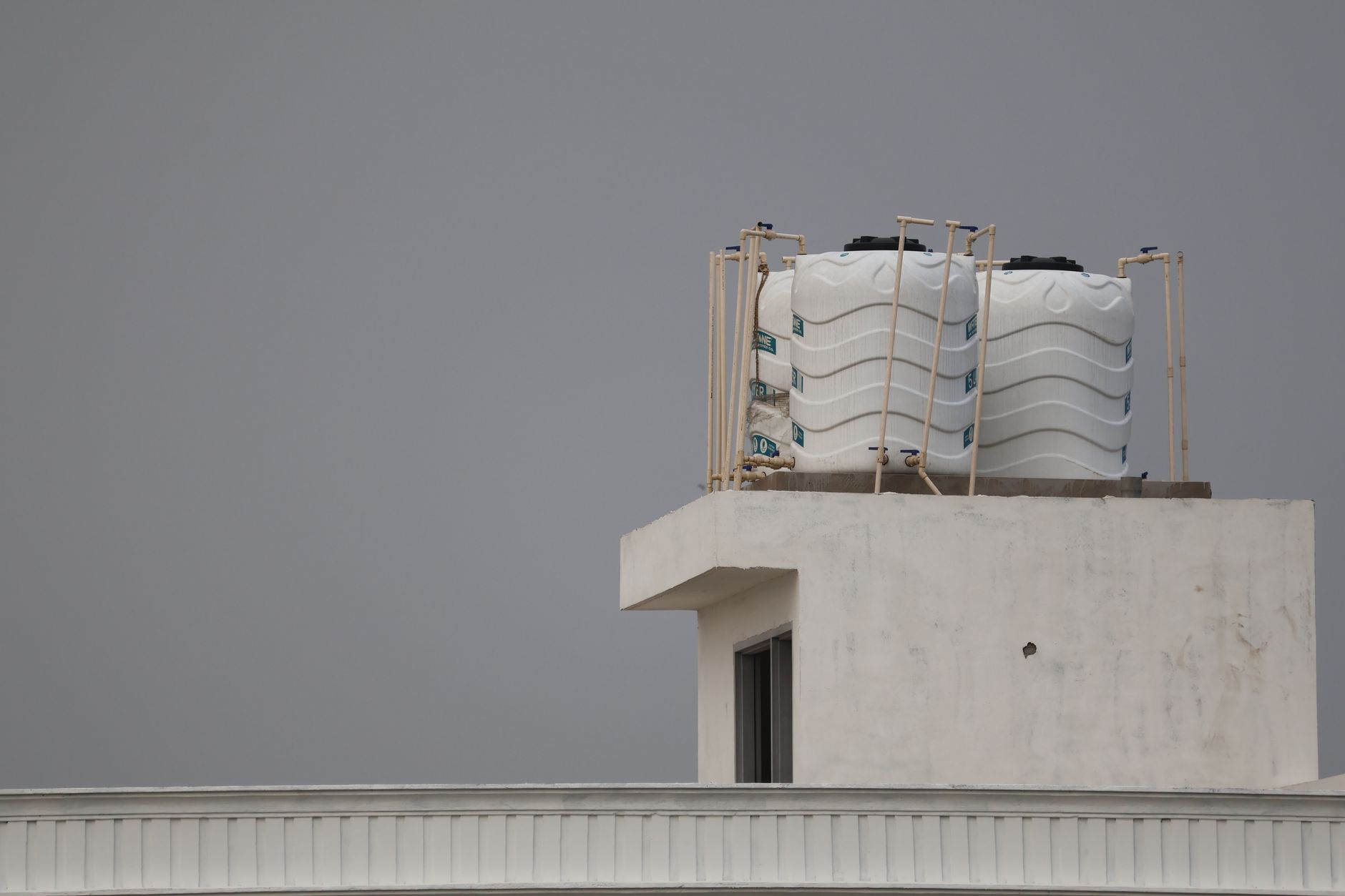
Roof hatches, side manways, and dry risers each change how gear enters. Measure clearances before mobilization day so a robot skid does not stall on a narrow ladder platform.
Even when robots reduce human entries, attendants and rescue plans may still be required by your safety program. Treat the roof like any other confined-space-adjacent work zone.
Weather matters on exposed tanks. Wind, ice, and heat change both crew safety and how quickly you can disinfect gear between drops.
Lock out roof access during drops so unrelated maintenance does not open a hatch above a live tether.
For ground-level tanks, plan traffic control around manway lids and vent stacks the same way you would for valve maintenance in a busy yard.
What deliverables should engineers and operators expect?
Raw video plus selected stills beat a single highlight reel. Specialists want searchable files by elevation and compass heading when available.
Sediment depth estimates from robots are directional unless calibrated with physical sampling. State that limit plainly in the report package.
Pair robotic findings with maintenance tickets: coating repair, mixer service, or washout scheduling. Images without a next step rarely change outcomes.
Version control matters when multiple vendors touch the same tank. Use a single folder naming scheme so 2025 and 2026 passes align in review software.
If your insurer asks for documentation, export stills with timestamps burned in only when your legal team approves that format.
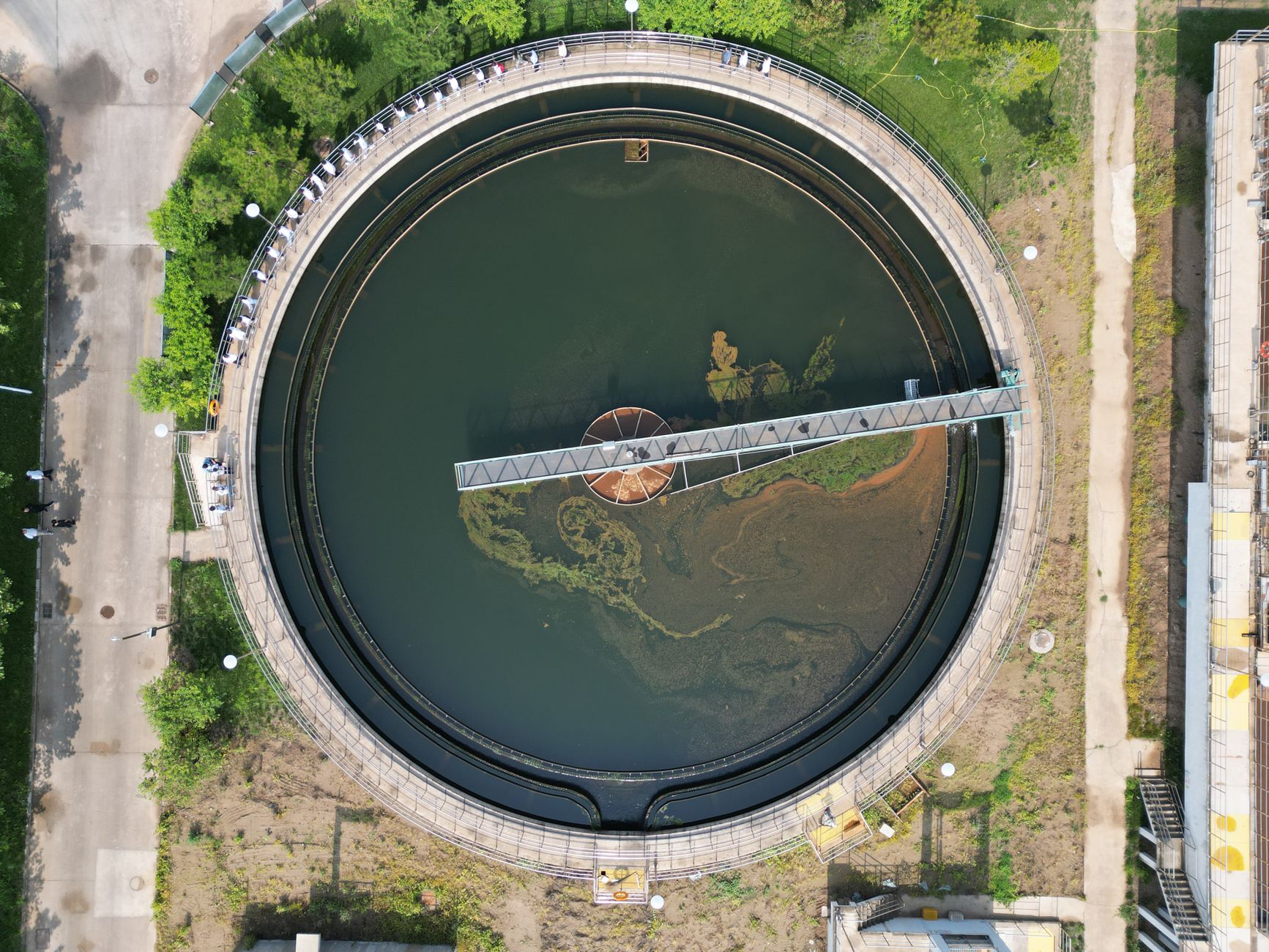
When does inspection robot rental beat buying dedicated tank gear?
Campuses with one elevated tank and several ground storage spheres often rent for annual campaigns instead of owning multiple housings and disinfect kits.
Month to month robot lease terms with maintenance included let you match method to tank geometry, switching from tether to submerged if the first pass misses floor coverage.
Vendor neutral integrators align payloads with hatch size, water chemistry, and your operator disinfection SOP without locking you to one OEM software stack.
Seasonal turnover at schools and resorts often drives inspection windows when occupancy drops. Align robotic passes with those low-demand weeks to avoid fighting peak water draw.
Insurance renewals and capital planning meetings consume the same imagery engineers use, which makes a rental pilot useful even before you standardize across a portfolio.
Where does Service Robot Co. fit on potable tank programs?
Service Robot Co. selects inspection hardware across manufacturers, plans access and disinfection with your water operator, trains staff on tether hygiene and battery swaps, and backs fleets with remote triage and on-site dispatch through a nationwide network of regional service engineers.
A free site assessment should confirm hatch geometry, power on the roof, isolation options, and deliverable format with your consulting engineer before the first entry.
Phased deployment can start on the worst sediment tank while production storage stays online on parallel units.