Key takeaways
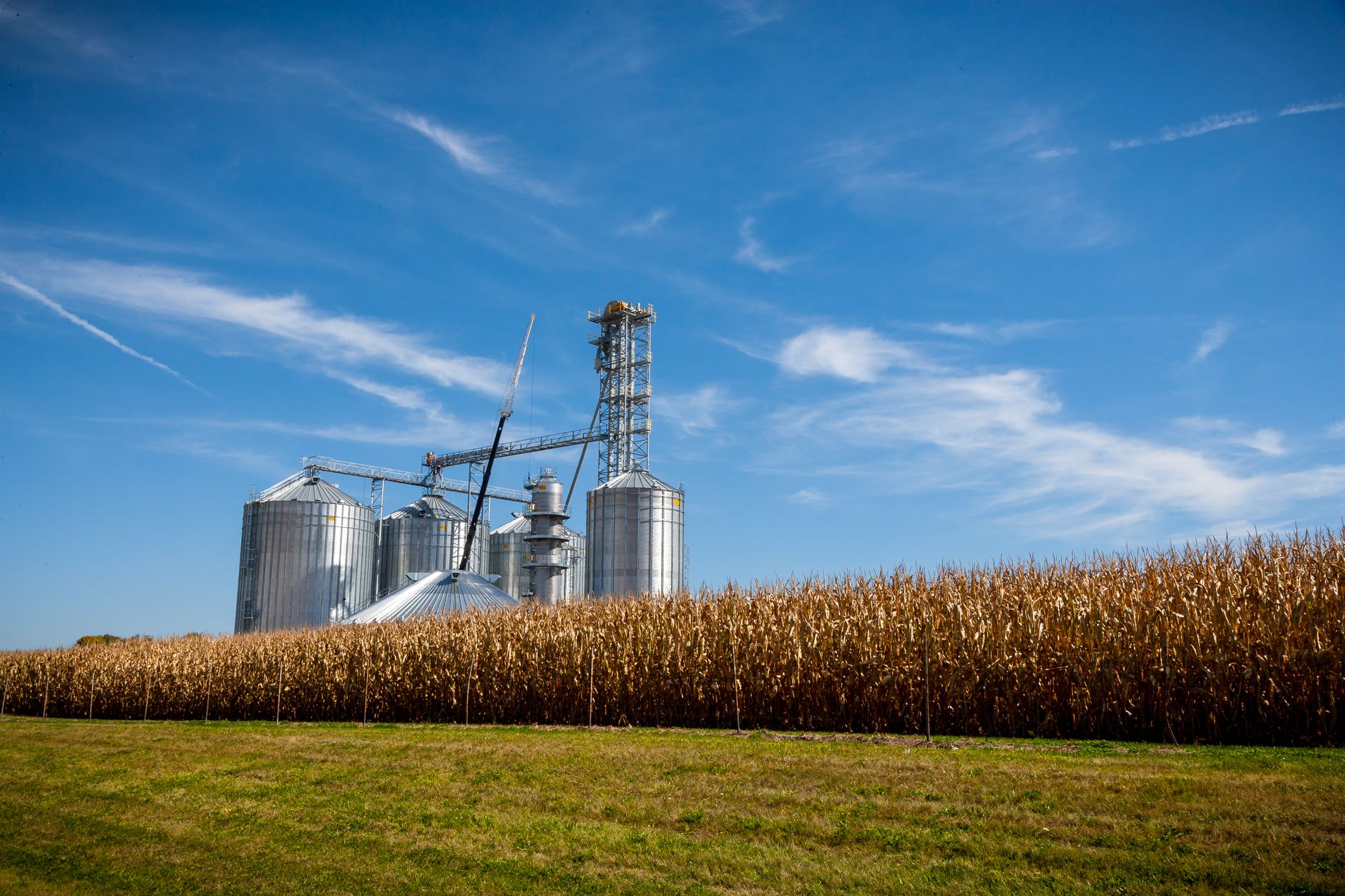
- OSHA treats grain dust as the main fuel for elevator explosions and limits priority housekeeping accumulations to one eighth of an inch in defined zones.
- Long enclosed galleries need repeatable camera and thermal stops at idlers, skirts, and head pulleys without sending a human down a catwalk during live belt motion.
- Combustible dust programs still require written housekeeping, ignition control, and lockout before anyone enters a gallery for hands-on work.
- Wireless links and hazardous-location ratings must match the dust class your electrician already documents for motors and switches in the same tunnel.
- Inspection robot rental monthly lets one difficult gallery prove ROI before you standardize routes across every leg and transfer house on the site.
Why put robots in grain conveyor galleries at all?
Grain conveyor galleries are long, dusty, and awkward to walk. Belt runs stretch between bins, dryers, and loadout legs while idlers chatter under a roof that traps heat. Operators need eyes on belt alignment, skirt seals, bearing grease, and dust layering on ledges without climbing past open pinch points every shift.
A mobile inspection robot or rail-mounted crawler carries stabilized video, thermal sensors, and sometimes acoustic pickups on a fixed route. Each pass produces comparable stills at tagged stops so week four compares to week one. The robot does not replace your lockout program or a licensed millwright. It cuts how often someone walks a live gallery for visual checks alone.
According to OSHA, grain dust is the main source of fuel for explosions in grain handling, and dust accumulations in priority housekeeping areas shall not exceed one eighth of an inch. Robotic surveys help you document ledges and floor zones near bucket elevators before that fuel layer grows unnoticed.
How does combustible dust change the inspection plan?
Dust is not a background nuisance in these buildings. It is an explosion hazard when airborne or piled on surfaces near ignition sources. OSHA requires a written housekeeping program that targets ledges, floors, equipment, and other exposed surfaces, with priority areas including floor zones within 35 feet of inside bucket elevators.
Robotic rounds should photograph those priority zones on a fixed schedule, not only after a shutdown. Store images with date, gallery ID, and stop name so insurance and state grain programs see trend data, not a single all-clear note.
Never run a robot through a gallery during hot work. Welding, cutting, and brazing near a dusty belt remain ignition events your program must control separately.
- Head pulley and snubber stops with thermal on bearings and shafts
- Skirt boards and load points where spillage builds on the walkway
- Floor ledges within the OSHA priority housekeeping radius of legs
- Dust collector ducts and reclaim points where fines accumulate
What belt hazards should the route capture?
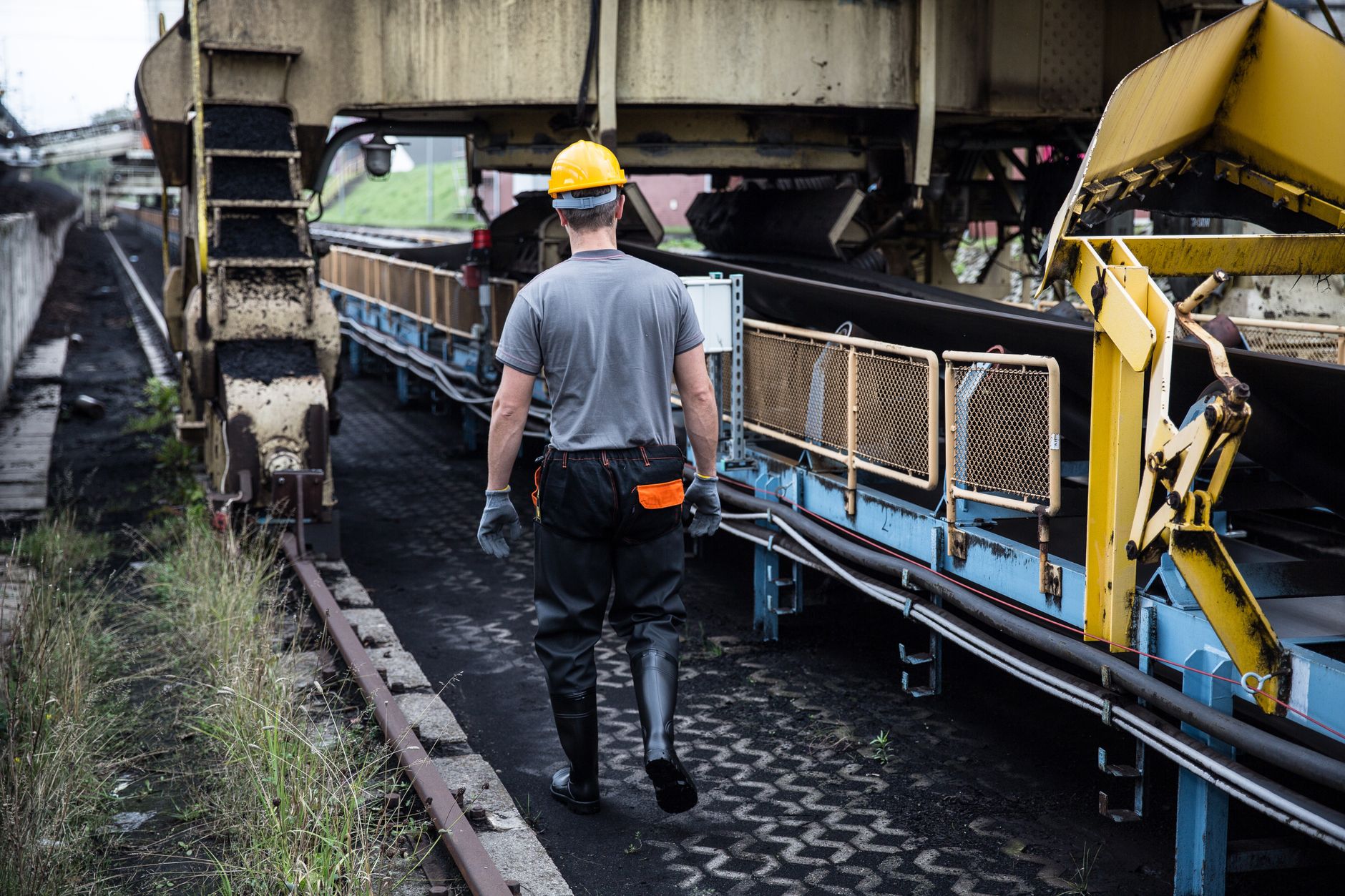
Misalignment shows up as edge wear, frayed splices, and spillage at transfer points. A fixed camera angle at each idler station catches cupping and missing rollers better than a handheld phone clip from a different spot each week.
Pinch points and nip hazards mean the robot path must stay on marked walkways with guards in place. Teach routes during planned downtime so the first live pass does not surprise a boot on a moving return belt.
Bridged product in bins above a gallery is a separate engulfment risk OSHA addresses for bin entry. Gallery inspection does not clear someone to enter storage without the full permit, observer, and lockout steps OSHA lists for bin work.
How do bearing heat and vibration fit the payload?
Bearings on head pulleys, tail pulleys, and mid-span idlers fail slowly, then seize. Thermal sensors work on bare housings and exposed shafts when you repeat the same standoff distance each run.
Acoustic modules help when background noise is steady. A new squeal on an idler row stands out against the belt rumble if the robot stops in the same place every time.
Pair thermal spikes with maintenance tickets. A bearing that jumps above its own trailing average matters more than a generic threshold copied from a cooler building.
What communications work in long enclosed galleries?
Steel galleries act like partial Faraday cages. Test Wi-Fi, private LTE, or a fiber drop at the midpoint before you promise live streaming to the control room.
Edge recording with sync on exit beats a frozen feed mid-gallery. Store clips locally on the robot if the link drops, then upload when the unit returns to a dock outside the dust zone.
Integrate alerts with your existing maintenance system so a hot idler on Leg C creates a draft work order with attachments. Remote triage from your integrator can confirm whether the spike matches a known product change before someone drives in at night.
Which hazardous-location rules apply to the robot?
Motors, switches, and portable tools in grain elevators already follow electrical classifications your electrician maintains. Any robot battery, charger, and sensor package must match that plan or stay outside classified zones with a tethered camera head only.
Do not assume a consumer drone or an unclassified tablet belongs in a gallery because the belt is slow. Dust clouds during startup can push concentrations into hazardous ranges quickly.
Document the classification on the inspection record beside calibration dates for thermal devices. Surveyors ask how you kept ignition sources out of dusty air, not only whether the belt looked straight.
How do transfer houses differ from straight gallery runs?
Transfer houses concentrate spillage, dust, and belt transitions. Stop density should be higher at every bend, cleaner, and magnetic separator.
Enclosed towers around bucket legs need separate shot lists for belt tracking, leg boot moisture, and motor heat. A single fast pass down a straight gallery will miss the vertical leg that actually started the smolder.
Reset baselines after any splice change or speed adjustment. Comparison photos lie if the belt tension changed between runs.
When does inspection robot rental beat buying a fleet?
Many elevators have one nightmare gallery and several short runs. Month to month inspection robot lease terms with maintenance included let you prove data value on the hard leg before you buy rails, spares, and docks for every structure.
Harvest weeks are the wrong time to debug navigation. Pilot in the shoulder season, tune stops with your mill staff, then increase cadence when throughput pressure returns.
Vendor neutral selection matters because dust, length, and hazardous-location ratings differ site to site. An integrator pairs the base and sensor mix your safety team will sign, then finances and services it under one contract.
Where does Service Robot Co. fit on grain gallery programs?
Service Robot Co. selects inspection hardware across manufacturers, maps repeatable gallery routes, trains maintenance on stop lists and escalation, and backs fleets with remote triage and on-site dispatch through a nationwide network of regional service engineers.
A free site assessment should walk the gallery during product flow and again during a quiet window. Note catwalk width, lighting glare, and where dust layers first. Phased deployment lets you hold loadout during a pilot on one leg while mechanics learn thresholds before you add transfer houses to the same program.