Key takeaways
- Federal UST rules pair automatic line leak detection with annual tightness tests or monthly monitoring on many pressurized lines.
- Explosion rated crawlers keep inspectors outside vapor zones while still imaging joints, sumps, and accessible pipe runs.
- Purging, isolation, and liquid tight sump tests are prerequisites, not shortcuts around a written confined space plan.
- Retrieval drills and tether management matter as much as camera resolution on long fuel piping corridors.
- Inspection robot rental fits seasonal tank work better than owning specialty ATEX payloads for one yard.
Why is buried fuel piping hard to inspect without robotics?
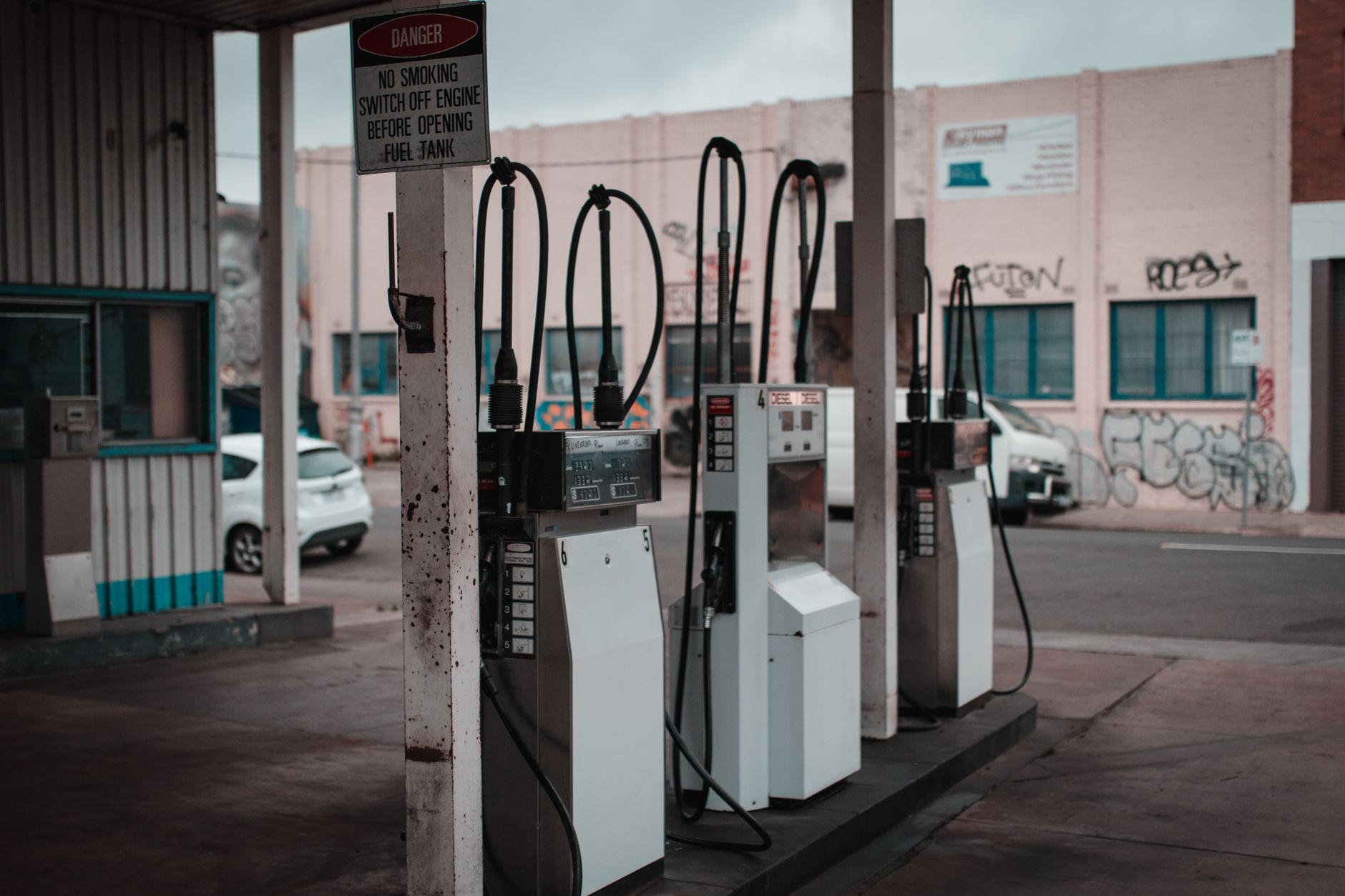
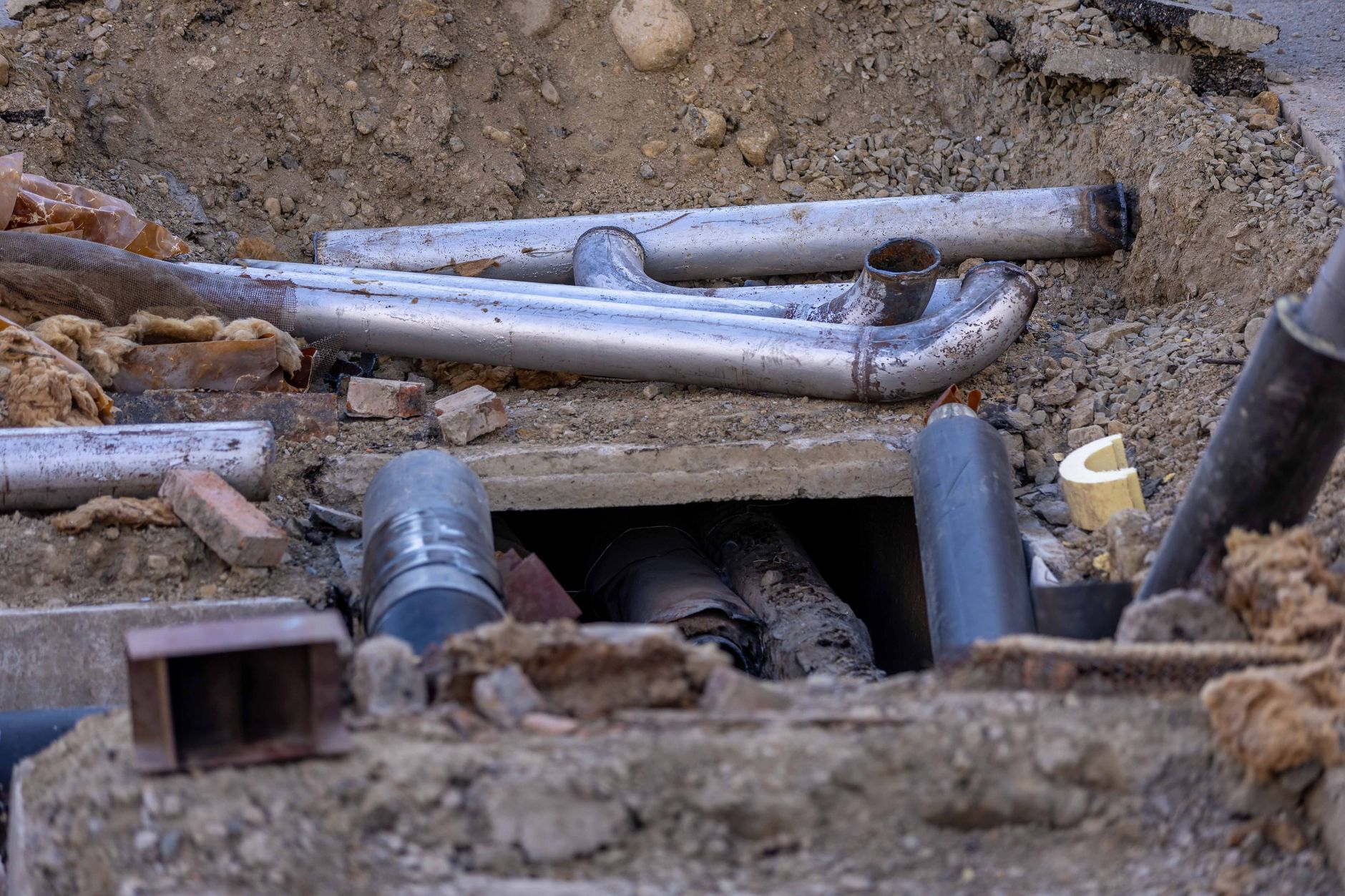
Underground fuel piping hides corrosion, joint weep, and settlement stress where you cannot see it from the dispenser island. A slow seep at a flex connector or a compromised interstitial space may not trip inventory alarms for weeks. Manual entry into sumps and vaults exposes technicians to vapor, oxygen displacement, and slip hazards on coated steel.
Robots for inspecting underground fuel piping put eyes on the interior of accessible runs while people stay in controlled breathing zones. A tethered crawler carries lighting and video through straight segments. A push camera still wins on short laterals when you can anchor from a valve pit. The goal is repeatable imagery tied to station drawings, not a one time flashlight tour before a regulator visit.
Facilities that defer imaging until a line tightness test fails often pay twice for emergency isolation and cleanup. Structured robotic passes during planned maintenance windows catch gasket creep and debris blockages before they become reportable releases.
What do federal UST rules require for pipe release detection?
EPA underground storage tank rules in 40 CFR part 280 require release detection on tanks and piping that routinely hold regulated substances. Pressurized piping installed on or before April 11, 2016 must use an automatic line leak detector that shuts off flow, restricts flow, or alarms, and must also run an annual line tightness test or monthly monitoring such as interstitial, vapor, or groundwater methods, according to EPA release detection guidance.
EPA standard test procedures for pipeline release detection describe performance targets operators expect from those tests, including detection of a 3 gallon per hour leak at 10 pounds per square inch for catastrophic line leak devices on pressurized piping. Annual tightness tests must detect leaks as small as 0.10 gallon per hour at 150 percent of operating pressure with stated probability of detection and false alarm limits in the same EPA document.
Piping installed or replaced after April 11, 2016 generally needs secondary containment with interstitial monitoring on pressurized lines, plus automatic line leak detection. Walkthrough inspections every 30 days cover spill prevention and release detection equipment, with additional sump and hand held device checks on an annual cycle under EPA 2015 operating and maintenance requirements.
How do pipe crawlers differ from push cameras on fuel lines?
Push cameras excel when a technician can feed a short rigid or semi rigid probe from a valve pit into a known straight segment. They are light to mobilize for convenience store laterals and short product legs where crawler traction is unnecessary.
Motorized crawlers add traction wheels or magnetic drives for longer runs, pulling a reinforced tether that carries power, video, and sometimes sonde signals for surface locate. They help when distance, offset, or debris would stall a manual push. Crawlers also stabilize camera aim for pan and tilt passes at girth welds and repair sleeves.
Neither tool replaces interstitial monitoring on double walled pipe. Robotics answers visual questions inside the primary pipe when access points exist and the line is safe to enter under your hot work and vapor control plan.
- Push systems: fast setup, best on short, straight, accessible segments.
- Crawlers: traction for longer runs and steadier repeat passes at joints.
- Interstitial sensors: required monitoring path on many newer piping installs.
What hazardous area ratings matter in vapor zones?
Fuel vapors near sumps, dispenser pans, and vent paths can create ignitable atmospheres during warm weather or after deliveries. Equipment used inside those spaces must match the classification your electrician documented, often treated like Class I, Division 1 or Zone 1 style environments for motorized tools.
Explosion protected crawlers use sealed enclosures, intrinsically safe circuits, or pressurized camera heads so sparks and hot surfaces cannot ignite mixed vapors. A consumer drone or shop camera without certification is not a substitute in a classified sump.
Match battery charging, tether reels, and control boxes to the same rating as the robot head. Document firmware versions and inspection dates for the authority having jurisdiction file.
When is purging and isolation mandatory before entry?
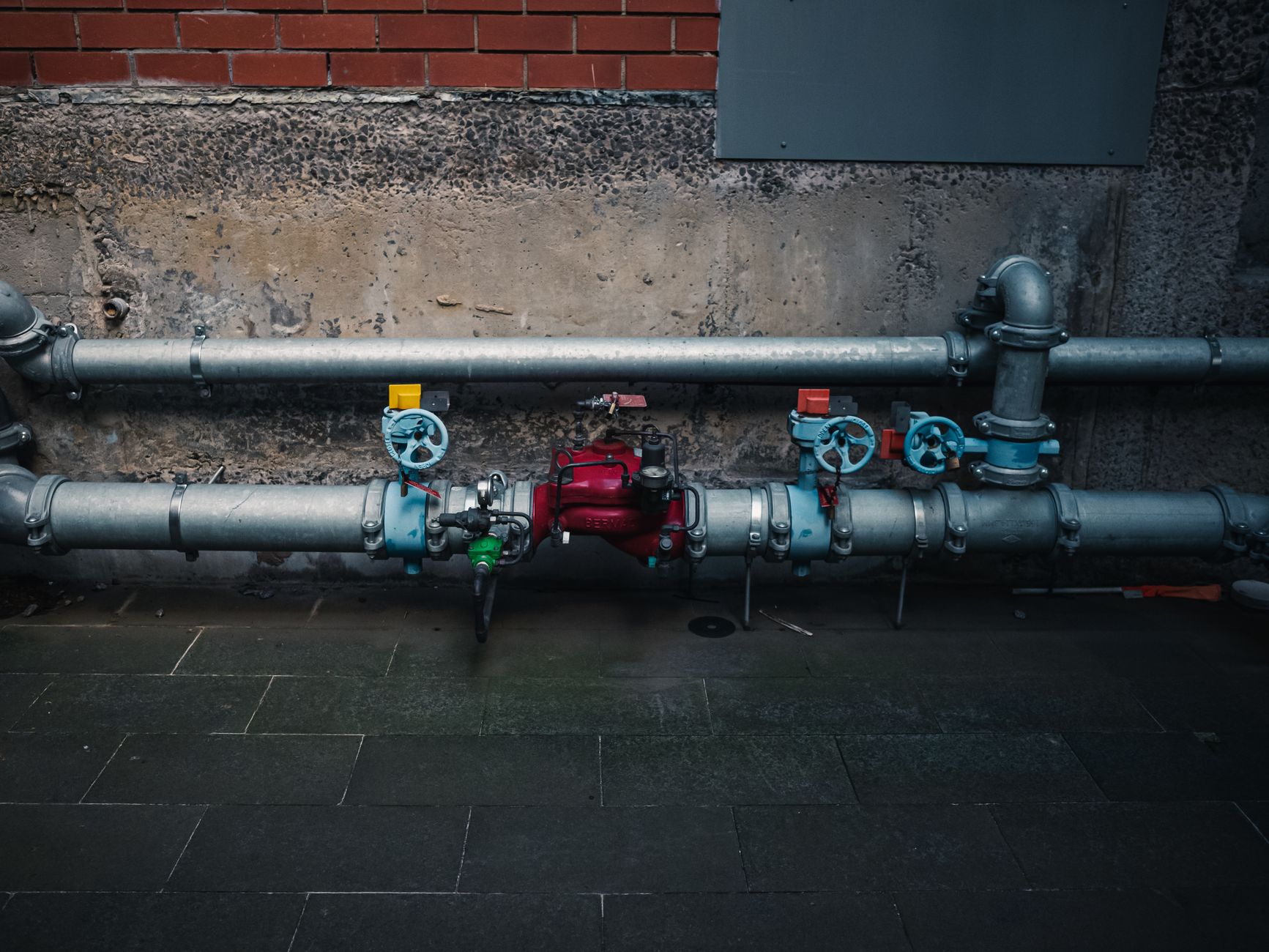
Before any interior pass, isolate the segment from active product flow, lock out pumps, and verify zero pressure on the work section. Purge with inert gas or approved procedures when your standard operating procedure calls for vapor displacement before opening a line or inserting tools.
Containment sumps used for interstitial monitoring must stay liquid tight. EPA operating guidance expects testing of spill prevention equipment and certain sumps at least every three years when double wall monitoring is not continuous, using vacuum, pressure, or liquid methods.
Never bypass odor or LEL checks to save time. Robotics reduces how often people enter the worst zones, but the same isolation sequence applies to the robot as to a human inspector.
How should retrieval and tethering work on long runs?
Plan anchor points for cable reels so tether drag does not stall the crawler at a 90 degree bend. Mark distance every fifty feet in software so defects map to as built drawings. Rehearse retrieval if traction fails: reverse drive, winch assist, or sectional disassembly at access pits.
Keep spare traction pads, skid plates, and cleaning tools on site. Fuel residues and sand bars reduce grip in low spots. Rinse protocols should follow your waste handling permit, not the street drain.
Store raw video and stills with date, operator, line segment ID, and purge log reference. Regulators and insurers ask for the chain of custody when a prior pass is compared to a new stain at the same joint.
What role do certified technicians still play?
Robotics does not remove the need for a qualified person to interpret corrosion, approve entry, and sign line tightness or repair records. Automatic line leak detectors and interstitial alarms still need annual functional tests by trained staff per EPA maintenance expectations.
Welded repairs, cathodic protection checks, and hydrostatic retests stay with licensed contractors. The robot delivers visual evidence that tells them where to excavate or which spool to cut out.
Train night staff to recognize when a crawler fault is vapor related versus mechanical. Escalate to the certified vendor before forcing a stuck unit in a classified space.
When does inspection robot rental fit fuel terminals?
Bulk plants and high volume retail groups may inspect only a fraction of buried lines each quarter. Inspection robot rental or a monthly program swaps crawler diameter, camera head, and explosion rated control cases between a truck stop and a municipal fleet yard without capitalizing idle gear.
Service Robot Co. selects inspection hardware across manufacturers, aligns routes with your environmental and safety leads, and trains staff on isolation, purge logs, and retrieval drills. We finance buy or rent paths, document deliverables for auditors, and support fleets with remote triage plus on site dispatch through a nationwide network of regional service engineers.
Start with a free site assessment on one accessible segment during a planned outage. Compare stills to the last tightness test report, then expand only where imagery shortens the next maintenance cycle.