Key takeaways
- OSHA expects fall protection at six feet or more in construction work, which makes roof-level truss walks a last resort.
- OSHA roofing guidance cites roughly 1,200 fall deaths from roofs out of 3,500 construction fall fatalities from 2003 through 2013.
- Indoor drones suit open bay height but need geofencing when racking and conveyors stay live below.
- Pole and mast systems give stable stills at connections without putting a person on the top chord.
- Stamped engineer review still owns load ratings; robots only deliver dated imagery and measurements.
Why inspect warehouse trusses without walking the top chord?
Warehouse roof trusses carry sprinkler mains, conduit, and sometimes partial mezzanines. Connections corrode, clips loosen, and bird debris collects where no one looks between annual roof walks. OSHA treats work at six feet or more above a lower level as fall protection territory, which makes sending a technician along a wet top chord a planning exercise, not a casual ladder climb.
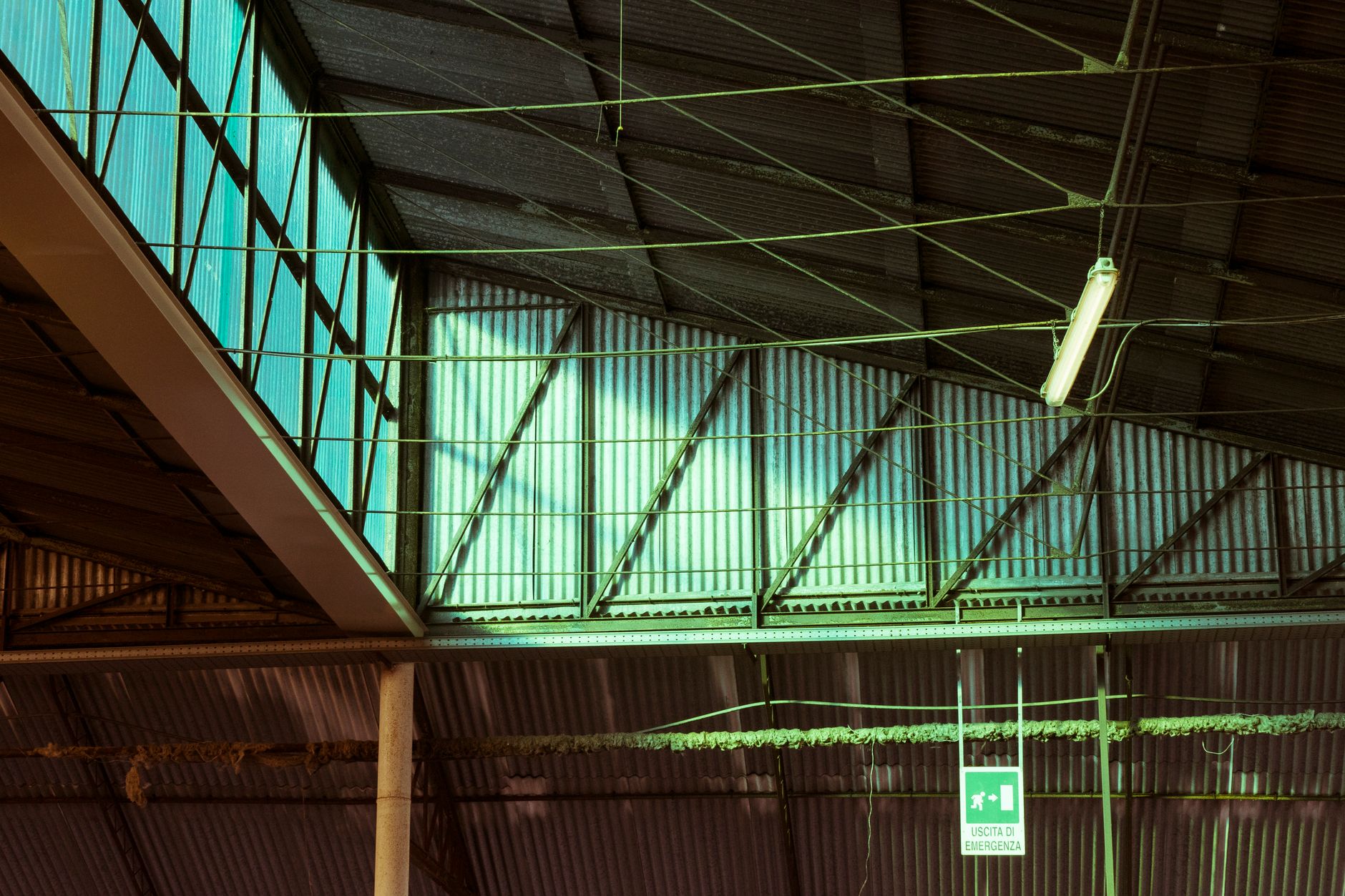
Robotic inspection approaches move the camera, not the human, across chords and gussets. They document what a structural engineer needs to compare year over year: bolt patterns, web buckling, moisture staining on the deck above, and missing restraining straps.
The payoff is fewer confined high walks and a repeatable media set when insurance or a buyer asks what changed since the last lease renewal.
How do indoor drones fit wide clear-span bays?
An indoor drone with prop guards can hover at tie-panel height and capture oblique views of heel connections that a floor photo never reaches. Dust and dim lighting are the real enemies. High-bay LEDs may be uneven, so plan supplemental wash light on the flight path, not only at the dock door.
Flight containment matters when conveyors still run on a partial shutdown. Geofence the cage, brief forklift drivers, and log who has authority to pause the line if the aircraft drifts toward rack pick faces.
Battery swaps and pilot skill cap how much truss line you cover per shift. Drones win on speed across open volume, not on tight catwalks under six feet of structure.
When do pole or telescoping mast systems win?
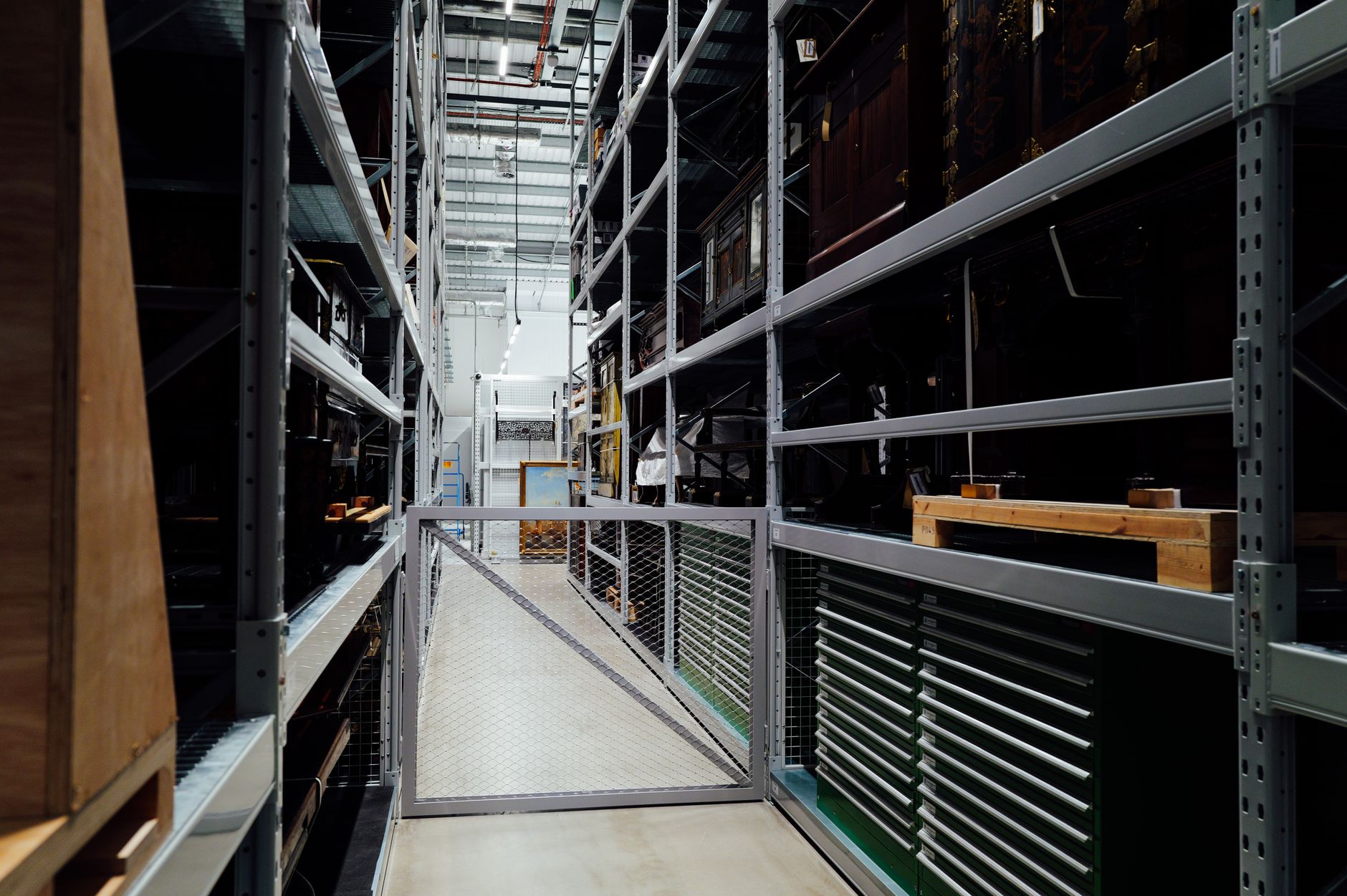
A stabilized pole camera from the floor or a mezzanine edge can hold on a gusset plate long enough for a sharp still without FAA-style flight rules. Masts shine when sprinklers, HVAC ducts, or low-hanging lights shrink the airspace a drone needs.
Inspection robot rental monthly on a mast platform lets you test one bay before you buy a dedicated lift for every site in a portfolio. Maintenance included matters when a telescoping joint sticks mid-inspection.
Pair pole work with a measured grid on the deck so each photo tags a bay number. Engineers reject pretty pictures that lack location context.
What about climbing platforms and aerial lifts?
Scissor lifts and boom lifts still belong in the toolkit when you must touch a connection or remove debris before photos. They are not robots, but they set the safety baseline: trained operator, inspected harness where required, and outriggers on level slab.
Climbing robots on truss chords remain niche. Weight, wheel load on thin members, and lateral bracing limits mean most warehouses stay with flight or pole tools unless an engineer signs a specific path.
Any method that puts a person near the top chord still triggers fall planning. Robots reduce how often you need that exposure, not eliminate engineering judgment.
How should you handle lighting and dust?
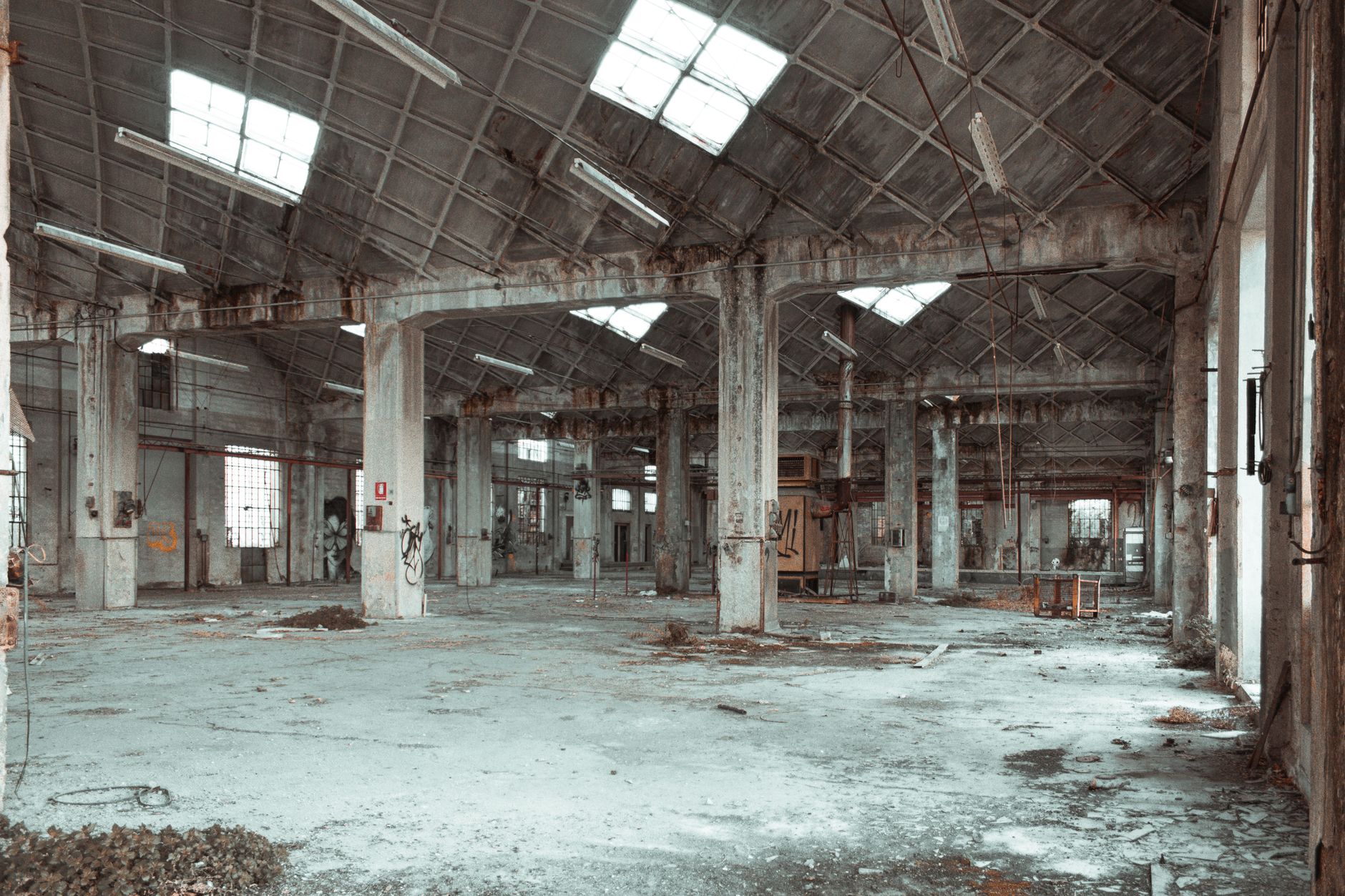
Cement and grain dust diffuses light and fogs lenses. Schedule truss surveys after a planned cleaning day or when production is down, not during active bagging.
Bring directional LEDs that mount on the aircraft or mast head. Avoid blinding workers below; cordon the bay instead.
If corrugations cast stripes across images, bracket exposures or use fill light from a second angle so cracks do not hide in shadow.
What shutdown coordination does the plant team need?
Partial shutdown beats a blurry rush. Define which aisles stay live, which overhead doors stay closed, and who signs the permit when a drone flies over active storage.
Notify racking contractors if your survey follows a impact event. A forklift strike one bay over can misalign a connection you photograph the same week.
Store the signed shutdown checklist beside the image folder so a later auditor sees why conveyors were stopped at 2 a.m.
What should engineers receive from the robot pass?
Deliver geotagged stills, short clips at each connection type, and notes on inaccessible bays. Flag bird nests, standing water on the deck, and rust streaks that imply roof leaks above the truss.
Do not ask the robot vendor to certify capacity. Their deliverable is visual evidence and optional photogrammetry overlays. A licensed engineer still decides if a clip needs repair or reinforcement.
Trend files matter. Side-by-side 2024 and 2026 views of the same heel plate turn a maintenance budget conversation into a short list.
Where does Service Robot Co. fit?
Service Robot Co. acts as a vendor neutral robot integrator: compare indoor drones, pole systems, and crawlers for your bay height, select hardware, finance it, train pilots, and dispatch field help through a nationwide network of regional service engineers when a gimbal fails before a scheduled shutdown.
A free site assessment should walk the floor during production and again during a quiet shift. Note rack height, light glare, and whether dust control makes drone flight viable. One partner one number matters when facilities, the roof contractor, and the structural engineer each need different files the same week.