
Key takeaways
- Run robots between traffic peaks, not through shift-change crowds.
- Treat wheels, brushes, tanks, and routes as part of cross-contamination control.
- Automation supports routine floor care, while people retain spill response and detail cleaning.
- Verify floor condition and exceptions, not just route completion.
Where do robots fit outside the production zone?
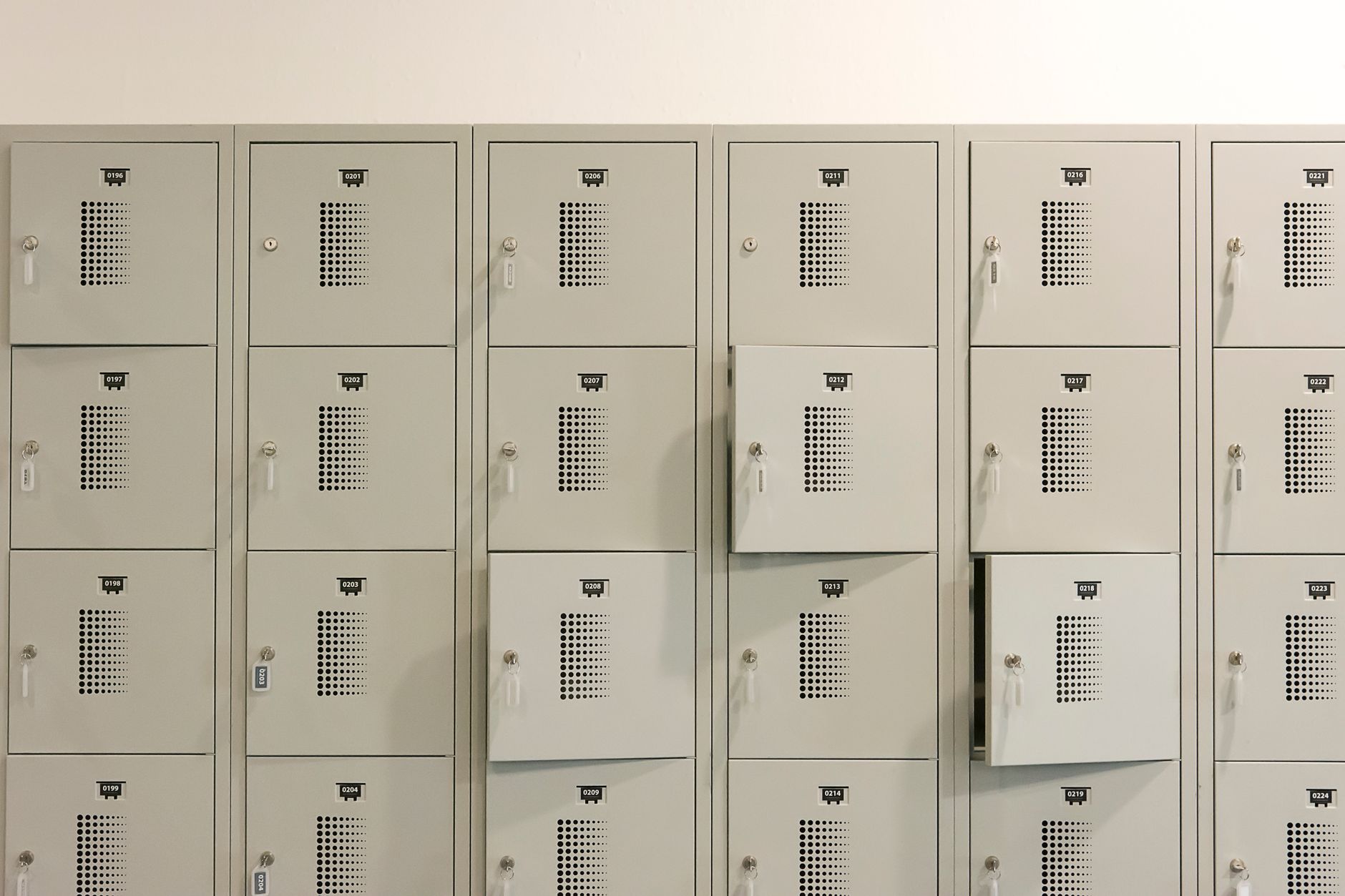
Autonomous floor-care robots can maintain locker-room aisles, employee corridors, entrances, and break-area floors by performing repeatable sweeping or scrubbing runs between traffic surges. Their best role is routine soil removal across open floor space, freeing sanitation employees to handle spills, fixtures, benches, tables, touchpoints, corners, and other detail work.
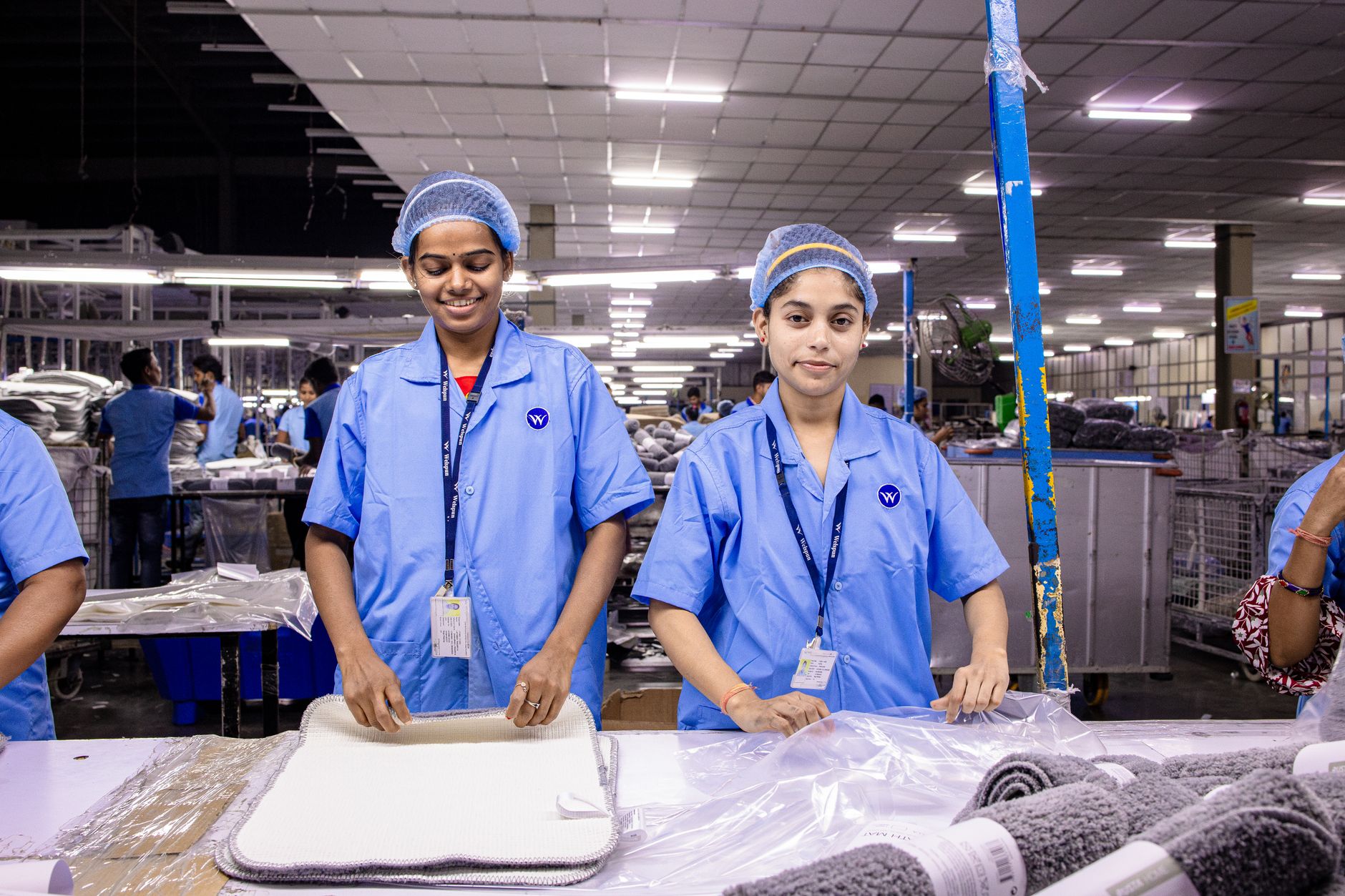
These rooms may sit outside exposed-product operations, but they still influence plant hygiene. Employees carry water, fats, organic debris, packaging fragments, and outdoor soil on footwear. A robot can reduce that floor load before it migrates toward controlled entrances, provided its own wheels and cleaning components do not become carriers.
This is both a sanitation and safety assignment. OSHA requires passageways and walking-working surfaces to remain clean, orderly, sanitary, and as dry as feasible. The Bureau of Labor Statistics reported 3.2 recordable injury and illness cases per 100 full-time workers in animal slaughtering and processing during 2024, compared with 2.3 across private industry.
Why should shift changes control the schedule?
A route that looks excellent on a quiet Sunday may fail at 5:55 a.m. when hundreds of employees converge on badge readers, boot storage, lockers, and production entrances. Mapping must capture actual shift-change flow, queue locations, open locker doors, temporary carts, floor mats, and the direction employees travel.
The strongest schedule uses several short cleaning windows. A robot can recover entrance soil before arrivals, clean locker aisles after employees reach production, touch up break-area approaches after meal periods, and perform a deeper route after the outgoing shift clears. Dense arrival and dismissal waves should remain blocked on the mission calendar.
Cleaning frequency should follow observed soil, not an arbitrary industry average. Record where residue accumulates and how quickly it returns across several shifts. Plants with staggered breaks, seasonal staffing, or separate raw and ready-to-eat crews may need distinct maps and route permissions for each operating period.
How should robots be used around slip hazards?
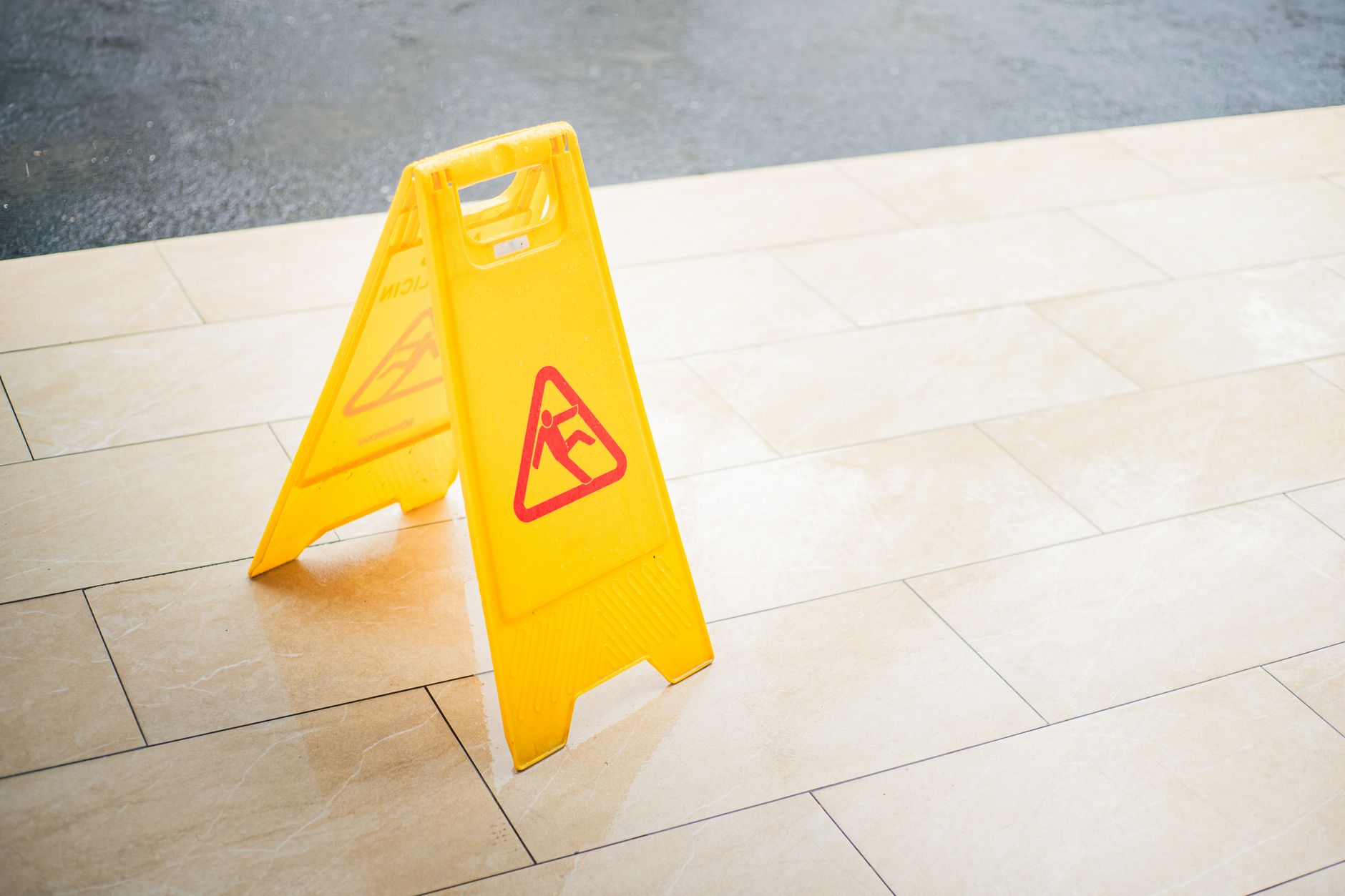
A scheduled robot is not an emergency spill response. OSHA requires hazardous surface conditions to be corrected before employees use the surface again, or guarded until correction is possible. A leaking dispenser, pooled wash water, or dropped drink therefore needs immediate human control, signage, and cleanup rather than a place in the next autonomous mission.
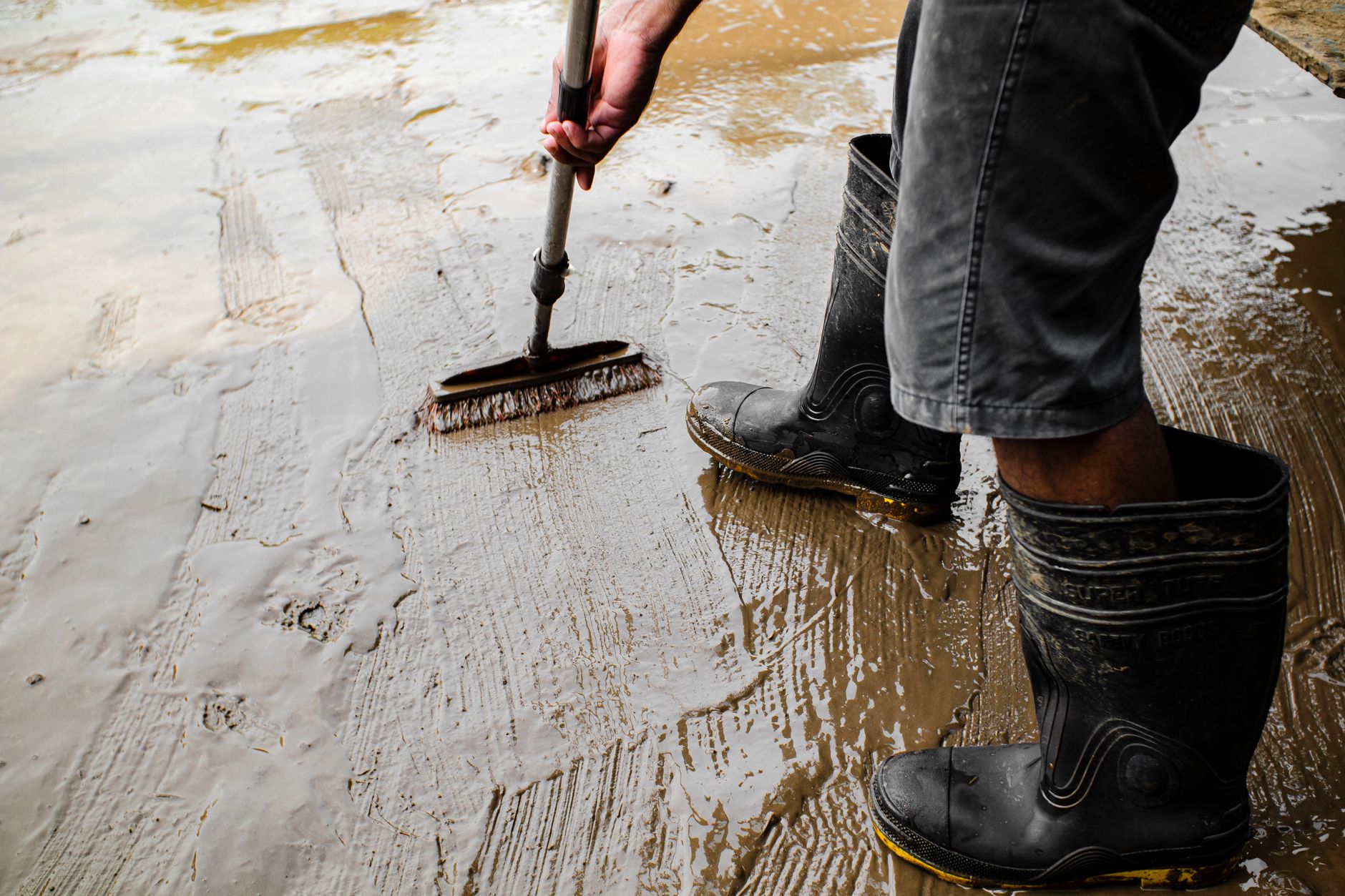
For routine scrubbing, validate water pickup on the plant's actual floor, including worn coatings, slopes, grout lines, thresholds, and turns. Inspect the squeegee and recovery system before every critical route. If the machine leaves a film or misses pooled liquid, pause the mission and correct the equipment or process.
- Exclude active spill scenes and blocked drains from autonomous routes.
- Keep charging stations, robots, and warning devices out of required egress paths.
- Test stopping behavior around blind corners, doors, and break-room queues.
- Pair robotic floor care with drainage, mats, and slip-resistant footwear controls.
Footwear soil is a traffic-control problem
FSIS sanitation rules require dressing and toilet rooms to be maintained in a sanitary condition, and FSIS Directive 5060.1 recognizes employee traffic patterns, boot washing, foot coverings, and designated footwear as cross-contamination controls. A clean-looking corridor is not enough if the route carries soil across a hygiene boundary.
Build robot maps around the plant's clean and dirty transitions. Raw-side approaches, ready-to-eat access corridors, visitor changing areas, and general break spaces may require separate route permissions. Dedicated brushes, squeegees, tanks, or entire machines can be appropriate when a validated cleaning procedure cannot reliably control transfer between zones.
The robot itself belongs in the sanitation plan. Wheels, casters, brush decks, splash guards, recovery tanks, and drain hoses collect residue. Define where they are cleaned, which tools are used, who releases the robot for service, and what must happen before it crosses into another employee zone.
What should remain manual?
An industrial floor scrubbing robot is built for repeatable floor coverage, not every surface in an employee room. Locker bases, bench undersides, table legs, vending recesses, refrigerators, microwaves, waste stations, door hardware, and touchpoints still need assigned manual work. Loose garments, bags, cords, and chairs also need removal before a route begins.
Chemistry requires equal care. Scrubbing removes soil, but it does not automatically deliver a validated sanitizing process. Confirm that the detergent or sanitizer is approved for the setting, compatible with the machine and floor, applied at the correct concentration, and given any required contact time. Never infer disinfection from a completed route.
- Robots handle planned sweeping and scrubbing of accessible floor lanes.
- Employees respond immediately to spills, bodily fluids, leaks, and broken containers.
- Detail crews clean elevated surfaces, fixtures, edges, and obstructed areas.
- Supervisors inspect exceptions and release the area for normal traffic.
How can sanitation be verified?
A dashboard showing 98 percent route completion proves where the machine traveled, not that the floor met the plant's sanitation standard. Verification should combine mission records with a documented inspection of residual soil, standing water, missed edges, odor, drainage, and any area the robot skipped or abandoned.
Establish acceptance criteria before deployment. If the plant uses swabbing or ATP testing, follow its validated locations, method, limits, and corrective actions rather than adopting a generic pass score. Trend results by route and shift so recurring failures lead to changes in timing, chemistry, equipment condition, or manual preparation.
- Mission start, finish, coverage, and exception records.
- Pre-use and post-use checks of brushes, squeegees, tanks, and wheels.
- Visual and tactile inspection at defined high-soil locations.
- A named owner and deadline for every missed or failed area.
What should a plant pilot prove?
A credible robot pilot program should span representative production days and include the busiest shift changes, meal periods, seasonal soil, and sanitation handoffs. The test is not simply whether the robot can navigate. It must show acceptable cleaning, dry-floor recovery, safe interaction, manageable daily care, and reliable completion within real operating windows.
Site assessment mapping should document floor materials, slopes, drains, thresholds, doorway widths, pedestrian queues, hygiene boundaries, wireless coverage, water and waste access, and a safe charging location. Measure repeat-clean rates, exceptions, intervention time, and verified floor condition. Those observations determine the robot that fits your floor and the number of units required.
- Test the heaviest footwear soil and the tightest usable route.
- Include blocked paths, open lockers, chairs, mats, and temporary carts.
- Run a failed-mission drill and confirm who responds.
- Review cleaning records with sanitation, safety, operations, and quality teams.
How should plants buy and support the equipment?
Service Robot Co. is a full-service commercial robot integrator for US businesses. As an OEM-neutral partner, it can compare machines against the plant's soils, floors, traffic, and hygiene controls, then arrange financing, robot deployment and integration, training, and ongoing service instead of forcing the site into one manufacturer's catalog.
Plants can evaluate purchase, robot leasing for business, or commercial cleaning robot leasing against the planned operating period and support needs. Service Robot Co. then supports every unit through a nationwide US engineer network. That gives sanitation and facilities teams one vendor for the whole lifecycle, from assessment and commissioning through remote triage, on-site service, and fleet changes.
Frequently asked questions
Sources
- OSHA walking-working surfaces standard
- OSHA workplace sanitation standard
- FSIS sanitation regulations, 9 CFR Part 416
- FSIS Sanitation Performance Standards Compliance Guide
- FSIS Hygiene and Biosecurity Practices directive
- NIOSH slip-resistant footwear study summary
- BLS 2024 industry injury and illness rates