
Key takeaways
- Autonomous floor care fits open galleries, lobbies, and broad corridors far better than stepped seating bowls.
- In planetariums, low light is manageable, but changing layouts, cables, and delicate exhibit bases are the real trouble spots.
- The best labor split is robot coverage on repeatable hard-floor routes and human work on seating, edges, resets, and exceptions.
- A vendor neutral robot integrator matters because specialty venues need mapping, financing, training, and service tied together.
Can a planetarium actually automate overnight floor care?
Yes, public planetariums can automate a meaningful share of overnight floor care, but only on the parts of the building that behave like repeatable floor lanes. Open lobbies, exhibit galleries, prefunction rings, and broad circulation corridors are usually fair game. Stepped seating bowls, tight row ends, and exhibit clusters with fragile feet or loose barriers are not.
That distinction matters because a planetarium is not a plain box with open aisles. It is a mixed venue with sloped theaters, curved walls, dim public areas, and delicate interpretive displays. The right night shift autonomous scrubber works as one layer in the overnight reset, while the human crew still handles edges, seating, spot work, and anything that changes from event to event.
The operating case is real. According to Adler Planetarium, it typically hosts more than half a million visitors each year and has over 60,000 sq. ft. of exhibition space. Griffith Observatory says its expanded building includes 20,000 square feet of exhibition space, and its 290-seat Samuel Oschin Planetarium runs shows every 60 to 90 minutes on open days. In a venue like that, repeatable after-hours coverage has real value.
Which zones are the strongest first candidates?
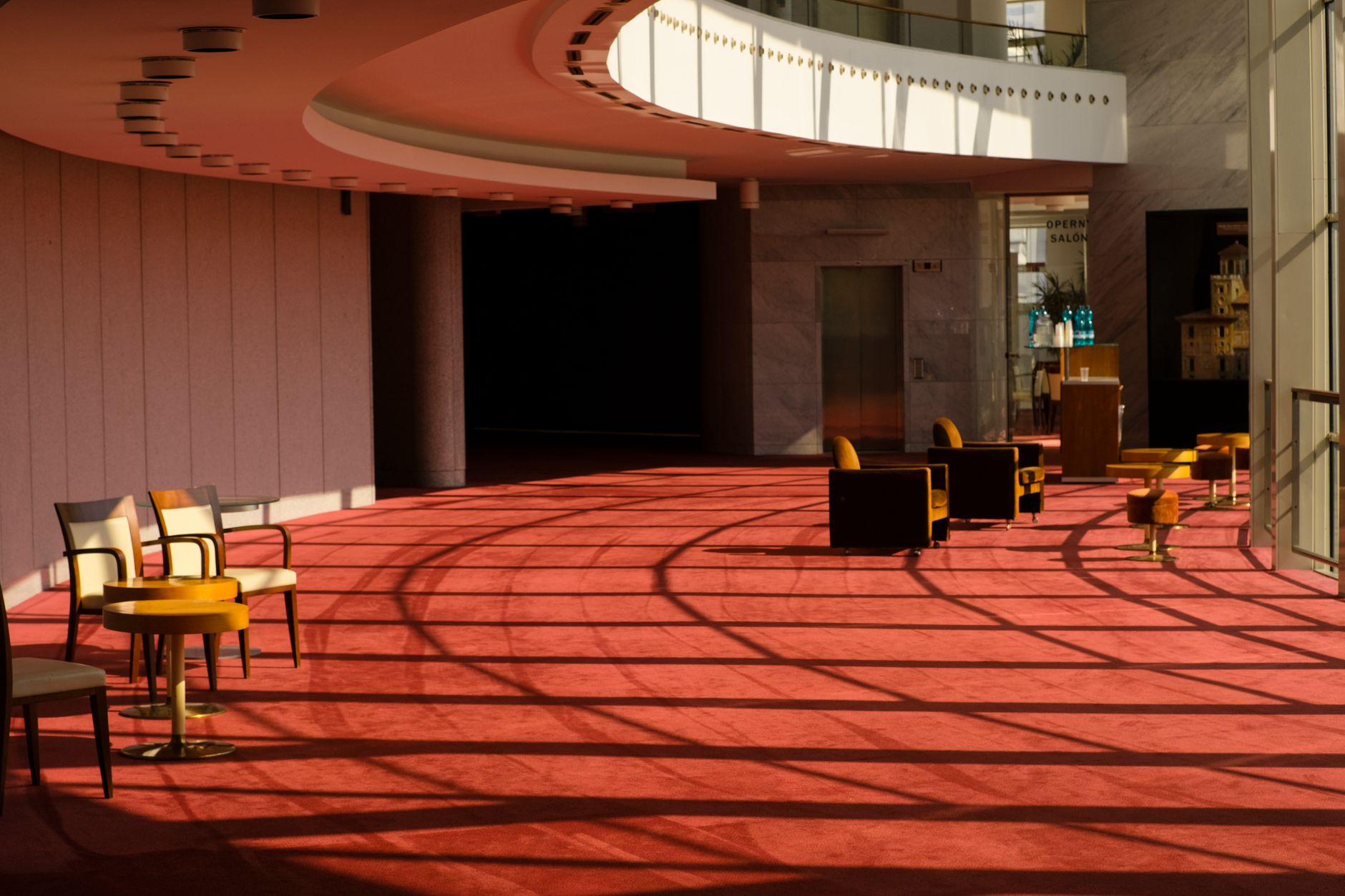
The best first candidates are the flat, hard-floor zones with predictable geometry and few midnight surprises. A robot does not need a perfect rectangle, but it does need a route that stays open night after night. In public planetariums, that usually means the visitor approach, the outer exhibit loop, and any broad corridor that staff can reset to the same condition before launch.
Use building accessibility dimensions as a planning baseline, not a robot specification. The ADA standards set 36 inches as the minimum clear width for walking surfaces on accessible routes, and require wider clearances at tight 180-degree turns. If a curved corridor regularly pinches near those numbers because of benches, stanchions, trash cans, or temporary exhibits, it is probably too inconsistent for routine autonomous scrubbing.
- Main lobbies, ticketing aprons, and entry vestibules after close.
- Open exhibit floors with stable case locations and clear perimeter lanes.
- Wide curved corridors and circulation rings that keep consistent clearance.
- Event prefunction zones once furniture has been returned to marked positions.
- Back-of-house service corridors with predictable overnight traffic.
Why the theater bowl usually stays manual
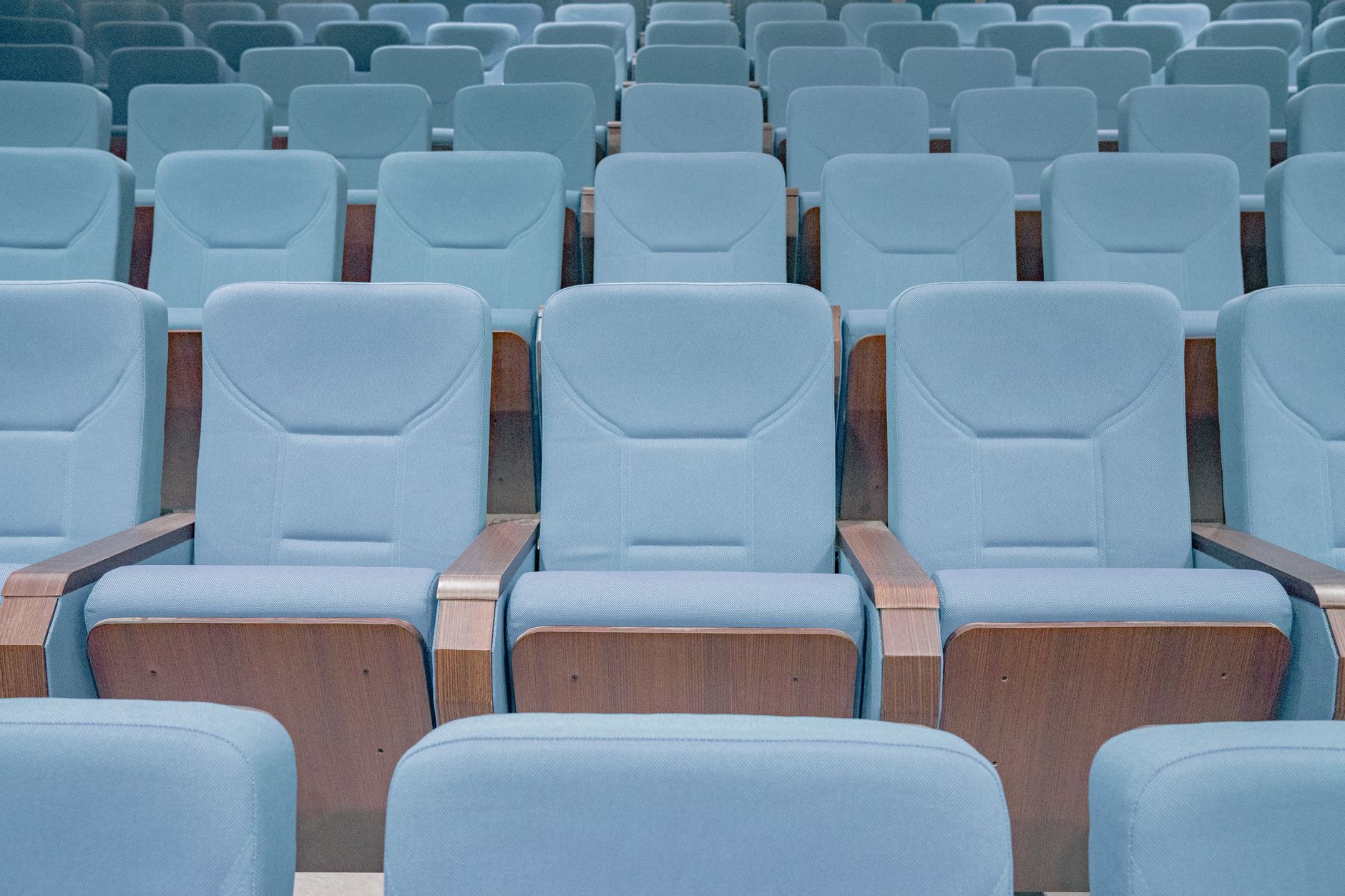
The theater bowl is where most planetarium teams overestimate autonomy. Fixed seats break the floor into narrow, interrupted segments. Row ends collect dropped programs and drink lids. Step nosings, handrails, and shadowy side aisles change what the sensors see, and the cleaning path under the dome rarely resembles the broad, uninterrupted lanes that floor robots like best.
There are exceptions. A robot may clean a perimeter concourse, an accessible cross-aisle, or the flat apron at the front of the theater. But the raked seating area itself is usually a manual zone. The smarter labor play is to let the robot absorb repetitive gallery and corridor passes while the crew tackles the work people still do better. That matters physically. The U.S. Bureau of Labor Statistics reported in 2025 that 96.8 percent of building and grounds cleaning and maintenance workers perform low postures, and 41.7 percent climb structure-related ramps or stairs.
How much curvature and slope is workable?
Curvature is less of a problem than inconsistency. A wide circular corridor can be easy for an autonomous route if the edges stay fixed and the floor finish is uniform. What breaks the run is a bend that tightens around a case, a handrail that narrows the path, or a switch from dry matte flooring to glossy stone on the downslope.
The ADA standards are useful here again. They limit accessible walking surfaces to a 1:20 running slope, set accessible ramps at no steeper than 1:12, and call for 42-inch and 48-inch clearances at certain 180-degree turns, or 60 inches at the turn as an alternative. Those figures do not certify a robot route, but they are a sensible lower-bound check when you are deciding if a sloped or curved public path is truly repeatable at night.
What changes around exhibits and low-light galleries?
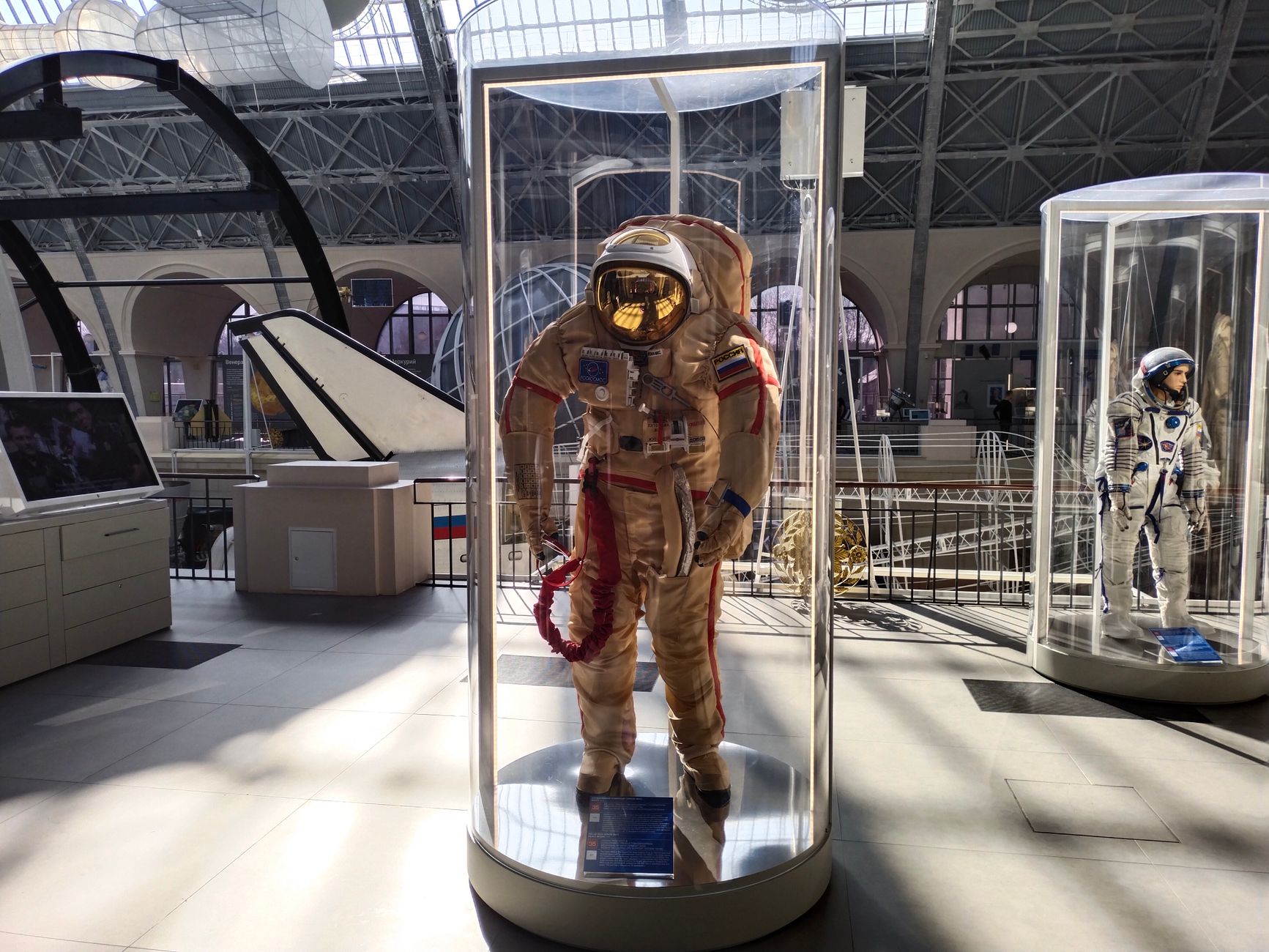
Low light by itself is not the main problem. Stable layout is. A dim gallery with fixed cases and a simple perimeter lane can be easier to automate than a brightly lit room full of movable interactives, acrylic sign stands, and temporary barriers. In planetariums, the failure mode is usually not darkness. It is a floor map that no longer matches the room the robot meets late at night.
Delicate exhibits raise a different issue. According to the Smithsonian's National Museum of Asian Art, some light-sensitive materials are displayed at 50 lux. That is a reminder that many cultural spaces are engineered around preservation first. Autonomous floor care should stay on clearly bounded lanes, with hard no-go zones around vitrines, floor-mounted specimens, projectors, cables, and any object base that would be hard to see from a low sensor angle.
This is also where crews should stay conservative with moisture, pads, and edge cleaning. If a robot's brush deck passes close to exhibit plinths, draped bases, or floor labels, the route is probably too aggressive. Manual vacuuming, microfiber detailing, and curator-approved handling still belong to people.
What should the night crew reset before launch?
In specialty cultural venues, nightly reset discipline matters more than headline autonomy. OSHA requires walking-working surfaces to be kept clean, orderly, and, to the extent feasible, dry. OSHA also states that no branch-circuit conductor may be laid on the floor in temporary wiring. In practice, that means the crew has to prepare the route before the robot ever leaves its charger.
If the venue hosts leases, school nights, or temporary astronomy programs, build the robot program around change control. Minor shifts can be handled with blocked zones or edited missions. A bigger furniture move, new exhibit island, or fresh power run needs a new map and a fresh acceptance check, not a hopeful restart.
- Lift, cover, or reroute temporary AV and presentation cables before every run.
- Return stanchions, stools, trash cans, and mobile interactives to taped home positions.
- Fold or lock portable seating used for talks, donor events, and leases.
- Hand clear the theater bowl, row ends, and perimeter edges before autonomous work begins.
- Inspect sloped approaches and dark transition strips for moisture, glare, and dropped debris.

How should the project be bought and supported?
Planetariums are awkward buyers because they are part theater, part museum, and part public assembly space. One machine rarely fits every surface. That is where a full-service commercial robot integrator matters. Service Robot Co. is OEM-neutral for U.S. businesses, so the venue can choose the robot that fits your floor instead of forcing every zone into one hardware choice.
For many sites, the best entry point is a pilot on the zones that are easiest to standardize. That may be a commercial cleaning robot lease, a robot lease monthly program, or a floor scrubber monthly lease with RoboCare™ service. Some teams want robot leasing for business with no upfront capital. Others prefer purchase or lease after they see stable route performance through a full programming season.
Service Robot Co. handles finance, deployment, integration, training, and service as one partner, one number. That includes site assessment mapping, commercial robot repair service, remote triage, and nationwide field support. For a venue that closes late and reopens fast, that support model usually matters more than a brochure claim about maximum autonomy.
A practical overnight playbook
A practical overnight playbook is simple. After the final show, staff raise work lights, clear the theater bowl manually, secure loose cables, and reset all movable objects. The robot then runs the lobby, gallery, and corridor missions while the crew works seating edges, exhibit perimeter dust, spot spills, and restroom or entry tasks. The goal is not overnight cleaning no operator. The goal is consistent floor coverage with fewer repetitive passes done by hand.
That is the realistic answer for a public planetarium. Autonomous floor care fits the open, repeatable parts of the building. Humans still own sloped seating, delicate displays, and anything that changes nightly. A large venue cleaning robot can absolutely earn its keep here, but only inside a disciplined operating plan.