
Key takeaways
- Intercept sand outdoors, collect it dry, and scrub only after loose grit is gone.
- Use short cleaning runs after traffic surges instead of waiting for one heavy nightly recovery.
- Treat mat condition, moisture, salt exposure, and corrosion resistance as part of the robot specification.
- Pilot the complete entrance system under real coastal conditions before expanding the fleet.
Can robots keep a beachfront resort entrance clean?
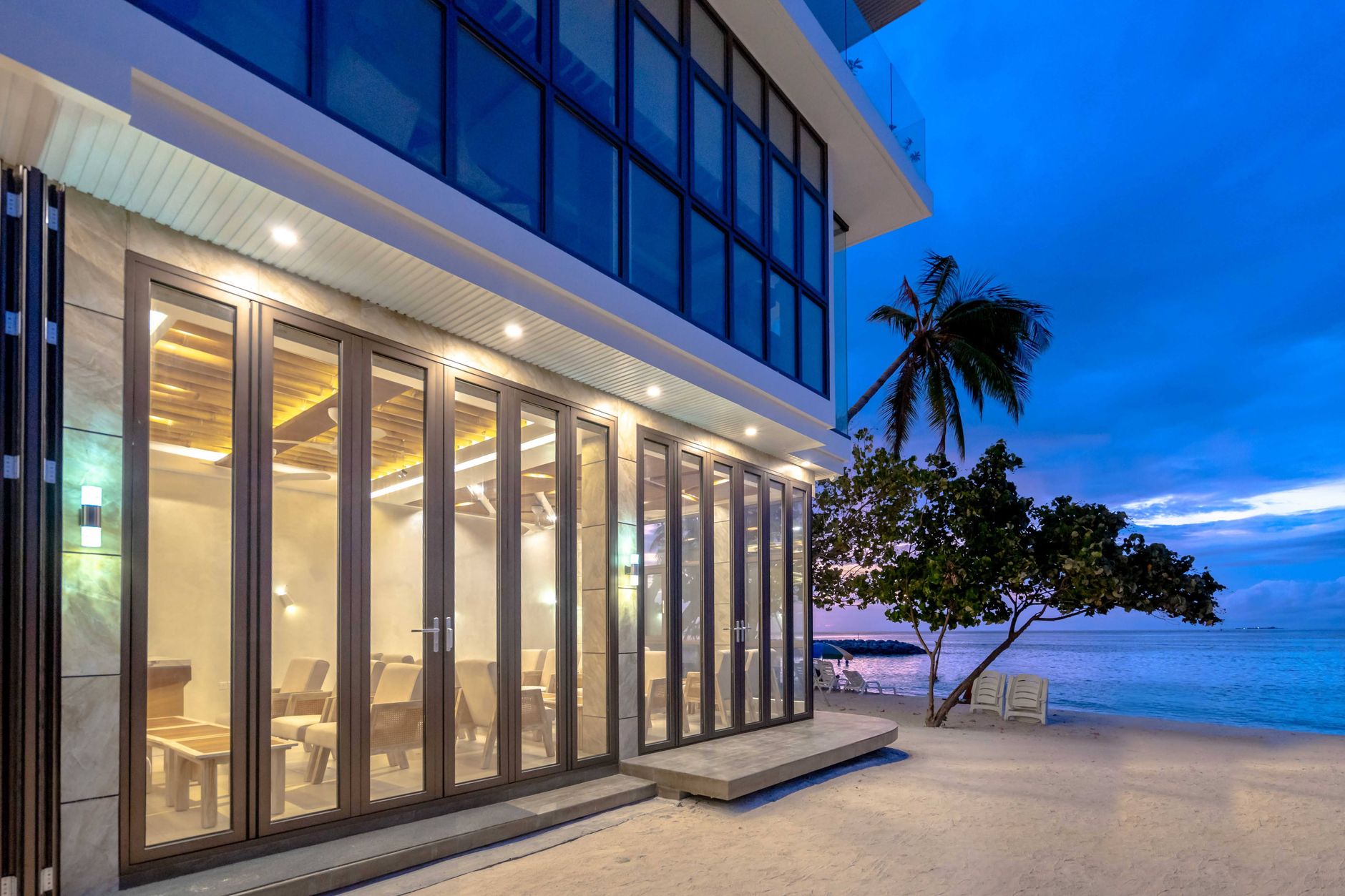
Yes. Autonomous sweepers and scrubbers can control tracked-in sand across covered boardwalks, vestibules, and hard-floor lobby approaches when they operate as part of a layered entrance system. The right sequence is interception outside, dry collection near the doors, and restrained wet scrubbing farther inside.
These machines should not be expected to cross loose beach sand or replace drainage, matting, and manual spill response. Their useful territory begins on stable, mapped surfaces where wheels can maintain traction and sensors can distinguish curbs, mat edges, glass doors, planters, luggage, and guests.
The operating model matters more than a dramatic overnight pass. Several short runs after arrival peaks, beach-return periods, wind gusts, or rain can remove small deposits before shoes and luggage wheels grind them into the finish or carry them deeper into the lobby.
Why should loose sand be removed before scrubbing?
Sand is a dry particulate before it becomes a wet slurry. A sweeping or vacuuming robot can collect loose grains without flooding the entrance, while a scrubber introduced too early may push grit through its brushes, pads, and squeegee path.
The U.S. General Services Administration makes the sequence explicit in its 2026 National Custodial Specification: sweep or vacuum first, then damp mop. Applied to autonomous equipment, that means assigning the sweeper the exposed boardwalk and primary walk-off zone before releasing the scrubber onto the remaining film and footprints.
The Environmental Protection Agency also warns that tracked grit can grind away protective finishes on smooth floors. Prompt dry pickup therefore protects more than appearance. It reduces the abrasive material available to foot traffic and cleaning hardware.
Heavy deposits still need human attention. Staff should remove shells, palm fragments, cords, towels, and concentrated piles before restarting an autonomous route. Robots are at their best when handling recurring, low-volume contamination, not when being asked to ingest every object that crossed the threshold.
How should the entrance route be divided?

Treat the path from boardwalk to lobby as a series of cleaning zones. The exposed outer zone receives the coarsest sand and salt spray. The covered transition zone holds scraper matting. The inner zone catches moisture and fine soil. Beyond that point, the lobby should require only light sweeping or scrubbing.
A dry machine can patrol the stable portion of the covered boardwalk and the hard surface immediately around recessed mats. A scrubber should begin where the floor is sufficiently even, the mat transition has been validated, and drainage or standing water will not interrupt recovery.
Map routes so the robot approaches doors and mat wells deliberately rather than clipping corners. Keep charging docks away from wind-driven mist, irrigation, exterior drains, emergency exits, and places where guests leave wet towels or beach equipment.
During open hours, clean a narrow lane and preserve an obvious pedestrian path. The National Institute for Occupational Safety and Health recommends cleaning only one side of a passageway at a time so people can still pass. At a resort entrance, that principle should shape route width, scheduling, signs, and staff oversight.
What makes a robot suitable for salt and moisture?
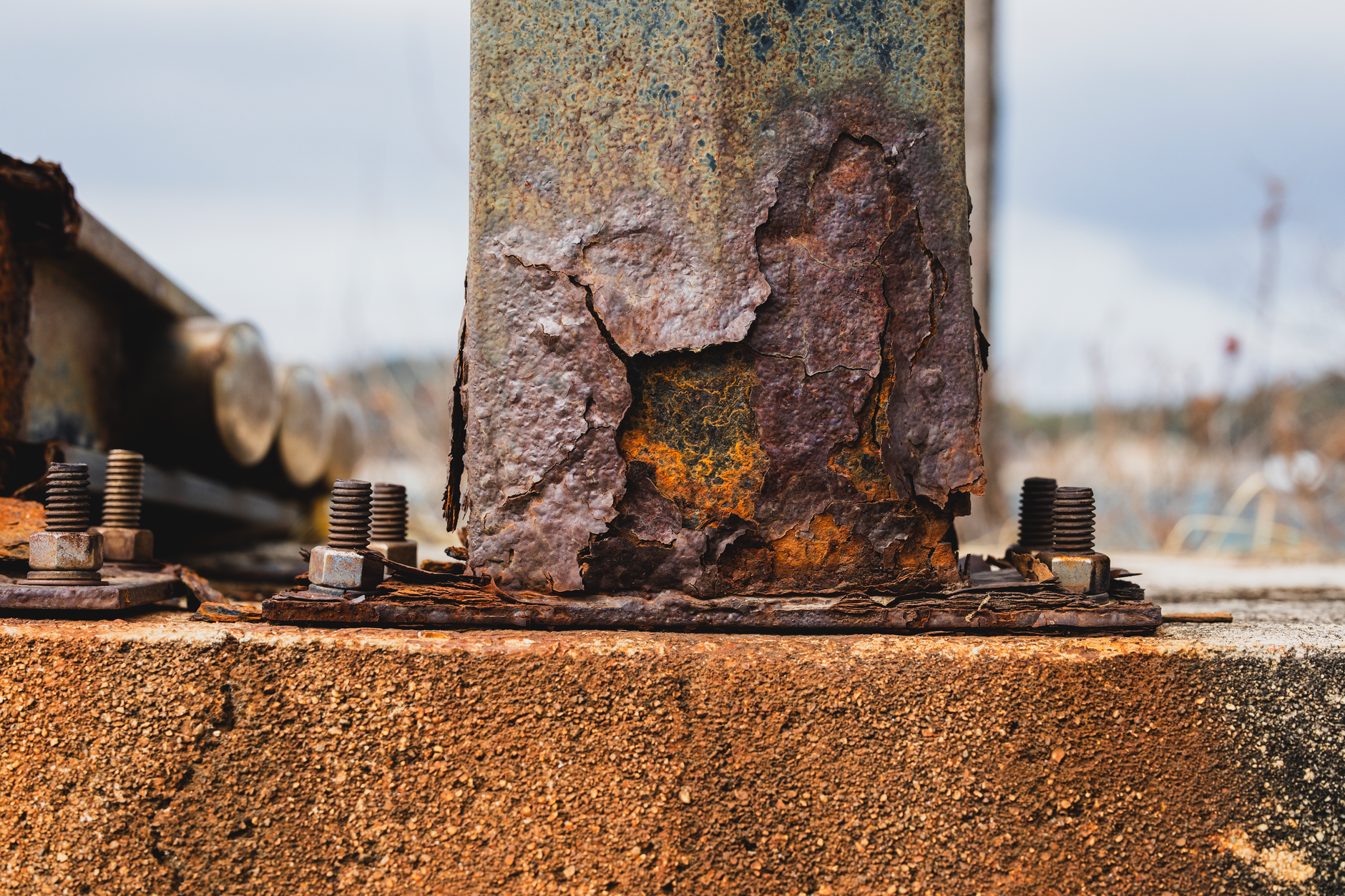
A beachfront specification must go beyond the phrase stainless steel. Salt-laden moisture settles on fasteners, axles, brush hardware, seams, connectors, and charging contacts. NASA corrosion guidance explains that salt deposits combined with moisture can initiate localized attack, including pitting on passive metals.
Inspect exposed hardware, coating systems, drainage paths, underside cavities, cable entries, wheel bearings, and recovery-tank seals. Favor smooth, cleanable surfaces and designs that do not trap salty water in crevices. The maintenance plan should include fresh-water wipe-downs where approved by the equipment documentation, followed by drying and inspection.
Ingress and corrosion ratings answer different questions. NEMA explains that the first digit in an IP rating concerns solids and the second concerns water. Its guidance also cautions that IP classifications do not address conditions such as condensation or corrosive vapors. A water-resistant enclosure is not automatically a coastal enclosure.
Ask suppliers for test conditions, pass criteria, and field history instead of accepting a salt-fog claim at face value. ASTM B117-26, active as of January 19, 2026, creates a controlled corrosive environment for relative comparisons, but ASTM says stand-alone results seldom correlate with natural-environment performance. Resort exposure includes repeated drying, sheltered humidity, abrasive sand, cleaning chemicals, and occasional splash, so evidence should resemble the actual site.
How should robots interact with entrance mats?
Mats are the first cleaning machine in the building, but only while they remain correctly placed and below capacity. NIOSH says entrance mats should capture several footsteps. Water appearing around or beyond a mat indicates that the mat is too small or saturated and needs replacement.
EPA guidance for developed school entrances describes a 20-foot, door-width system with at least 6 feet of exterior scraper mat, 6 feet of absorption mat, and 8 feet of finishing mat. A resort may require a site-specific arrangement, but the underlying principle is useful: separate scraping, moisture capture, and final wiping instead of asking one short mat to perform every task.
Do not assume the robot can traverse every loose mat. Validate edge height, backing grip, wheel traction, sensor response, and the risk of bunching. A safer route may clean around removable mats while staff lift and service them separately.
Accessibility also belongs in the test. The 2010 ADA Standards require carpet to be securely attached, limit pile height to 1/2 inch, or 13 millimeters, and require exposed edges to be fastened and trimmed. Robot mapping must preserve the accessible route rather than treating it as spare cleaning space.
Why do frequent low-volume runs work better?
Tracked-in sand arrives in pulses. Breakfast traffic may be modest, while late-morning beach departures, afternoon returns, rain showers, and event arrivals can create distinct deposits. A fixed once-nightly schedule lets those deposits travel farther and remain underfoot longer.
Short autonomous runs target the contamination while it is still concentrated near the entrance. The sweeper can pass after a beach-return surge, then the scrubber can make a controlled follow-up run after the mat and surrounding floor have been inspected. This pattern reduces the amount of water introduced during occupied hours.
Trigger runs from observations, not the clock alone. Useful signals include visible sand beyond the finishing mat, damp footprints entering the lobby, rising debris pickup on recent routes, and a weather change that sends guests indoors. Staff should retain authority to delay a run when luggage queues, group arrivals, children, or temporary displays obstruct the route.
OSHA standard 1910.22 requires walking-working surfaces to be kept clean and, to the extent feasible, dry, inspected regularly and as necessary, and corrected when hazardous conditions appear. Automation can support that operating discipline, but it does not transfer the resort's responsibility to inspect, guard, and respond.
What should a coastal pilot measure?
Pilot the whole entrance process during representative wind, humidity, rain, and occupancy conditions. A showroom demonstration on a dry interior floor will not reveal mat interference, wheel slip, salt residue, sensor fouling, or the way guests move around a working machine.
Record results by zone and time period. The aim is not merely maximum square footage. It is less sand migrating beyond the entrance, fewer manual touchups, controlled moisture, reliable recovery, and hardware that remains serviceable after repeated coastal exposure.
A commercial robot demo should also include recovery drills. Staff need to know how to pause the unit, isolate a wet lane, clear a jam, clean sensors, inspect the squeegee, empty gritty debris, and call for remote triage or on-site dispatch.
- Measure sand found beyond the final mat before and after each cleaning cycle.
- Track incomplete routes, manual rescues, blocked passages, and mat-related stops.
- Inspect fasteners, charging contacts, wheel areas, seams, and coatings for early corrosion.
- Compare clean-water use, recovered slurry, brush wear, and squeegee condition.
- Survey front-desk, bell, housekeeping, and safety staff about guest conflicts and exceptions.
Choosing one partner for the complete operating system
A beachfront resort is a poor place to select equipment from a specification sheet alone. The robot that fits your floor must also fit the mat system, traffic pattern, cleaning chemistry, storage space, coastal exposure, and staff workflow.
Service Robot Co. is an OEM-neutral commercial robot integrator for U.S. businesses. We assess the site, select equipment across manufacturers, arrange financing, deploy and integrate each unit, train the team, and service the fleet through a nationwide U.S. engineer network.
That single-lifecycle model can cover a commercial cleaning robot lease, an autonomous floor scrubber lease, robot leasing for business, or other monthly payment programs without forcing the resort to coordinate separate vendors for selection, robot deployment and integration, training, and commercial robot repair service.
For coastal properties, one partner and one service number also preserve context. The same team can connect a recurring route failure to a mat change, corrosion finding, seasonal traffic shift, or unsuitable machine specification instead of treating every symptom as an isolated repair.
Frequently asked questions
Sources
- OSHA Walking-Working Surfaces Standard
- NIOSH Slip, Trip, and Fall Prevention Guide
- EPA Indoor Air Quality Design Tools for Schools
- GSA National Custodial Specification
- NASA Corrosion Forms and Controls
- NEMA Enclosure Types and IP Comparison
- ASTM B117-26 Salt Spray Standard
- 2010 ADA Standards for Accessible Design