
Key takeaways
- Robots can work in seafood markets, but only on bounded cleaning routes and repeat transport loops with hard sanitation rules.
- Brine, loose scales, ice melt, hoses, and reflective stainless make traction and corrosion control the first buying filters.
- Safe deployment depends on sanitation zoning and traffic design, not just autonomy claims on a brochure.
- An OEM-neutral integrator matters because financing, rollout, training, and field service are as important as the robot itself.
Can robots actually handle a wet seafood market floor?
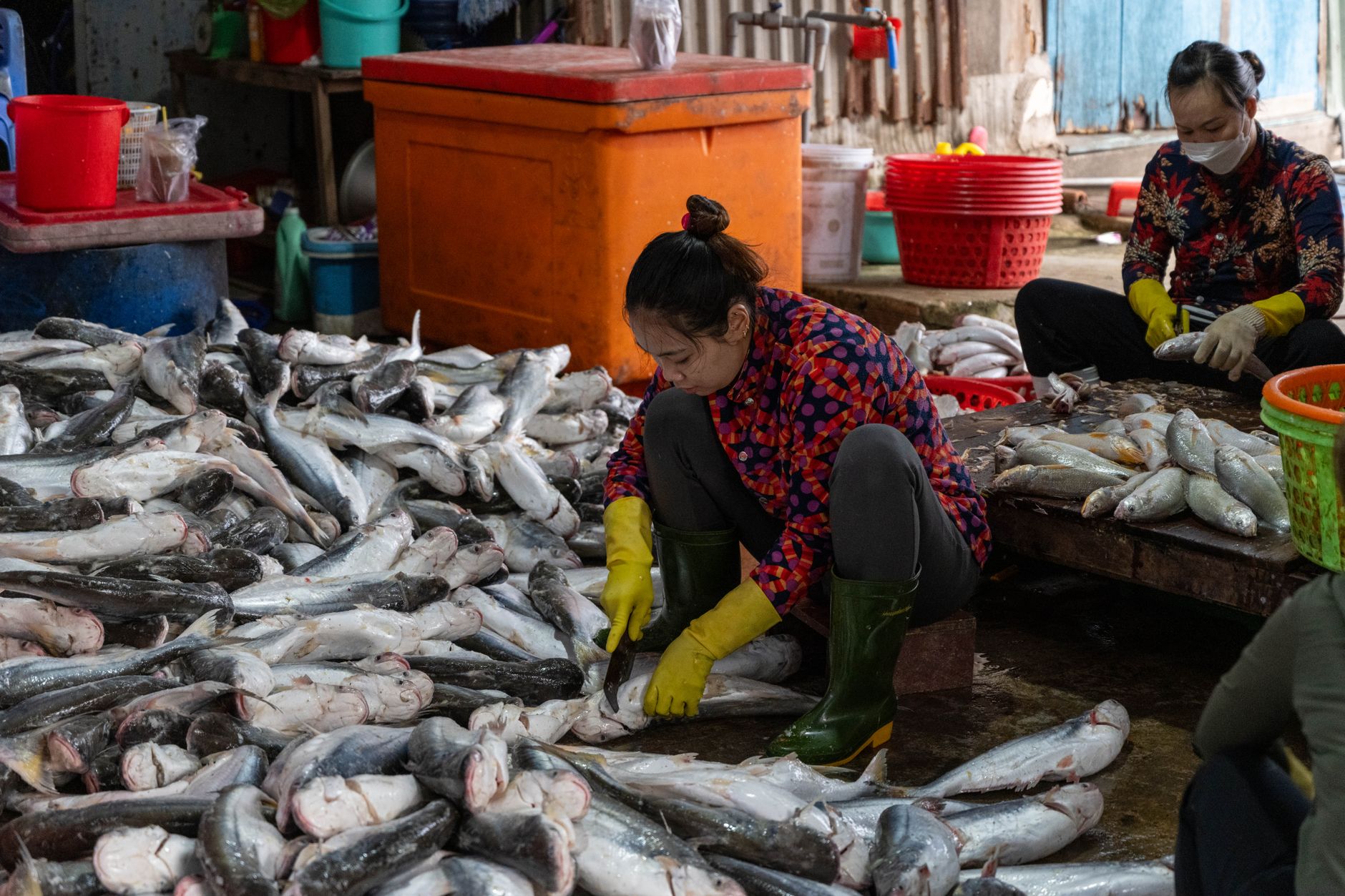
Yes, but only if the job is tightly scoped. Seafood floors are among the roughest indoor environments a commercial robot will ever see. Good fits are overnight or off-peak floor scrubbing, perimeter aisle cleaning, and repeat crate or tote moves on known paths. Bad fits are flooded washdowns, open-product zones during active handling, and free-roaming traffic in the middle of pallet jack surges.
The main buying mistake is treating a wet market like a normal warehouse. A floor scrubber for warehouses may work in the dry annex and fail on the fish side if brine sits on the floor, scales pack into wheels, or hoses cross every aisle. A pallet transport robot can save long walks and repetitive shuttles, but only if its route stays predictable and the payload stays contained.
FDA's seafood HACCP Q&A also makes clear that food service distributors that store fish and fishery products are covered by sanitation provisions. That matters because many wholesale seafood floors sit in the blurry middle between cold storage, distribution, and live market activity. The robot program has to be built for that reality, not for a generic retail aisle.
This is not a tiny niche. According to NOAA Fisheries, U.S. commercial fishermen landed 8.4 billion pounds of edible and industrial fishery products valued at $5.1 billion in 2023. NOAA also says Americans consumed 19.1 pounds of seafood per person in 2023, and about 80 percent of the seafood eaten in the United States came from imports. Wholesale seafood markets sit in the middle of that flow, so small gains in cleaning reliability and crate movement can matter every night.
What makes this environment harsher than most facilities?
On a seafood floor, moisture is only the beginning. Brine dries into salt residue. Meltwater carries scales, bits of cardboard, plastic strapping, and fish protein. Stainless tables and cool-room doors reflect light oddly. Drain covers break up wheel contact. Hoses appear without warning, then move. Even a good map can get noisy when the physical world keeps changing by the hour.
The scale of the seafood trade explains why operators chase consistency here. NOAA Fisheries says the broader U.S. commercial fishing and seafood industry generated $173.4 billion in sales impacts and supported 1 million full- and part-time jobs in 2023. At the same time, OSHA treats walking-working surfaces as a serious hazard and estimates its updated rule will prevent 29 fatalities and 5,842 lost-workday injuries each year across general industry. On a fish-market floor, traction is not a comfort feature. It is a deployment gate.
Corrosion resistance and washdown are not the same thing
Brine attacks far more than the visible shell. It creeps into fasteners, connectors, charging contacts, caster housings, sensor windows, and harness entry points. A machine can look clean on day one and start misbehaving months later because salt found a path into places the buyer never inspected. That is why corrosion resistance has to be treated as a lifecycle issue, not a brochure adjective.
Washdown brings a different question. Can the robot stay in the space during hose and foam cycles, or must it be pulled, covered, or docked elsewhere first. Federal food rules draw that line clearly enough to be useful. eCFR 21 CFR 117.37 says water that contacts food, food-contact surfaces, or packaging must be safe and of adequate sanitary quality, and it requires adequate floor drainage where operations release water or other liquid waste on the floor. eCFR 21 CFR 117.35 says that in wet processing, food-contact surfaces must be cleaned and sanitized before use and after contamination breaks. A robot operating near seafood has to fit that cleaning rhythm instead of disrupting it.
- Ask what parts of the robot can tolerate splash, detergent, sanitizer mist, and direct hose exposure, and ask for the maintenance interval under salty conditions.
- Ask where charging docks belong. A dock set inside a hose lane is asking for corrosion and nuisance faults.
- Ask how wheels, squeegees, brushes, and sensor windows are cleaned when scales and slime build up mid-shift.
- Ask which exposed materials sit closest to the floor, because the bottom twelve inches takes the worst abuse in a wet market.
Where should sanitation zones begin and end?
In seafood handling, the hardest boundary is not navigation. It is product exposure. FDA's seafood HACCP Q&A says wholesale handlers storing fish remain subject to sanitation provisions. eCFR 21 CFR 117.37 says any water that contacts food or food-contact surfaces must be safe and of adequate sanitary quality, and eCFR 21 CFR 117.35 requires wet-processing food-contact surfaces to be cleaned and sanitized. For robots, the practical takeaway is simple: keep autonomy around the product flow until container discipline, cleaning discipline, and route discipline are proven.
Most markets should think in zones. Keep autonomous cleaning away from exposed seafood and loose ice during active production. Use transport robots for closed-lid totes, empty crate returns, packaged product, tools, or supplies, not for anything that invites splash onto open product. If a robot must enter a colder or cleaner room, define the entry condition the same way you would for a wheel cart or pallet jack: floor state, container state, and cleaning state first.
- Red zone: exposed seafood, open ice, trimming, shucking, and direct product handling. No autonomous traffic during active work.
- Yellow zone: packaged product and lidded containers on controlled routes, with strict container discipline and cleaning checks.
- Green zone: perimeter aisles, empty crate loops, consumable resupply, and after-close scrub routes where robots can work with the least sanitation friction.
Which crate moves are the best first automation targets?
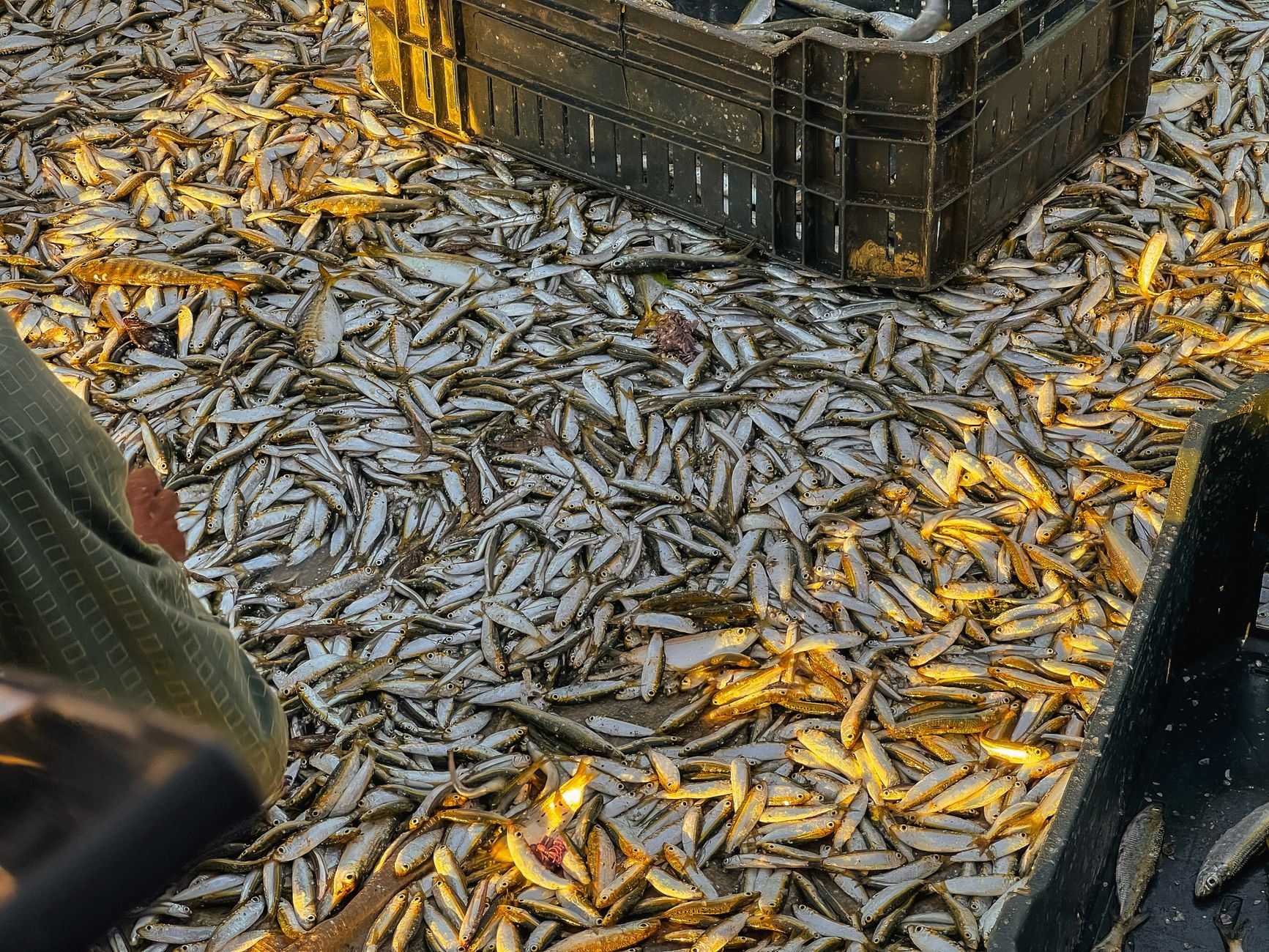
The best first move is rarely the heaviest crate. It is the most repetitive one. Empty crate returns from selling floor to wash area, lidded tote shuttles from receiving to cooler, ice-bin support runs that keep food separated, and supply moves for liners or labels tend to outperform ambitious mixed-use missions. These jobs repeat, they have clearer endpoints, and they are easier to standardize around container condition.
Avoid romantic automation plans. If staff constantly improvise, reroute, stack odd loads, or leave payloads half hanging off carts, the robot will inherit the chaos. A material handling robot lease or AMR leasing makes sense here when it is used to prove one boring route, not ten heroic ones. Boring is good. Boring is what survives the fourth week of peak volume.
- Empty crate return from floor to wash room
- Lidded tote transfer from receiving to chilled staging
- Cart pulling between dock, box room, and disposal area
- Night shift resupply runs after the sales floor clears
How do robots coexist with pallet jacks and hose crews?
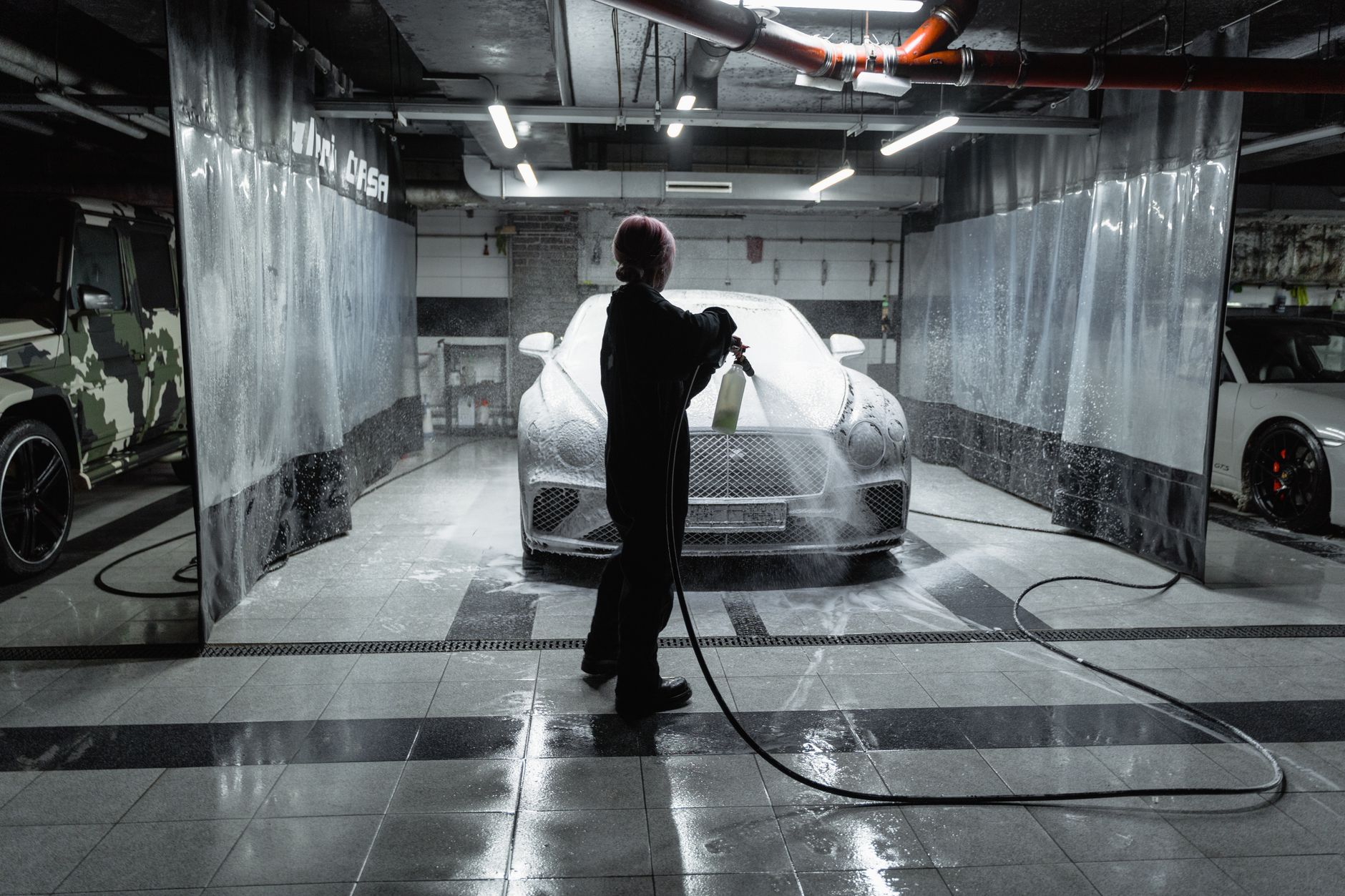
This is where many pilots succeed or die. OSHA's powered industrial truck standard requires trucks to be operated at a speed that allows safe stopping, and it specifically requires slowing down for wet and slippery floors. That is a good design baseline for robot traffic, too. The market should not expect a cleaning robot or tug robot to improvise through blind corners, live hose work, and crossing pallet jacks without very explicit rules.
Good coexistence looks plain on paper and disciplined on the floor. Set one-way paths where possible. Mark crossing points. Give robots scheduled windows in the dirtiest aisles. Require manual acknowledgment at the worst intersections if needed. Keep hose crews from washing directly across active robot routes. Most important, do not judge a deployment by how clever it looks at noon. Judge it by how calm it remains at 4 a.m. when the floor is wet and everyone is moving fast.
- Use separate traffic windows for autonomous scrubbing and dense manual replenishment.
- Limit autonomous travel in auction lanes, dock pinch points, and any aisle with frequent reverse pallet-jack moves.
- Treat loose hoses, floor squeegees, and temporary stacks as map-breaking obstacles that need SOP control, not just better sensors.
- Write a stop, clear, and restart rule that any lead hand can use without calling engineering.
Why integration matters more than brand choice here
A wet seafood market is exactly where a vendor-neutral robot integrator earns its keep. The right choice is the robot that fits your floor, drain pattern, sanitation SOP, shift timing, payload, and traffic mix. That may point to a commercial cleaning robot, a robot floor cleaner lease for a trial, a pallet transport robot, or a cart-pulling AMR. The point is not the logo on the shell. The point is fit and survivability.
Service Robot Co. is built for that kind of buying decision. It is an OEM-neutral commercial robot integrator for U.S. businesses, so the company can evaluate multiple manufacturers, then finance, deploy, integrate, train, and service every unit through a nationwide U.S. engineer network. For seafood operators, that one-vendor model matters because the hard part starts after go-live. Remote triage, on-site dispatch, parts planning, operator retraining, and sanitation-specific upkeep decide if the robot becomes part of the night crew or ends up parked.
How should a seafood market pilot start?
Start narrower than your ambition. Pick one floor-care task and one transport loop. Map the area under realistic conditions, not after an unusually dry cleanup. Define what counts as success before the demo begins: square footage cleaned, manual touches removed, mission completion rate, recovery after blocked paths, and sanitation turnaround between zones. If those basics do not hold, a bigger fleet only scales the headache.
Commercial robot rental, autonomous floor scrubber rental, or robot leasing for business can all make sense at pilot stage because they keep the focus on proof, not pride. Many operators compare leasing, and sale, then move into monthly payment programs or a longer-term leasing structure once the route data is real. Service Robot Co. can sit in that middle ground with a site assessment, integration plan, training package, and lifecycle service, so the market does not have to stitch together separate finance, deployment, and support vendors.
- Run the pilot on the actual worst floor, not the easiest showcase aisle.
- Test after a normal washdown and during real crate traffic, not in a staged empty building.
- Track sanitation labor added by the robot as well as labor removed by the robot.
- Decide in advance where the robot waits during hose-heavy cleaning and where manual staff can override it.
- Expand only after one route and one cleaning program stay stable for long enough to trust them.