Key takeaways
- Robotic scrubbers are for deep cleaning hard floors by removing embedded grime with liquid.
- Robotic sweepers are for collecting larger, dry debris like dust, litter, and scraps from hard surfaces.
- Robotic vacuums are for lifting fine dust and particles, primarily from carpeted floors.
- The type of debris and flooring in your facility are the two most critical factors in your decision.
- Working with a vendor-neutral integrator ensures you get the right machine for the job, not just the one a manufacturer sells.
The Core Difference: A Quick Breakdown
Choosing between a robotic scrubber, sweeper, or vacuum comes down to two simple questions. What is your floor made of, and what kind of mess are you cleaning?
In short, scrubbers wash, sweepers collect, and vacuums lift. A robotic scrubber uses water and cleaning agents to deep clean hard surfaces, removing grime and stains. A robotic sweeper uses brushes to gather larger, dry debris into a hopper. An autonomous vacuum uses suction to pull fine dust and small particles from soft surfaces like carpet.
Understanding this fundamental difference is the first step. The wrong machine is not just inefficient; it can be ineffective or even damage your floors. Using a scrubber on a carpet will flood it, while using an industrial sweeper in a carpeted office is overkill. This guide breaks down the specific use cases for each to make your decision clear.
What Does a Robotic Scrubber Do Best?
An autonomous floor scrubber is your tool for true, deep cleaning on hard surfaces. It is the robotic equivalent of a mop and bucket, but with far more power, consistency, and efficiency.
These machines dispense a cleaning solution, use powerful rotating brushes to agitate and lift embedded dirt, grease, and grime, and then collect the dirty water with a rear squeegee. This leaves the floor clean, sanitized, and almost immediately dry, which significantly reduces the risk of slips and falls.
Scrubbers excel in environments where hygiene is critical. Think of hospitals, grocery store aisles, and restaurant kitchens. They are ideal for non-porous hard floors, including polished concrete, vinyl composite tile (VCT), terrazzo, and epoxy-coated surfaces. An industrial floor scrubbing robot is engineered for large facility coverage, often running overnight with no operator present.
When Is a Robotic Sweeper the Right Machine?
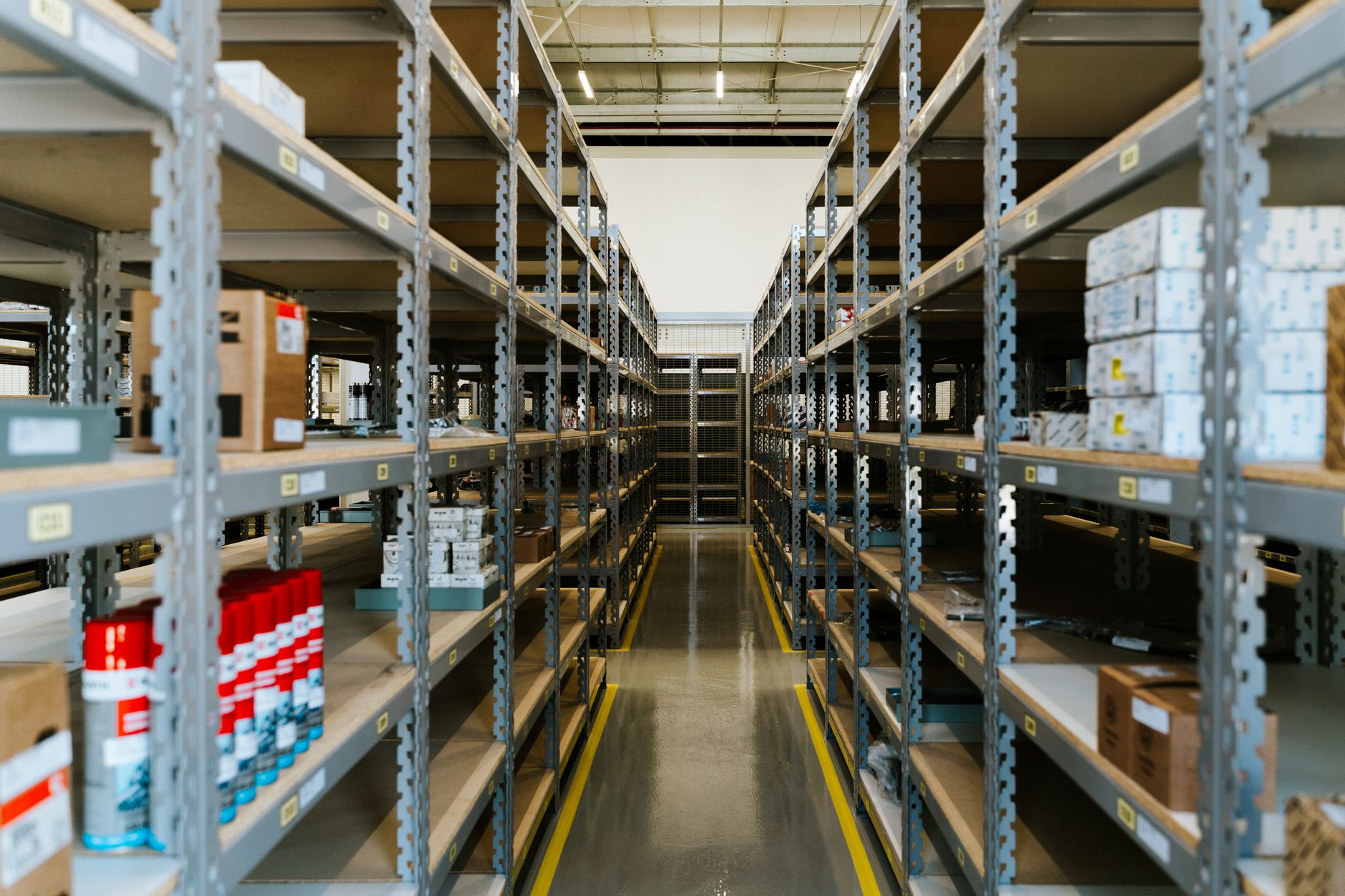
A robotic sweeper is built to handle debris, not dirt. Its primary function is to collect dry materials ranging from fine dust to larger items like wood shavings, leaves, and litter. They are the workhorses of industrial and transitional spaces.
Using a system of rotating brushes, sweepers move debris into a collection hopper for easy disposal. Unlike a simple push broom, which can kick fine particles into the air, industrial floor sweepers often incorporate vacuum systems and filters to ensure dust is captured, not just redistributed.
Sweepers are the go-to choice for warehouses, manufacturing plants, distribution centers, and parking garages. These environments contend with dust from raw materials and packaging, as well as larger debris tracked in from outdoors or generated by operations. For these applications, a warehouse cleaning robot rental can provide the needed power without a large capital expense.
Where Do Robotic Vacuums Fit In?
Autonomous commercial vacuums are specialists in soft flooring. While some models can handle hard surfaces, their true strength lies in cleaning carpeted areas by pulling fine, embedded particles from the fibers.
They rely on a combination of brush agitation and powerful suction to lift dust, allergens, and small debris. Commercial models are engineered for much larger areas and longer run times than their residential counterparts. They are also designed to be quieter, making them suitable for occupied environments.
These robots are indispensable in hotels, office buildings, airports, and convention centers where large tracts of carpet need daily maintenance. A commercial carpet cleaning robot can run during off-hours or even discreetly during the day, maintaining a high standard of cleanliness and improving indoor air quality.
How Does Your Debris Profile Determine Your Robot?
Let's move beyond floor type and focus on the mess itself. The physical characteristics of what you are cleaning will steer you toward the right technology.
For liquid or sticky spills, caked-on mud, or greasy films, a scrubber is the only effective choice. Its wet cleaning process is designed to dissolve and remove these types of messes.
For loose, dry materials like sand, gravel, metal shavings, or packing debris, a sweeper is the correct machine. Its mechanical brushes are built to handle heavier, bulkier items that would clog a vacuum or contaminate a scrubber's water system.
For fine dust, hair, and other lightweight particulates, especially in carpets, a vacuum is necessary. Its suction is required to lift and capture these particles effectively. While a sweeper can manage dust on hard floors, a vacuum is superior for soft surfaces.
Can One Machine Handle Everything?
Some facilities have mixed needs, which has led to the development of hybrid machines, often called sweeper-scrubbers. These units combine the functions of both, typically by sweeping up dry debris just ahead of the scrubbing brushes.
These combination machines can be an excellent option for facilities that need both functions but may not have the budget or storage space for two separate robots. They are common in environments like light manufacturing or retail spaces with polished concrete floors that see both dust and grimy foot traffic.
However, there are tradeoffs. A combination unit may have a smaller hopper capacity than a dedicated sweeper or smaller water tanks than a dedicated scrubber. For facilities with extreme needs on one end of the spectrum, like a lumber yard with heavy wood debris or a hospital requiring intensive sanitation, a specialized machine remains the better choice.
Finding the Right Fit with a True Partner
Choosing the right robot is a critical operational decision. This is where partnering with a vendor-neutral robot integrator like Service Robot Co. makes a tangible difference. Because we are not tied to any single manufacturer, our only goal is to find the robot that fits your floor, your debris, and your budget.
Our process begins with a free site assessment to analyze your facility's unique challenges. We then recommend the best machine for the job, whether it's an autonomous scrubber rental for a grocery store or a sweeper for a large warehouse.
But our work does not end there. As a full-service integrator, we handle every step: financing and deployment, staff training, and ongoing service through our nationwide network of engineers. You get one partner and one number to call for the entire lifecycle of your automation program. This turnkey robot deployment model ensures you get the benefits of automation without the complexities of managing the technology yourself.
How Does Facility Size and Layout Matter?
The physical dimensions and complexity of your space also play a role. A small, cluttered machine shop has very different needs than a 500,000-square-foot distribution center.
For large, open areas like those in logistics, large facility coverage is paramount. This requires robots with long battery life, large water tanks or debris hoppers, and efficient mapping technology to clean for hours without intervention. Fleet management software, which allows you to monitor multiple units from a single dashboard, becomes essential.
In smaller or more complex environments, like a car dealership showroom or a busy hospital wing, a more compact and maneuverable robot is needed. These machines must have advanced sensors and navigation to work safely around staff, customers, and changing obstacles. This is where an expert site assessment is key to matching the robot's capabilities to the environment's demands.
Automation as a Response to Labor Challenges
The commercial cleaning industry has long faced high employee turnover, with some estimates putting it at 200% or more. Recent years have seen this challenge intensify into a persistent labor shortage, where finding and retaining staff is a primary business obstacle.
Autonomous cleaning robots directly address this issue. They handle the most repetitive and physically demanding floor care tasks, freeing up your valuable human staff to focus on higher-value duties. This can include detailed sanitation, restroom cleaning, or customer-facing tasks.
This is not about replacing people, but about optimizing labor. By automating the monotonous work of cleaning large floors, you can create more engaging roles for your team, which aids retention. A robotic floor cleaner is often cheaper than paying for unfilled shifts and the high costs associated with constant recruitment and training.