Key takeaways
- Security robots perceive their environment through a suite of advanced sensors, not just cameras.
- LiDAR creates detailed 3D maps for navigation and can detect intruders in any lighting condition.
- Thermal cameras are exceptionally effective at detecting trespassers in complete darkness by sensing body heat.
- Sensor fusion combines data from multiple sources to provide a more accurate, reliable, and actionable security picture.
- A vendor-neutral integrator helps select a robot with the right sensor package for a facility's specific threats.
The Core Question: What Do Security Robots Actually Perceive?
Modern security robots perceive far more than the human eye ever could. While we often think of them as mobile cameras, their true power comes from a sophisticated suite of sensors working together to see, measure, and even 'smell' the environment around them.
This multi-sensory approach gives an autonomous patrol robot a superhuman level of awareness that operates continuously, day or night, without fatigue or distraction. They are not just recording events; they are actively detecting anomalies that signal a potential threat, from an intruder in the dark to a critical equipment failure.
By understanding what each type of sensor does, you can begin to see how these machines build a comprehensive and reliable picture of your facility's security status, moment by moment.
How Do High-Definition Cameras Serve Patrol Robots?
The most familiar sensor is the high-definition camera, which serves as the robot's primary tool for visual verification. These are not simple webcams; they are powerful optical instruments capable of capturing crisp, clear footage under a variety of conditions.
With advanced optics, these cameras can read license plates from a distance, provide clear imagery of individuals for identification, and record high-resolution video that can serve as critical evidence. When an alert is triggered by another sensor, the camera is what allows a human operator to visually confirm the threat.
Modern security platforms integrate artificial intelligence with the video feed. According to a 2026 report from SDM Magazine, AI is transforming surveillance from a reactive to a proactive tool. This means the robot's onboard system can be trained to recognize the difference between people and vehicles, detect a person loitering in a restricted area, or flag an object that has been left behind.
What is LiDAR and How Does It Guide a Robot?
LiDAR, which stands for Light Detection and Ranging, is a foundational technology for autonomous navigation and security. It works by emitting pulses of laser light and measuring how long they take to reflect off surrounding objects. This process creates a precise, real-time 3D map of the environment.
This detailed map is the primary way an autonomous mobile robot navigates complex spaces like a warehouse or parking structure, avoiding obstacles with incredible accuracy. For security, LiDAR is a powerful detection tool. It can establish a virtual perimeter and instantly detect if that boundary is crossed by a person or vehicle.
A key advantage of LiDAR is its immunity to lighting conditions. It functions identically in bright sunlight and complete darkness, making it highly reliable for after-hours patrols. Its ability to sometimes penetrate visual obstructions like foliage gives it an edge over standard cameras in certain scenarios.
Why Are Thermal Cameras a Security Game-Changer?
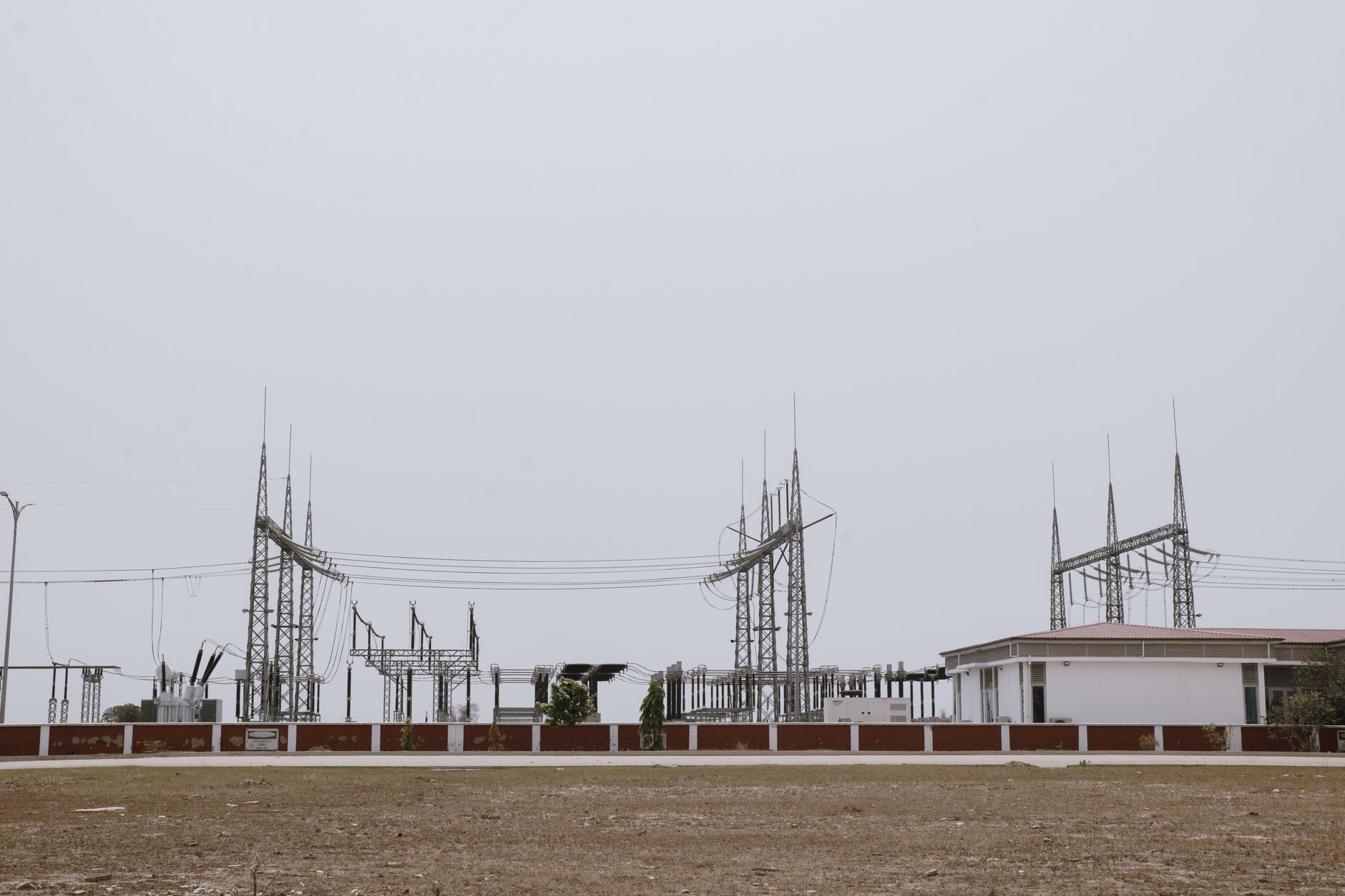
Thermal cameras add a completely different dimension to a robot's perception. Instead of detecting visible light, they detect heat signatures. This allows them to create a clear image based on the temperature differences between an object and its surroundings, offering 24/7 intrusion detection.
This capability is a game-changer for perimeter security. A person trying to hide in shadows, behind bushes, or in fog will be clearly visible to a thermal camera as a distinct heat signature. It effectively eliminates the cover of darkness that intruders rely on.
Beyond intrusion detection, thermal cameras are also valuable for asset protection. They can identify overheating machinery or electrical components, providing an early warning of a potential fire hazard long before smoke might be visible. This makes them a dual-use tool for both security and operational safety.
Can Security Robots Hear or Smell Trouble?
Advanced security robots can be equipped with sensors that go beyond sight. Acoustic and environmental sensors provide another layer of data, allowing a robot to respond to audible cues or changes in air quality.
Acoustic sensors can be programmed to detect specific sound patterns. This includes the frequency of breaking glass, shouting, or even specific keywords. When a recognized sound is detected, the robot can turn its other sensors toward the source and send an alert.
Environmental sensors monitor factors like air quality, temperature, and humidity. More specialized units can detect harmful agents like carbon monoxide, natural gas, or other chemical fumes. For industrial facilities or manufacturing plants, this capability allows a security robot to double as a safety and environmental monitor.
How Does Sensor Fusion Create a Complete Picture?
The true intelligence of a security robot comes from sensor fusion. This is the process of combining data from all its individual sensors to create a single, more accurate, and more reliable understanding of its environment. Combining inputs improves perception and enables more informed, adaptive behaviors.
For example, a thermal sensor might detect a heat signature near a fence line. This data point alone could be an animal. But through sensor fusion, the system cross-references this with LiDAR data showing an object of human size and shape, and directs the high-definition camera to confirm a person is present.
This multi-layered verification process dramatically reduces false alarms, which is a major advantage over single-sensor systems. By validating information across different sensor types, the robot sends higher-quality, actionable alerts to the security team, ensuring they only respond to genuine threats.
Matching Sensors to Your Facility's Unique Threats
Not every facility needs every sensor. The key to a successful security robot deployment is matching the technology to the specific risks of the environment. A logistics depot has different challenges than a corporate campus, and a hospital has different needs than a car dealership.
This is the core value a vendor-neutral robot integrator provides. At Service Robot Co., we are not committed to a single manufacturer's technology. Our process begins with a free site assessment to understand your operational needs and security vulnerabilities. We analyze your environment, from lighting conditions to perimeter length to specific asset risks.
Based on that analysis, we recommend an autonomous patrol robot with the right sensor package. Whether you need advanced thermal imaging for a dark storage yard or specialized environmental sensors for a manufacturing plant robot rental, we select the best-fit machine. As a full-service partner, we then manage the entire robot deployment and integration, ensuring it works for you from day one.
Ensuring a Robot's Senses Are Always Sharp
Advanced sensors are only effective if they are properly maintained. A dirty camera lens, a smudged thermal imager, or a misaligned LiDAR unit can compromise the reliability of the entire system. Consistent upkeep and calibration are non-negotiable for mission-critical security.
This is why ongoing support is a crucial part of any robotics program. Our Robot as a Service (RaaS) monthly subscription model is designed to deliver performance, not just hardware. Every agreement includes a comprehensive robot maintenance service plan carried out by our nationwide US engineer network.
Through remote triage and rapid on-site dispatch, we ensure your robot's sensors are always functioning at peak performance. For businesses that require absolute continuity, our backup robot program and zero downtime guarantee provide an unmatched level of operational assurance. With one partner and one number to call, you can trust that your robotic security team is always on alert.