Key takeaways
- After-hours quarries lose diesel, copper, and tools when perimeter coverage is thin, not when crushers stop.
- Patrol robots fit graded haul roads if you plan dust, loose stone, and radio dead zones before the first route.
- Thermal and camera alerts only help when escalation rules name who answers at 2 a.m.
- A vendor-neutral integrator can align patrol units with existing cameras, LPR, and guard tours.
Why do aggregate pits need security robots after the last shift leaves?
When the scale house closes and haul trucks park for the night, an aggregate quarry does not go quiet in the ways owners wish it would. Fuel islands, laydown yards, and remote property lines stay exposed. Thieves target diesel, batteries, copper wiring, and small tools because those items move fast and machines sit idle until the next startup.
Fixed cameras help, but a recorder nobody watches still turns a 2 a.m. fuel siphon into a morning surprise. Autonomous security patrol robot rental programs let operators add mobile rounds where trenching power lines is impractical and where a human guard cannot cover every grade change on a hundred-acre site.
According to the International Federation of Robotics, global shipments of professional service robots rose 24 percent to almost 250,000 units in 2025. That growth includes more outdoor patrol platforms aimed at industrial yards that never had enough night staff to begin with.
What actually gets stolen or damaged on quarry sites overnight?
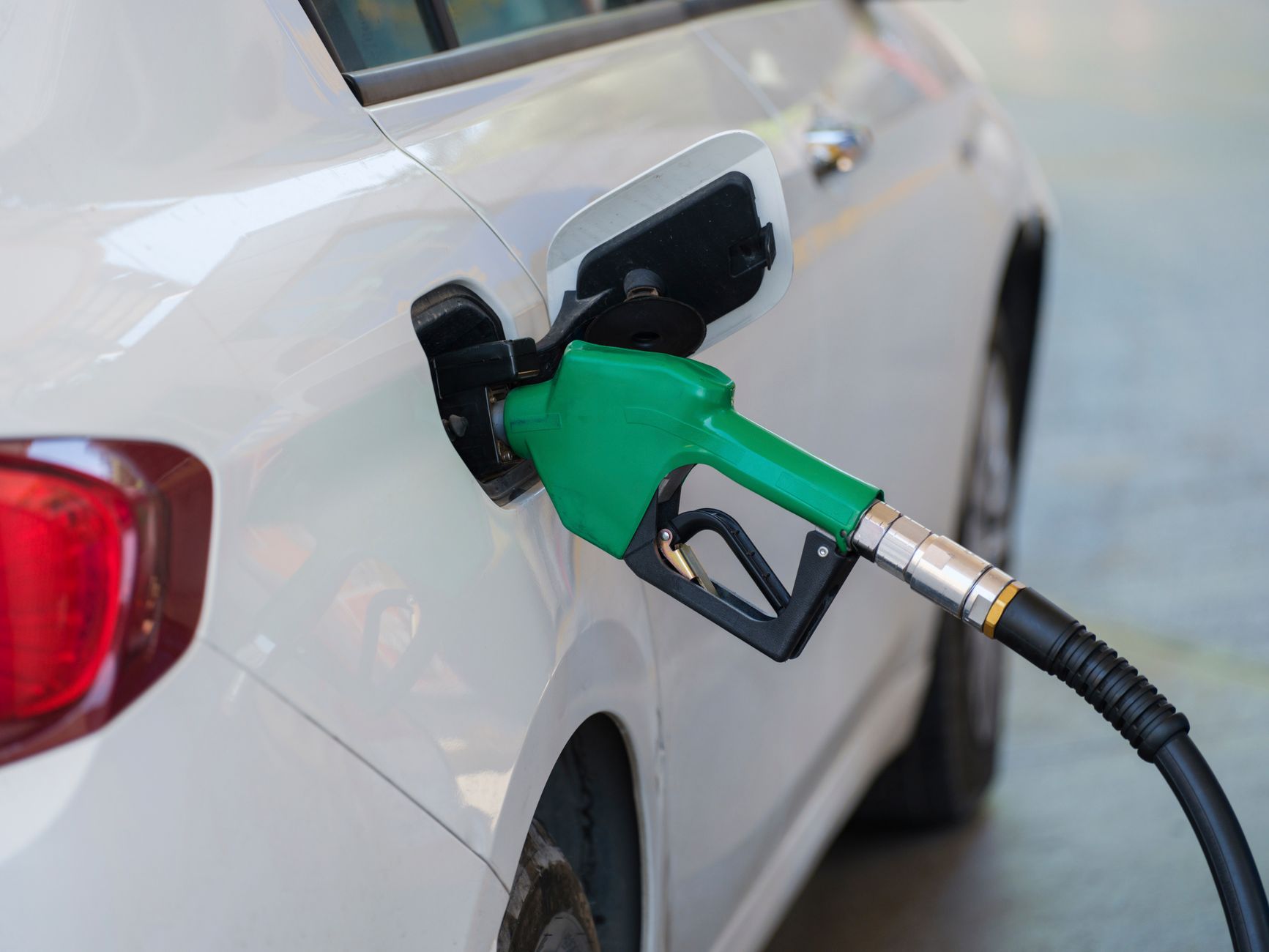
Diesel and stored fuel lead the loss list because tanks sit near open haul roads with few witnesses. Copper and hydraulic parts stripped from parked loaders show up in the same incident reports as missing attachments and stockpiled aggregate walked off in small loads.
Trespass brings a different risk. Deep pits, high walls, and water hazards turn joyriding and unauthorized entry into liability events, not just property crimes. In July 2025, deputies in Greenbrier County, West Virginia, charged a man after overnight security footage showed tampering with a vehicle at Appalachian Aggregates between 1:30 and 2 a.m., according to the West Virginia Daily News.
The Mineral Products Association runs the Safe Quarry theft and vandalism reporting system so operators can share incident patterns across the industry. Even without publishing a single national total, those reports show repeat themes: fuel, equipment parts, and after-hours entry at unsecured gates.
Where should patrol routes run on a working quarry?
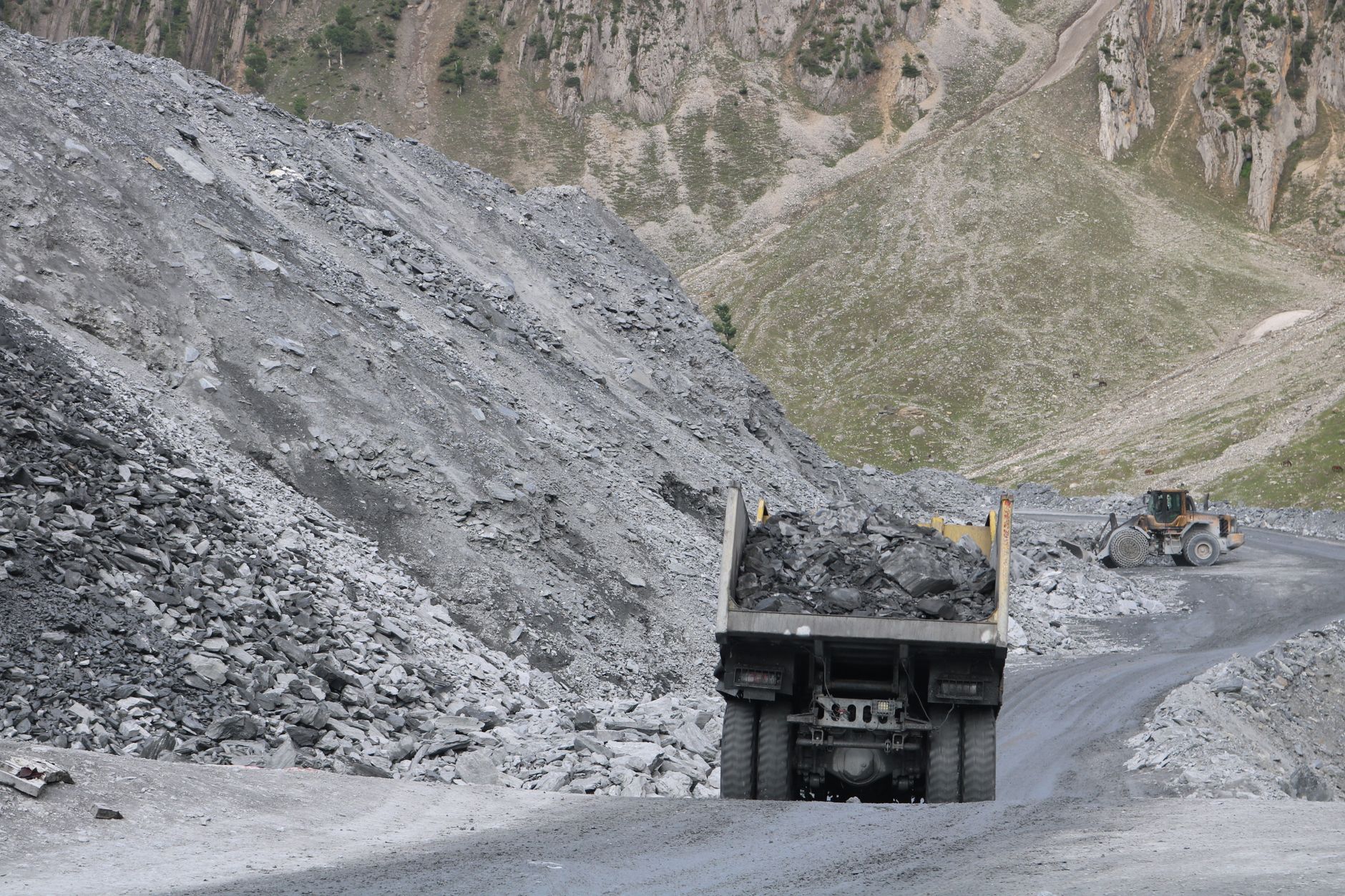
Most producers cannot fence an entire pit. Haul roads, stockpiles, and moving faces change weekly. Practical coverage concentrates on the entrance and scale house, the equipment laydown yard, fuel storage, and the property lines where county roads meet your lease.
A patrol robot should repeat the same checkpoints guards would walk if you had enough people: gate position, fuel island valves, rows of idle haul trucks, and the crusher feed area when it is accessible without crossing active high-wall setbacks.
Map routes in daylight first. Note where loose stone, berms, and washouts force a slow pass or a turn-around. Mark zones where the robot should pause for a panoramic scan instead of driving through blind corners at full speed.
- Entrance gate and scale house approach
- Fuel island and diesel storage berms
- Laydown yard with parked loaders and attachments
- Remote boundary lines along public roads
- Crusher and plant perimeter when not under active blast exclusion
How do dust, grades, and loose stone affect robot traction?
Quarry floors are not warehouse floors. Fine dust packs into tire treads and lidar windows. Grades on haul ramps test braking distance after rain. Loose aggregate shifts under weight, which means route speeds should stay conservative and stopping distances need field validation, not brochure numbers.
Outdoor autonomous patrol units built for industrial sites usually combine lidar, cameras, and inertial sensing. Dust calls for scheduled lens cleaning and air-filter checks on the drive unit. Loose stone calls for exclusion zones where the robot stops and scans instead of crossing unstable berms.
Run a two-week pilot on dry and wet days before you declare a route production ready. Log every slip, every false stop, and every manual recovery. Those notes become the standard operating procedure night crews actually follow.
What happens when radios drop out in the pit?
Cellular coverage fails in cuts and behind high walls. Wi-Fi from the plant office rarely reaches the back property line. A patrol robot that loses link should behave predictably: finish a safe stop, hold position, and retry on a defined schedule rather than roaming blindly.
Plan mesh or repeater placement at elevated points near the plant and along the main haul spine. Store route maps and alert rules on the robot so local autonomy continues when the link is thin. Document who gets paged when the unit enters a comms-degraded mode so operators do not assume silence means all clear.
Integration with existing camera VMS feeds can backhaul alerts on separate paths. The goal is redundant notice, not a single fragile pipe that dies when one tower is shadowed.
How should thermal sensing and alarms escalate?
Thermal cameras help spot people near fuel storage or warm engines that should be cold after shutdown. They also generate false positives from retained heat in equipment and from wildlife. Tuning detection zones matters more here than buying the highest resolution sensor on the sheet.
Write escalation tiers before go-live. Tier one might be a spoken warning on the robot speaker when motion is confirmed in the fuel island. Tier two notifies an on-call supervisor with clip and GPS. Tier three calls law enforcement only when a human reviewer or redundant sensor confirms intrusion, not when a plastic tarp flaps.
Pair patrol alerts with license plate logs at the entrance when you have them. Time-stamped entry records turn a vague trespass call into a searchable lead for deputies, the same way the Greenbrier County case relied on overnight footage and a later arrest near the highway.

How do patrol robots work with cameras and guard staff?
Robots should extend guard tours, not replace every human decision. Fixed cameras watch choke points. Mobile patrol fills gaps between poles and catches movement in stockpile basins where mounting a pole is impossible this quarter.
Send patrol metadata into the same incident log guards already use. When a guard arrives on site, they should see which checkpoint triggered, what the robot saw, and whether audio warnings already played. That handoff cuts duplicate responses and keeps guards focused on verification, not on walking miles of haul road from memory.
Service Robot Co. deploys vendor-neutral patrol platforms, integrates alerts with your existing tools where APIs allow, and trains night staff on when to trust an autonomous round versus when to roll a truck. Financing and nationwide service sit in the same contract so you are not juggling six vendors for one pit.
What should a quarry pilot prove in the first 60 nights?
Count verified intrusions, near-miss fuel access, and comms drops separately. A good pilot shows fewer unchecked gate openings, faster notice to on-call staff, and zero unplanned drives into exclusion zones.
Track maintenance minutes per week for dust cleaning and tire inspection. If upkeep eats the labor you saved, adjust routes or add a second smaller unit on a shorter loop.
Month-to-month autonomous patrol robot rental or robot as a service contracts let you stop after a season if the business case fails. A free site assessment should produce a marked map, not a generic slide deck, before you sign.
- Median minutes from alert to human acknowledgement
- False alarm rate per week after zone tuning
- Route completion percentage on wet nights
- Fuel island checks completed versus scheduled
- Integration tickets closed with guard desk and VMS