
Key takeaways
- Patrol robots fit best on boat lots with outdoor inventory, overnight bay activity, and blind spots between fixed cameras.
- Lighting, glare, trailer movement, and weather matter more than acreage alone when you judge real-world fit.
- The strongest programs use the robot as a mobile layer on top of cameras, gates, lighting, and human response.
- A pilot should prove alert quality, weather uptime, and service-bay coverage before a multi-site rollout.
Are patrol robots a real fit here?
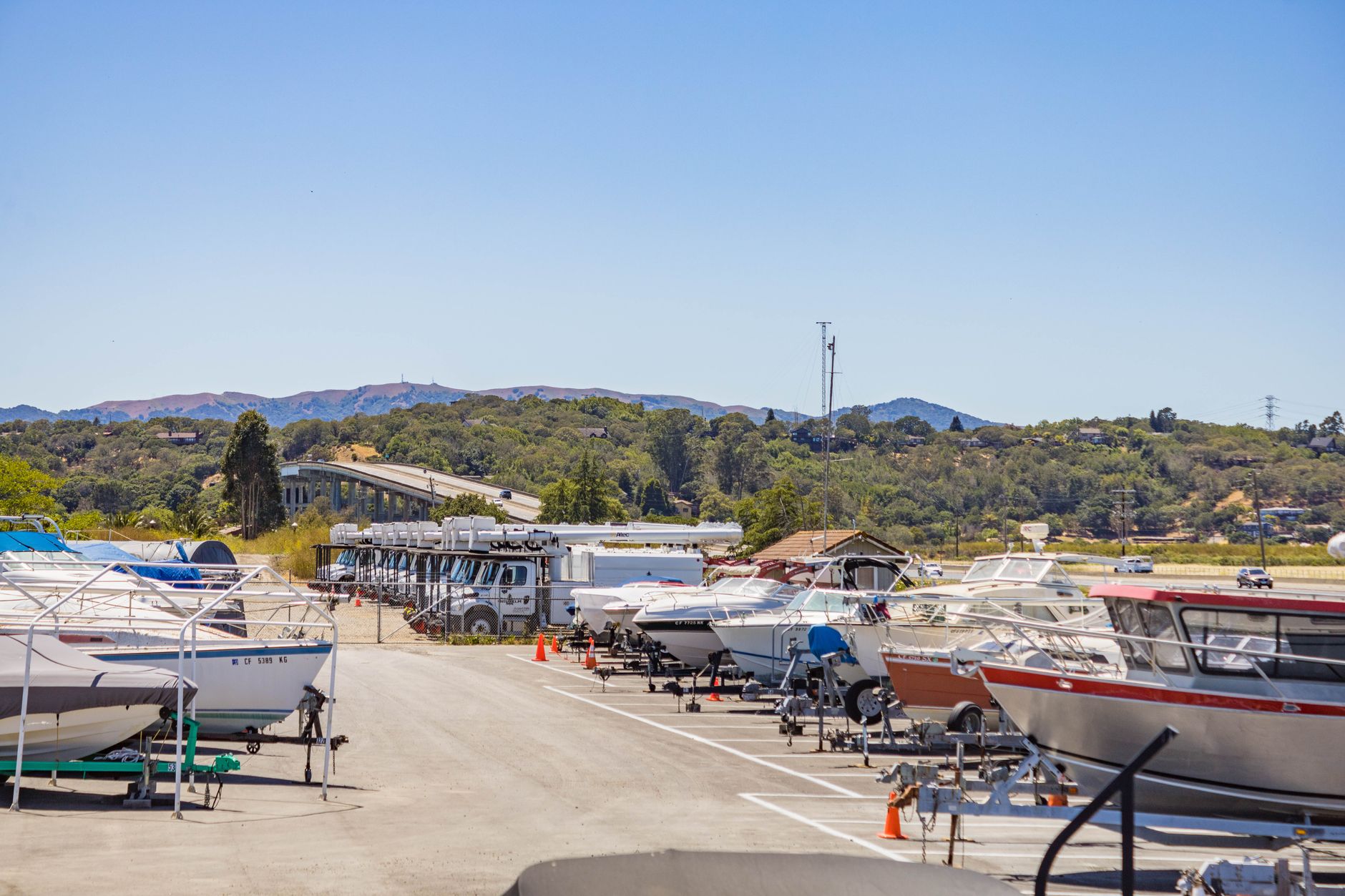
Security robots can be a very good fit for boat dealer lots and service yards, but only when the site is treated as an outdoor asset-protection program instead of a gadget purchase. They work best on properties with long perimeter runs, rows of high-value boats stored outside, and overnight activity around service bays where fixed cameras leave blind spots. The robot becomes a mobile set of eyes for scheduled patrols, exception checks, and documented rounds.
The case is stronger than it first appears. In June 2026, the National Marine Manufacturers Association said the US recreational boat market recorded 220,397 new powerboats sold in 2025, and boat trailer sales reached 198,452 units. In August 2026, the National Insurance Crime Bureau reported 58,957 recreational vehicles, including watercraft, stolen in 2025, and about 63 percent remained unrecovered. Dealers storing towable inventory outdoors have a real reason to tighten overnight visibility.
What makes a boat lot different from a normal parking lot?
A boat yard is visually messy in a very specific way. You have glossy hulls, polished metal, wrap film, stacked trailers, outboards, dock boxes, forklifts, and odd geometry everywhere. Service areas add doors that open after hours, technicians who move trailers late, and staging zones that shift with the work queue. A patrol route that is perfectly quiet on Tuesday can look completely different on Friday night.
Risk also sits in the paperwork, not just the pavement. Boats arrive with keys, trailer couplers, removable electronics, service tags, and customer pickup schedules that change daily. The real question is not only theft. It is undocumented movement, after-hours access, storm prep checks, and whether someone can verify what was parked where before the morning crew arrives.
How much light does the robot need after close?
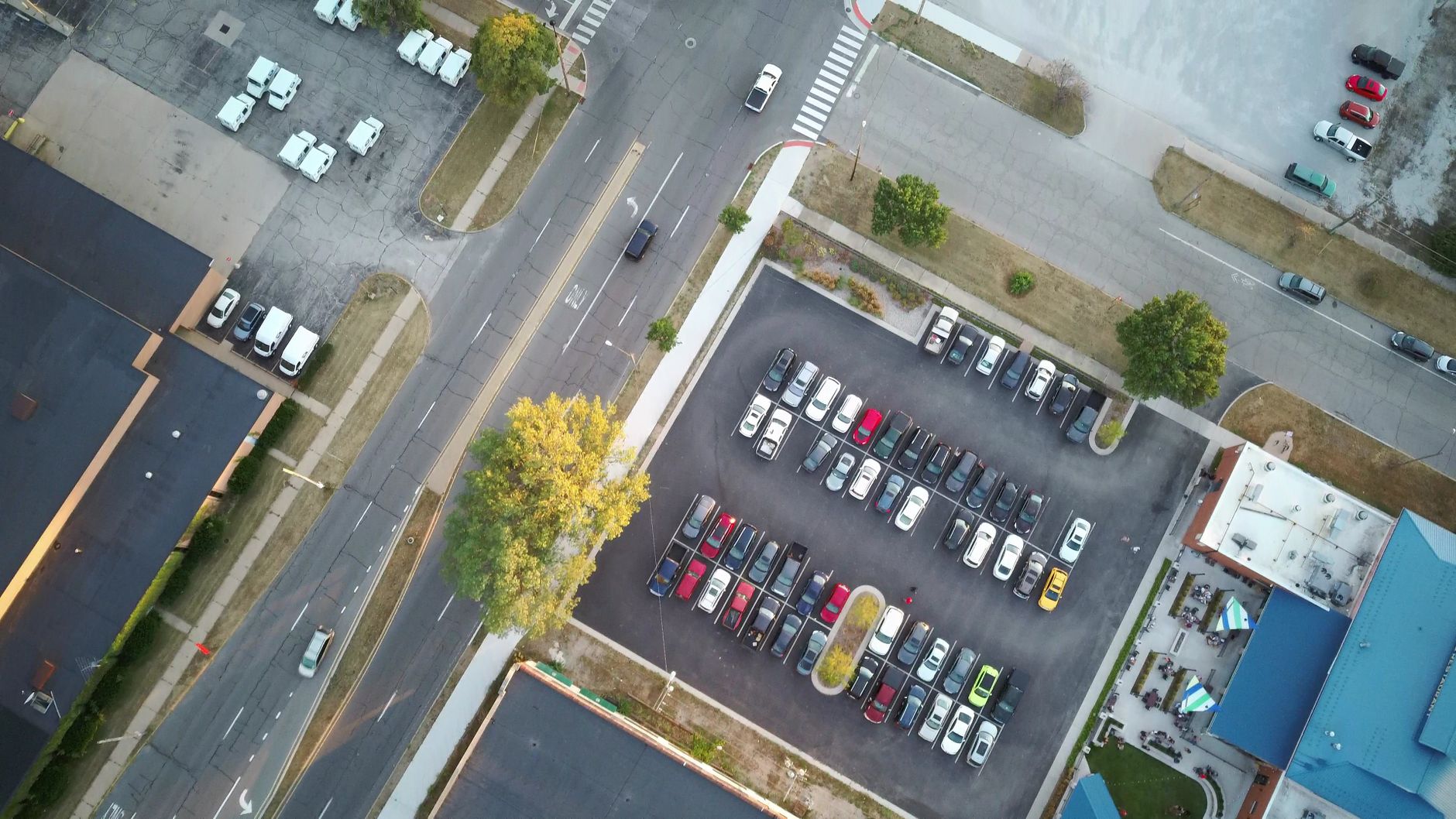
More than many dealers expect, although not necessarily stadium-bright light across every acre. A patrol robot can navigate in dim conditions with the right sensor stack, but useful security evidence still depends on clear scene context. If you want a clip that shows which trailer moved, which bay door opened, or which truck entered the back fence line, the site needs consistent light at choke points, service aprons, gate lanes, and cross aisles.
Boat inventory makes lighting trickier than standard vehicle storage. White gelcoat, chrome, stainless rails, windshields, and shrink wrap throw glare back into cameras. Wet pavement does the same after rain or washdown. The fix is rarely more poles alone. It is better aiming, fewer hot spots, smarter route timing, and alert rules that treat backlit silhouettes and reflected headlamps as common conditions rather than suspicious events by default.
Do reflective hulls and moving trailers create false alarms?
They can, and that is why route design matters more than vendor brochures. Reflective surfaces create glare blooms, confusing shadows, and duplicate shapes when a robot views a hull line at an oblique angle. Trailers add another problem. The asset itself moves on its own wheels, often to a different stall, and sometimes just enough to trigger a comparison alert without any real security event behind it.
The answer is operational discipline. CISA recommends a layered approach to security and calls out traffic-management principles in its vehicle incident guidance. NICB boat-theft guidance still emphasizes trailer hitch locks and well-lit fenced storage. On a boat lot, the robot should reinforce that layered setup with route windows, geofenced tow paths, bay-door exception logic, and clear rules for what counts as expected movement. A patrol robot should not be guessing during receiving, prep, or late service handoff windows.
- Define approved trailer-move windows and suppress comparison alerts during those windows.
- Map dedicated tow paths so the robot treats crossing traffic as routine in those corridors.
- Create high-priority alert zones around key rings, service bay doors, fuel cages, and back-fence gates.
- Require image-review rules for alerts triggered by wrap film, wet-glare bursts, or partially covered boats.
Can outdoor patrols hold up in weather and salt air?
They can, but boat dealers should be more skeptical here than indoor buyers. NOAA counted 27 US weather and climate disasters topping 1 billion dollars each in 2024, with 182.7 billion dollars in total losses, and said 2024 was the warmest year on record for the contiguous US. Outdoor patrol hardware now lives in a harsher operating envelope than many buyers assume, especially on coastal lots, Gulf sites, and hurricane-prone corridors.
Exposure is not just about a dramatic storm. It is heat soak on blacktop, standing water after a thunderstorm, wind-driven grit, salt air on connectors, and overnight condensation on lenses. For robot deployment and integration, that pushes attention toward enclosure rating, traction on sloped wet asphalt, sheltered charging, drainage-aware routes, and storm-response SOPs more than brochure range numbers.
How should the robot work with existing cameras?
Fixed cameras and patrol robots are strongest together. Cameras watch persistent choke points. The robot handles the gaps between them, confirms whether an alert is real, and gives the security team a mobile viewpoint without sending a person to every noise, motion hit, or gate anomaly. This is especially useful on lots where boats block sight lines and where one service yard camera can see only the lane, not the far side of the parked inventory.
Integration is easier when the camera stack already speaks common standards. ONVIF said in January 2026 that its conformant ecosystem had passed 35,000 products. ONVIF Profile T covers advanced video streaming, imaging, motion alarms, tampering events, and HTTPS. ONVIF Profile M covers metadata and events for analytics such as vehicle and license-plate information. In practice, that gives an autonomous patrol robot a much cleaner path into an existing video management system, event queue, and camera archive.
Where does Service Robot Co. actually help?
This is the part many dealers underestimate. A patrol robot on a boat lot is not only a machine-selection exercise. It is site assessment mapping, lighting review, network design, route tuning, alert-threshold work, camera integration, staff training, and field service after the first storm and the first false-alarm cluster. That is why many operators prefer one partner that can own the whole lifecycle. It is the difference between turnkey robot deployment and a pilot that stalls after the first lot reshuffle.
Service Robot Co. is built for that role. The company is a full-service commercial robot integrator for US businesses and stays OEM-neutral, selecting the right robots across manufacturers, then financing, deploying, integrating, training, and servicing every unit through a nationwide US engineer network. For a dealer evaluating a security patrol robot lease, or purchase or lease path, that means one vendor for the whole lifecycle and one number to call when the lot changes.
What should a smart pilot prove before rollout?
A good pilot should prove more than that the robot can drive around the property. It should show that alerts improve, that overnight checks around service bays become more consistent, and that the robot reduces wasted review time from static cameras. Dealers should test normal nights, rain nights, trailer moves, late technician activity, and close-open handoffs. If the robot only performs on a clean empty lot, it is not ready for this use case.
The cleanest buying path is usually a commercial robot demo followed by a robot pilot program with written success criteria. Measure alert quality, documented patrol completion, incident response workflow, post-weather uptime, and how well the machine hands video back to your existing camera system. For dealers that want no upfront capital or prefer a robot financing for small business structure, a security patrol robot lease or month to month robot lease can be the practical way to validate fit before expanding across multiple stores.