Key takeaways
- FEMA FY 2025 Intercity Bus Security Grant Program provides 1.8 million dollars for operator security improvements.
- Mobile patrol supplements fixed cameras when crowds shift between halls, platforms, and curbside pickup.
- Abandoned-bag protocols need human verification; robots supply timestamps and wide-angle context first.
- Accessibility routes and tactile strips demand slower patrol speeds and named checkpoints, not one blind motion field.
- Security patrol robot rental monthly paths let you prove indoor-outdoor loops before a grant-funded capital buy.
Why do bus terminals need patrol beyond fixed cameras?
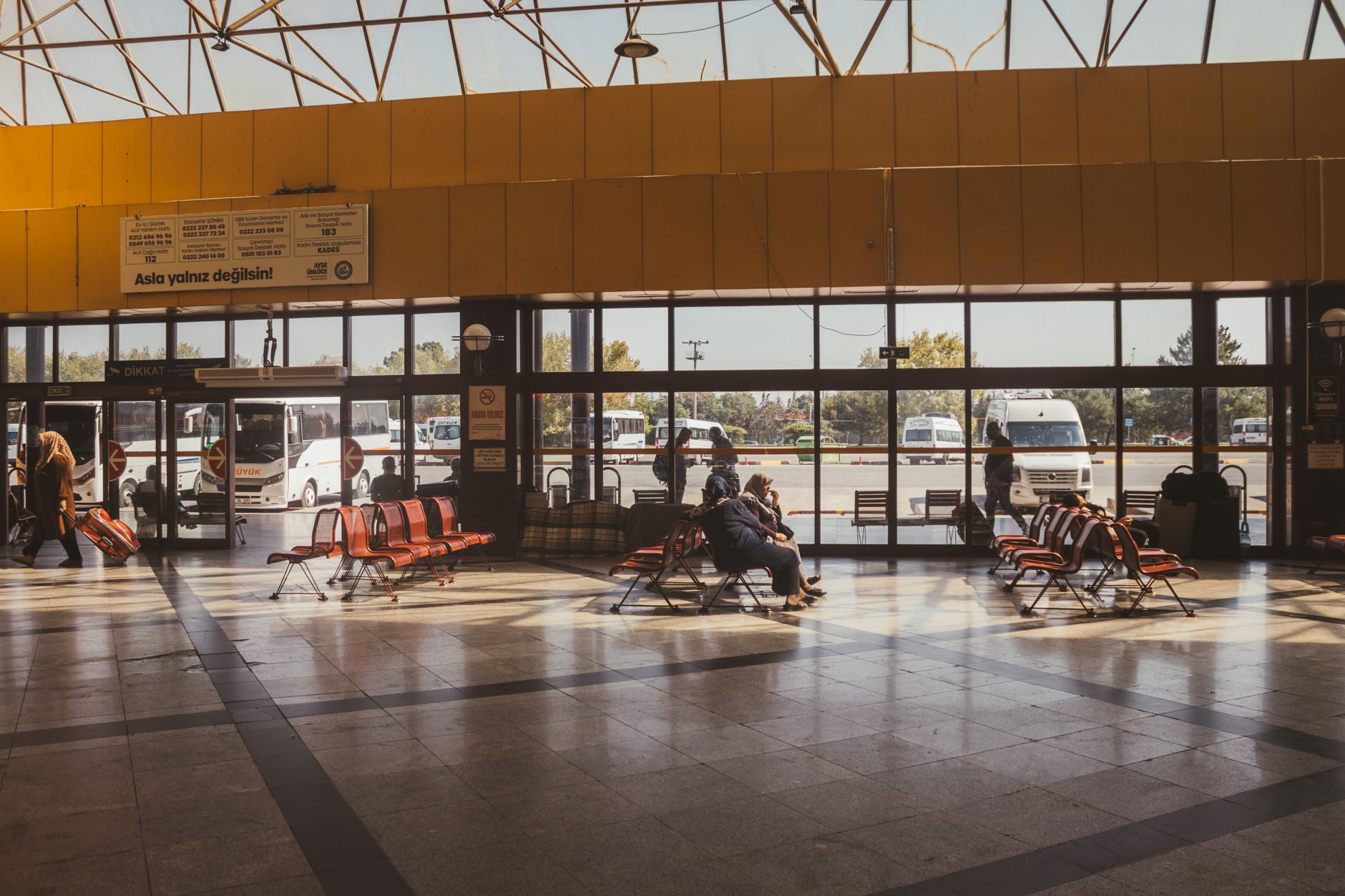
A commercial bus terminal mixes indoor waiting halls, ticket counters, baggage claim zones, and outdoor platform aprons in one public building. Passenger flows spike before holiday departures and again when multiple coaches arrive within minutes. A camera above the ticket line sees the queue, not the bench row where a bag sits unattended for twenty minutes.
According to FEMA, the fiscal year 2025 Intercity Bus Security Grant Program provides 1.8 million dollars to help operators protect travelers and infrastructure from terrorism. Federal grant language often lists cameras and monitoring as eligible investments. Mobile patrol can extend that coverage between fixed mounts.
Autonomous patrol robots carry cameras, lights, and two-way audio on a mapped loop through those zones. They supplement guards and police. They do not replace bomb squads, K9 teams, or a manager who can order an evacuation.
How is an intercity terminal different from a parking garage patrol?
Terminals must stay open to people with strollers, wheelchairs, and service animals. Your route cannot cut across tactile strips or block accessible restrooms during peak boarding.
The American Bus Association notes that since 2003 the federal Intercity Bus Security Grant Program has awarded more than 120 million dollars to the motorcoach industry. Security plans and vulnerability assessments are prerequisites for many applicants. Patrol data can feed those reviews with timestamped rounds.
Crowd density changes by the hour. A motion field tuned for 3 a.m. emptiness will scream at noon lunch lines unless you schedule zones and dwell rules by time of day.
Where should checkpoints sit inside and outside?
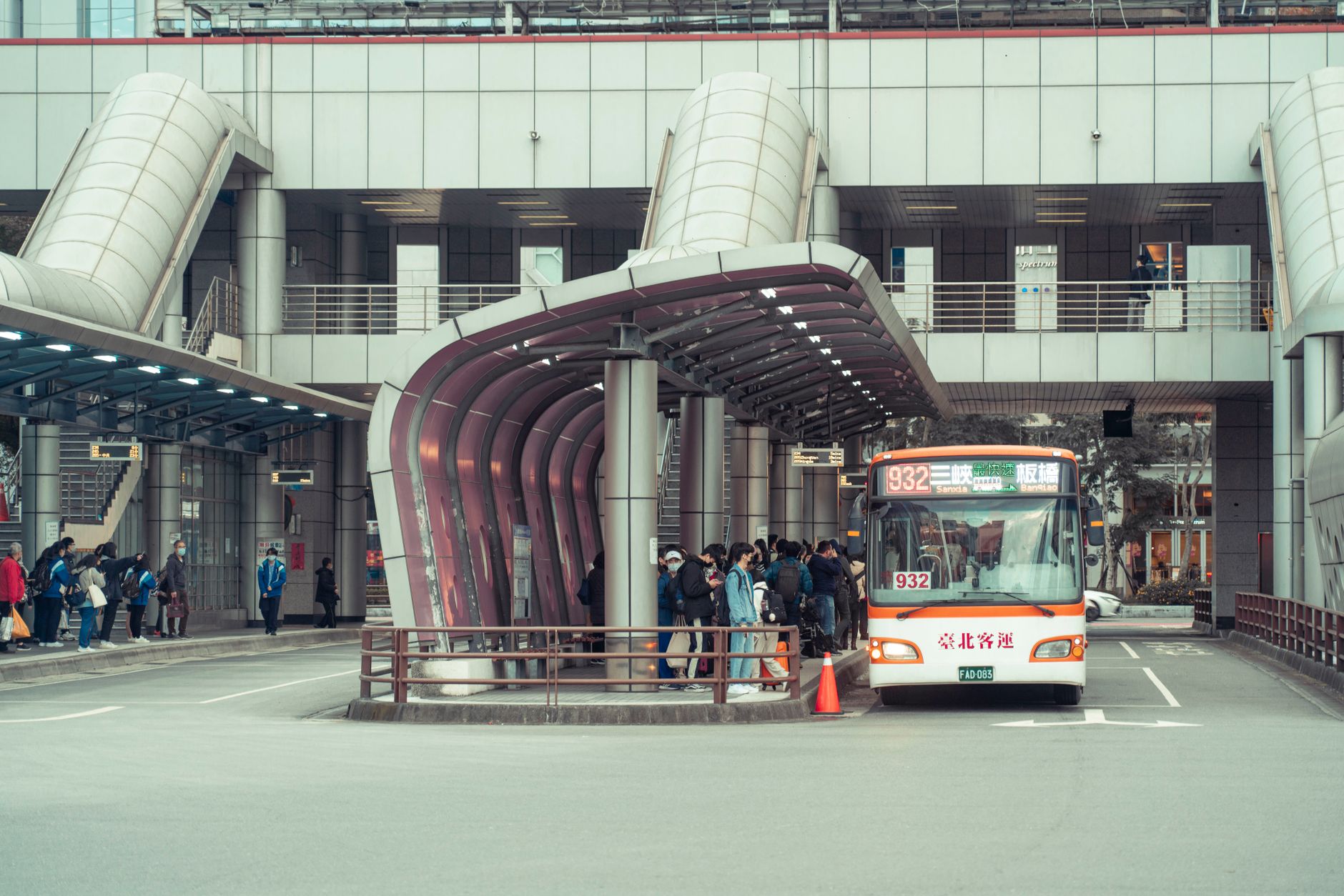
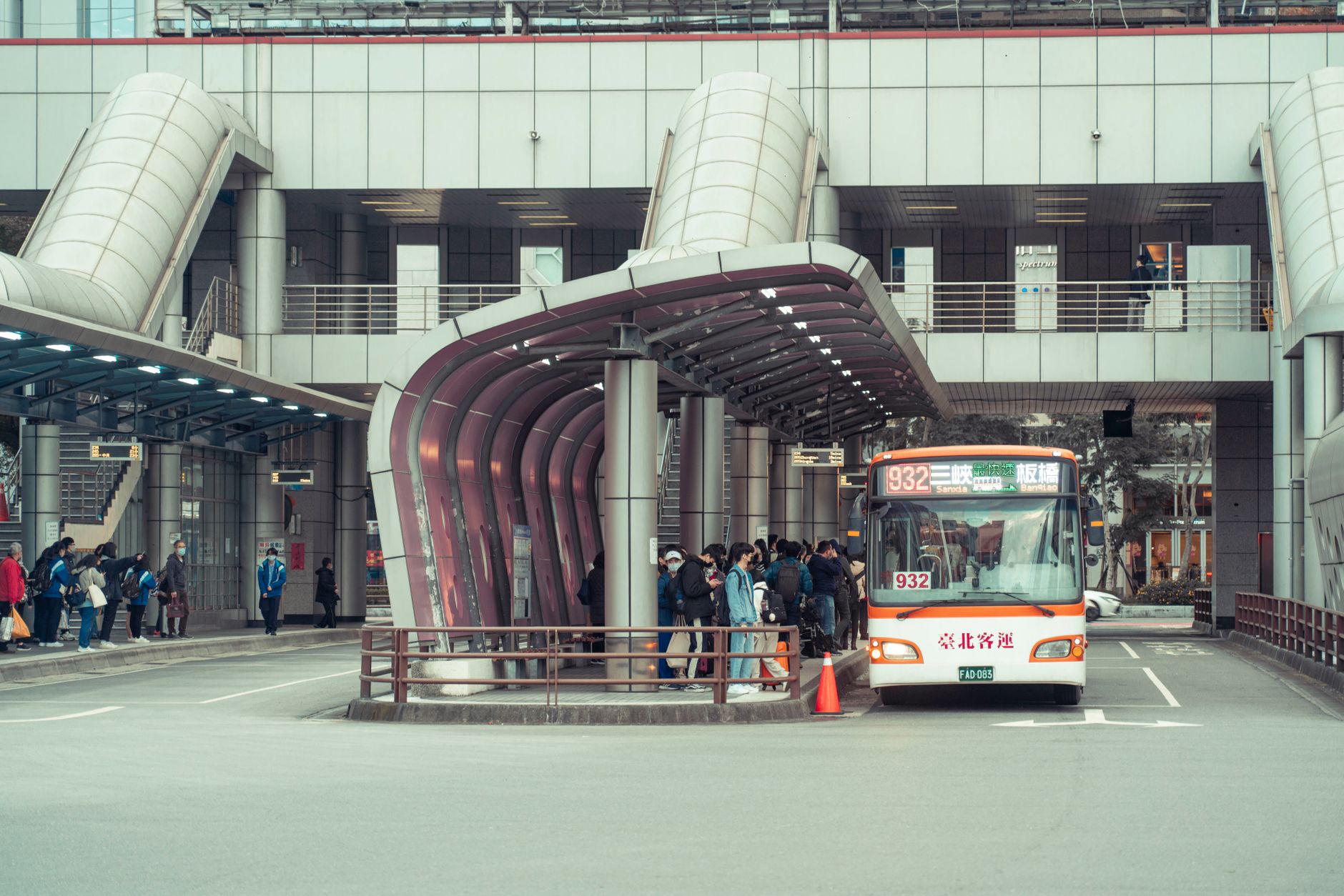
Start at the public entrance and ticket lobby. Sweep the primary waiting hall, the restroom corridor, and the baggage counter. Include the platform door, the exterior canopy, and the taxi and rideshare pickup curb.
Name each stop and hold long enough for a readable frame of seating rows and trash receptacles. Abandoned-item playbooks should require a human look before any mass announcement.
Dynamic no-go zones around maintenance pits, lift gates, and fueling areas keep the unit on the documented path when a coach blocks the lane.
- Main entrance and ticket lobby
- Primary waiting hall seating
- Baggage and parcel counter
- Platform access doors
- Exterior canopy and curb
- Operator parking and bus apron edge
How do crowds and accessibility shape robot routes?
Peak boarding compresses passengers into narrow platform gates. Slow patrol or pause routes during the ten minutes before departure, then resume when coaches roll.
Announcements and two-way audio must follow ADA expectations. Recorded warnings can direct people away from a zone while staff confirm whether a bag is a threat or a forgotten backpack.
Children and luggage clusters confuse naive motion analytics. Pair video with dwell at named stops instead of one giant motion box across the whole hall.
What abandoned-item escalation should night staff follow?
First step is observe and verify on camera, not immediate evacuation. Open the clip, compare against the last sweep, and send a uniformed employee to inspect from a safe distance.
Document every step in the same system the robot uses. TSA and local fire marshals will ask for timelines, not anecdotes.
If police request a perimeter, export clips with platform ID and camera heading so responders know which door you cleared last.
Can robots patrol both indoor halls and outdoor aprons?
Indoor-outdoor units need rated transitions for rain, salt, and temperature swings at platform doors. Test traction on wet tile where passengers shake off umbrellas.
Night patrol may be quieter but not empty. Maintenance crews and cleaning carts still move. Log after-hours access badges next to robot checkpoints when possible.
Battery swaps belong near the operator office, not on a passenger walkway. Dock placement is part of the site assessment, not an afterthought.
How should public communication work during an alert?
Coordinate recorded messages with your PA system so passengers hear one voice, not competing instructions. Robots should not bark over a live operator during an active incident.
Multilingual signage still matters. Video clips help supervisors decide whether to translate an announcement for the next departure group.
Social media rumors spread fast when someone films a robot in the hall. Train staff on a short approved statement while verification runs.
How do you coordinate with local police and fire?
Share a one-page escalation chart with non-emergency and emergency numbers, plus who can reach the on-call facility manager. Robots are evidence gatherers, not arrest teams.
Grant-funded camera projects from FEMA examples include live monitoring feeds. Ask whether your patrol clips can export into the same VMS police already view.
Run a tabletop drill with a staged unattended bag before peak travel season. Measure how long verification takes with and without the robot clip.
What does a pilot month prove?
Run one loop that touches the busiest hall and the longest exterior platform. Track completed laps, false alarms during rush hour, and charge cycles across indoor-outdoor transitions.
Security patrol robot rental monthly or lease paths with maintenance included let you test crowd tuning before capital purchase or grant drawdown.
Pilots fail when alerts go unread. Assign a human owner for every night and weekend shift.
Where does Service Robot Co. fit?
Service Robot Co. acts as a vendor-neutral integrator: select patrol hardware, finance it, map the terminal, train staff on abandoned-item etiquette, and dispatch field help through a nationwide network of regional service engineers when a wheel fails mid-season.
A free site assessment should walk the terminal during a busy departure window and again at the quietest hour. Note glare on ticket counter glass, platform wind, and door thresholds no blueprint shows.
One partner one number matters when facilities, grant writers, and local police each ask different questions the week a new carrier adds a daily departure.