Key takeaways
- Patrol robots extend eyes on working docks when fixed cameras leave blind spots between piers and gear yards.
- Salt spray, wet decking, and tidal debris demand ingress-rated hardware and tread matched to real pier surfaces.
- Low-light rounds and restricted edges need mapped geofences, not ad hoc driving on slick floats.
- Marine VHF and weak pier Wi-Fi mean you plan uplinks, edge recording, and escalation before the first night shift.
- A vendor-neutral integrator can pilot one loop with maintenance included before you widen coverage.
Why are fishing docks harder to secure than a parking lot?
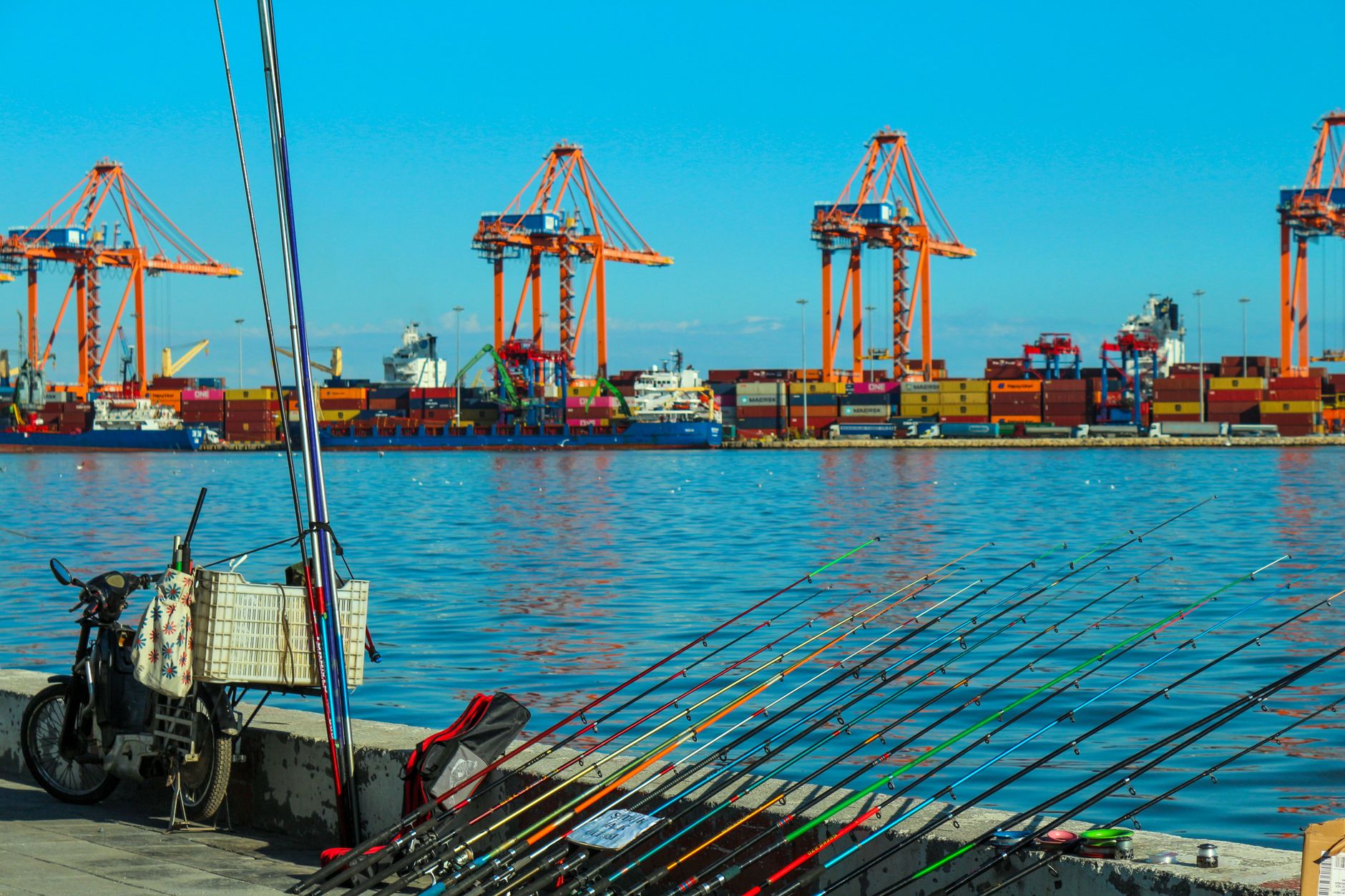
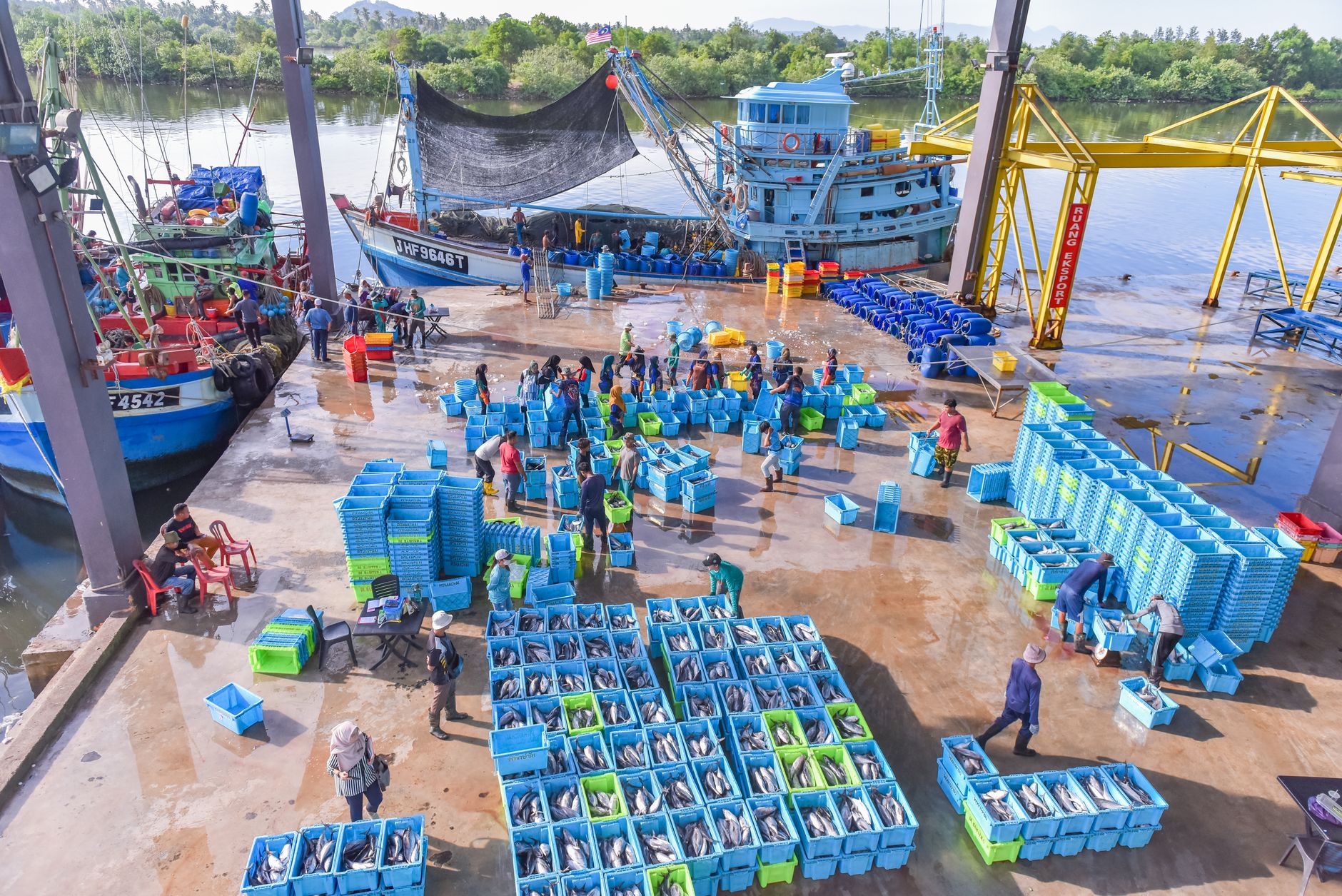
Commercial fishing docks mix public walkways, restricted gear storage, refrigerated buildings, and open water within a few hundred feet. Gates open for offload trucks at dawn, then sit unattended while crews mend nets. Equipment yards hold winches, totes, and fuel carts that attract theft when surveillance is thin.
A Massachusetts working-waterfront survey reported that harbormasters see demand for more dockage and named a lack of security surveillance cameras as a driver of dinghy, gear, and small-item theft. That pattern is not unique to one state. Working piers are long, uneven, and wet, so a single fixed camera rarely covers every finger pier and bait locker.
Autonomous patrol robots are not a replacement for captains, harbormasters, or contracted guards. They are a repeatable route that carries cameras, lights, and two-way audio through zones that humans skip on quiet nights because the walk is long or the decking is slick.
What should a dock patrol route actually cover?
Start with the assets that fail quietly: refrigerated fish houses, ice machines, fuel isolation valves, and the gate where trailers stage. Add the equipment yard where crab pots and longlines sit between seasons. Finish with the public edge of the pier where trespassers fish or climb ladders after hours.
Map each stop as a named checkpoint with a dwell time long enough for a 360-degree look. Patrol robots earn trust when the same pier cleat, hose bib, and freezer door appear in logs night after night. Random wandering looks impressive in a demo and weak in an incident review.
Dynamic no-go zones matter on working waterfronts. Mark tide gates, crane swing arcs, and the last ten feet of floats where decking drops toward the water. Restricted edges are where a wheeled unit can slide if an operator chases a person instead of holding a geofenced loop.
- Main gate and trailer staging apron
- Refrigerated processing or ice plant entries
- Gear and bait storage cages
- Fuel and utility skids away from the main shed
- Finger piers and gangway landings
- Public access points that should be closed after hours
How do salt, spray, and wet planks affect hardware choices?
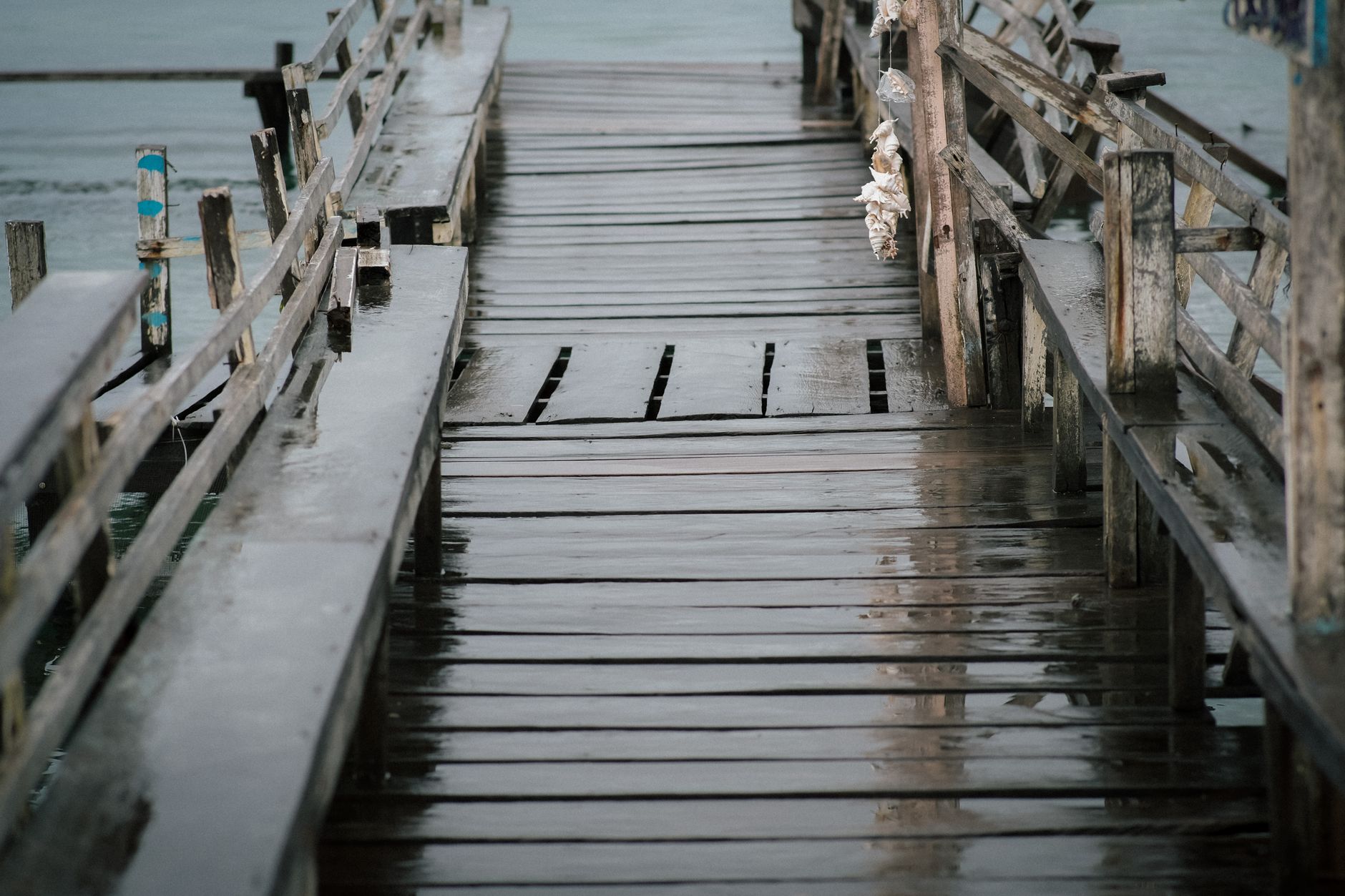
Salt exposure accelerates corrosion on unsealed connectors and on brushless motor housings that were designed for dry warehouses. Dock operators should insist on ingress protection rated for regular hose-down zones, not just occasional rain. Deck plates stay wet from spray, fish rinse, and fog that rolls in after sunset.
Tread and ground clearance decide whether a unit can cross expansion joints, hose humps, and oyster-shell grit without spinning. Ramp traction testing on the actual pier beats a spec sheet from a carpeted showroom. If your floats move with tide, confirm whether the robot re-localizes after a gangway angle change.
Maintenance included in a robot rental monthly or lease path matters here because brushes, bearings, and wheel compounds wear faster on marine aprons. Plan spares for the season when landings peak and you cannot wait a week for a coastal truck route.
Can patrol robots work in low light and marine weather?
Low-light performance is a product of lens, shutter, and supplemental lighting, not marketing adjectives. Dock lights are uneven: bright under sodium lamps at the scale house, dark on the outer finger piers. A patrol unit with adjustable fill light reduces the glare that blinds fixed cameras when fog reflects sodium back into the lens.
Wind and rain push debris into corners where trespassers hide. Robots that log lap time and weather notes help you correlate false motion alerts with loose trap tags flapping on a railing. Pair on-robot edge recording with a short buffer in the cloud so a brief uplink drop during a squall does not erase the clip you need for law enforcement.
According to FEMA, the Port Security Grant Program made $90 million available in fiscal year 2025 and $95 million in fiscal year 2026 to strengthen maritime risk management. Many applicants blend fixed sensors with mobile assets. A patrol robot can be the mobile layer that visits corners grants rarely wire on the first pass.
What communications work on a pier?
Marine sites often mix weak pier Wi-Fi, cellular dead zones behind metal sheds, and VHF culture among captains. Plan uplinks before you paint the robot. Some operators use a private LTE gateway on the roof of the ice plant. Others store high-resolution clips on the unit and sync when the robot docks at a known good access point.
Two-way audio should respect harbor quiet hours and union rules. Use it for recorded warnings at a gate, not for shouting across open water. Escalation rules belong in writing: when motion persists, who gets the SMS, and whether the harbormaster or a contracted guard makes the walk.
Human-in-the-loop remote operators can triage alerts from home, but the robot still needs a local supervisor who knows which trucks are allowed at 2 a.m. during a herring offload. Marine communications fail gracefully when the playbook names a pier phone tree, not only an app.

How do tides and seasonal traffic change the program?
Tides shift gangway angles and can narrow the path between stacked pots and a fuel tote. Re-map routes after major dock repairs or when a new crane rail goes in. Seasonal fisheries concentrate trucks, forklifts, and visitors on the same apron where a winter patrol loop was empty.
NOAA and state partners track landings and working waterfront employment at regional scales because many fishermen are self-employed and do not appear in a single payroll file. When landings spike, your security problem is congestion and unfamiliar faces, not only theft. Patrol logs become evidence that you enforced closure times during a derby week.
Phased deployment beats buying a fleet before you prove one loop. Run the first route on nights when the plant is closed but refrigeration still hums. Add a second loop to the gear yard after staff trust the alerts and the unit returns to charge without blocking a forklift lane.
What does theft and liability look like on the waterfront?
Theft on docks is often opportunistic: handheld tools, fuel, outboard parts, and unsecured electronics in a shed with a padlock that never closes. Surveillance gaps encourage repeat visits. Patrol robots increase the chance that a face or plate is captured at the gate, not only at the one camera above the scale.
Slip-and-fall risk rises where rinse water pools beside ice totes. Robots do not replace OSHA-minded housekeeping, but they can flag a hose left running or a gangway chain dropped on a wet plank during a recorded round. Insurers ask whether you documented patrols; timestamped routes answer that question better than a sign-in sheet.
False alarms cost goodwill with neighbors who live on the hill above the harbor. Tune motion zones away from rippling water and flagging tarps. The cost of false alarms in robotic security patrols is measured in ignored texts on the night a real break-in happens.
Where does Service Robot Co. fit a dock pilot?
Service Robot Co. acts as a vendor-neutral integrator: select the patrol hardware, finance it with robot rental monthly or lease options, map the pier, train night staff, and dispatch field help through a nationwide network of regional service engineers when a wheel or battery fails mid-season.
A free site assessment should walk the pier at low tide and high tide, note salt zones, and list communications dead spots. Try-before-you-buy pilot programs work well on waterfronts because the first month reveals gangway quirks no blueprint shows.
One partner one number matters when the ice plant manager, the harbor master, and your insurer all ask different questions the week landings jump. Turnkey robot deployment with go live support keeps the robot on the documented loop instead of becoming garage art after the first nor'easter.
How do you measure success in the first ninety days?
Track completed laps, average lap time, charge cycles, and verified human responses to alerts. Six robot fleet KPIs that matter in the first 90 days include uptime, mean time to acknowledge, and clips exported for incidents. If those metrics flatline while theft calls rise, the route or the camera aim is wrong, not the concept.
Compare patrol coverage to your old walk schedule. A harbor employee who toured twice on weekends cannot cover four fingers every hour. The robot will not catch every incident either, but it removes the excuse that nobody looked at the freezer door after the last truck left.
Review escalation monthly with the harbormaster and plant security. Adjust geofences when floats are hauled for repair. Waterfront security is maintenance, not a one-time install.