Key takeaways
- After-hours truck loading is the dominant theft pattern garden retailers report, which maps cleanly to perimeter patrol on open acreage.
- USDA counts 549,063 open-field horticulture acres in 2024, so most wholesale yards are too large for a single fixed camera pole.
- Mud, drip lines, and moving container rows force patrol robots to replan routes, not just replay last season's map.
- A patrol robot should hand off to a human with video, location, and time stamp, not replace your on-call manager.
- A vendor-neutral integrator can pilot one unit on the worst aisle loops before you scale a security robot rental fleet.
Should a wholesale nursery start with an outdoor patrol robot?
Yes, when your valuable inventory sits outside the fence line you can see from the office. Wholesale nursery yards combine open acreage, seasonal layout changes, and equipment that is awkward to lock up every night. A fixed camera on one corner misses the back potting lane after you rotate stock.
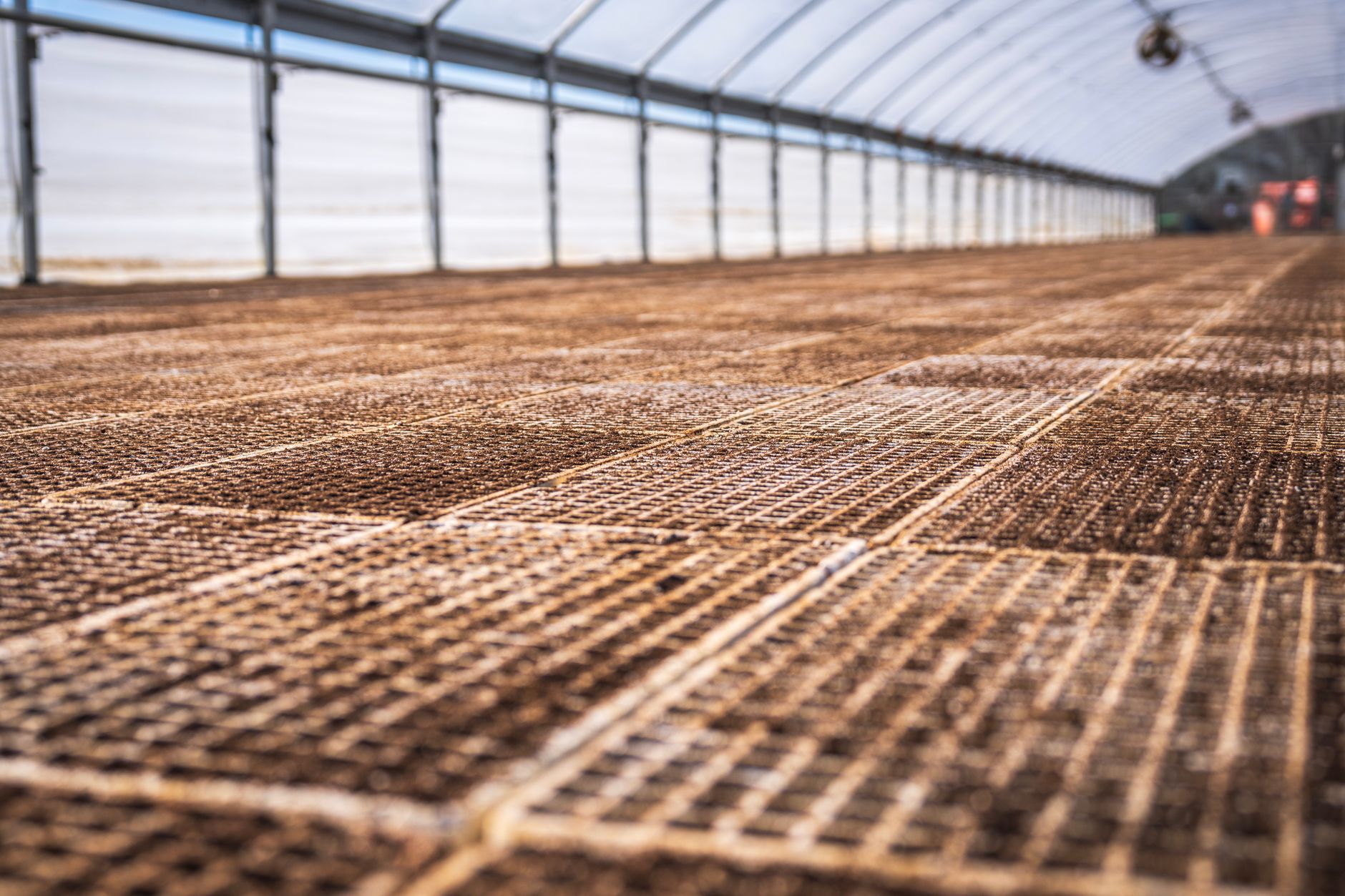
An autonomous patrol robot is not a substitute for gates, lighting, or insurance. It is mobile eyes that repeat the same loops when your team is home. According to USDA's 2024 Census of Horticultural Specialties, 549,063 acres of horticulture production ran in the open excluding shade structures, which is exactly the kind of sprawl that tired human guards skim.
If your yard already has a monitored alarm on the office, the robot extends coverage to tractors, irrigation headers, and container blocks without running new conduit across mud paths.
Compare that picture to a security patrol robot rental you can scale for spring peak and dial back in winter. Month to month terms let you match coverage to cash flow without capital tied up in idle hardware.
What theft patterns actually hit nursery yards?
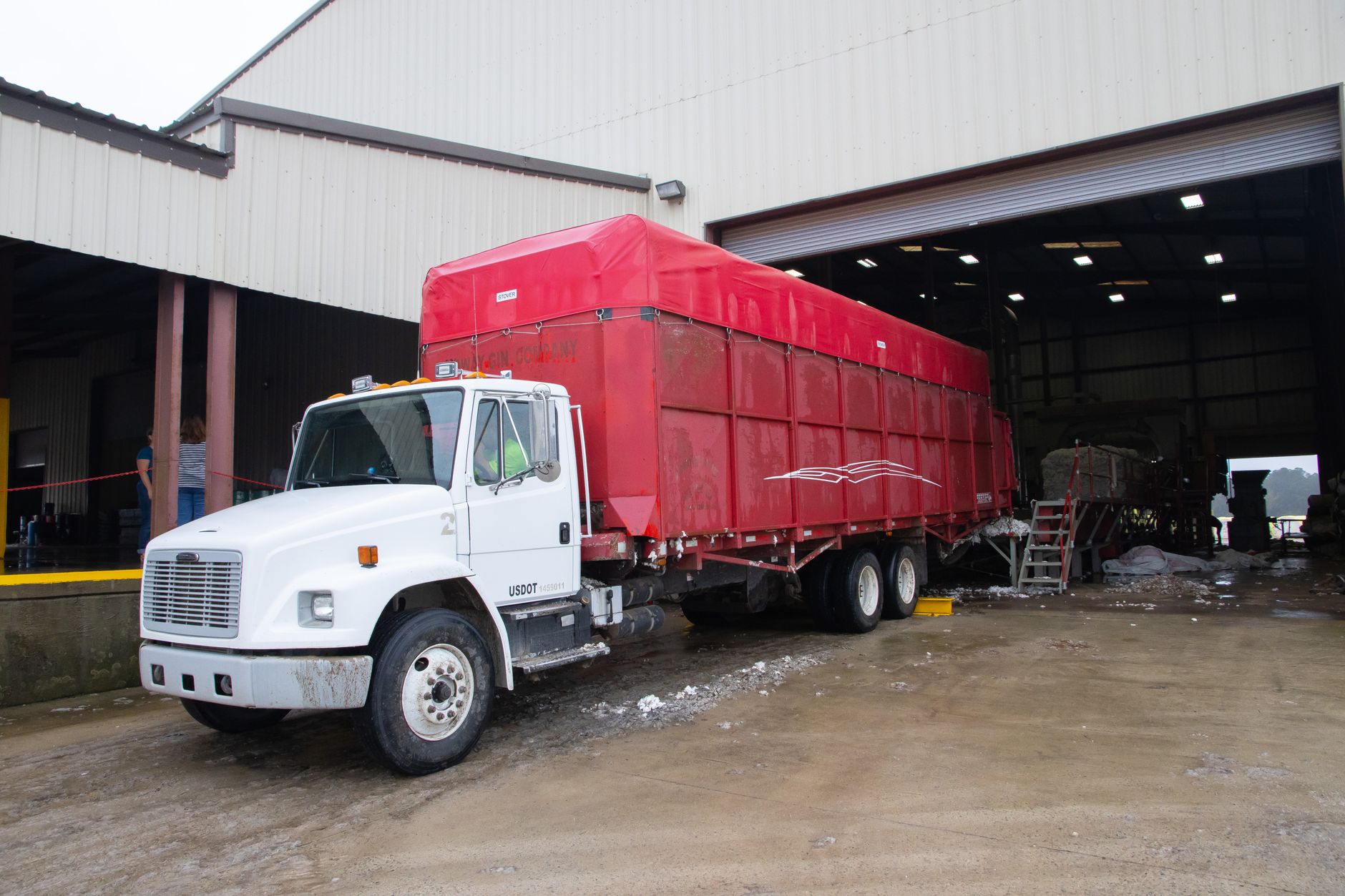
Industry loss-control guides describe a consistent after-hours pattern. Garden Center Magazine quotes retail security experts saying big-ticket shrubs, containers, and equipment are loaded onto vehicles when the store is closed, often with trucks staged for a fast exit.
Nursery Management notes that even low-value items like mulch bags, sprayers, and hand tools disappear in serial burglaries when yards look unattended. Keys left in delivery trucks can turn a vehicle theft into a keyed entry at your gate.
That mix matters for robot planning. You need patrol density near road-facing rows and equipment pads, not just the checkout area. Motion alerts without context create noise, so escalation rules should treat vehicle lights and trailer hookups as high priority events.
How do mud and irrigation hardware affect robot patrols?
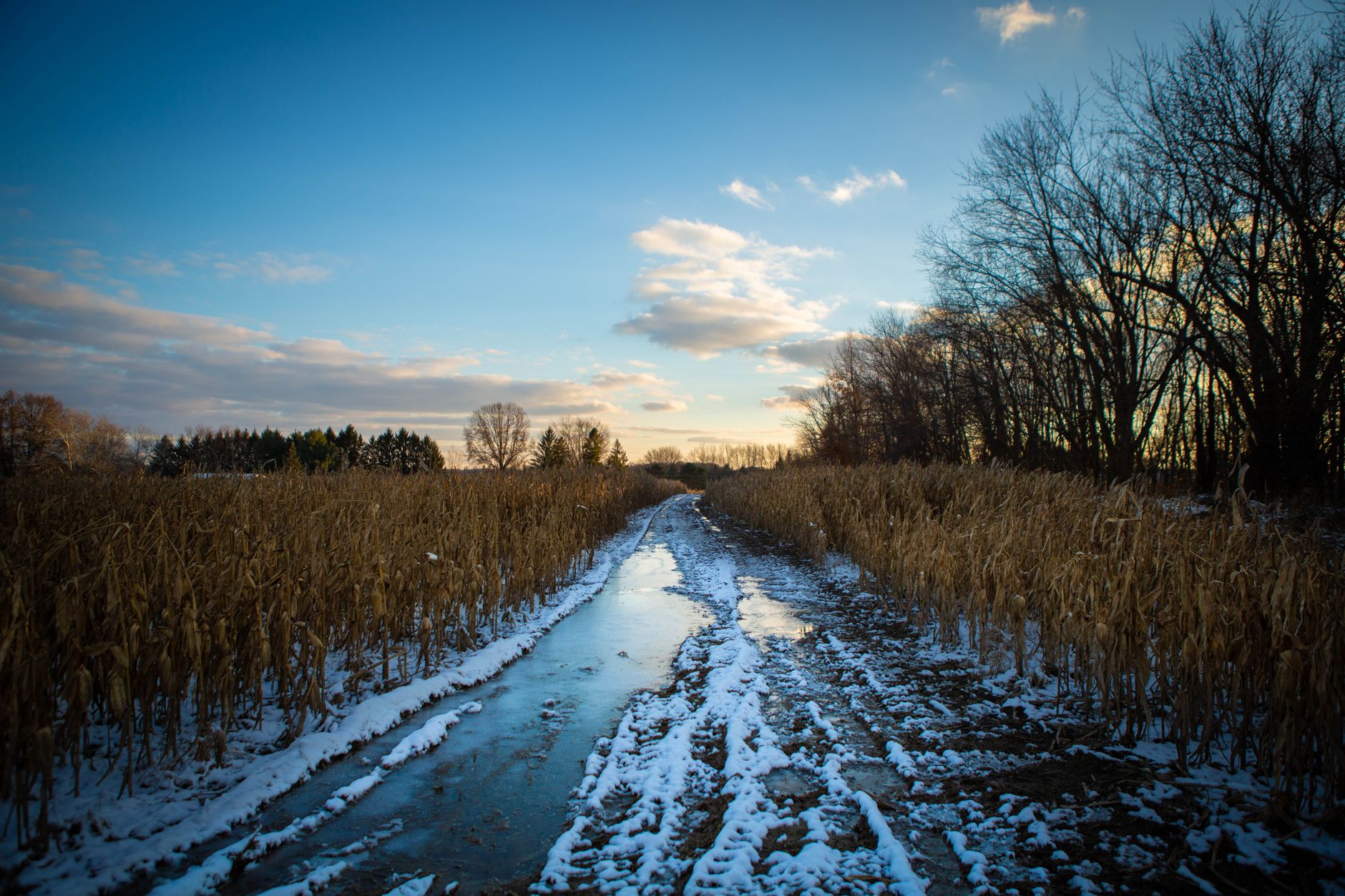
Spring turnover turns gravel lanes into rutted mud. Drip lines, headers, and hose whips sit exactly at ankle height for wheeled platforms. A patrol unit that cannot replan around a new puddle will either stop or carve a rut that your crew fixes Monday.
Schedule irrigation so night patrol windows avoid active zones when possible. If you must irrigate overnight, mark those loops as slow-speed segments in the mission map and expect more false positives from mist and moving sprinklers.
Traction testing belongs on your punch list before go live. Run the robot through the worst lane after a real rain, not on a dry demo day. Service Robot Co. treats that muddy lap as part of a free site assessment so you know whether a wheeled patrol unit or a legged platform fits your yard.
Can robots see past dense foliage and moving container rows?
Partially. Canopy blocks line of sight the same way it blocks a guard's flashlight. Summer canopies create shadow pockets between rows where a person can stand still while leaves flutter on camera.
Wholesale yards re-block inventory weekly. A map from April is wrong by Memorial Day. You need record-and-adjust routes or lidar mapping that tolerates shifted pots, not a one-time GPS trace along last year's lines.
Pair the robot with low foliage zones for camera clarity. Trim sight lines on fence lines and equipment pads even if you leave display rows shaggy. The goal is verified motion on hard assets, not perfect plant-by-plant inventory.
Wind moves shade cloth and reflective mulch sheets, which look like intruders on thermal and optical feeds. Tune sensitivity seasonally instead of leaving winter thresholds in place for July.
Delivery schedules for big-box pulls often leave trailers staged pre-dawn. Tell the robot those windows are authorized so your shipping lead is not woken for your own crew.
What night lighting do patrol robots need in a nursery?
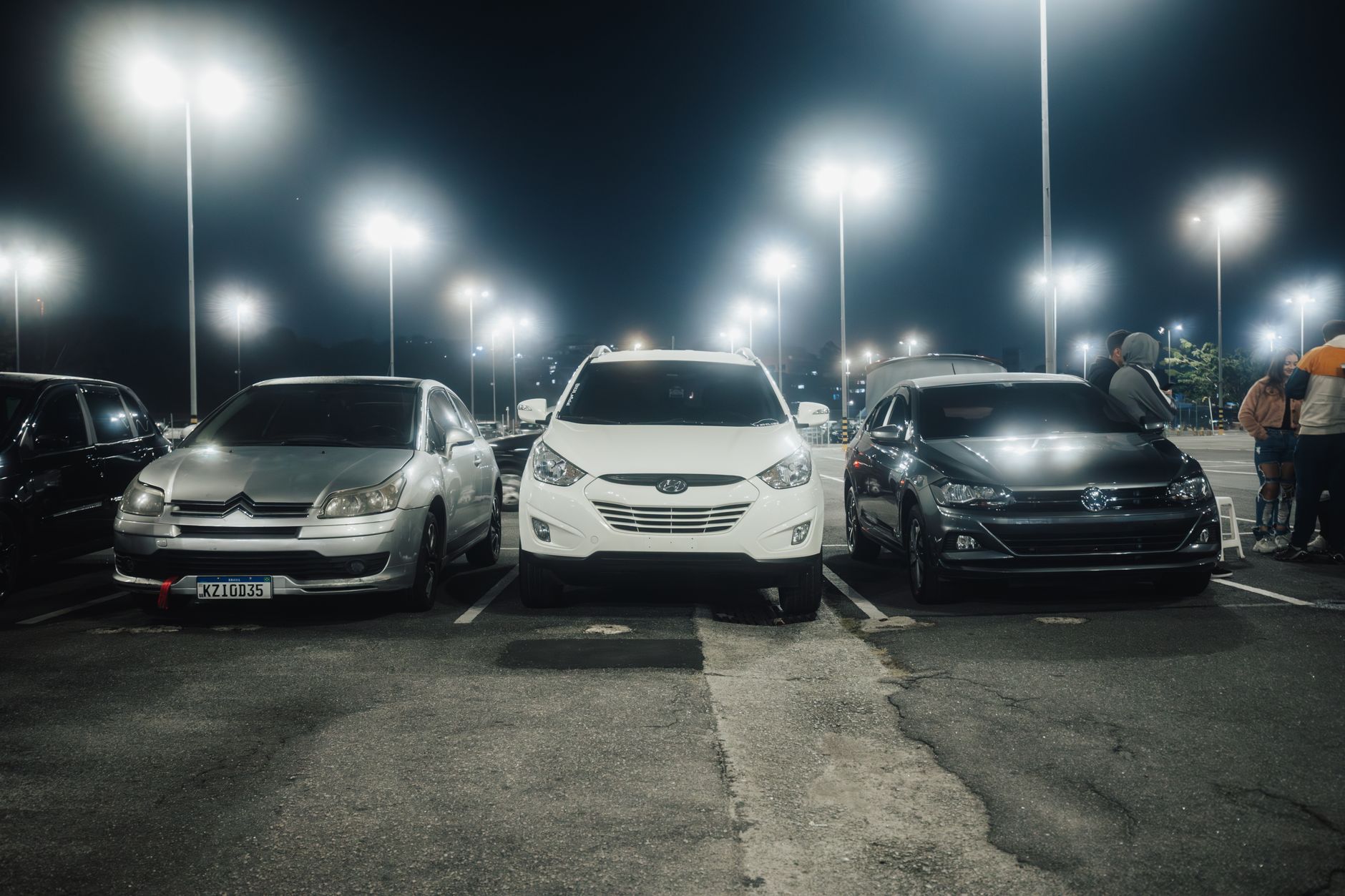
Robots carry their own illuminators, but yard lighting still shapes image quality and deterrence. Hortica and other horticulture insurers recommend adding cameras and lights anywhere inventory is vulnerable, which applies to open yards as much as greenhouses.
A practical split is ambient pole lighting on roads and equipment pads, plus the robot's forward lamps on dark aisles. Glare from wet polyethylene covers can bloom on sensors, so test exposure on greenhouse end walls before you trust detections there.
Visible deterrence still matters. A slow, lit patrol with an audible prompt on intrusion often sends amateur thieves elsewhere before your manager gets the alert.
How do changing shipping lanes affect security coverage?
Wholesale nurseries live on dock timing. When you flip from spring color to fall trees, forklift paths cut new corners across gravel you have not graded yet. A patrol map must follow those lanes, not the old perennial block.
USDA reported horticultural product sales of $18.3 billion in 2024 across 23,060 operations, with nursery stock among the largest sectors. High value per pallet means one stolen trailer hurts more than a shoplifted hand tool.
Coordinate robot routes with your shipping clerk. If Friday night loads run until 11 p.m., delay autonomous patrol until gates are locked and loaders sign out. That single rule removes most false positives tied to your own team.
How should human escalation work when the robot sees motion?
The robot's job is to arrive first with video, GPS-tagged location, and a time stamp. Your on-call lead decides whether to call law enforcement, drive in, or silence a raccoon alert.
Write escalation tiers before deployment. Tier one might be wildlife or irrigation spray. Tier two is human shape near equipment after midnight. Tier three is vehicle idling at a gate with no scheduled delivery.
Remote monitoring centers can watch feeds, but the nursery owner still sets response rules. Service Robot Co. integrates alerts to your chosen channel and documents handoff so night staff are not guessing what the blinking notification means.
Where does labor pressure make patrol robots easier to justify?
USDA reported 248,827 hired workers on horticultural operations in 2024, with labor expenses of $5.57 billion across 15,382 operations that hire help. That is a thin bench for overnight security on top of dawn shipping.
BLS counted about 196,100 farmworkers in crop, nursery, and greenhouse roles in 2025, with a median wage near $16.95 per hour. Hiring a dedicated night guard on top of that wage stack is hard in rural counties where your yard sits.
A security patrol robot rental or month to month program lets you cover peak theft season without adding a full time role. You still keep human judgment for escalation while the robot handles the repetitive loops.
What does a sensible pilot look like on a commercial nursery yard?
Start with one loop that combines your highest loss history and your muddiest lane. Run it nightly for two weeks and log false alarms by cause: irrigation, wildlife, wind, and real human motion.
Add a second loop only after you tune escalation. Expand to equipment pads and gate approaches before you chase full perimeter coverage on hundreds of acres.
Finance and service should match the pilot. Service Robot Co. can structure lease, rental, or purchase paths, deploy the unit, train your lead on mission edits, and maintain it through a nationwide network of regional service engineers so a broken drive wheel does not idle your only night coverage.
What maintenance keeps outdoor patrol robots reliable in horticulture?
Pollen, dust, and fertilizer fines coat lenses faster than in a parking garage. Build a weekly lens wipe into your grower's Monday checklist, the same way you service mowers.
Battery swaps or autonomous charging docks belong on concrete pads away from overhead irrigation. A charging station sitting in a puddle is a downtime ticket waiting to happen.
Service Robot Co. includes maintenance planning in deployment so you know whether loaner coverage applies if a drive unit fails during peak theft season. That backup robot program matters when your yard is remote and the nearest human guard is forty minutes away.