Key takeaways
- TTB rules already require locks, alarms, or guards when bonded security is inadequate, so patrol should document what fixed cameras miss.
- BSI and TT Club reported food and beverage cargo theft at 22% of global incidents in 2024, with strategic deception rising in the United States.
- Split routes between bonded barrels, visitor paths, and outdoor tanks so hazardous vapor zones stay human-only.
- Visitor privacy means aiming cameras at doors and docks, not tasting tables, with retention policies your counsel approves.
- A security patrol robot rental pilot on one campus loop proves night verification before you cover every dock door.
Why do craft distillery campuses need patrol beyond bonded locks?
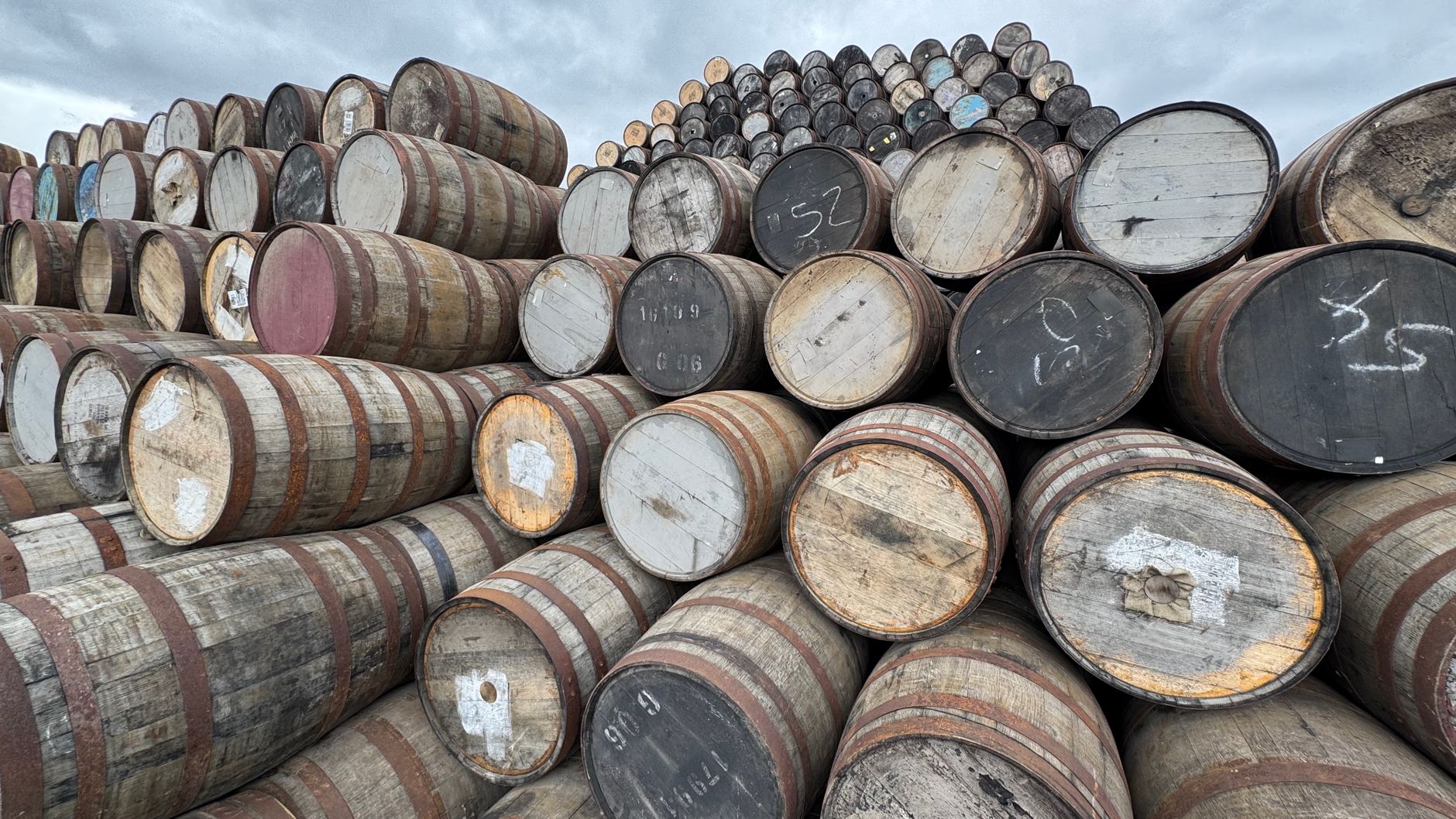
Craft distilleries mix high-value spirit inventory, flammable process areas, and public tasting traffic on one compact site. Federal rules under 27 CFR 19.192 require adequate security to protect the revenue, including secured openings when operations stop and locked outdoor tanks when they are not in use. Approved locks must meet detailed specifications, and TTB may order fences, flood lights, alarms, or guard services when construction or protection is inadequate.
A gate camera sees the parking lot. It rarely proves whether a side man door on the rackhouse was propped after a barrel move, or whether someone idled a truck at the loading dock without a pickup number. An autonomous patrol robot carries lights, cameras, and two-way audio on a mapped loop through those gaps. It supplements guards and remote monitoring. It does not replace TTB compliance, fire suppression, or your insurance broker.
Security patrol robot rental monthly paths let you test one night route before you finance a second unit for a satellite warehouse. Maintenance included through a nationwide engineer network matters when a wheel fails during harvest weekend bottling.
How should patrol routes split bonded storage and visitor areas?
Name checkpoints at the bonded warehouse door, barrel fill area, case goods cage, and the lane between production and the tasting room. Dwell long enough to read a placard and catch a latch state, not a blur at walking speed. Visitor areas need a different tone: guests expect hospitality, not a spotlight on every sip.
Route maps should show where bonded premises end and general premises begin, matching what you filed with TTB at registration. Robots should pause at those lines so clips line up with your access log when an auditor asks who entered storage after hours.
Loading docks deserve a slow pass after the last truck departs. Strategic cargo theft schemes grew in 2024, and food and beverage products led stolen commodities globally at 22% in the BSI Consulting and TT Club annual report. Finished cases and bulk glass are easier to move than a full still, which makes the dock a common weak point.

What hazardous boundaries should robots never cross?
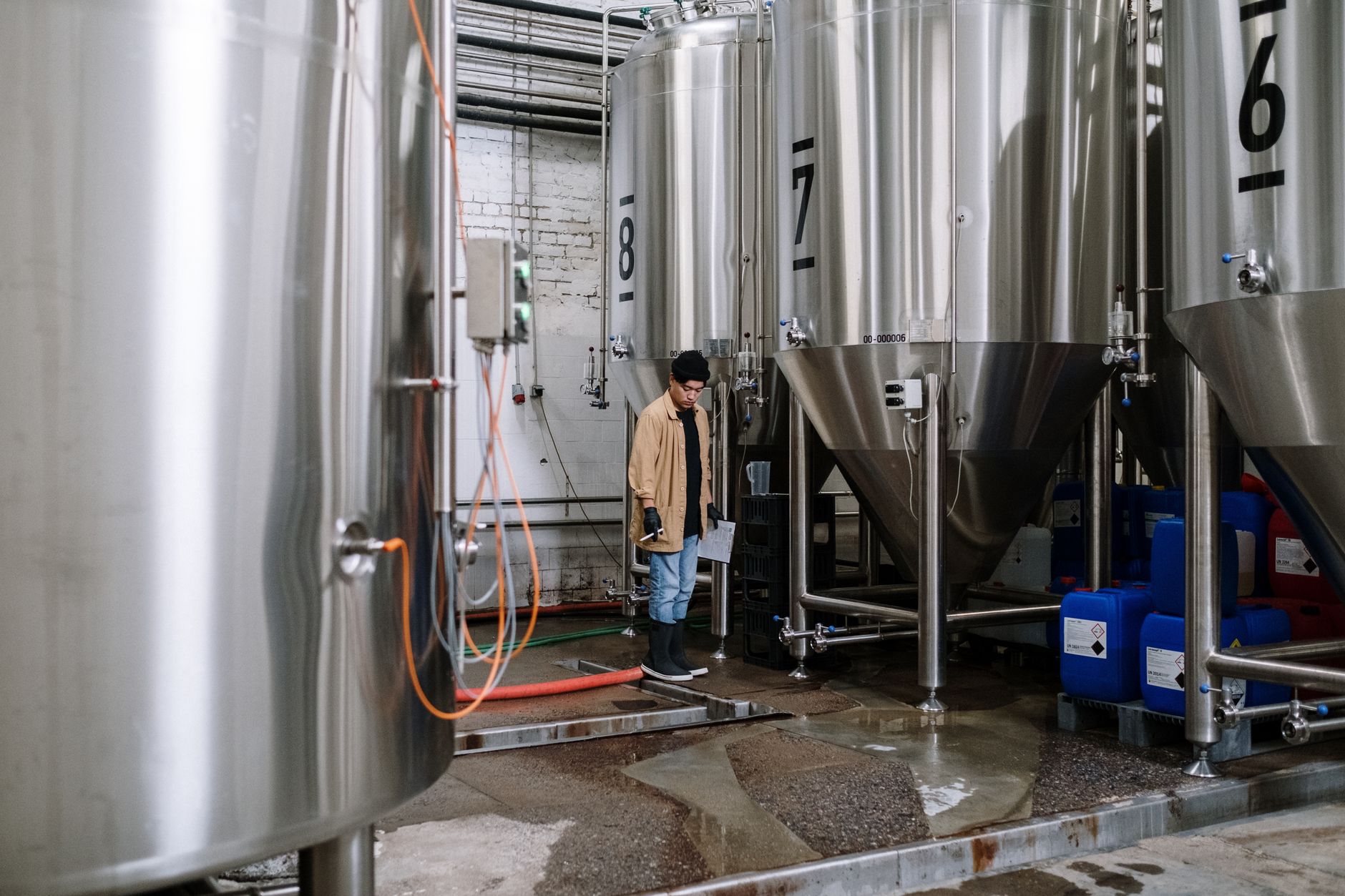
Still rooms, fermenter pads, and ethanol vapor zones belong to human rounds with gas detection and hot-work permits. Mark those spaces as no-go on the robot map even if the aisle looks wide enough. Flammable vapor and ignition sources do not forgive a wrong turn because the path planner saved thirty seconds.
Outdoor tank farms need patrol on the perimeter fence and gate, not inside vapor collection berms unless your safety officer and insurer sign off. TTB already expects outdoor spirit tanks locked or inside a locked enclosure when not in use. Pair robot fence checks with lock audits on the same schedule.
Dynamic no-go zones help when a mash cook blocks a lane or a forklift stages pallets across your usual loop. Log those overrides so night staff know the robot skipped a zone for a documented reason, not a silent failure.
Can patrol robots support fire detection without replacing sprinklers?
Robots are a mobile eye, not a sprinkler head. They can carry thermal cues toward rackhouse doors, electrical rooms, and compressor sheds on a repeatable path so a human verifies heat before flames spread through wooden barrel storage.
False positives drop when you tune zones after steam releases from cleaning, not when you mute the whole campus. Document every alert action in the same system the robot uses so fire marshals and insurers see a season of disciplined responses.
Keep extinguishers, pull stations, and employee training as your primary response. The robot’s job is to get a verified clip to the on-call manager within minutes, not to chase smoke across the yard.
How do you protect visitor privacy on tasting tours?
Aim patrol cameras at entries, docks, and barrel aisles after public hours, not at tasting tables while guests are present. If a route must cross a tour path, schedule that leg before doors open or after the last flight is served.
Retention and signage should match what your counsel approves for your state. Export only the clips tied to an access event, and restrict live viewing to trained staff. Guests remember how you handled their image long after they remember the finish on the whiskey.
Two-way audio belongs at the gate and dock, not in the tasting room. Use it to challenge an unknown vehicle, not to startle a private event.
What should access logs capture after hours?
Pair robot timestamps with door badge data, truck appointment numbers, and barrel transfer paperwork. When a clip shows motion at the rackhouse, the log should answer whether a cooper was scheduled, a truck was early, or nobody was supposed to be on site.
TTB registration already asks for a statement of plant security covering guards, alarms, and key custody. Patrol exports become another line of evidence that openings were checked on nights when no guard was funded.
License plate holds at the gate matter for bulk glass and sugar deliveries that arrive on different carriers. Hold long enough for a readable frame at night, not only at noon.
What escalation paths fit small distilleries at night?
First response is verify on video within minutes. Open the clip, call the distiller on call, and only then decide whether police or the fire department needs a page. Holiday bottling weeks and festival Saturdays are when motion zones should tighten, not when alerts should be silenced.
The BSI report noted strategic theft at 18% of United States cargo theft incidents in 2024, often using deception rather than a broken window. A robot clip that shows an unfamiliar trailer backed to the dock without paperwork is worth more than a motion ping on a tarp.
Assign a human owner for every alert even if the robot is alone on campus. Pilots fail when nobody reviews the inbox.
Where does Service Robot Co. fit?
Service Robot Co. acts as a vendor neutral robot integrator: select patrol hardware, finance it, map bonded and visitor zones, train tasting staff on escalation, and dispatch field help through a nationwide network of regional service engineers when a sensor fogs in humid barrel storage.
A free site assessment should walk the campus at close on a bottling day and again after rain on gravel drives. Note glare on stainless, vapor boundaries, and gate cabling no blueprint shows. One partner one number matters when production, compliance, and insurance each ask different questions the week you add a second rackhouse.