
Key takeaways
- Prove mobility on the dealer’s actual gravel, ruts, grades, and drainage paths before approving a robot.
- Design routes around changing equipment rows, blind zones, gates, parts cages, and loading activity.
- Test night imagery and cellular performance across the entire route, not merely beside the showroom.
- Use remote audio for controlled talk-downs, with human visual verification before dispatching responders.
- Buy the operating program, including mapping, training, maintenance, escalation, and field service, not just the machine.
Can a patrol robot secure an agricultural equipment lot?
Yes, an outdoor patrol robot can strengthen after-hours security on a large farm equipment dealer lot, provided it can traverse the real surface, maintain communications, collect usable evidence in darkness, and connect every alert to a defined human response. It should complement fencing, fixed cameras, lighting, access control, and guards. It is not a roaming substitute for the entire security system.
The exposure is substantial even without a dealer-specific national theft count. The FBI estimated 5,986,400 property crimes in the United States during 2024, equal to 1,760.1 offenses per 100,000 inhabitants. Only 15.9 percent of reported property crimes were cleared by arrest or exceptional means. Clearance is not the same as equipment recovery, but the figure underscores the value of prompt detection and well-preserved evidence.
The right autonomous patrol robot repeatedly covers places fixed cameras see poorly, pauses at selected observation points, sends video to a remote operator, and supports a measured talk-down or dispatch. The buying decision should therefore begin with terrain, route geometry, weather, communications, and escalation performance rather than an impressive sensor list.
Will the robot handle loose gravel and uneven ground?
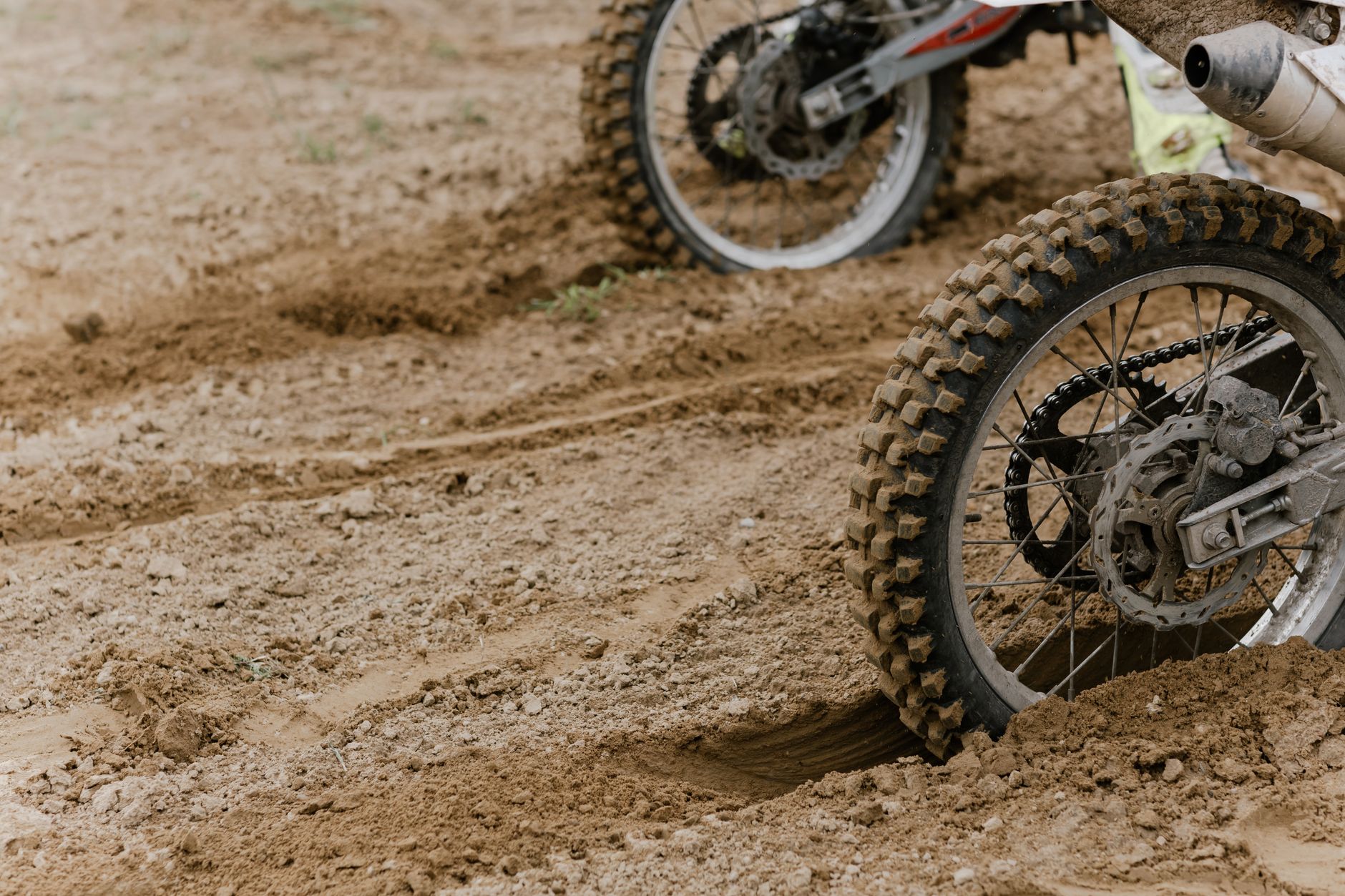
Gravel is not one condition. Compacted screenings near the showroom may become loose aggregate near the back fence, then mud beside a drainage swale. Ruts deepen after machinery moves, weeds intrude into the path, and attachments create low obstacles that are easy for a specification sheet to overlook.
Ask the vendor to demonstrate ground clearance, traction, braking, turning, and localization on the proposed patrol route. The robot must also recover safely when a wheel slips or the planned corridor is blocked. Frequent remote rescues defeat the purpose of an after-hours patrol.
A useful robot pilot program records interventions instead of hiding them. Test the machine with the lot in its normal operating condition, including recently moved inventory, wet gravel, glare, dust, and the narrow passages employees actually leave at closing.
- Complete every planned segment without manual steering or physical recovery.
- Stop and restart on the lot’s grades without sliding toward machinery.
- Detect ruts, chains, forks, low attachments, hoses, and temporary barriers.
- Find an alternate safe route or wait in place when inventory blocks its path.
- Return to its dock reliably when the surface is wet, dusty, or partially obstructed.
How should perimeter routes be designed?
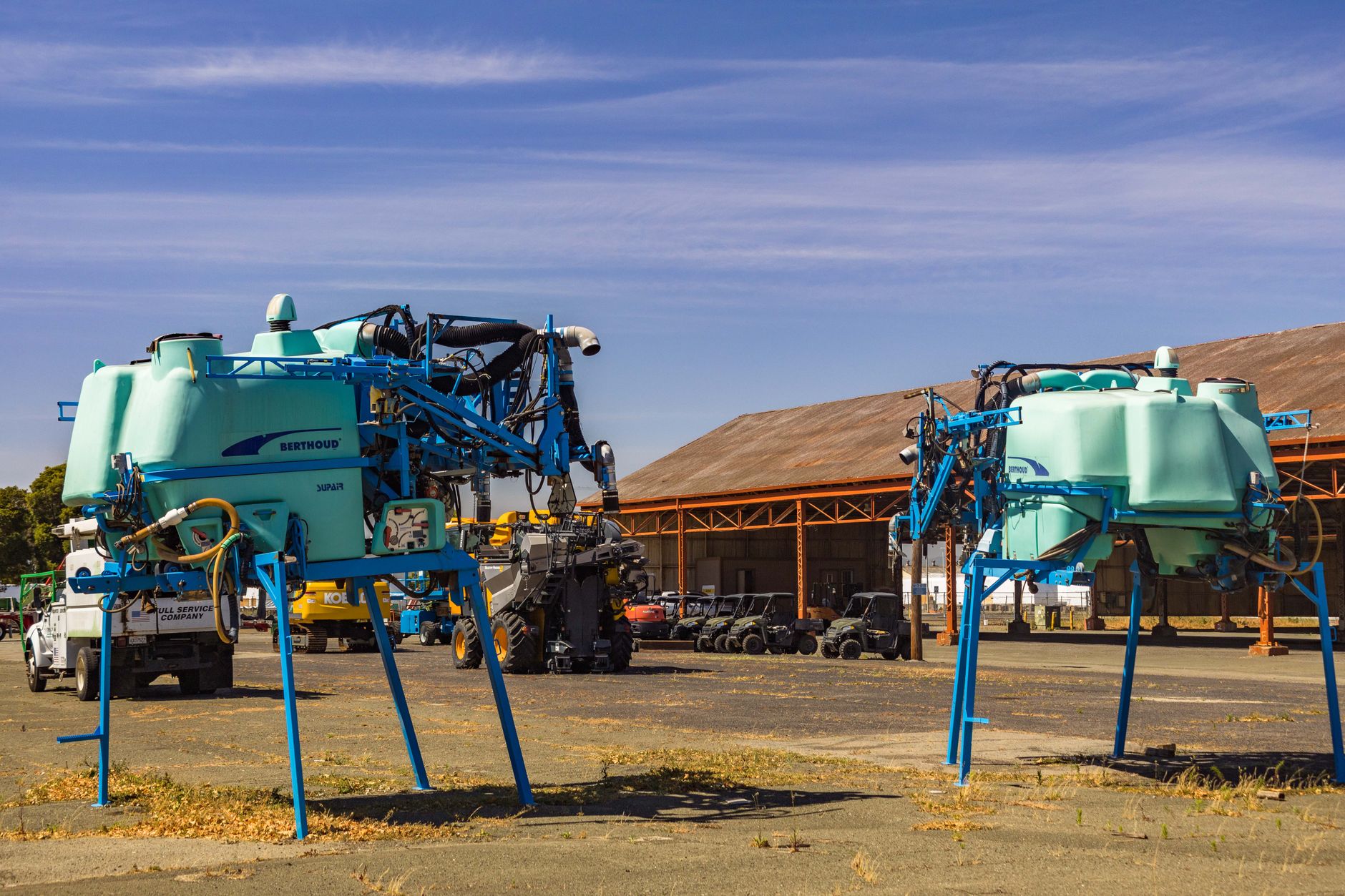
The shortest loop is rarely the best loop. Rows of combines, tractors, skid steers, and implements create shifting walls that conceal movement. A useful route visits the fence line, gates, loading areas, parts storage, fuel infrastructure, and the rear faces of high-value inventory while preserving safe clearance from sharp attachments and overhanging components.
Build the route as a network of segments rather than one brittle circuit. If a delivery blocks the west aisle, the robot should still cover the gate and northern boundary. Site assessment mapping should identify alternate paths, safe waiting points, weak communications zones, drainage trouble, and places where the robot can be seen or approached from outside the fence.
Coordinate patrol timing with inventory movement. The robot should remain parked or operate in a separated zone while employees reposition large machines. OSHA reports that nearly 250 people were killed in back-over incidents from 2019 through 2022, which reinforces the need for conspicuous equipment, clear right-of-way rules, low-speed behavior, and routes separated from moving vehicles.
What works when lighting is sparse?
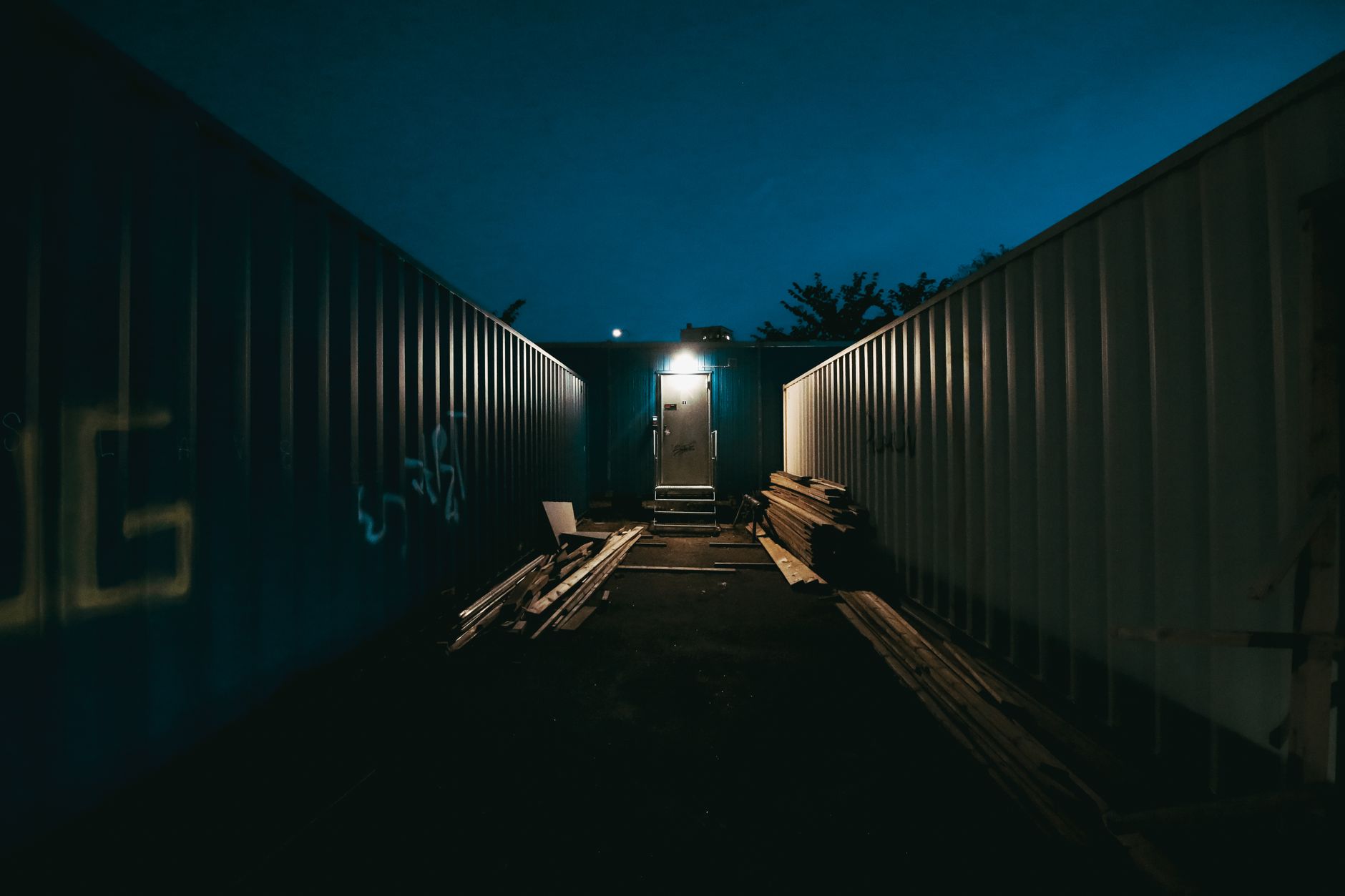
A dark lot tests the entire imaging chain. Headlights can illuminate the path, but they can also reflect from windows, chrome, wet metal, dust, or retroreflective signs. Thermal sensing may reveal a warm person or vehicle where visible-light video is weak, yet it does not automatically produce identifying detail.
Run night tests at the darkest fence, between tall machines, and toward oncoming road traffic. Inspect live video and recorded clips on the screen a remote operator will actually use. A detection that looks persuasive in a daytime demonstration may be little more than a silhouette after closing.
Targeted fixed lighting often helps more than flooding the whole property. Illuminate gates, pedestrian approaches, serial-number areas, and other evidence-critical points while controlling glare into the robot’s cameras. Record the site’s measured light levels and require the commercial robot demo to reproduce usable imagery under those conditions.
What weather capability does an outdoor robot need?
Start with the manufacturer’s operating, charging, and storage limits, then compare them with local records. NOAA’s 1991 to 2020 U.S. Climate Normals draw precipitation observations from more than 15,000 stations and temperature observations from more than 7,300 stations. That location-specific evidence is more useful than a generic all-weather claim.
An ingress protection rating is only one checkpoint. IEC 60529 classifies enclosure protection against the entry of solid objects and water, but buyers should ask which enclosures, connectors, microphones, speakers, sensors, and charging contacts carry the stated rating. Also inspect drainage, lens clearing, condensation control, battery behavior in cold or heat, and traction on mud, frost, or snow.
Weather policy must protect people as well as hardware. The National Weather Service says no outdoor location is safe during a nearby thunderstorm and recommends waiting at least 30 minutes after the last thunder before resuming outdoor activity. Configure an early return to a sheltered dock so an employee is not sent outside to rescue a stalled robot during that hazard window.
- Define automatic docking triggers for severe weather and deteriorating traction.
- Place the charger above runoff paths and protect it from wind-driven precipitation.
- Specify who clears snow, mud, vegetation, and debris from patrol corridors.
- Test sensor visibility after dust, rain, condensation, insects, and temperature swings.
How reliable are remote audio and cellular links?

Remote audio gives a trained operator a valuable middle step between observing and dispatching. The operator can identify the property, state that the site is monitored, ask an authorized worker to verify credentials, or direct an intruder toward the exit. The robot should never chase, corner, or physically block a person.
Test talk-down intelligibility in wind, rain, roadside noise, and between metal machines. Establish approved phrases, volume limits, operator permissions, recording rules, retention periods, and signage. Counsel should review the program because audio recording and notice requirements vary by jurisdiction.
Do not accept a carrier coverage graphic as a site test. The FCC says its mobile maps use propagation modeling and that actual experience can vary because of the device, cell-site capacity, and terrain. Drive-test the full route and dock, then verify failover behavior, local recording, delayed upload, and safe operation during a connection loss.
Treat the robot as a connected security device. NIST’s IoT guidance calls for device identification, controlled configuration, data protection, restricted logical access, secure software updates, and cybersecurity-state awareness. Remote consoles should protect sensitive traffic with encryption and use stronger authentication for privileged access.
What should happen after an alert?
Detection has little value without ownership. Before launch, assign who receives alerts, who reviews video, who may use remote audio, who contacts the dealer manager, and who can request guard or police response. Include backup contacts, gate-access instructions, and a process for preserving the original event clip and audit trail.
Human verification matters. A U.S. Department of Justice COPS Office guide reported that false alarms accounted for 10 to 25 percent of police calls and that jurisdictions adopting verified response saw alarm-call reductions of about 90 percent. That guide was published in 2011, so it should not be treated as a current national rate. Its operational lesson remains sound: visual confirmation is stronger than dispatching from an unreviewed detection.
- Possible nuisance: review live and recorded views, reposition safely, and document the disposition.
- Unknown person inside the perimeter: verify visually, begin an approved talk-down, and notify the designated site contact.
- Forced entry or equipment tampering: preserve video, alert contracted security or the authorized responder, and contact law enforcement under the local protocol.
- Fire, medical distress, or an apparent weapon: move directly to the emergency procedure and give dispatchers observed facts, not an algorithm’s label.
- Communications loss or immobilization: place the robot in its safe state and send personnel only after weather and scene hazards are assessed.
How should dealers pilot, finance, and support the system?
Write acceptance criteria before the pilot starts. Measure route completion, physical interventions, alert quality, night evidence, audio clarity, network dead zones, charging reliability, weather interruptions, and operator response records. Review misses and nuisance alerts against actual closing procedures, not a staged route cleared specially for the demonstration.
Compare the full operating package. Commercial robot leasing, robot leasing for business, a lease purchase program, and outright sale allocate risk differently. Ask each bidder to state what happens after a breakdown, who provides remote triage and on-site dispatch, if maintenance is included, how replacement equipment is handled, and what costs can change after deployment.
Service Robot Co. is a full-service commercial robot integrator for U.S. businesses. As an OEM-neutral partner, it can evaluate machines across manufacturers, arrange financing, perform robot deployment and integration, train the dealer’s team, and service every unit through a nationwide U.S. engineer network. That gives a multi-location dealer one vendor for the lifecycle and one service number when hardware, software, connectivity, or operating procedure needs attention.