Key takeaways
- Intermodal yards are a fit for autonomous patrols when the problem is repetitive coverage, not when the problem is human judgment alone.
- The strongest use cases are dark perimeter roads, gate queues, chassis rows, and container-stack lanes where fixed cameras leave blind spots.
- Buyers should score robots on range, thermal and low-light visibility, audio deterrence, weather uptime, and escalation workflow before they score them on novelty.
- A security patrol robot rental or robot as a service program works best when it is tied to dispatch, service, and clear incident handling, not just the hardware.
- The right program complements guards and fixed cameras. It does not replace either one.
Do autonomous patrols make sense in an intermodal yard?
Yes, in the right lanes of work. Intermodal container yards are one of the clearest fits for autonomous patrols because the site is large, repetitive, unevenly lit, and hard to cover with fixed cameras alone. The job is not subtle. You need a machine that can watch long sightlines, move through predictable routes, speak when it sees trouble, and hand incidents to humans fast.
That does not mean every yard should buy an autonomous patrol robot tomorrow. A robot earns its keep when the site has recurring blind spots across container stacks, chassis rows, gate queues, reefer alleys, or perimeter roads, and when the security team loses time driving loops or chasing false alarms. If your main problem is an understaffed command post, bad lighting, or no escalation process, the robot will expose those weaknesses rather than hide them.
The buyer test is simple. If you need more frequent patrol coverage than your current guard force can sustain, and you want better visibility between camera poles without putting another person in a truck all night, this category deserves a serious look.
Why are intermodal yards unusually hard to secure?
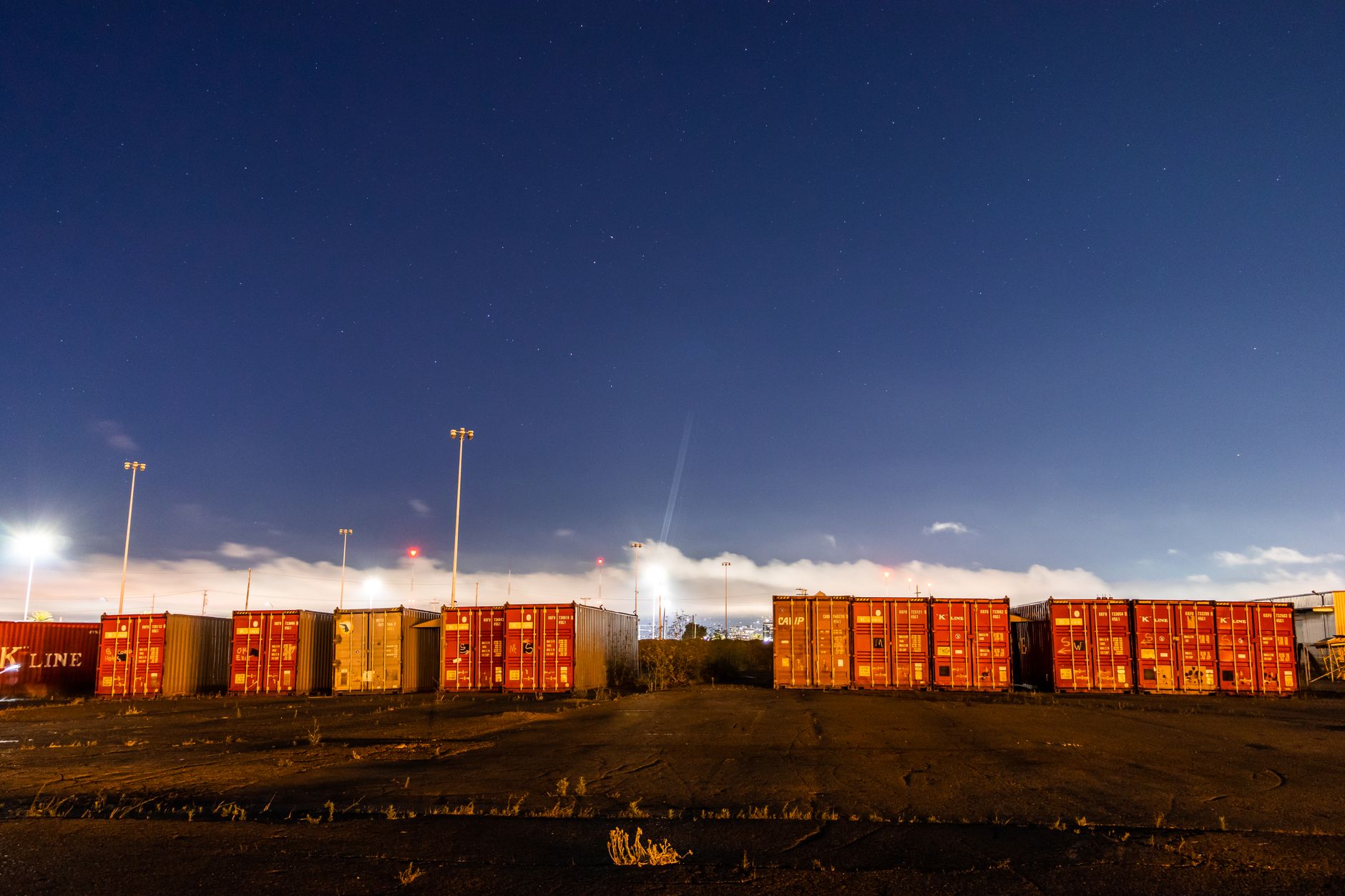
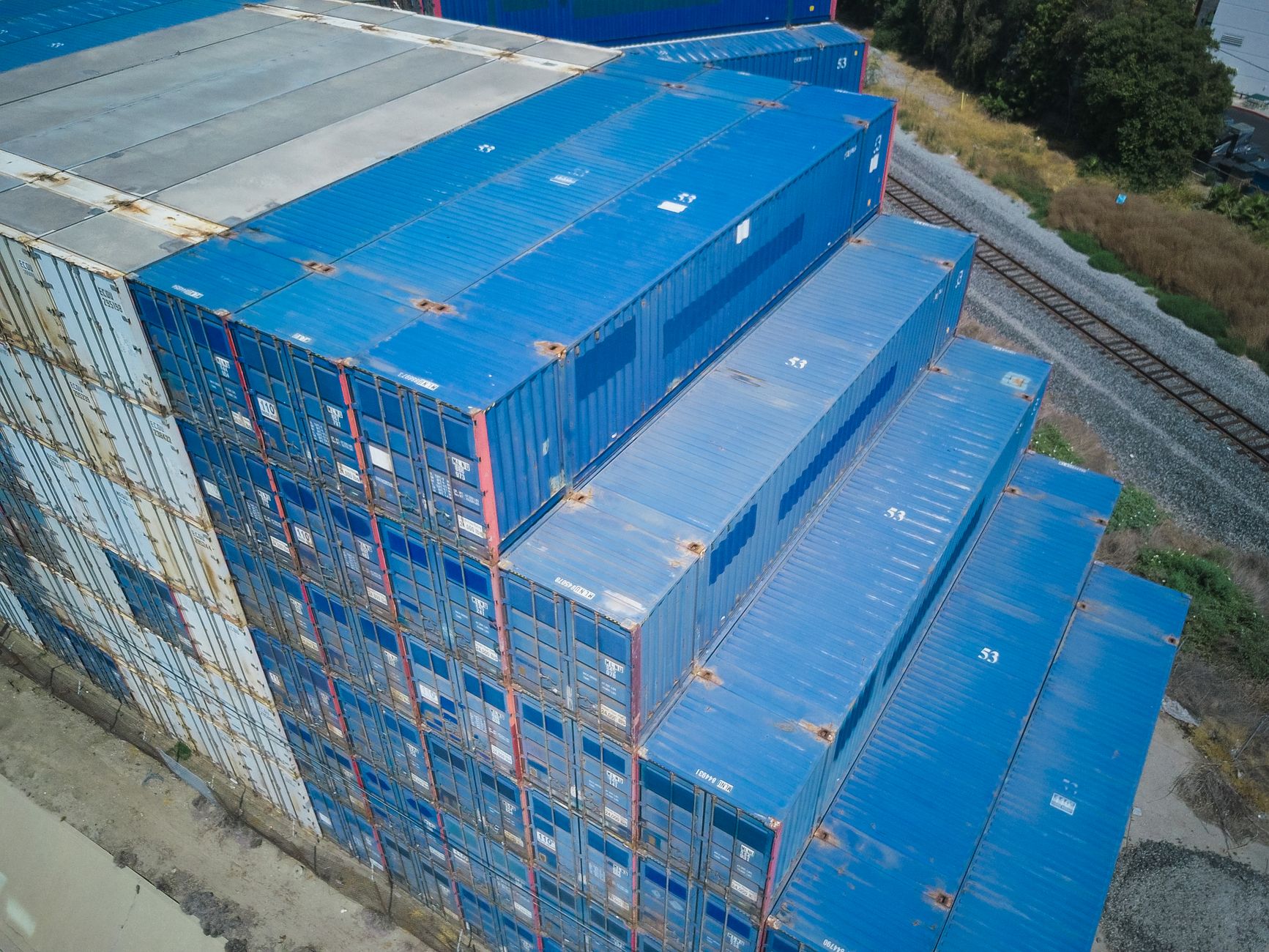
These sites combine the headaches of a port, a rail ramp, and a truck yard. Sightlines look excellent from one angle and disappear from the next because container stacks create canyons, chassis lines break up movement patterns, and parked tractors can hide people until they are close. The site may be active at 2 p.m. and eerily empty at 2 a.m., yet both conditions carry risk.
The freight volume alone explains why operators care. According to the Port of Los Angeles, it handled 10.2 million TEUs in 2025 and remained the busiest U.S. container port for the 26th straight year. According to the Association of American Railroads, U.S. railroads handled 5,820,002 intermodal units in the first 21 weeks of 2026. That is a huge amount of cargo, pavement, and dwell time to watch.
The threat picture is not hypothetical. The FBI says cargo theft can occur at storage facilities, depots, wharves, container freight stations, warehouses, and freight distribution facilities. On the rail side, the FBI notes that cargo can be stolen after it has been grounded in a rail yard awaiting pickup. In other words, the exact spaces yard operators worry about are already on law enforcement’s list.
Where do patrol robots help most inside the yard?
The best deployments start with geography, not with a brochure. Buyers should map the yard into zones and ask which zones need persistent motion, which need fixed observation, and which need a human presence. Autonomous patrols shine in the first category.
A good fit usually looks like this: the robot handles long, repetitive patrol loops and routine anomaly detection, fixed cameras own choke points and evidence capture, and guards handle gates, investigations, escorts, and confrontations. That split respects how these sites actually run.
- Perimeter roads where lighting is inconsistent and vehicle patrol frequency drops after midnight
- Container-stack lanes where a moving sensor can see angles that pole cameras miss
- Chassis rows where theft, tampering, and unauthorized parking are easier to catch on repeated passes
- Gate approach queues where line buildup, stopped vehicles, and pedestrian drift need another set of eyes
- Remote corners near drainage, fencing, or utility equipment where a guard truck rarely lingers
What capabilities matter more than the spec sheet headline?
Long-range visibility matters first. In a container yard, the robot is rarely judged by how gracefully it moves. It is judged by whether it can see far enough, in enough darkness, and from enough angles to make a useful call. Thermal sensing, low-light imaging, and disciplined alert filtering matter more than a flashy autonomy claim.
Audio deterrence matters next. Many incidents in yards are opportunistic. A visible robot that can issue a live or prerecorded warning can interrupt trespass, loitering, and slow theft before it turns into a report. Buyers should ask how loud the system is at 50 feet, whether messages can be targeted by zone or event type, and whether a remote operator can speak through it in real time.
Then comes escalation. A yard robot is not valuable because it detects something. It is valuable because it gets the right evidence to the right person quickly enough to matter. The chain should be automatic: detect, classify, surface video, attach location, notify a supervisor, and route to a guard or public safety contact if thresholds are met.
Weather tolerance is the final gatekeeper. Port and rail sites do not pause for drizzle, salt air, dust, heat, or gusty nights. OSHA notes that direct sunlight can raise heat index by up to 13.5 degrees Fahrenheit at the worksite, which is a reminder that outdoor operating conditions can be harsher than general forecasts suggest. Buyers need to ask for actual uptime expectations in heat, rain, glare, and wind, not generic outdoor language.
What about gate queues and drayage lanes?
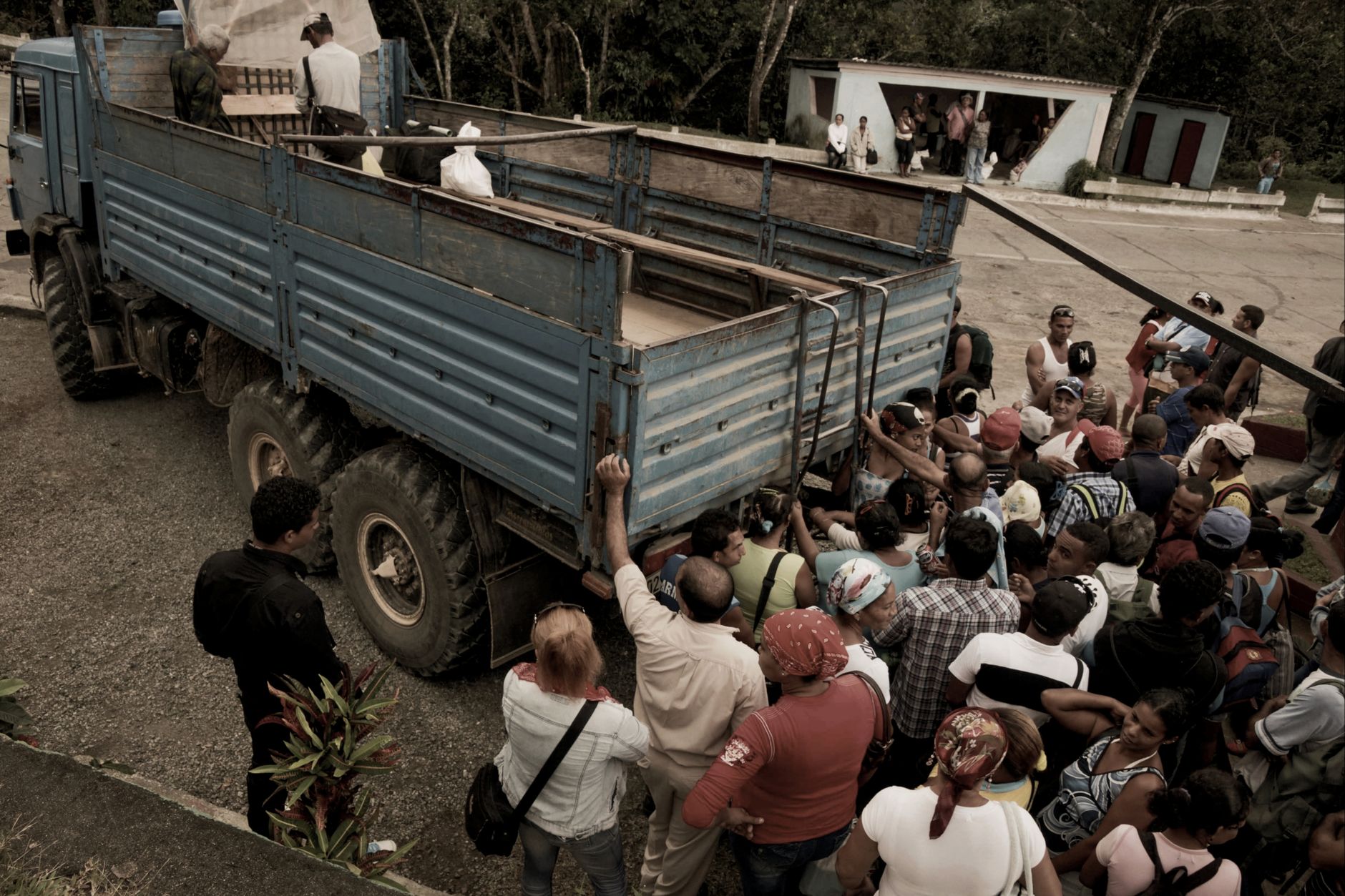
Do not treat the gate as a separate world. The gate queue is where security, operations, and driver experience collide. Trucks bunch up, sightlines narrow, tempers shorten, and idle vehicles create cover for people who should not be there. A patrol platform can help by extending observation up the inbound lane and along staging areas where fixed cameras often lose context.
This matters operationally too. The Federal Highway Administration has documented container-yard wait time measurement and notes that off-site staging with virtual gate processes can improve turn times by 20 percent in representative scenarios. Faster turn times are not a robot claim by themselves, but they show how sensitive these sites are to queue management. If your gate backs up regularly, a patrol robot should feed that operating picture, not sit outside it.
On the roadway side, truck parking pressure is real. FMCSA said in its 2025 pro-trucker package that 40 percent of truckers spend over an hour a day looking for parking. Around intermodal nodes, that pressure spills into shoulders, staging pockets, and perimeter roads. A robot that watches those edges can flag unsafe stopping, blocked lanes, and after-hours lingering before they become an access or theft problem.
How do robots fit with cameras and guards without creating a mess?

The cleanest model is layered coverage. Fixed cameras own persistent watch over gates, crane lanes, and other choke points. Guards own judgment, interviews, escorts, and any incident that may escalate physically. The robot fills the dead space between them and keeps moving through areas nobody watches continuously.
That division prevents two common buying mistakes. The first is trying to use a robot as a replacement for a guard post. The second is treating it like just another camera. It is neither. It is a mobile sensor and deterrent platform that gives your team more frequent patrol density than a vehicle loop can usually provide.
Service Robot Co. approaches this as a full-lifecycle integration problem, not a single-unit sale. For U.S. operators that matters. Port, rail, and drayage sites often need an OEM-neutral recommendation, local deployment support, integration into existing security workflows, training for supervisors and guards, and service coverage after go-live. One partner for finance, deployment, integration, training, and nationwide service is usually more useful than collecting those pieces from separate vendors.
What should buyers verify before a pilot or RFP?
A serious buyer guide for this category should sound less like futurism and more like yard management. Before you approve a pilot, define the route, the alert logic, the response owner, and the failure plan. If those are fuzzy, the pilot will produce anecdotes instead of a decision.
Ask for evidence in your own conditions. Port air corrodes. Rail yards vibrate. Pavement crowns and potholes change route quality. Night glare from mast lights can confuse mediocre vision systems. A credible pilot proves the robot can patrol the actual problem lanes for a meaningful stretch, then surface incidents without flooding your team with noise.
- Map the exact patrol zones, charging points, and dead zones before the unit arrives
- Set measurable goals such as patrol frequency, usable alerts per shift, incident response time, and weather uptime
- Require integration with your existing cameras, VMS, radio or messaging workflow, and evidence retention process
- Test live audio deterrence after dark and during normal operating noise, not just in a quiet demo
- Define who owns after-hours escalation, including law enforcement contact, supervisor review, and dispatch handoff
- Review service commitments, spare-unit policy, remote triage, and on-site dispatch terms before signature
When is the answer no, not yet?
Sometimes the right answer is to improve the site first. If lighting is badly broken, fencing is compromised, cameras are mispositioned, or command staff cannot reliably respond to alerts, an autonomous patrol will not fix the fundamentals. It will simply show you more incidents than your process can absorb.
The same caution applies to yards with highly chaotic traffic patterns, major paving issues, or frequent route blockages from stacked equipment. The robot does best when the patrol problem is repetitive and the operational rules are stable enough to support repeatable routes.
Weather can also narrow the fit. NOAA's 2026 Atlantic outlook called for 8 to 14 named storms, 3 to 6 hurricanes, and 1 to 3 major hurricanes. Even in a below-normal season, Gulf and Atlantic facilities still need a storm posture. Buyers should ask what the robot does before, during, and after severe weather, and what the fallback plan is when a machine should be sheltered.
How should operators think about the buy decision?
Think in terms of coverage density, escalation quality, and service resilience. If a security patrol robot rental, robot leasing for business plan, or robot as a service structure lets you test those three things on a live yard without a long commitment, that is often the smartest first move. The wrong deal is the one that makes hardware easy to order but hard to support.
A full-service commercial robot integrator can be especially useful here because intermodal buyers do not just need a robot. They need site assessment mapping, deployment and integration, training, maintenance included, and a clear operating model for guards and dispatch. Service Robot Co. is vendor neutral and works across manufacturers, then finances, deploys, integrates, trains, and services each unit through a nationwide U.S. engineer network. For a yard operator, that means one vendor for the whole lifecycle instead of a patchwork of hardware, software, and service obligations.
The practical question is not whether autonomy is impressive. It is whether your site needs more consistent patrol coverage across blind, dark, or remote lanes than cameras and guard vehicles can economically provide. If the answer is yes, intermodal yards belong near the front of the line for evaluation.