Key takeaways
- Robotic patrols can make sense where long perimeters, dark corners, and after-hours coverage drive labor costs.
- Marinas and boat storage sites are harder than parking lots because docks move, tides shift, weather hits electronics, and connectivity often drops near water.
- The best fit is usually a mixed security plan: robots for routine patrol and documentation, people for boarding, confrontation, and emergency response.
- Dock surface, ramp slope, charging location, and network dead zones matter more here than a flashy demo route.
- A full-service integrator matters because outdoor patrol units need mapping, operating rules, service coverage, and storm-season playbooks, not just delivery.
Do robotic patrols actually make sense here?
Yes, in the right layout they do. Marinas, dry stacks, and boat or RV storage lots have a patrol problem that is expensive to cover the old way. The property is usually spread out, the quiet hours are long, and the risk clusters in exactly the places human guards hate to walk at 2 a.m. remote fence lines, launch ramps, dim rows, and dock fingers.
That does not mean every waterfront site should buy a robot. A robotic patrol program makes sense when the facility needs frequent, repeatable rounds, wants better incident documentation, and has enough predictable pavement or hardscape for autonomous movement. It makes less sense when most of the patrol area is floating dock, broken gravel, or highly seasonal overflow that changes shape every weekend.
For many operators, the right question is not can a robot replace a guard. It is can a robot absorb the repetitive patrol miles, watch the low-value hours, and give your human team better eyes on the property. In this niche, that is the practical buying case.
- Best fit: large marina campuses, dry-stack yards, mixed boat and RV storage, and paved lots with long fence lines
- Weak fit: mostly floating docks, loose gravel routes, steep ramps, and sites with no reliable overnight charging point
- Buying goal: reduce routine patrol burden and improve after-hours visibility, not eliminate human security
Why are marinas different from parking garages and campuses?
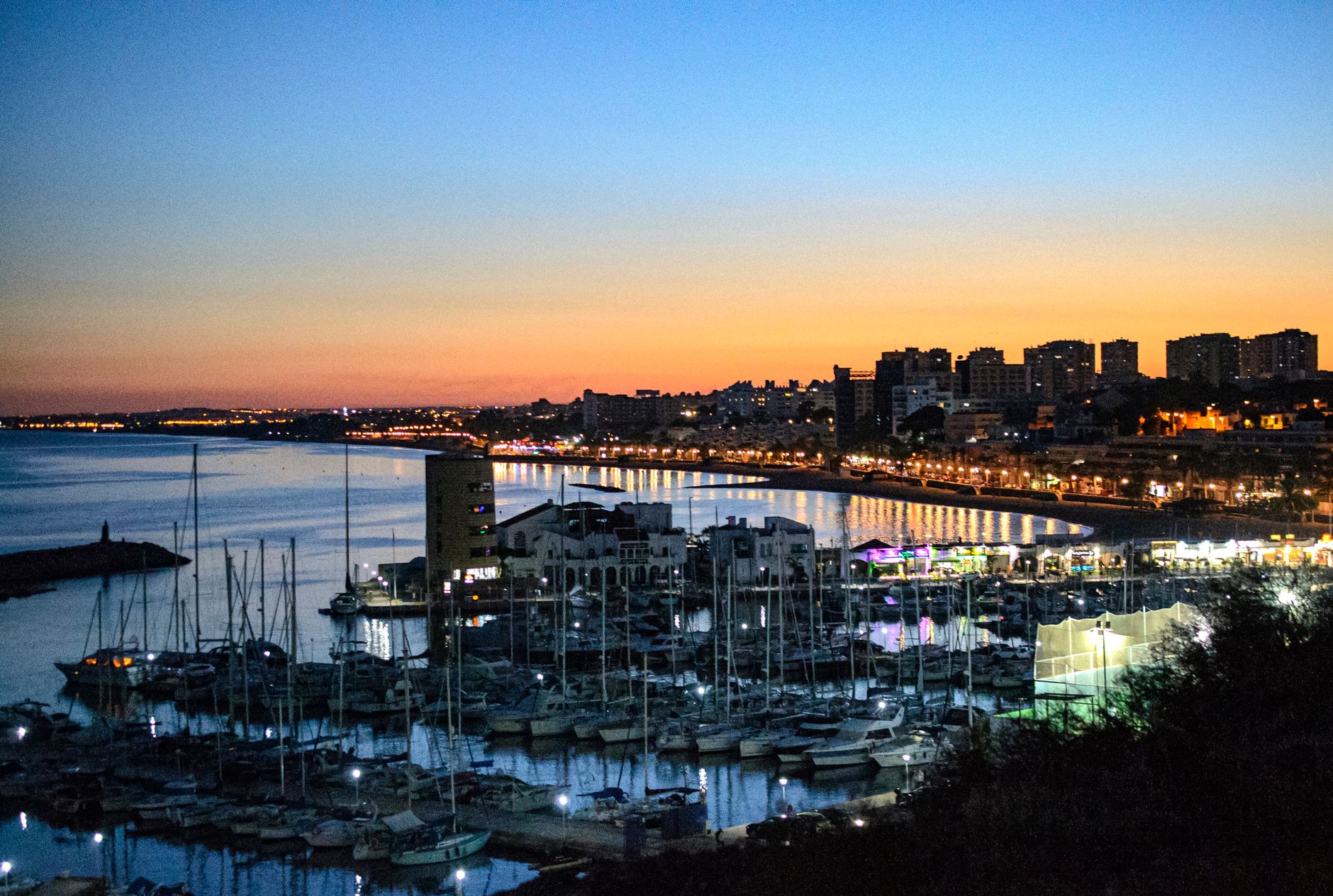
Because the ground is not stable, the edges are wet, and the site geometry changes. Docks can pitch, gangways change angle with tide and water level, and reflections off water can complicate nighttime imaging. A route that looked simple at noon can become a bad autonomy path after sunset, after a storm, or during a high-water event.
The weather load is different too. NOAA's 2026 Atlantic outlook, issued on May 21, 2026, calls for 8 to 14 named storms, 3 to 6 hurricanes, and 1 to 3 major hurricanes between June 1 and November 30. Even in a below-normal forecast year, coastal operators still have to plan for salt air, wind-driven rain, flooding, and storm pull-outs.
Waterfront infrastructure also changes the patrol brief. A garage robot mostly watches cars, doors, and walls. A marina robot may need to cover piers, fuel areas, gatehouses, drystack staging lanes, launch ramps, haul-out zones, and shoreline edges where a person can slip in without ever crossing the main gate.
- Floating and fixed dock transitions create route-validation work
- Salt spray and wind matter for housings, connectors, and camera cleaning
- Storm procedures are mandatory, not optional, for coastal deployments
What risks are these sites really trying to control?
The headline risk is after-hours trespass and theft, but the operational picture is broader. Boat and RV storage sites hold high-value movable assets, trailers, tools, batteries, and fuel. According to the National Insurance Crime Bureau, about 58,957 recreational vehicles, including watercraft, were reported stolen in 2025, and roughly 63 percent remained unrecovered. That is the backdrop for owners who want more than a single static camera at the front gate.
The asset base is large enough to justify serious attention. NMMA says annual U.S. sales of boats, marine products, and services totaled an estimated 57.7 billion dollars in 2023, and its March 11, 2026 release reported 215,237 new boats sold at retail in 2025. Even when sales soften, the installed base of boats, trailers, and related gear does not disappear. It sits somewhere, often outdoors, after hours.
Robots also help with the smaller incidents that wear down staff time. Left-open gates, unsecured yard sections, blocked fire lanes, stranded carts, suspicious vehicles, and lighting outages are all repetitive inspection tasks. A robot does not need to be dramatic to be useful. It needs to document, alert, and keep showing up on schedule.
- Perimeter breaches and fence-line cuts
- Unauthorized vehicle entry after hours
- Dock and ramp trespass
- Open gates, dark zones, and repeat maintenance misses
What site conditions decide success or failure?
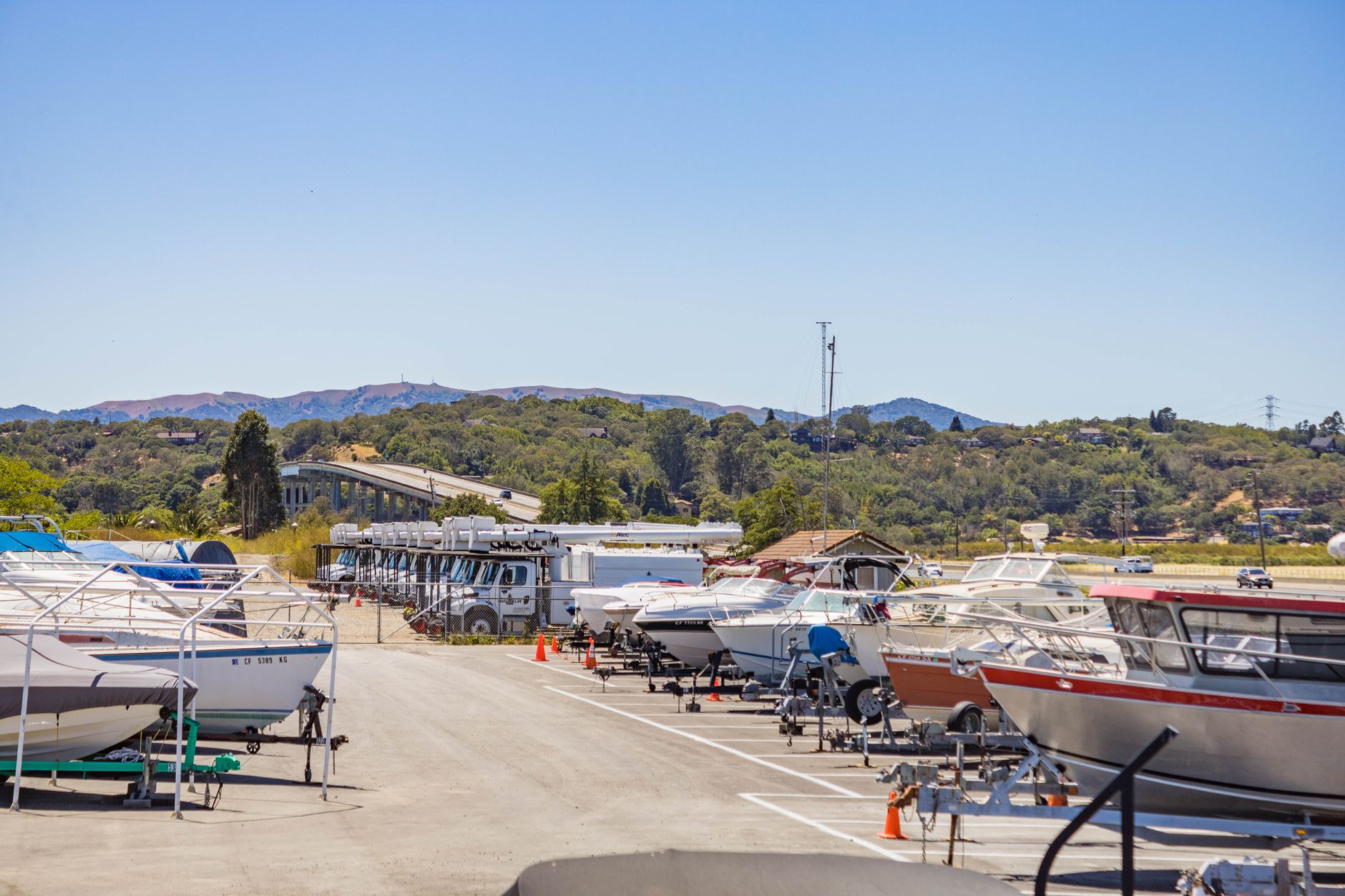
Start with the patrol surface. Dry-stack aprons, asphalt service roads, concrete around rack buildings, and paved boat or RV rows are much friendlier to robotic patrols than floating sections or loose aggregate. If the site wants dock coverage, the usual question is not whether the robot can go everywhere. It is where autonomy should stop and fixed cameras or human rounds should take over.
Lighting matters, but not in the simplistic way many buyers assume. Federal law already recognizes lighting as a real dock and launch-facility safety concern, and poor illumination still changes how well cameras can classify people, carts, and vehicles at range. Robots work better when the site treats lighting, line of sight, and patrol path cleanliness as part of the deployment, not as somebody else's deferred maintenance.
Connectivity is another quiet deal-breaker. The FCC's broadband map is useful precisely because many marina and storage parcels sit in odd edge zones where coverage looks fine at the office and weak at the shoreline, outer fence, or haul-out yard. A patrol unit needs a tested communications plan for the actual route, including dead zones, failover behavior, and what happens when the connection drops mid-round.
- Map the real patrolable surface, not the brochure map
- Survey nighttime lighting and glare off water before choosing camera positions
- Test wireless coverage at docks, perimeter corners, gate arms, and charging points
Can robots patrol docks and ramps safely?
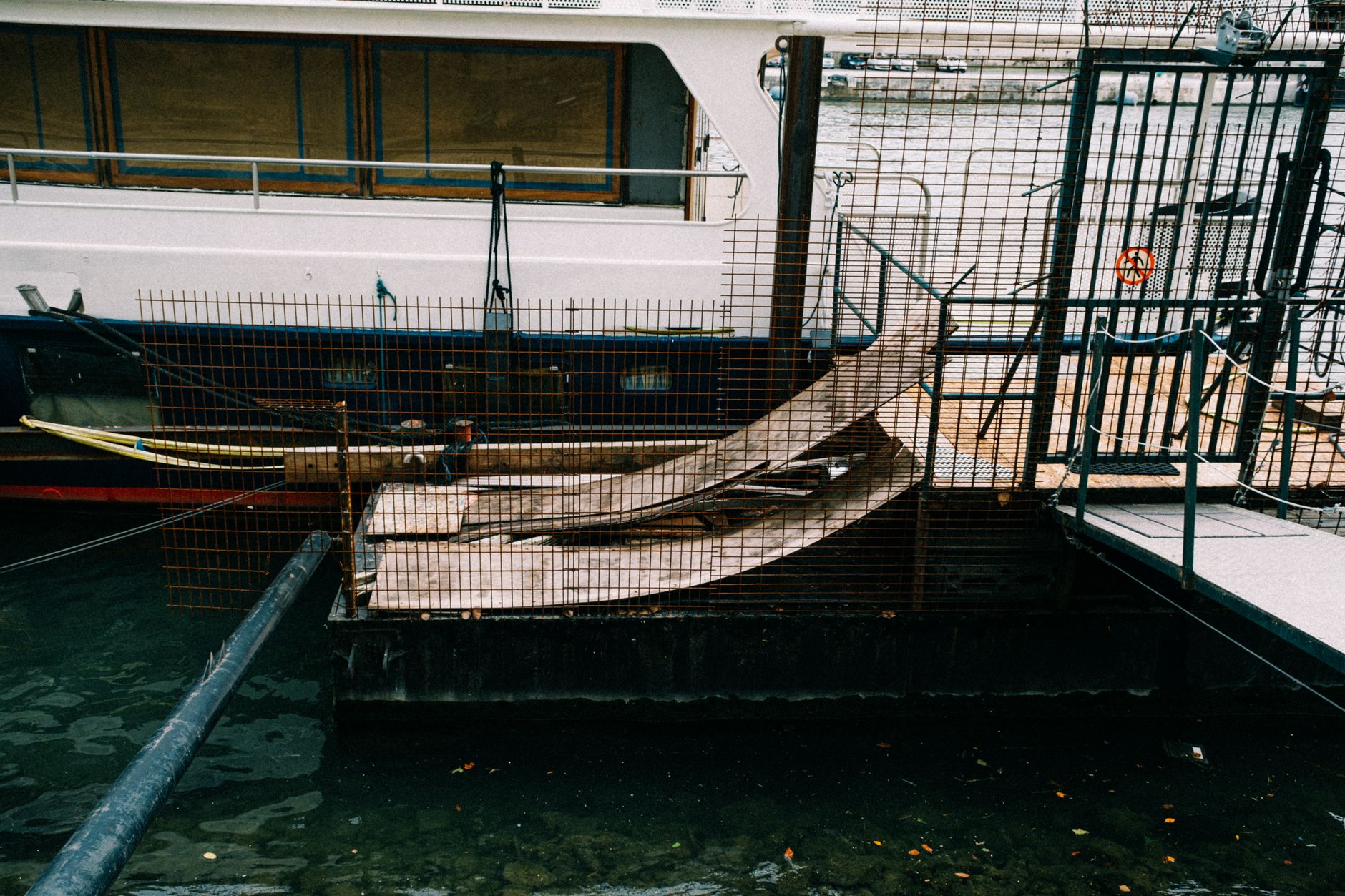
Sometimes, but this is where buyers need discipline. Fixed concrete promenades and wide, level piers are one thing. Narrow floating docks, slick surfaces, abrupt transitions, and steep gangways are another. NOAA notes that tides and currents are operationally important in bays, harbors, and estuaries because water levels and flow conditions change continuously. That matters for autonomy because route tolerances that look generous on land can shrink fast near the waterline.
In practice, many successful waterfront programs keep robots on the land-side envelope. They patrol the gate, staging lanes, rack area, service yard, and shoreline edge while fixed cameras cover finger docks and slips. That split is less glamorous, but it is usually better engineering. It keeps the robot on predictable terrain and still extends security coverage where staffing is thin.
If the facility insists on dock-adjacent patrol, demand a real site survey at night and during higher-water conditions. A daytime parking-lot demo is not evidence. Waterfront autonomy has to prove itself on wet surfaces, under marina lighting, with the actual tidal and glare conditions the property sees.
- Good candidates: wide fixed walkways, stable concrete edges, landside promenades
- Poor candidates: floating fingers, narrow gangways, algae-prone ramps, unstable transitions
- Best practice: robot on the hardscape, cameras and human response at the berth edge
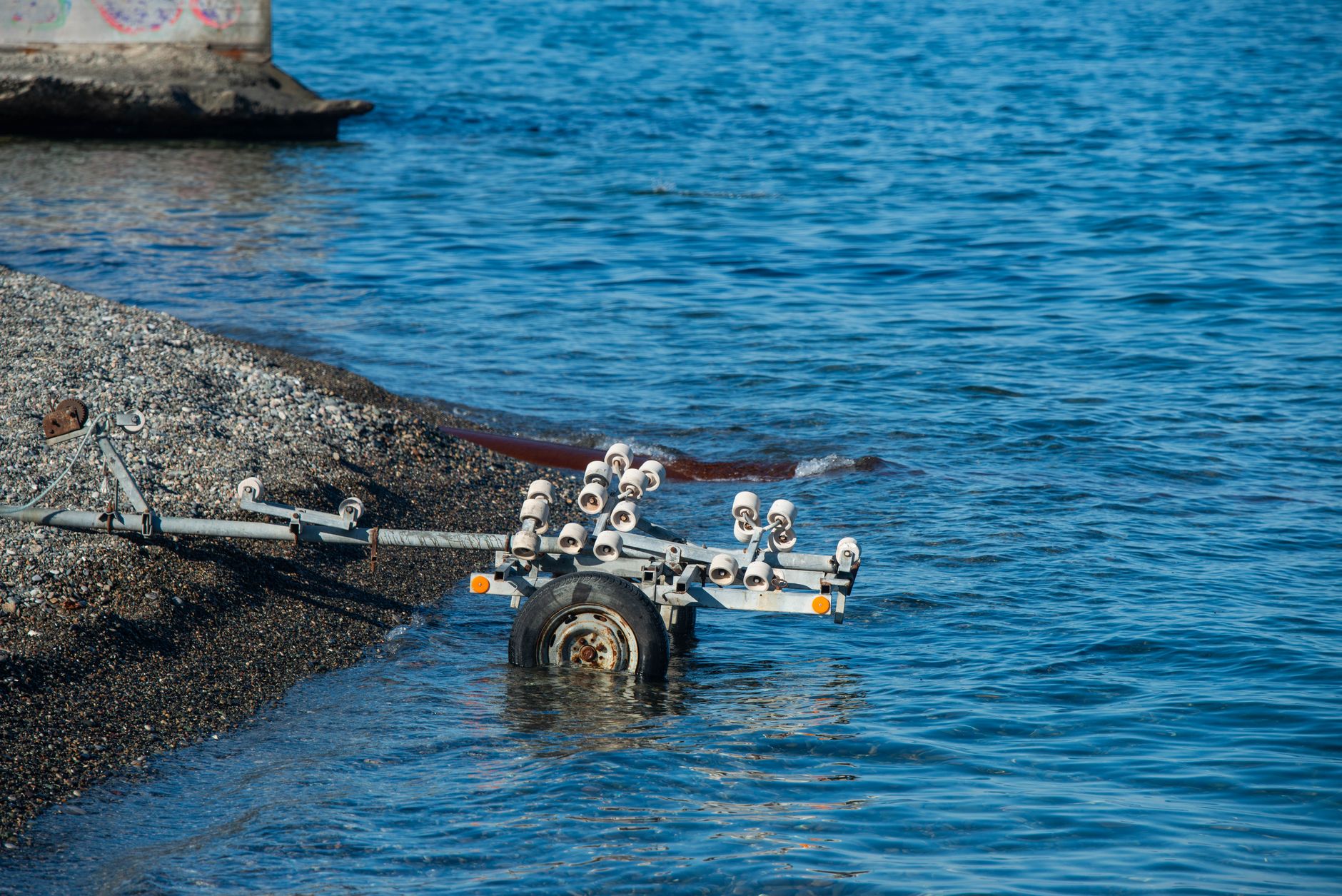
What about weather, flooding, and storm season?
This is where marina security programs either mature or break. NOAA says high tide flooding is now twice as frequent in U.S. coastal communities as it was 20 years ago, and its sea level rise resources note that annual tidal flooding has increased fivefold to tenfold since the 1960s in several coastal cities. A patrol plan that ignores nuisance flooding, salt exposure, and storm prep will spend too much time down for recovery and cleaning.
That does not rule robots out. It does mean the unit needs a defined weather envelope, a shelter plan, and an operator who knows when to pull it off the route. Charging stations cannot sit in the obvious ponding spot. Patrol zones near ramps and shore edges need alternate maps for high-water nights. After major weather, the site may need a revalidation pass before autonomy resumes.
Outdoor security buyers should think like marina operators, not like office park managers. The right question is not can this machine survive outside. It is what exact conditions stop operations, where does it shelter, who inspects it after salt spray or flooding, and how fast can service get it back online.
- Define pull-off triggers for wind, lightning, flooding, and storm watches
- Keep charging and service points above nuisance-flood zones
- Plan post-storm inspection before returning to autonomous patrol
How should buyers evaluate the labor and ROI case?
Look for boring math. If the site pays people to drive or walk the same low-information route over and over, a robot can carry part of that load. The gain is strongest where perimeter length is high, incident frequency is low to moderate, and management wants more documented patrols than the current staffing model can deliver.
The payoff is weaker when a single officer already handles a compact site with constant guest interaction, vessel check-ins, and hands-on enforcement. Robots are best at consistency. They are weaker at judgment, de-escalation, and anything involving a locked gate, a loose line, or a boater who refuses to leave.
For boat and RV storage lots especially, the labor case often hinges on coverage hours. A robot can make the midnight-to-5 a.m. window less blind, raise the number of perimeter passes, and preserve people for dispatch, investigation, and customer-facing work. That is the comparison worth making.
- Measure current patrol miles and rounds per night
- Count dark or low-confidence areas that static cameras miss
- Model human response time separately from routine patrol time
Where does Service Robot Co. fit in?
This category punishes one-box buying. Marinas and storage yards need the robot, the mapping work, the charging plan, the communications plan, the operating rules, staff training, and ongoing field support. That is exactly why an OEM-neutral integrator matters here. Service Robot Co. picks the right commercial robot across manufacturers, then finances, deploys, integrates, trains, and services it through a nationwide U.S. engineer network.
That approach is especially useful when a site needs a mixed answer. One property may need robotic patrol on paved storage rows, fixed coverage at the docks, and a different operating schedule during storm season. Another may be better served by a pilot first, then a lease, rental, or purchase structure once the route and coverage model are proven. One vendor for the whole lifecycle is not marketing fluff in this niche. It is how you keep a hard outdoor deployment supportable.
- OEM-neutral robot selection based on the actual site
- Deployment, integration, training, and service under one operating partner
- Useful for pilots, phased rollouts, and mixed waterfront security layouts
What should a marina or storage operator ask before signing?
Ask route questions before feature questions. Where exactly will it patrol, at night, after rain, during peak season, and during higher-water conditions. Ask what parts of the property remain human-only or camera-only. Ask how the unit behaves when connectivity drops, when lighting fails, and when a storm warning is issued.
Then ask support questions. Who remaps after the site changes. Who cleans lenses and inspects seals. Who handles emergency replacement or on-site service. Outdoor patrol robots earn their keep through routine and uptime. A site that buys autonomy without an operations model usually ends up with a parked machine and a disappointed security team.
The right vendor conversation should feel less like a gadget pitch and more like a field operations review. That is the standard marina and yard buyers should hold.
- Show me the route on the real night site, not a generic demo pad
- What is the weather envelope and storm pull-out procedure
- What are the dead zones and failover rules if wireless service drops
- Who owns maintenance, remapping, and field service after go-live